









Food connects us all, but some culinary treasures remain hidden from the global spotlight. While Italian, Chinese, and French cuisines often steal the show, many incredible food cultures are waiting to be discovered.
These underrated cuisines offer bold flavours, unique ingredients, and cooking techniques that deserve more recognition on the world stage.
This article is for general informational and cultural purposes only. Food traditions and availability may vary by region and personal preference.
1. Filipino Cuisine
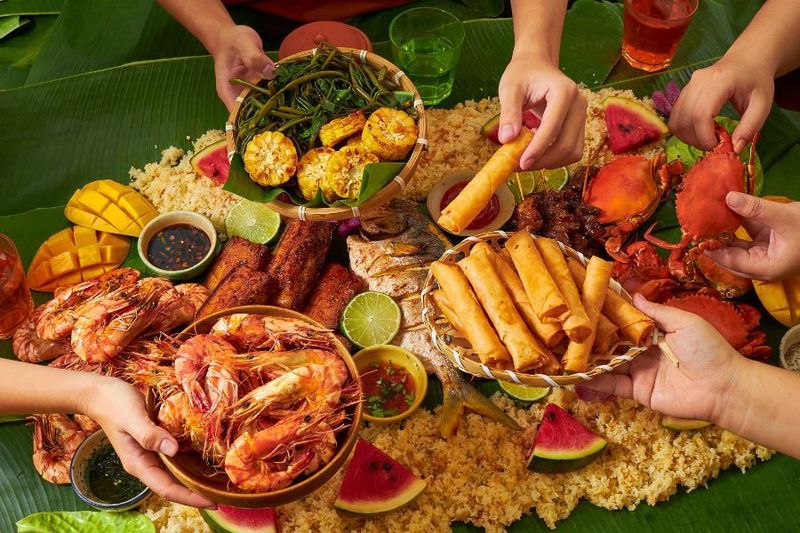
Sour, sweet, and savoury dance together in Filipino kitchens, creating unforgettable taste experiences. Adobo - meat marinated in vinegar, soy sauce and spices - stands as the unofficial national dish.
Beyond that, regional specialities like kare-kare, pancit, and lechon highlight the diversity of the archipelago’s food culture.
2. Georgian Cuisine
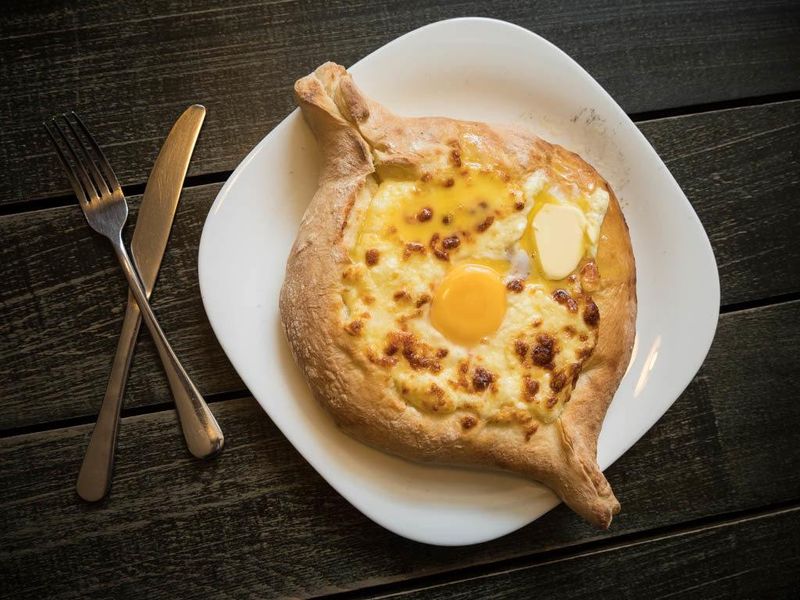
Nestled between Europe and Asia, Georgia's food reflects its unique crossroads position. A favourite is Adjaruli khachapuri - a boat-shaped bread filled with melted cheese and topped with an egg yolk.
Georgian feasts, or supras, feature walnut-based sauces, aromatic herbs, and khinkali dumplings that require special eating techniques to catch all the delicious broth inside.
3. Peruvian Cuisine
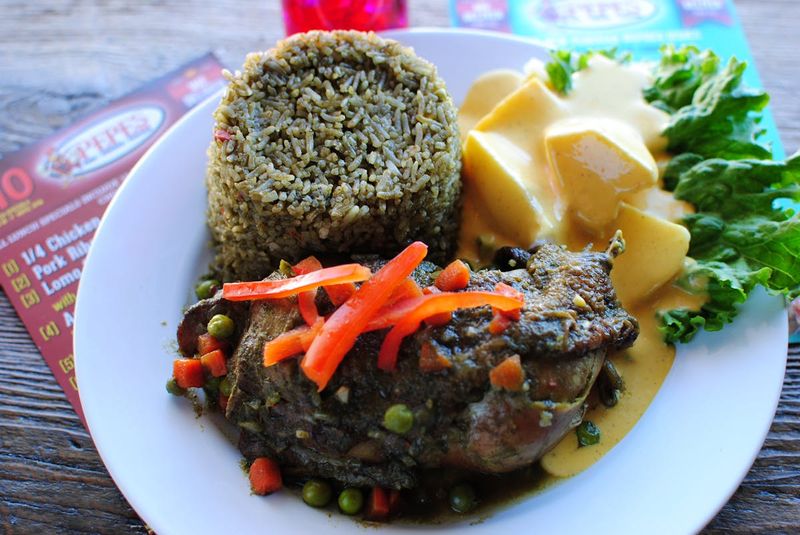
Ancient traditions blend with influences from Spain, Africa, China and Japan in Peru's vibrant food scene. Ceviche - raw fish "cooked" in lime juice with chilli - showcases the country's magnificent seafood.
The Andes contribute superfoods like quinoa and thousands of potato varieties, while the Amazon offers exotic fruits unknown elsewhere. No wonder Peruvian restaurants are finally appearing worldwide!
4. Lebanese Cuisine
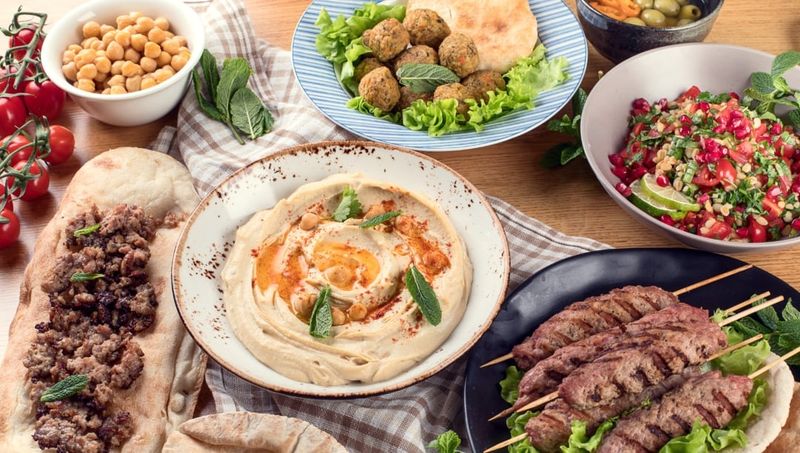
Freshness reigns supreme in Lebanese cooking, where mezze culture turns meals into social events. Small plates like hummus, tabbouleh, and baba ganoush create a tapestry of flavours meant for sharing.
Herbs and spices - particularly sumac, za'atar, and mint - transform simple ingredients into complex taste experiences. The cuisine emphasises vegetables and whole grains, making it as healthy as it is delicious.
5. Ethiopian Cuisine
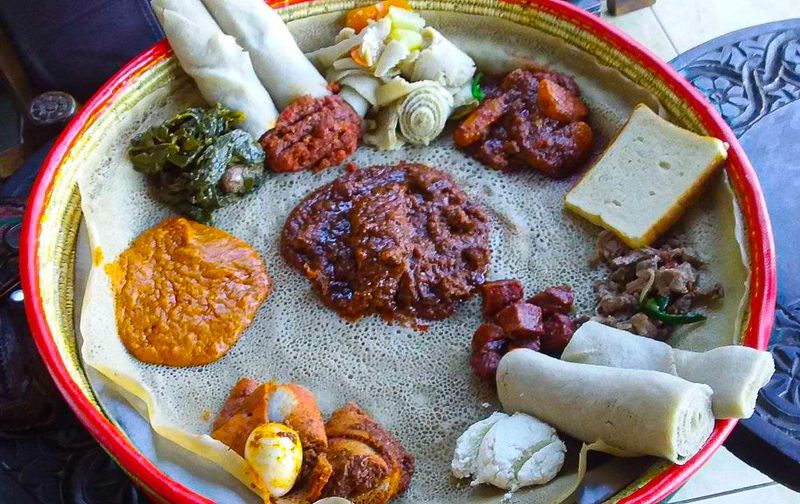
Communal dining defines Ethiopian meals, where friends gather around large platters of colourful stews (wats) served atop injera - a spongy sourdough flatbread that's both plate and utensil.
The unique berbere spice blend gives many dishes their distinctive flavour, while the coffee ceremony - Ethiopia's birthplace of coffee - elevates drinking to an art form. Vegetarians find paradise in the country's meat-free dishes.
6. Malaysian Cuisine
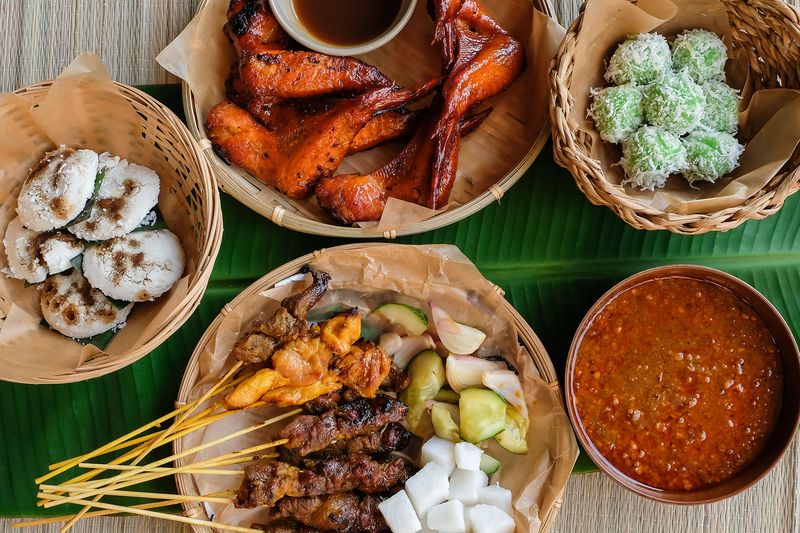
Three major cultures - Malay, Chinese and Indian - create Malaysia's extraordinary culinary tapestry. Street food markets burst with treasures like laksa (spicy noodle soup), nasi lemak (coconut rice with accompaniments), and roti canai (flaky flatbread).
Bold use of lemongrass, pandan leaves, and belacan (shrimp paste) creates unforgettable flavours. Malaysian cooks masterfully balance sweet, sour, salty and spicy elements in every dish.
7. Turkish Cuisine
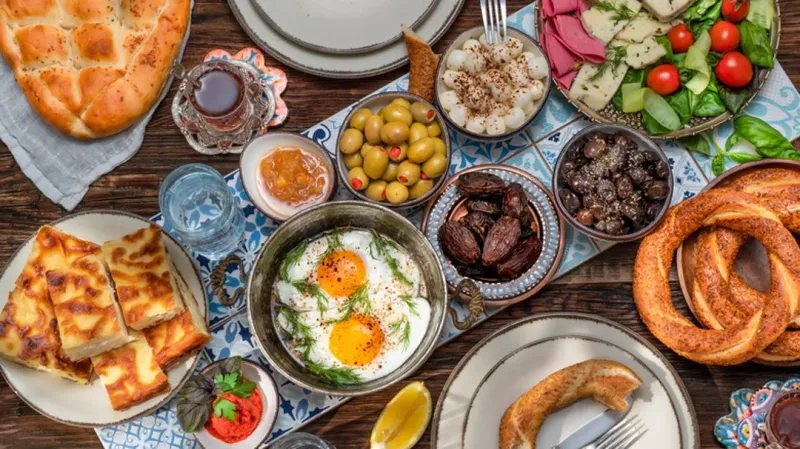
Beyond kebabs lies an ancient culinary tradition refined over centuries of Ottoman rule. Meze plates feature smoky aubergine, stuffed vegetables, and yoghurt-based dips that celebrate the Mediterranean bounty.
Turkish breakfasts astonish visitors with their variety - eggs, cheeses, olives, honey, jams and fresh bread create morning feasts. The cuisine's delicate spicing and masterful cooking techniques elevate simple ingredients to extraordinary heights.
8. Vietnamese Cuisine
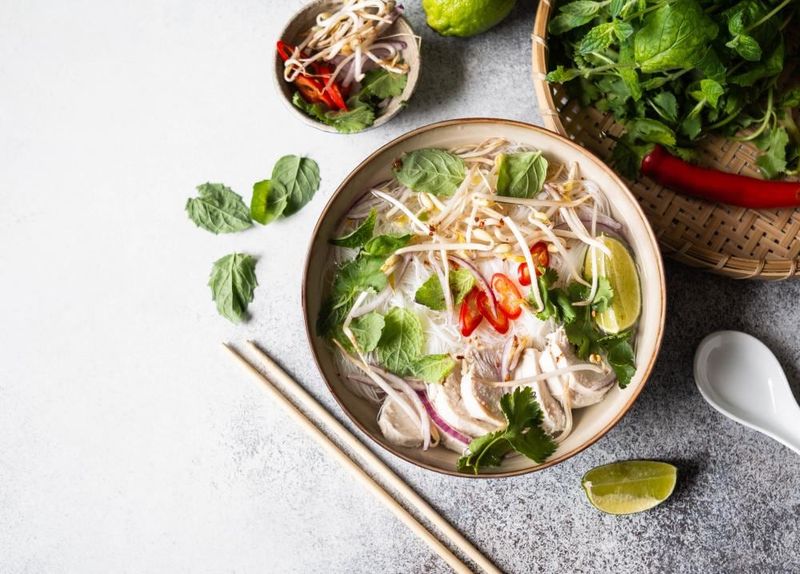
Harmony defines Vietnamese cooking - balancing textures, flavours, and even medicinal properties in each dish. Fresh herbs appear abundantly - mint, coriander, basil, and lemongrass brighten everything from spring rolls to the famous pho soup.
Regional variations showcase the country's diversity, from Hanoi's subtle flavours to the bold spices of Huế. The French colonial influence appears in bánh mì sandwiches and Vietnamese coffee culture.
9. Moroccan Cuisine
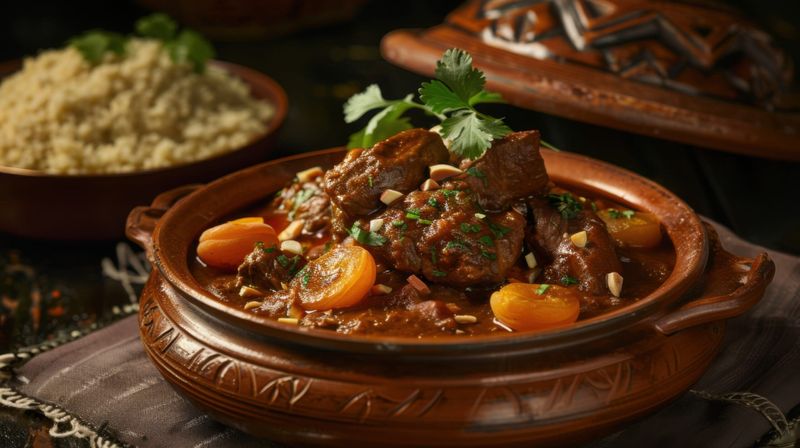
Spice markets come alive in Moroccan kitchens, where cinnamon, cumin, and saffron transform humble ingredients into aromatic masterpieces. The tagine - both cooking vessel and dish - produces tender stews where meat and fruit create unexpected but delicious combinations.
Sweet-savoury contrasts appear throughout the cuisine, particularly in pastilla - a flaky pie dusted with sugar but filled with savoury meat. Mint tea ceremonies bookend every memorable Moroccan meal.
10. Sri Lankan Cuisine
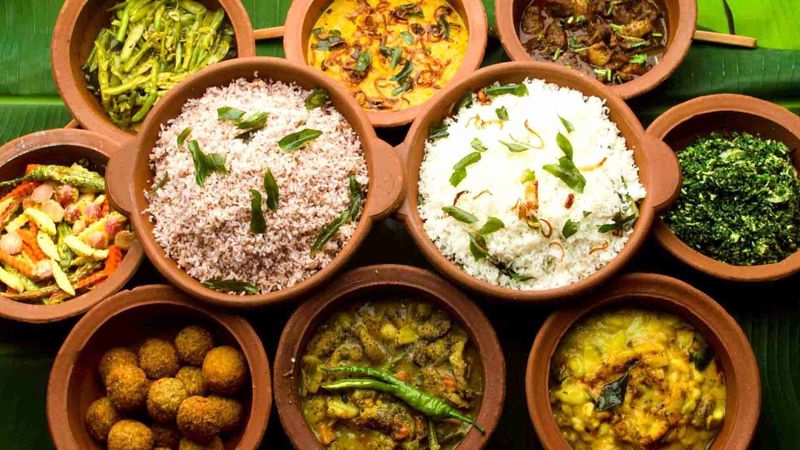
Fiery curries and coconut-infused dishes define Sri Lanka's distinctive food identity, often overshadowed by its Indian neighbour. The island's signature hoppers - bowl-shaped pancakes made from fermented rice flour - cradle curries and sambols with style.
Cinnamon, cardamom and cloves grow naturally here, appearing in both savoury and sweet preparations. The cuisine's generous use of fresh coconut in all forms - milk, oil, and grated - creates rich, satisfying dishes.