








Ever tucked into a dish only to realise it’s nothing like what you expected? Food names can be wonderfully deceptive - some promise sweetness and deliver spice, while others sound downright unappetising but taste incredible.
From puddings that aren’t puddings to meats with no meat at all, these are some of the most misleading food names that have confused diners for generations.
This article is for general informational and entertainment purposes only. Food names, ingredients, and recipes may vary by region or tradition. Photos are for illustrative purposes only.
1. Scotch Eggs
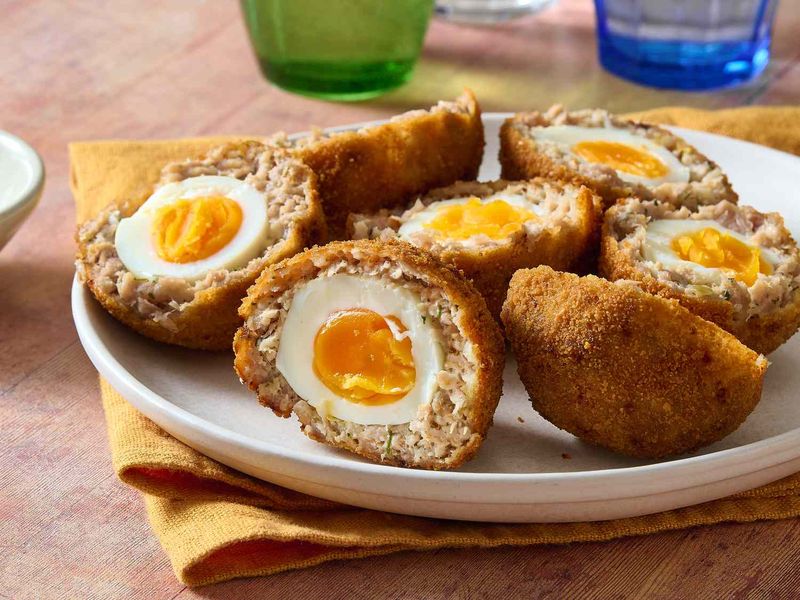
You might assume Scotch eggs hail from Scotland, but their origins are far murkier. These hearty picnic favourites - boiled eggs wrapped in sausage meat, coated in breadcrumbs, and fried until golden - were actually invented by London department store Fortnum & Mason in the 18th century.
The “Scotch” label likely refers to the old English word scotched, meaning “to cut or score,” describing the preparation method rather than any Scottish connection. Despite the confusion, they’ve become a beloved British snack from corner shops to pub menus nationwide.
2. Sweetbreads
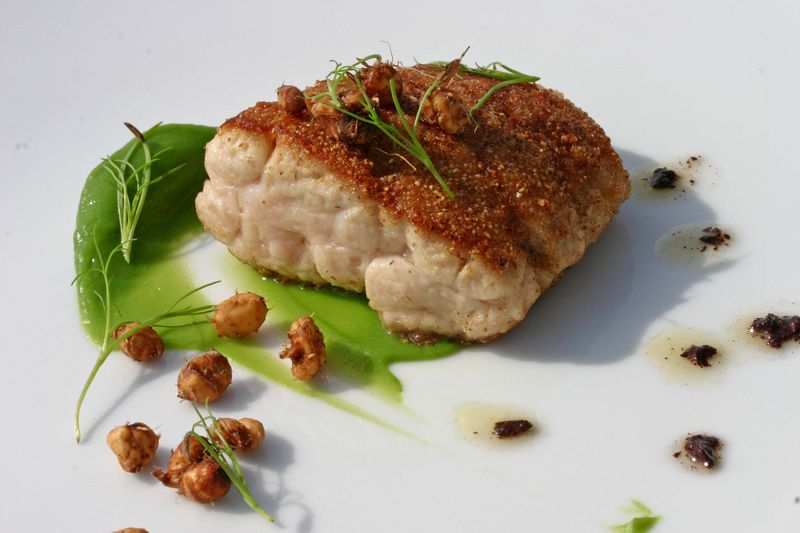
Despite the sugary promise in their name, these delicacies aren't sweet or bread at all! They're actually the thymus glands or pancreas of young animals, usually calves or lambs. Chefs prize them for their creamy texture when cooked properly.
The misleading name might have originated from "sweet" meaning "good to eat" and "bread" derived from "brǣd" – Old English for meat.
3. Head Cheese
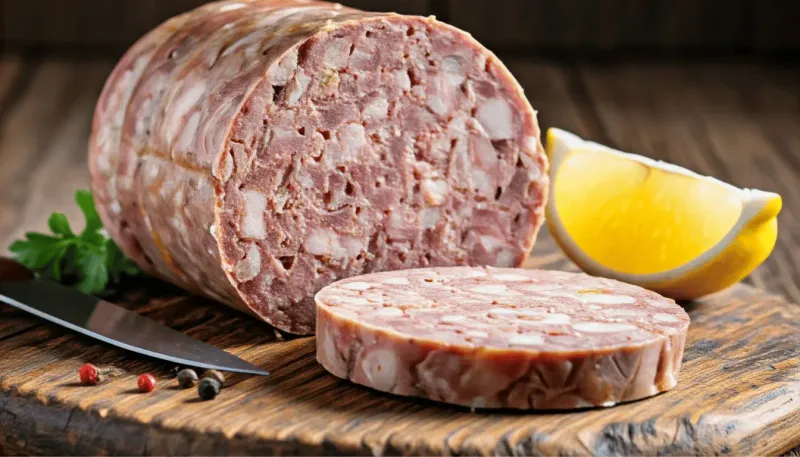
Not a cheese lover's dream, this traditional cold cut contains precisely zero dairy! It's actually made from various parts of a calf or pig's head (minus the brain) that have been boiled, chopped and set in aspic.
The "cheese" in the name refers to the way it's formed and sliced, similar to a wheel of cheese. Popular throughout Europe for centuries, it's often enjoyed on sandwiches or as part of a charcuterie board.
4. Welsh Rabbit
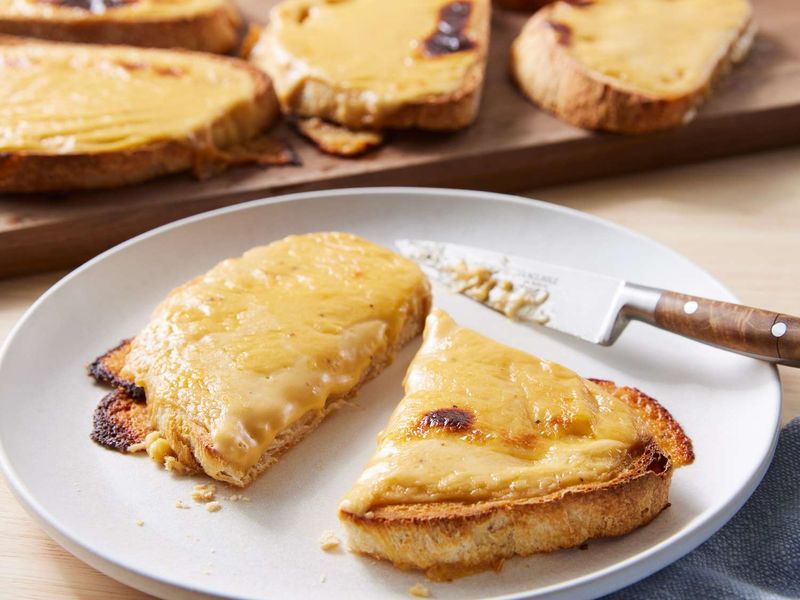
Hop to it! Just kidding - there's absolutely no rabbit in this classic British comfort food. It's actually a savory dish of melted cheese sauce poured over toast.
The name (sometimes written as "rarebit") likely began as a joke about Welsh poverty - implying cheese on toast was the closest to rabbit a Welshman could get. The earliest recipes date back to the 1700s and often include beer or ale for extra flavor.
5. Boston Cream Pie
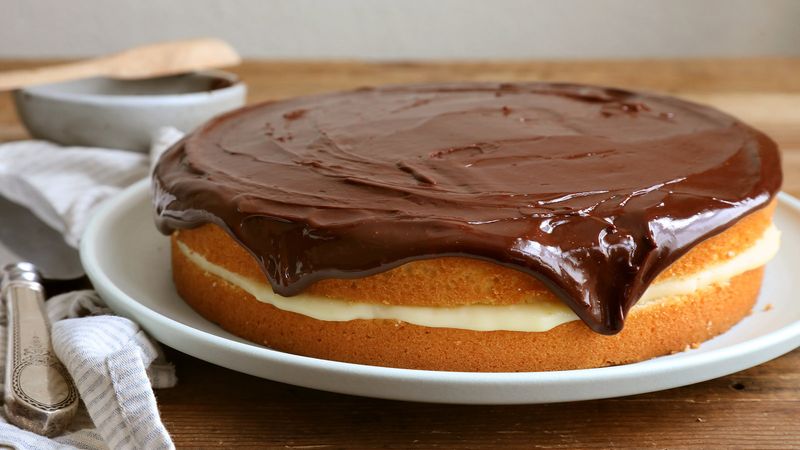
Fancy a slice of Boston's famous pie? Surprise - it's actually a cake! This beloved American dessert consists of two layers of sponge cake filled with vanilla custard and topped with chocolate glaze.
Created in the 1850s at Boston's Parker House Hotel, it was revolutionary because the custard filling and chocolate topping weren't common in cakes then.
The name stuck because it was originally baked in pie tins, which were more common in 19th-century kitchens.
6. Toad In The Hole
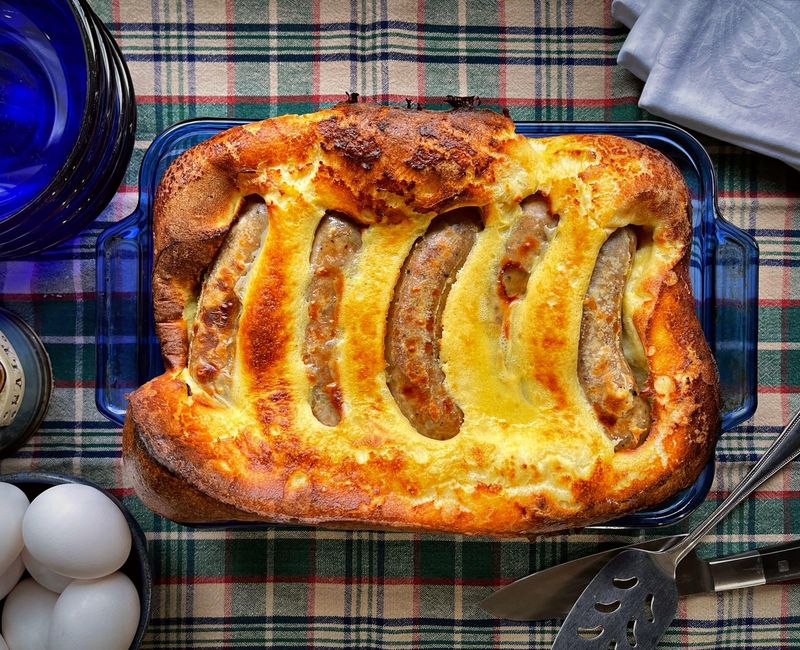
Despite its peculiar name, no amphibians are harmed in the making of this beloved British classic. The dish simply features sausages baked in a golden, puffy Yorkshire pudding batter.
The unusual name is thought to come from the sausages poking through the batter, resembling toads peeking out of holes. Originating in the 18th century as a way to stretch modest ingredients, it remains a comforting staple in British homes to this day.
7. Indian Pudding
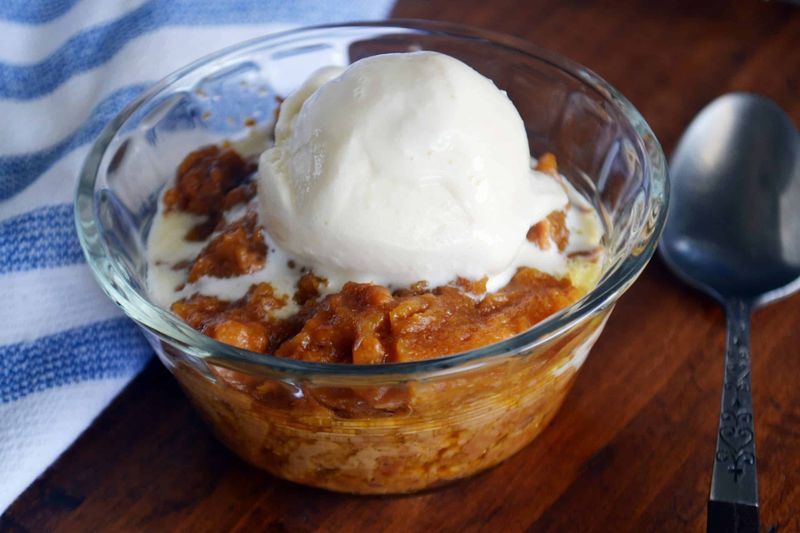
Neither from India nor resembling what Brits call pudding, this New England dessert is a baked cornmeal mush sweetened with molasses. Early English settlers created it using native cornmeal (which they called "Indian meal") as a substitute for wheat flour. Spiced with cinnamon, ginger and nutmeg, it's typically served warm with vanilla ice cream.
The dish represents one of America's earliest fusion cuisines, blending European cooking techniques with indigenous ingredients.
8. Rocky Mountain Oysters
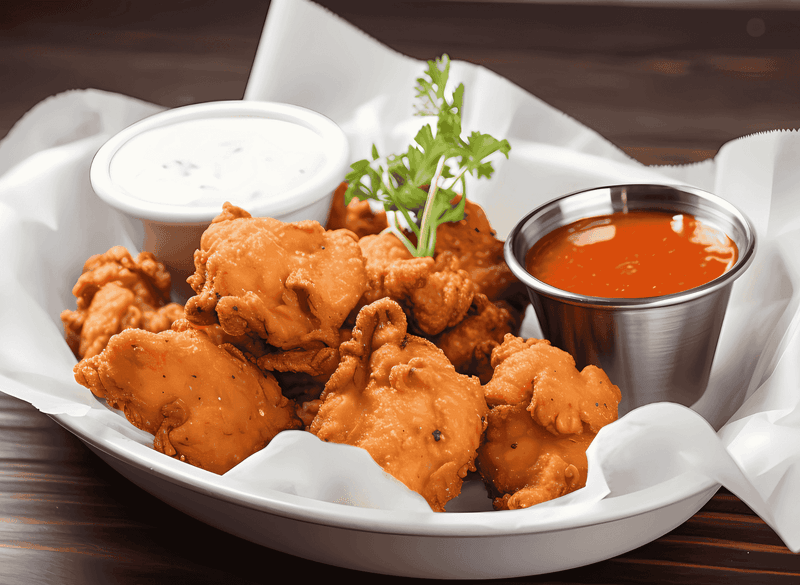
Despite the fancy name, these “oysters” have nothing to do with the sea. In fact, they’re deep-fried bull testicles - a traditional dish from the American West. Ranchers created them as a way to avoid waste during cattle branding season.
Their misleading name probably helped make them sound a little more appealing to newcomers. While they remain a regional delicacy, they’ve also earned a reputation as one of the most famously misnamed foods in the world.
9. Jerusalem Artichoke
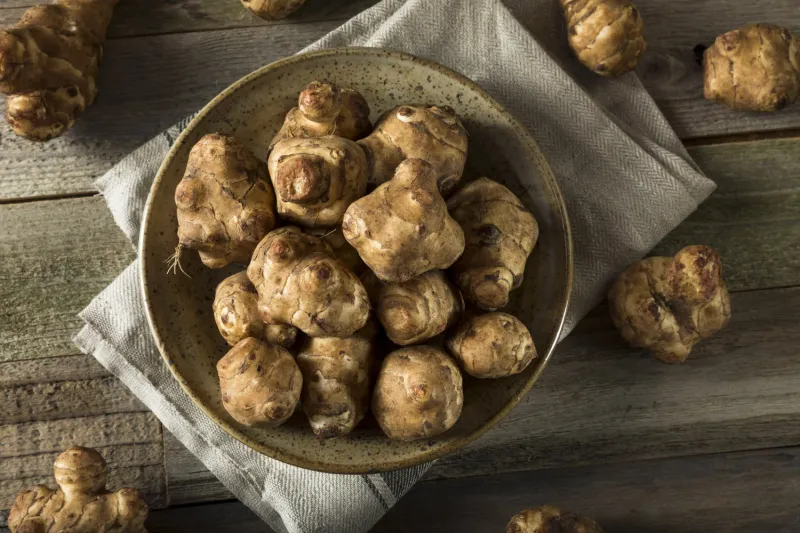
This knobby root vegetable has a triple identity crisis - it's not from Jerusalem, not an artichoke, and not even related to either! It's actually a species of sunflower native to North America.
The name confusion stems from Italian settlers calling it "girasole" (sunflower), which English speakers corrupted to "Jerusalem." The "artichoke" part comes from its similar taste to globe artichokes. Modern markets sometimes label them as 'sunchokes' to avoid confusion.
10. Hamburger
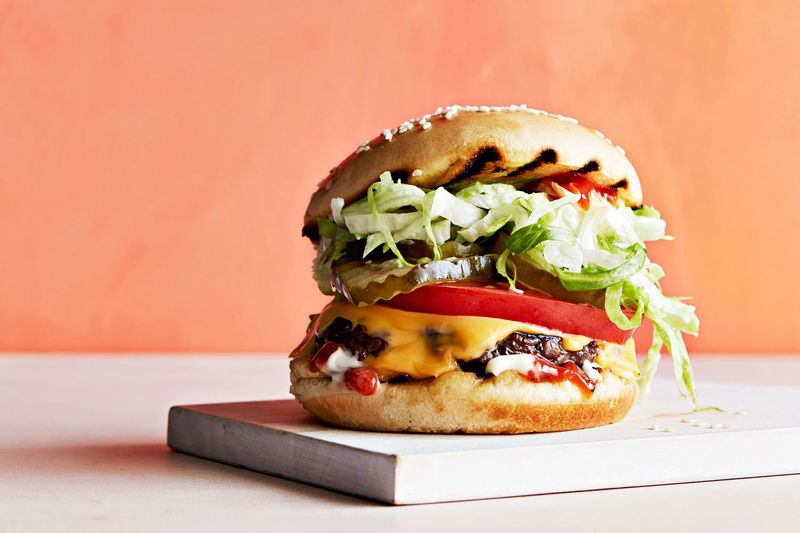
Looking for ham in your hamburger? You won't find any! This iconic sandwich contains beef, not pork, despite what its name suggests. The name comes from Hamburg, Germany, where minced beef was a popular dish among sailors.
German immigrants brought the concept to America in the 1800s. The hamburger as we know it today - beef patty in a bun - was popularized at American fairs around the turn of the 20th century.
11. Hot Dog
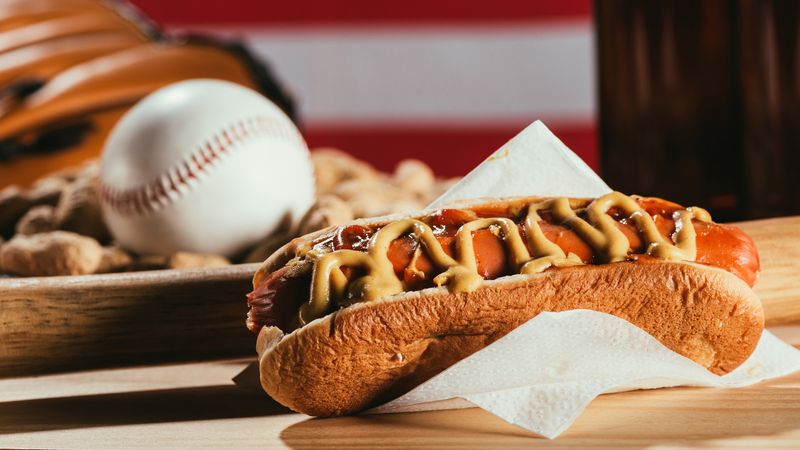
Woof woof? Not quite! Despite the alarming name, these beloved sausages contain no canine meat whatsoever. They're typically made from beef, pork, or chicken trimmings.
The term likely originated from 19th-century suspicions about what went into cheap sausages. German immigrants brought "dachshund sausages" to America, and the name "hot dog" was supposedly coined by a sports cartoonist who couldn't spell dachshund when captioning vendors selling them at baseball games.
12. Mock Turtle Soup
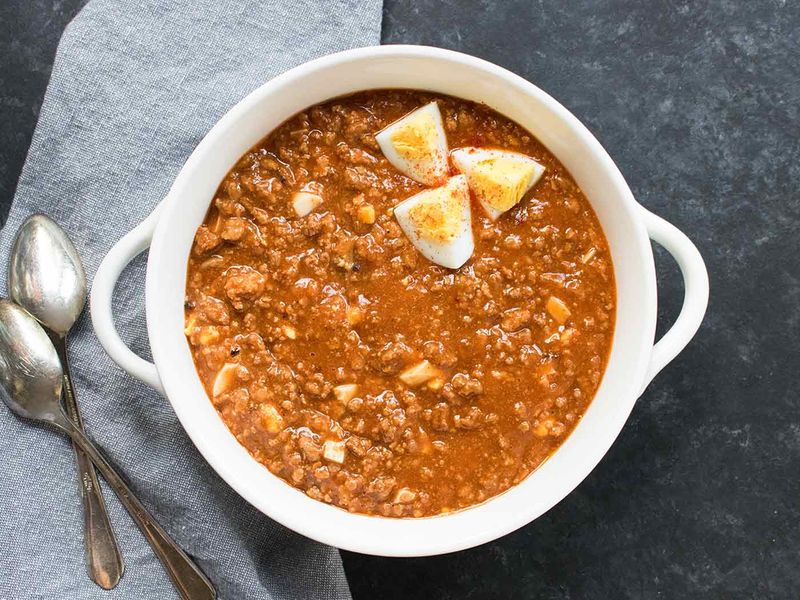
Made famous in "Alice in Wonderland", this Victorian delicacy contains absolutely no turtle meat. It was created as an economical imitation of green turtle soup, which was an expensive luxury item. The "mock" version typically used a calf's head to mimic the texture and flavor of turtle meat.
The connection to Lewis Carroll's Mock Turtle character (who has the body of a turtle and the head of a calf) is a deliberate reference to this dish's ingredients.
13. Chili Con Carne
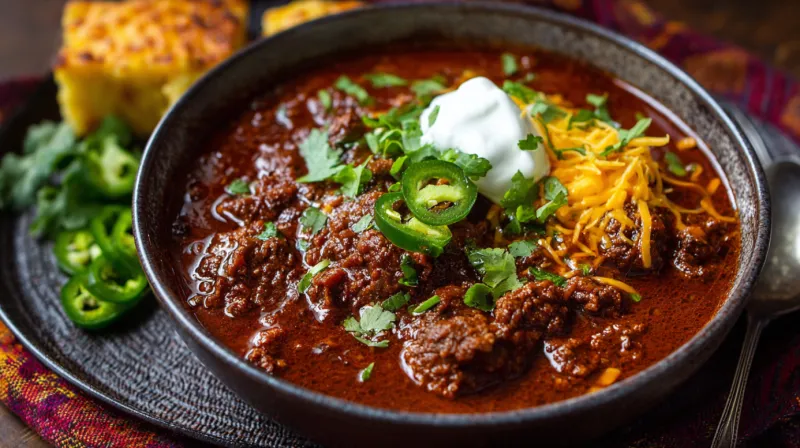
Speak Spanish? Then you know this dish's name translates to "chili with meat" - yet many argue authentic versions shouldn't contain beans! This Tex-Mex staple has sparked heated debates among food purists. Originating in northern Mexico and southern Texas, traditional recipes focus on meat, chilies, and spices.
The International Chili Society even prohibits beans in their cooking competitions! Modern adaptations often include them anyway, much to the dismay of chili traditionalists.
14. Grapenuts
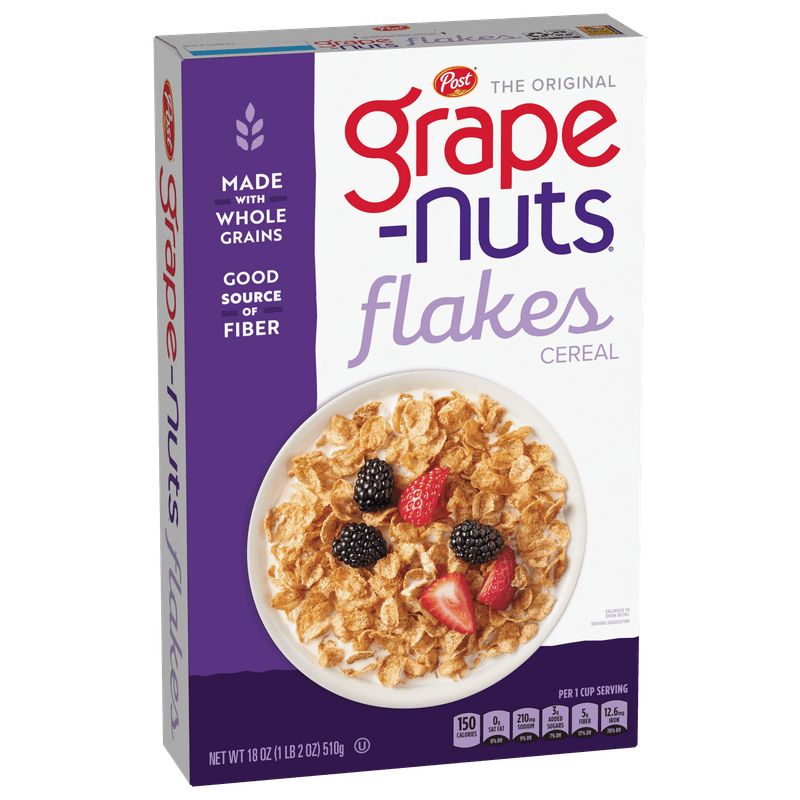
This crunchy breakfast cereal contains neither grapes nor nuts - it's actually made from wheat and barley! The misnamed cereal was created in 1897 by C.W. Post, who claimed it contained 'grape sugar' formed during baking.
The "nuts" part likely refers to the cereal's crunchy texture. Despite the confusing name, Grape-Nuts became wildly popular for their long shelf life and nutritional value.
They even accompanied Admiral Byrd on his expedition to Antarctica because they wouldn't freeze solid!
15. Ladyfingers
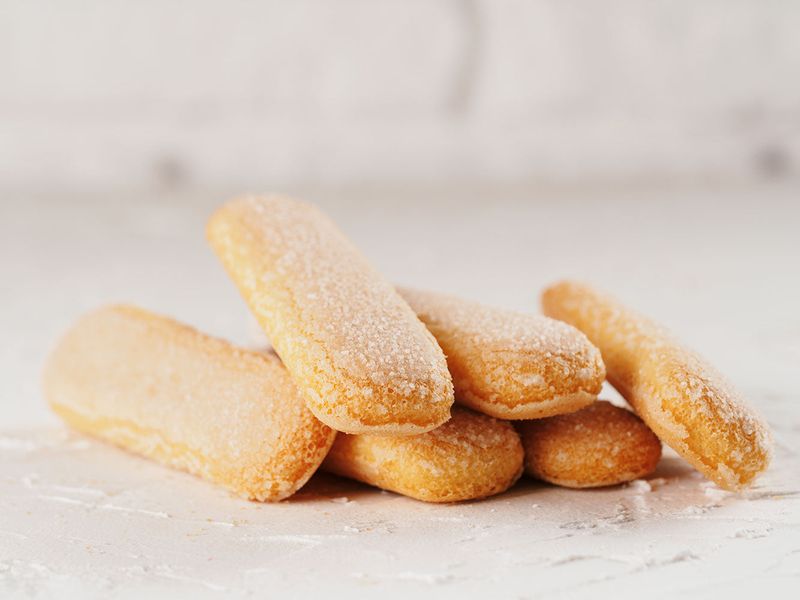
Don't worry - no actual ladies' digits were harmed in the making of these delicate sponge biscuits! Their elongated shape resembling slender fingers gave rise to the peculiar name. Dating back to the late 15th century at the court of Catherine de' Medici, these light treats are essential ingredients in desserts like tiramisu and charlotte.
The French call them "boudoir biscuits" while Italians know them as "savoiardi" - much less anatomical names for the same sweet treat.
16. Buffalo Wings
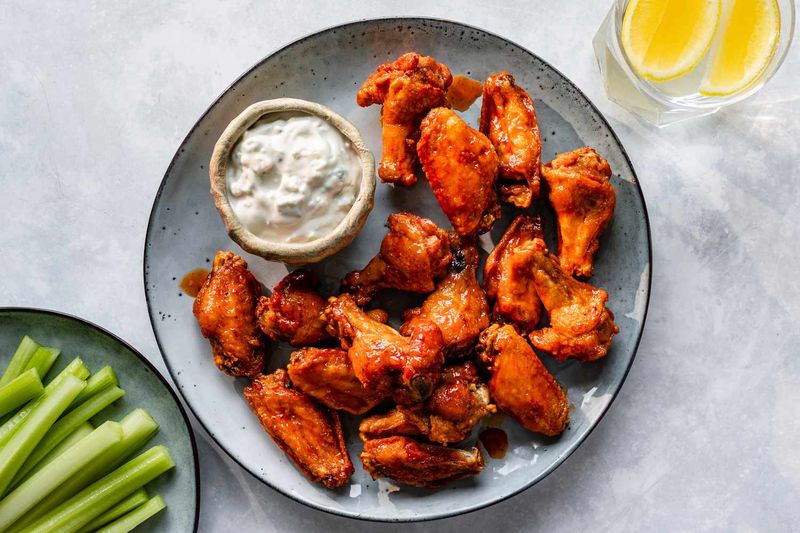
Contrary to what the name suggests, these spicy treats don't come from flying bison! They're actually chicken wings tossed in a vinegar-based cayenne pepper hot sauce.
The name comes from their birthplace - Buffalo, New York - where they were first served at the Anchor Bar in 1964. Legend has it that owner Teressa Bellissimo created them when her son and his friends needed a late-night snack, using the wings that were normally reserved for soup stock.
17. Shepherd's Pie
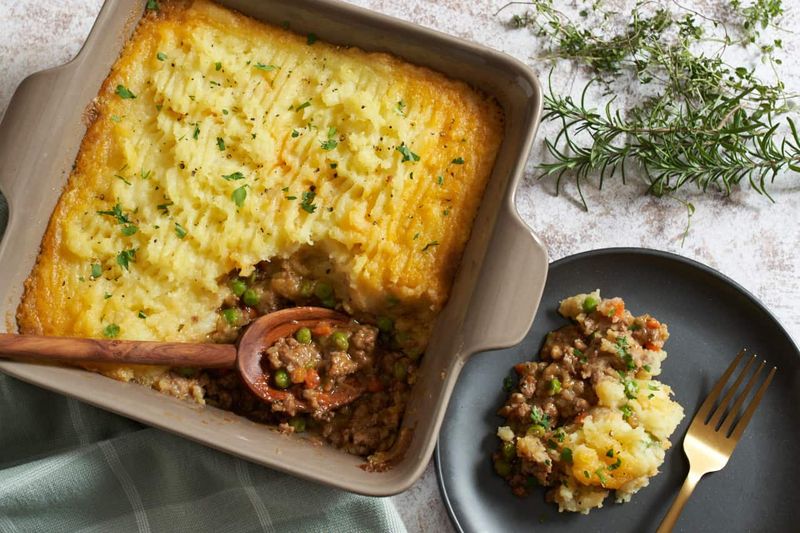
Many restaurants serve "Shepherd's Pie" made with beef, but true culinary sticklers know that's actually Cottage Pie! Authentic Shepherd's Pie must contain lamb (as shepherds tend sheep, not cattle). Both versions feature meat in gravy topped with mashed potatoes and baked until golden. This hearty dish originated as a clever way for frugal housewives to repurpose leftover roast meat.
The potato topping became common after potatoes were accepted as a staple food in the UK during the 1800s.