

Ever ordered something at a restaurant only to be surprised by how small it was? Restaurants often use clever wording to make dishes sound more appealing while serving less food.
Understanding these menu tricks can help you avoid disappointment and make better choices when dining out.
This article is for general information only. Menu terms can vary in meaning depending on the restaurant, region, and culinary style, and portion sizes may differ.
1. Petite
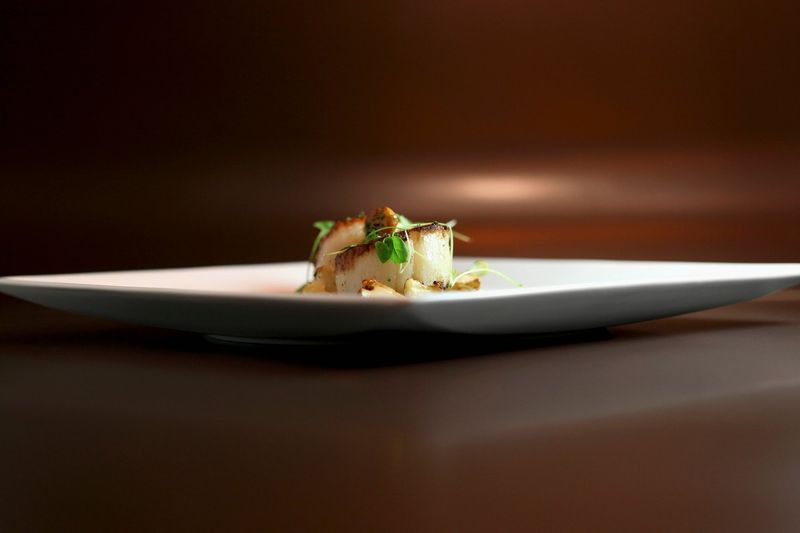
French for "small," this word is a restaurant's elegant way of warning you about portion size. While it might sound fancy and exclusive, your wallet won't feel the difference - you'll still pay nearly full price.
Restaurants often pair this term with premium ingredients to justify the size-to-cost ratio. Don't be fooled by the posh presentation!
2. Tapas
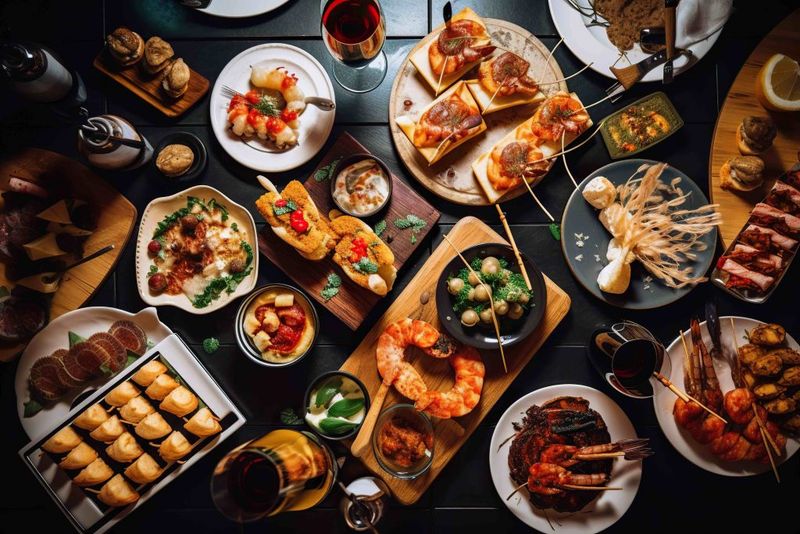
Originally a Spanish concept involving small plates meant for sharing, tapas have been hijacked by trendy establishments worldwide. The authentic tradition involves free small bites with drinks.
Modern restaurants charge premium prices for these tiny portions, encouraging you to order multiple dishes. Your bill grows faster than your satisfaction!
3. Tasting
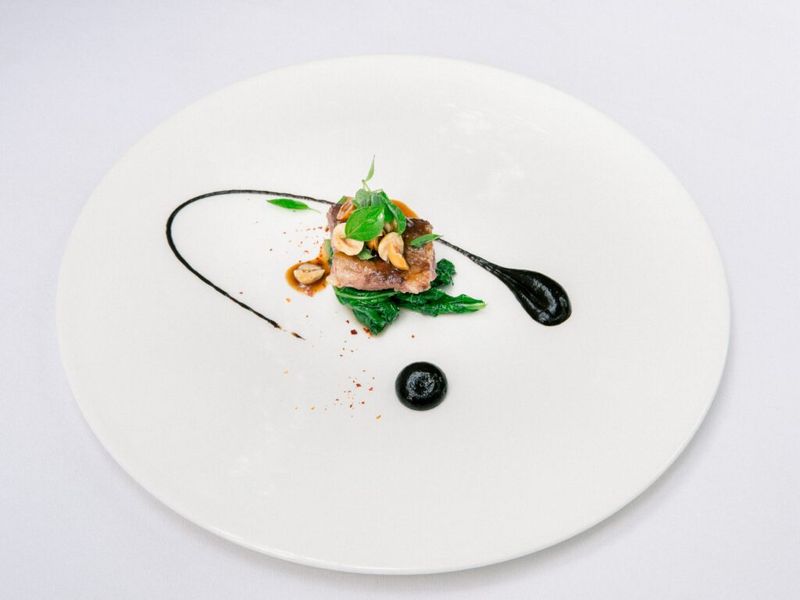
When you see "tasting" on a menu, prepare for microscopic morsels. Chefs claim these tiny portions allow you to experience more flavours without getting full.
What they don't mention is that you'll need several "tastings" to satisfy hunger. Fine dining establishments particularly love this term to justify artistic plating of three bites for twenty quid.
4. Sliders
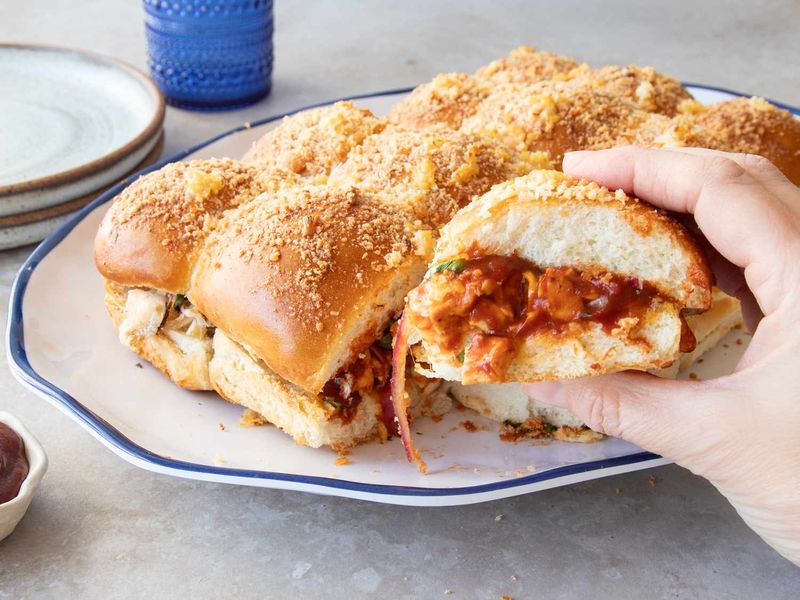
These miniature burgers originated as inexpensive bar food but have transformed into overpriced novelties. Often served in threes, they contain significantly less meat than a standard burger.
The cute presentation distracts from the fact you're paying more per bite. Their small size also means toppings frequently slide off, making them messier than their full-sized counterparts.
5. Appetizer
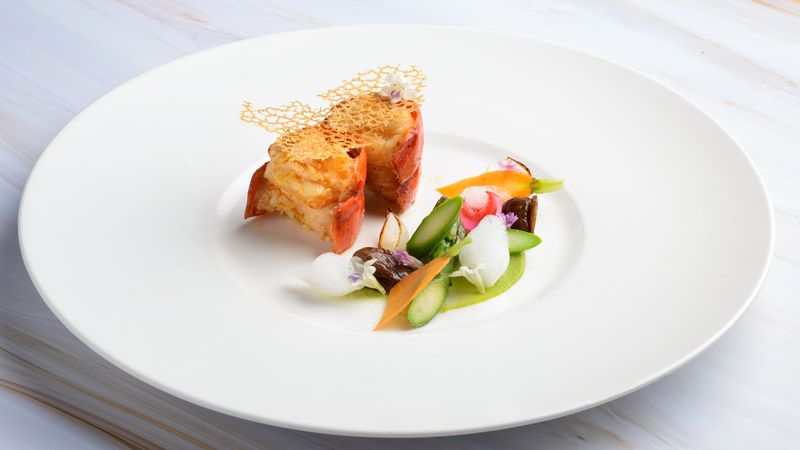
Meant to stimulate your appetite, these starters have evolved into expensive teases. Restaurants know you're hungriest when first seated, making you more likely to splurge on these small plates.
Many appetizers cost nearly as much as main courses while offering a fraction of the food. The worst offenders? Prawn cocktails with five lonely prawns or 'shareable' plates that barely feed one.
6. Mini
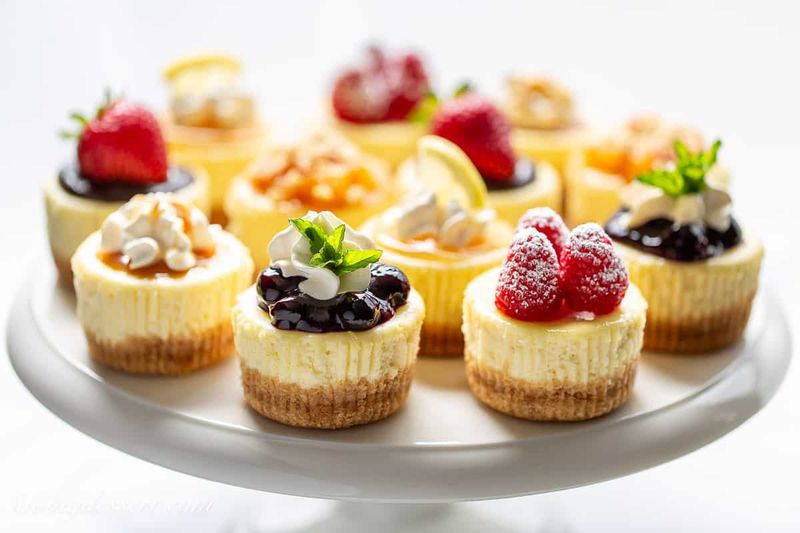
Marketing genius at work! "Mini" sounds cute and portion-controlled, but often means you're getting less than half the regular size for more than half the price.
Dessert menus are the biggest culprits, offering "mini" puddings that disappear in two spoonfuls. The psychological trick works because you feel less guilty ordering something small, even if the value is poor.
7. Sampler
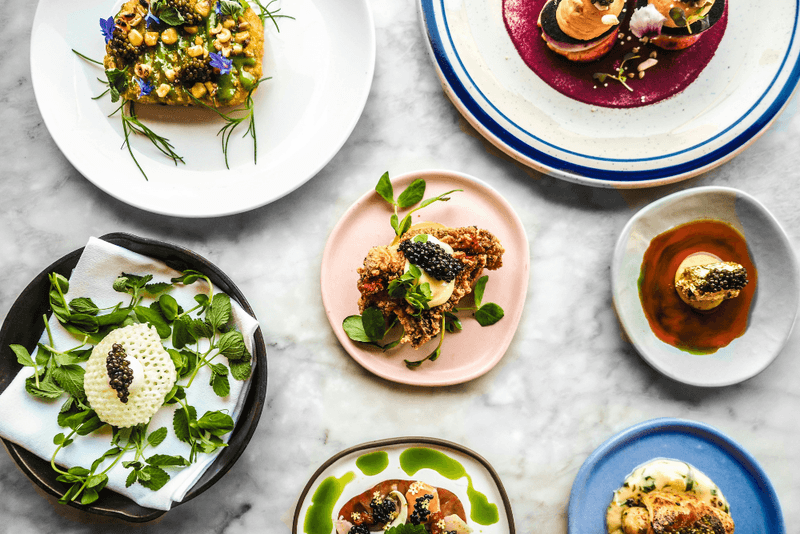
Sounds generous, doesn't it? A chance to try multiple items! In reality, samplers provide minuscule portions of each offering.
Restaurants know the variety distracts from the total quantity. Beer flights, cheese boards, and dessert samplers all follow this formula. You'll leave having "sampled" everything but satisfied by nothing.
8. Bite-Sized
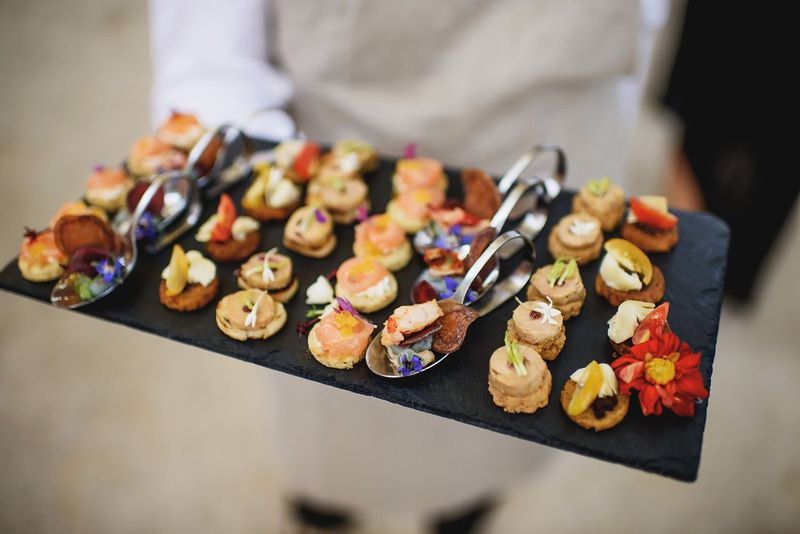
These morsels are literally gone in one bite, yet restaurants charge as if each required significant preparation.
Canapés, amuse-bouches, and "bites" populate many upscale menus. While they showcase culinary creativity, they rarely satisfy hunger. Remember: five bite-sized pieces often cost more than one properly portioned dish.