








Imagine what would happen if meals from the past made a comeback today. With social media and food trends constantly evolving, some classic dishes would undoubtedly go viral in no time. From luxurious vintage meals to quirky retro recipes, these dishes would capture the imagination of food lovers everywhere.
Whether it’s the nostalgia or the unique flavours, these meals would have everyone talking - and sharing their plates online.
This article is for informational and entertaining purposes only. Availability of these meals may vary, and some recipes might be adapted to modern tastes or cooking methods.
1. Mock Turtle Soup
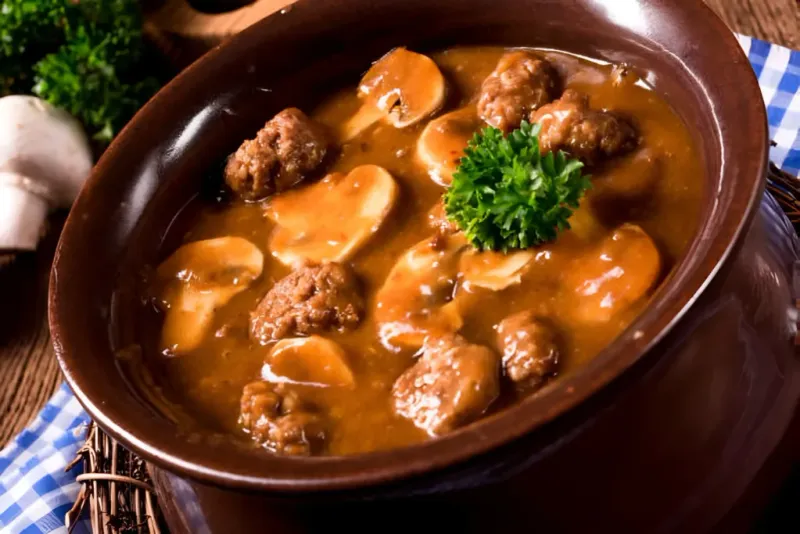
A rich, hearty soup once enjoyed by the upper class, this dish was created as an affordable alternative to the much more expensive real turtle soup. Using cuts like calf’s head, it was simmered with a medley of herbs, vegetables, and spices to recreate the signature texture of turtle meat. Although it gained popularity in the 18th and 19th centuries, it would likely spark curiosity if brought back today.
Mock Turtle Soup remains a fascinating part of culinary history, perfect for those who enjoy exploring vintage recipes.
2. Beef À La Mode
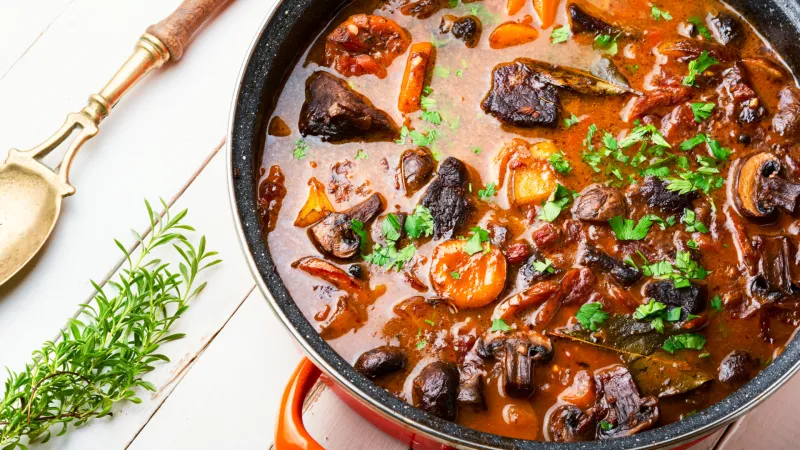
This wasn't ice cream on steak - it was one of the most celebrated braised beef dishes of the 18th and 19th centuries. Large cuts marinated for days in red wine and aromatics before slow-cooking to fork-tender perfection.
The resulting meat practically melted on the tongue, surrounded by a glossy, flavourful sauce. Modern slow-cooker enthusiasts and Sunday roast lovers would queue up to try this Instagram-worthy centrepiece.
3. Turtle Steak
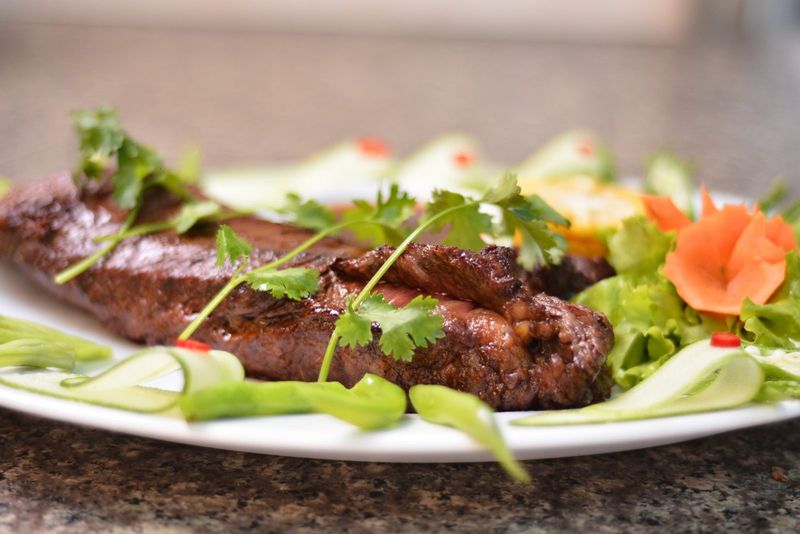
Before conservation efforts, turtle meat appeared regularly on upscale menus across Europe and America. Chefs grilled thick steaks cut from the creature's flippers, praising the tender texture and delicate, slightly fishy taste.
Diners considered it an exotic delicacy worth travelling for. Nowadays, the sheer novelty factor would make this dish explode across TikTok, sparking endless debates about historic eating habits.
4. Lamb's Fry And Bacon
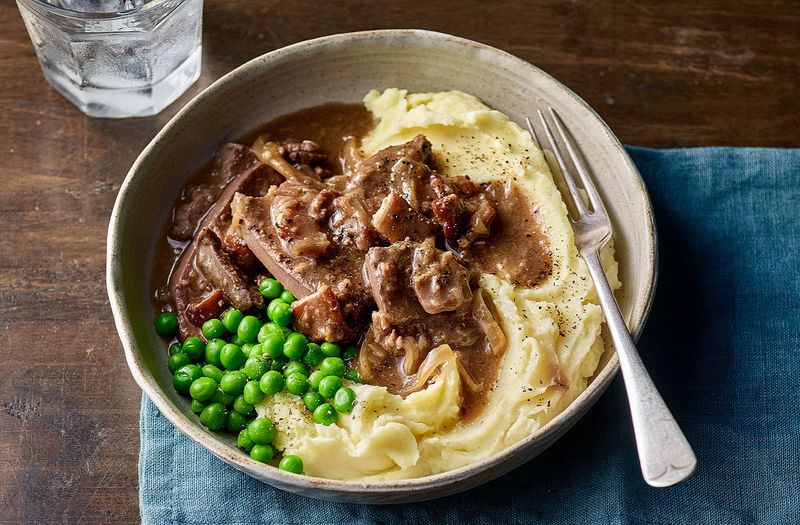
Working-class British families relied on this affordable yet satisfying meal throughout the 19th and early 20th centuries. Lamb's liver, kidneys, and heart were sliced thin, then fried with smoky bacon until crispy at the edges.
Onions added sweetness whilst the bacon fat created incredible flavour. With nose-to-tail eating trending again, this humble dish would resonate with sustainability-minded foodies everywhere.
5. Baked Stuffed Mackerel
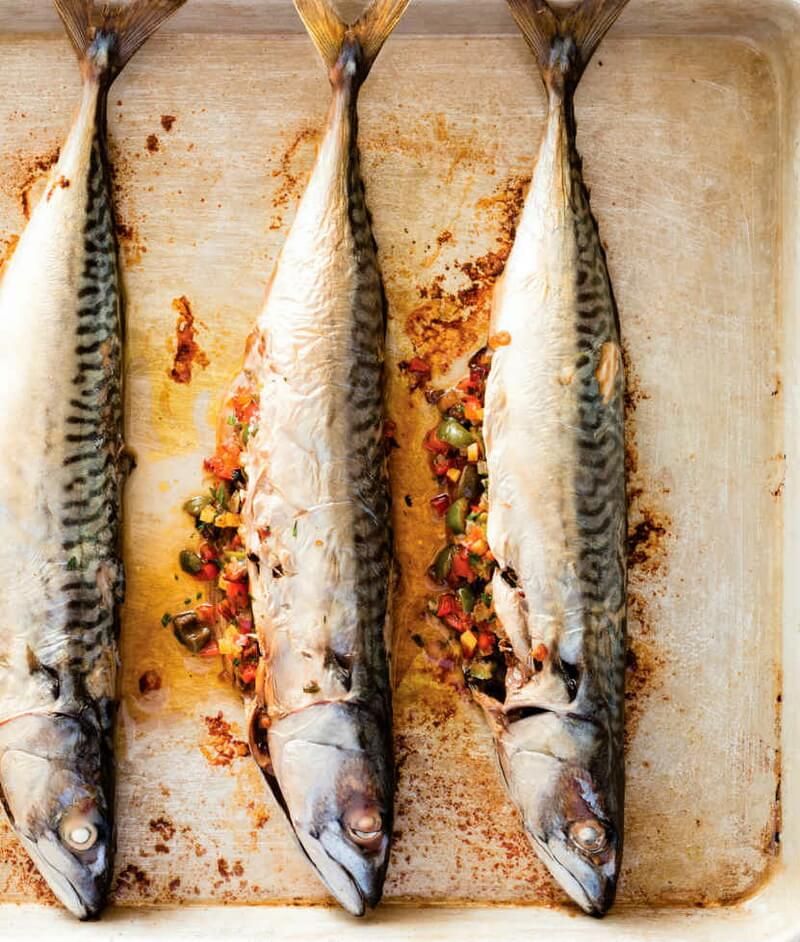
Baked Stuffed Mackerel was a traditional British dish where whole mackerel were stuffed with breadcrumbs, herbs, and sometimes onions before being baked in the oven. The dish offered a delicious combination of flavours, with the oily mackerel complementing the herby stuffing.
It was a simple, yet effective meal for both special occasions and everyday dinners. Today, it’s still appreciated by those seeking more traditional seafood recipes.
6. Salmon En Papillote
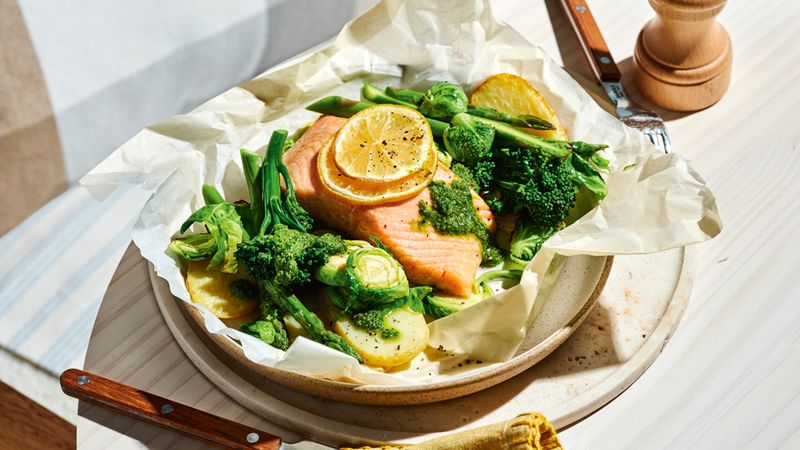
French chefs perfected this technique centuries ago, sealing salmon fillets inside parchment with butter, herbs, and vegetables. When baked, the paper puffed dramatically, creating an aromatic steam bath that kept the fish incredibly moist.
Diners cut open their individual parcels tableside, releasing fragrant clouds. The theatrical presentation and elegant simplicity would make this a guaranteed hit on Instagram Reels.
7. Veal Orloff
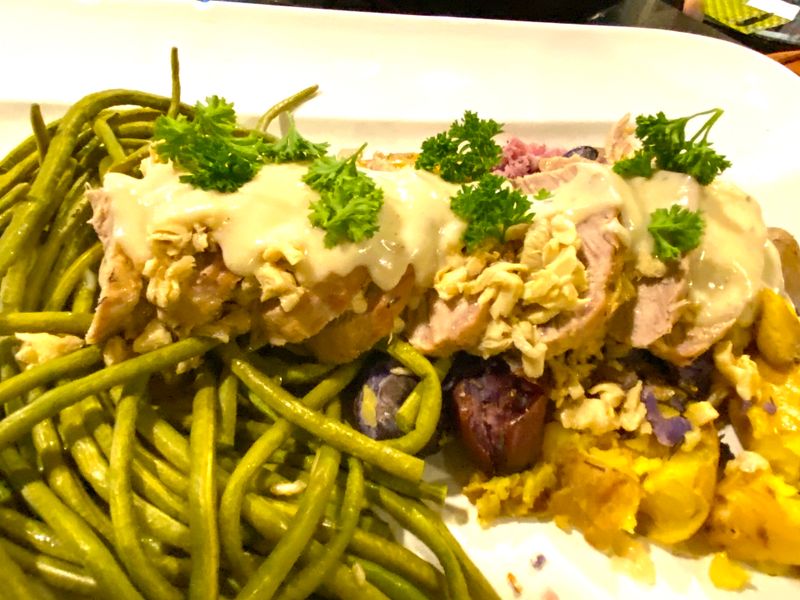
This dish became a favourite at grand banquets, combining delicate veal, layered with mushrooms and onions, and baked in a creamy béchamel and Mornay sauce. Though its origins are debated, it’s often attributed to a French chef and was created for a Russian count in the 19th century. The careful assembly required to create the dish made it a true showstopper for special occasions.
Veal Orloff would undoubtedly make a comeback as a luxury dish for modern-day foodies looking to taste the elegance of classic French cuisine.
8. Pigeon Pie
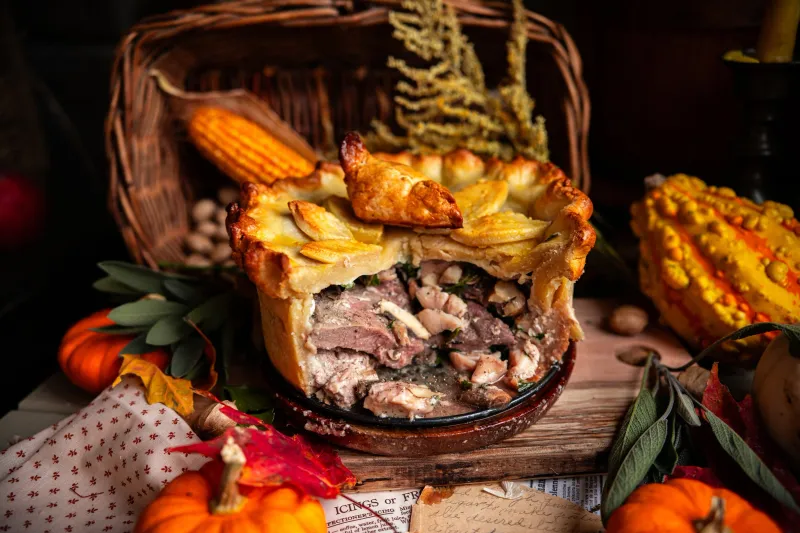
Medieval banquets and Victorian hunting parties both featured this savoury pie filled with whole or halved pigeons. The gamey meat cooked in rich gravy beneath a flaky pastry dome, sometimes with hard-boiled eggs tucked between the birds.
Breaking through that crust to reveal the contents made for memorable dining theatre. Today's cottage-core enthusiasts would obsess over recreating this rustic, romantic dish.
9. Eels In Jelly
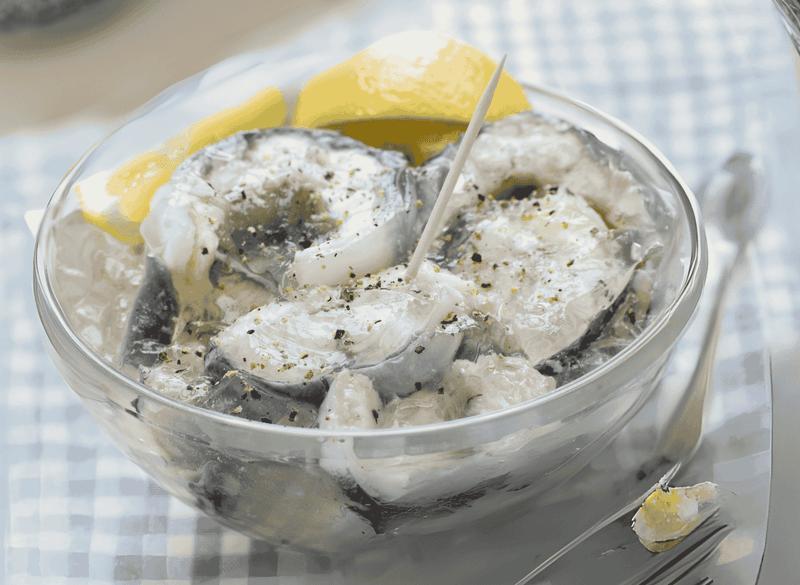
Eels in jelly was a popular dish in the UK during the 18th and 19th centuries, often served as a preserved delicacy. The eels were boiled and set in a gelatinous stock made from the fish, creating a savoury jelly that was both filling and long-lasting.
This dish was particularly common in London, where eel shops would sell it as a street food. While now largely forgotten, it’s a historical dish that could certainly spark curiosity if it made a return.
10. Steak And Kidney Pudding
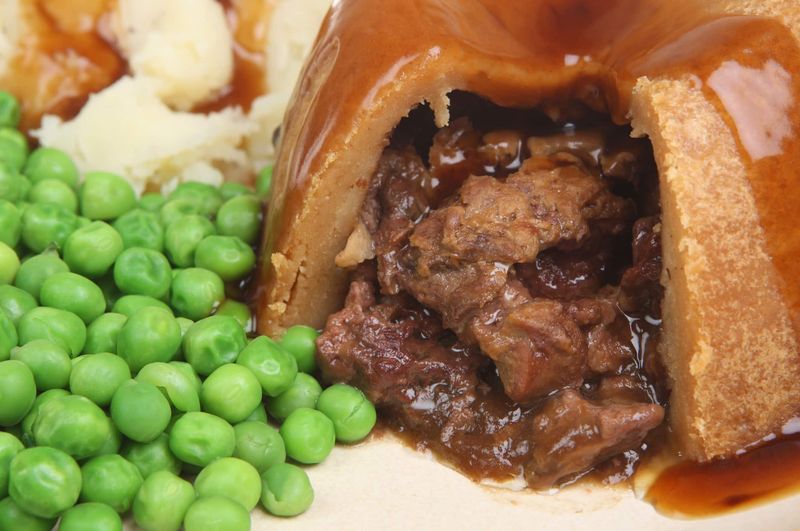
Encased in suet pastry and steamed for hours, this British classic emerged from its basin gloriously tender and swimming in thick, beefy gravy. Victorians adored the contrast between the soft, doughy exterior and rich filling.
Pubs served it piping hot on cold evenings. The dramatic reveal when cutting into the pudding would make perfect slow-motion video content for today's comfort food enthusiasts.
11. Boiled Beef And Carrots
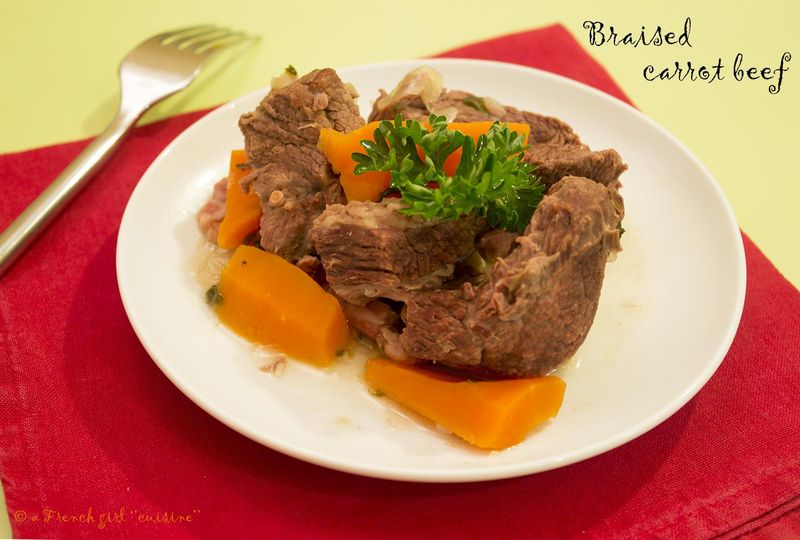
Boiled Beef and Carrots was a classic British dish often served as a simple, hearty meal. The beef is typically slow-cooked to tender perfection, with carrots added for a sweet, savoury contrast. This dish was popular in the early 20th century as a staple family meal, often accompanied by potatoes and gravy.
Though not commonly seen today, it remains a symbol of traditional British home-cooking.
12. Chop Suey
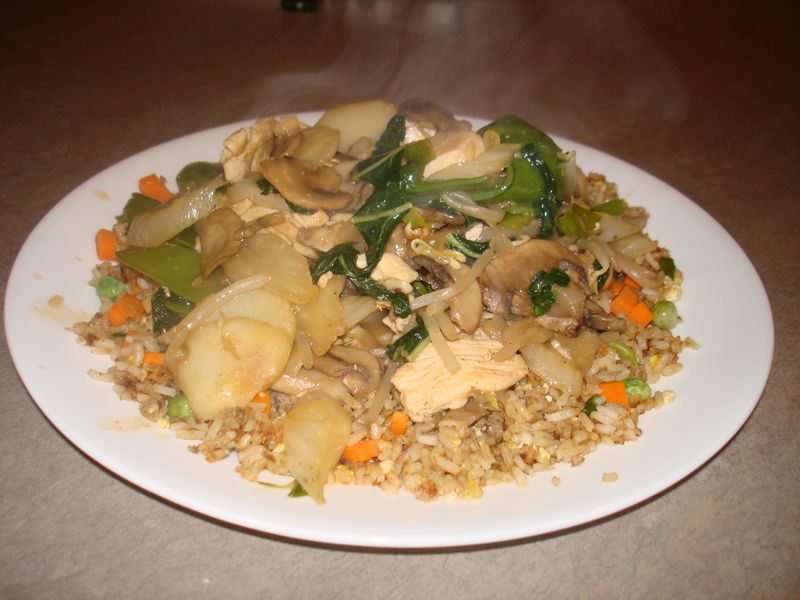
Chop Suey, often believed to be of Chinese origin, was actually popularised in the US and later became a hit in the UK. The dish consists of stir-fried meat (usually chicken or pork) and vegetables, all bound together with a savoury sauce, often served over rice.
It became widely popular in the UK during the 20th century as Chinese food became more accessible. While its authenticity has been debated, its legacy as a beloved comfort food remains.