









It’s a familiar moment – standing in the supermarket aisle, trying to decide between honey and maple syrup. Both are natural sweeteners often seen as healthier options than white sugar, yet they each bring something unique to the table.
From their nutritional make-up to the way they influence your blood sugar levels, there’s more to this choice than just taste. Here’s how these two favourites compare when it comes to health and everyday use.
This article is for general informational purposes only and should not replace professional dietary advice. Individual nutrition needs may vary. Photos are for illustrative purposes only.
Nutritional Breakdown Of Maple Syrup And Honey
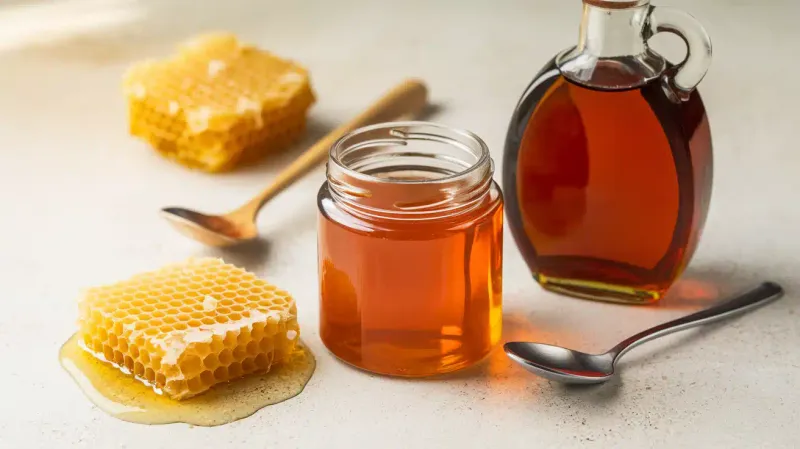
Calorie counters, listen up: a tablespoon of honey packs around 64 calories, whilst maple syrup comes in slightly lighter at roughly 52 calories. That difference might not sound like much, but it adds up if you're drizzling it daily on your porridge.
Honey edges ahead in the carbohydrate department with about 17 grams per tablespoon compared to maple syrup's 13 grams. Neither contains fat or protein, so they're purely energy sources.
What really sets them apart is their sugar composition. Honey is mostly fructose and glucose, whilst maple syrup is primarily sucrose. This affects how your body processes them, which we'll explore further down the list.
The Vitamins And Minerals Hidden Inside
Here's where things get interesting. Maple syrup isn't just sweet – it actually contains a decent amount of manganese, which helps your body process cholesterol and supports bone health. A single tablespoon gives you roughly a quarter of your daily manganese needs.
It also provides small amounts of zinc, calcium, and potassium. Honey brings its own nutritional squad, including trace amounts of riboflavin, niacin, and pantothenic acid.
British nutritionists often point out that whilst these micronutrients are present, you'd need to consume rather large quantities to make a significant nutritional impact. Still, it's nice knowing your sweetener offers more than just empty calories, even if it's modest.
Where Their Natural Sweetness Comes From
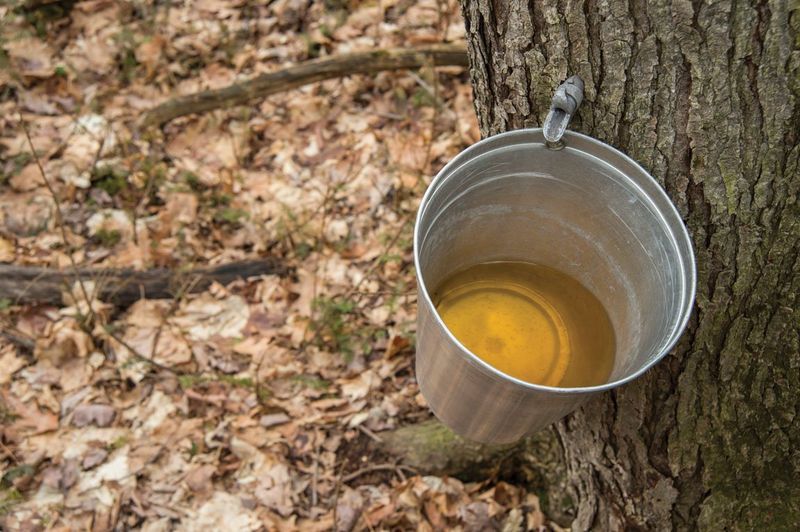
Ever wondered why maple syrup tastes so different from honey? The answer lies in their origins. Maple syrup starts as watery sap collected from sugar maple trees, which is then boiled down until it concentrates into that rich, amber liquid we know and love.
Honey, on the other hand, begins as flower nectar gathered by bees. These industrious insects transform it through enzyme activity and evaporation inside the hive, creating something entirely unique to their environment.
This means honey's flavour changes depending on which flowers the bees visit, from delicate acacia to robust heather. Maple syrup's taste is more consistent, though it does vary by grade and harvest time.
Glycaemic Index And Blood Sugar Impact
If you're watching your blood sugar, this bit matters. Honey typically scores between 55 and 58 on the glycaemic index, whilst pure maple syrup sits around 54. Both are considered medium GI foods, meaning they'll raise your blood sugar more slowly than table sugar.
The difference is marginal, but maple syrup's slightly lower score might give it a tiny edge for those managing diabetes or insulin sensitivity. That said, doctors and nutritionists emphasise that portion control matters far more than these small variations.
Neither sweetener is a free pass for unlimited consumption. Both still impact blood glucose levels, so moderation remains key regardless of which one you prefer.
Antioxidants And Health Perks
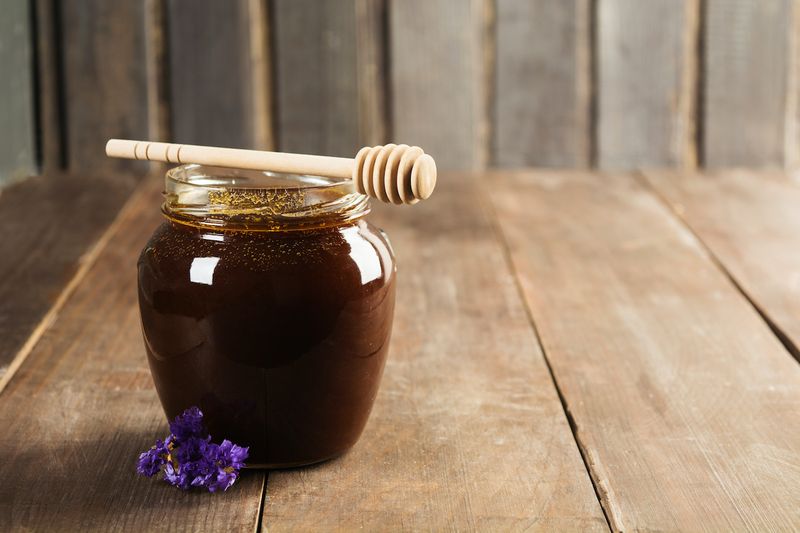
Antioxidants are the body's defence team against cell damage, and both sweeteners bring some to the table. Darker honey varieties, like buckwheat or manuka, pack impressive antioxidant levels that rival some fruits and vegetables.
Maple syrup contains unique compounds called polyphenols, which research suggests may have anti-inflammatory properties. The darker the grade, the more antioxidants it typically contains.
Raw, unpasteurised honey also offers antibacterial properties, which is why it's been used in wound care for centuries. Whilst these benefits exist, registered nutritionists remind us that you shouldn't rely on sweeteners as your primary antioxidant source when vegetables and berries do the job far better.
Allergies, Sensitivities, And Who Should Avoid Them
Safety first: never give honey to babies under 12 months old. It can contain botulism spores that their immature digestive systems can't handle, potentially causing serious illness. Maple syrup doesn't carry this risk, making it the safer choice for little ones.
Some people experience allergic reactions to honey, especially if they're sensitive to pollen or bee stings. Symptoms can range from mild itching to more severe responses requiring medical attention.
Maple syrup allergies are exceptionally rare but not impossible. Both sweeteners are unsuitable for anyone following a strict low-sugar or ketogenic diet. If you're diabetic, always consult your GP or diabetes nurse before making dietary changes.
Best Ways To Use Them In Everyday Cooking
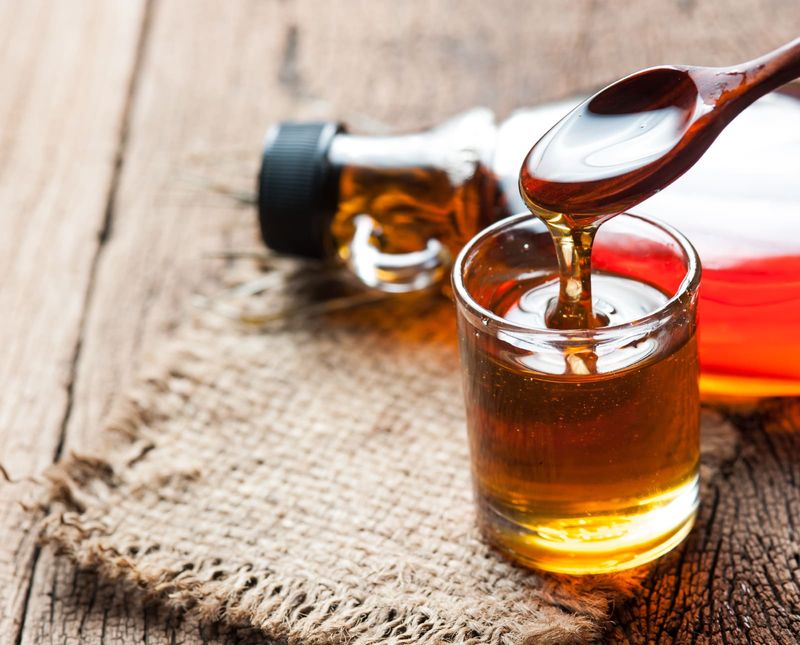
Maple syrup shines in breakfast situations – think pancakes, waffles, and porridge – where its distinct flavour adds character without overpowering. It's also brilliant in marinades for roasted vegetables or glazes for British bangers.
Honey works beautifully in tea, spread on toast, or stirred into natural yoghurt. Its floral notes complement cheese boards wonderfully, particularly with a sharp cheddar or creamy brie.
For baking, honey adds moisture and helps cakes stay fresh longer, whilst maple syrup works well in flapjacks and granola. Remember that honey is sweeter than maple syrup, so you'll need less of it when substituting in recipes. Both lose some nutritional value when heated extensively.
The Verdict: Choosing The Right Sweetener For You
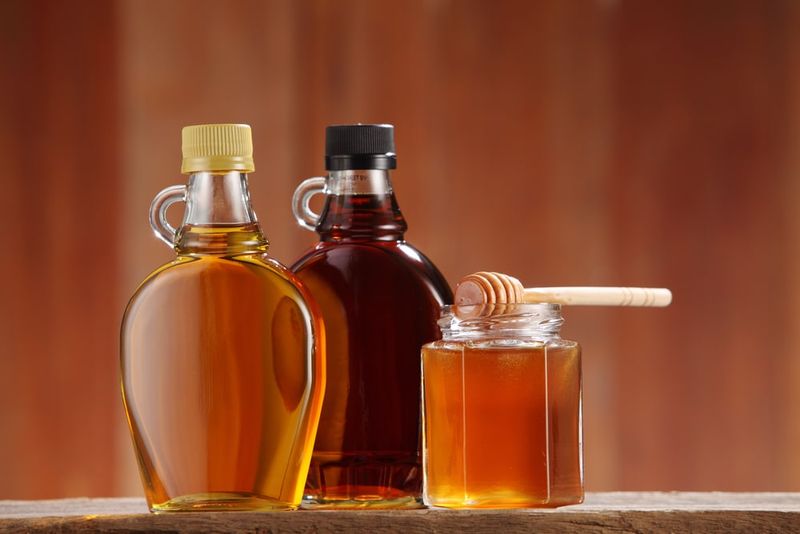
So which one wins? Honestly, it's a draw. Maple syrup edges slightly ahead for lower calories and a marginally better glycaemic response, whilst honey offers superior antioxidants, especially in darker varieties.
Your choice should depend on personal taste preferences, how you plan to use it, and any dietary restrictions. Parents with young children should stick with maple syrup, whilst those seeking antibacterial properties might prefer raw honey.
The real takeaway? Both are better than refined sugar, but neither is a health food. Use whichever you enjoy in moderation, and don't overthink it. Your overall diet matters far more than which sticky sweetener you drizzle on your morning toast.