


Some food brands have managed to stay on shop shelves for generations, adapting to changing tastes while keeping their familiar identity. These brands often hold a special place in households, blending nostalgia with reliability. Looking at their history shows how they’ve remained part of daily life for so long.
This content is for general information only. Product availability and brand offerings may vary depending on location and retailer.
1. Heinz
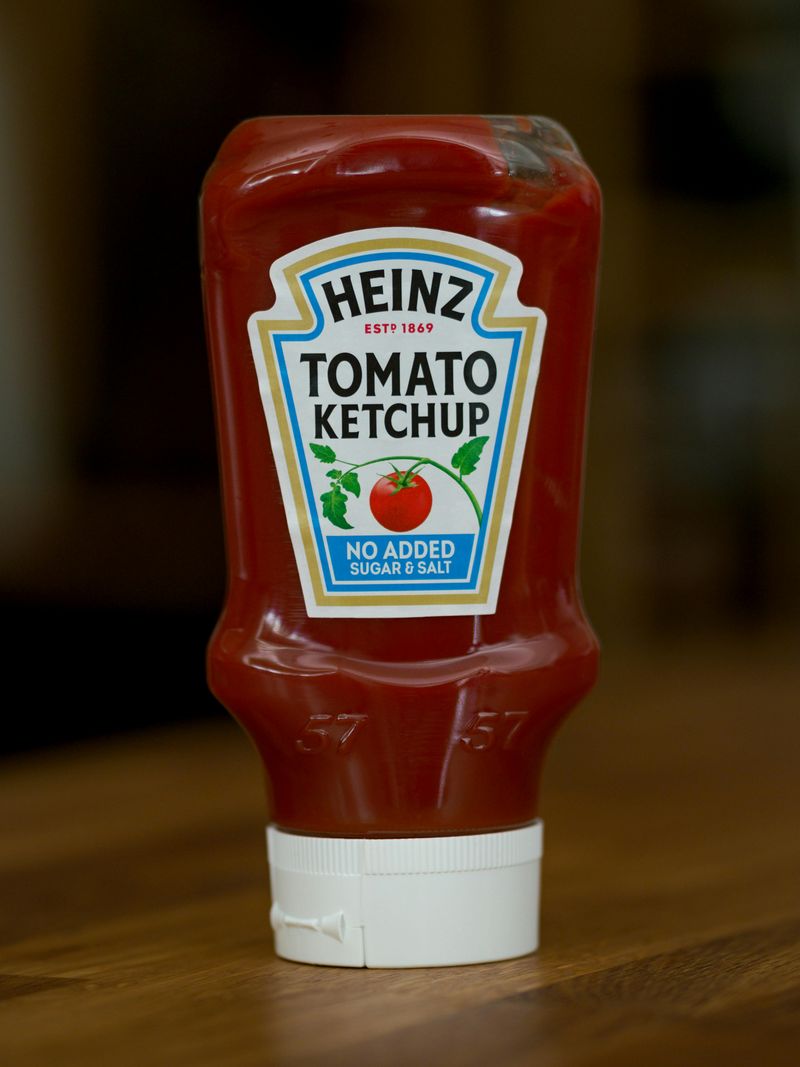
Henry J. Heinz started selling horseradish in clear bottles – unlike competitors who used dark bottles to hide inferior products. This approach to packaging became a signature of the brand and distinguished it from competitors.
The famous "57 varieties" slogan was born when Heinz spotted an advertisement for "21 styles of shoes" and liked the concept, despite already producing over 60 products at the time.
2. Kellogg's
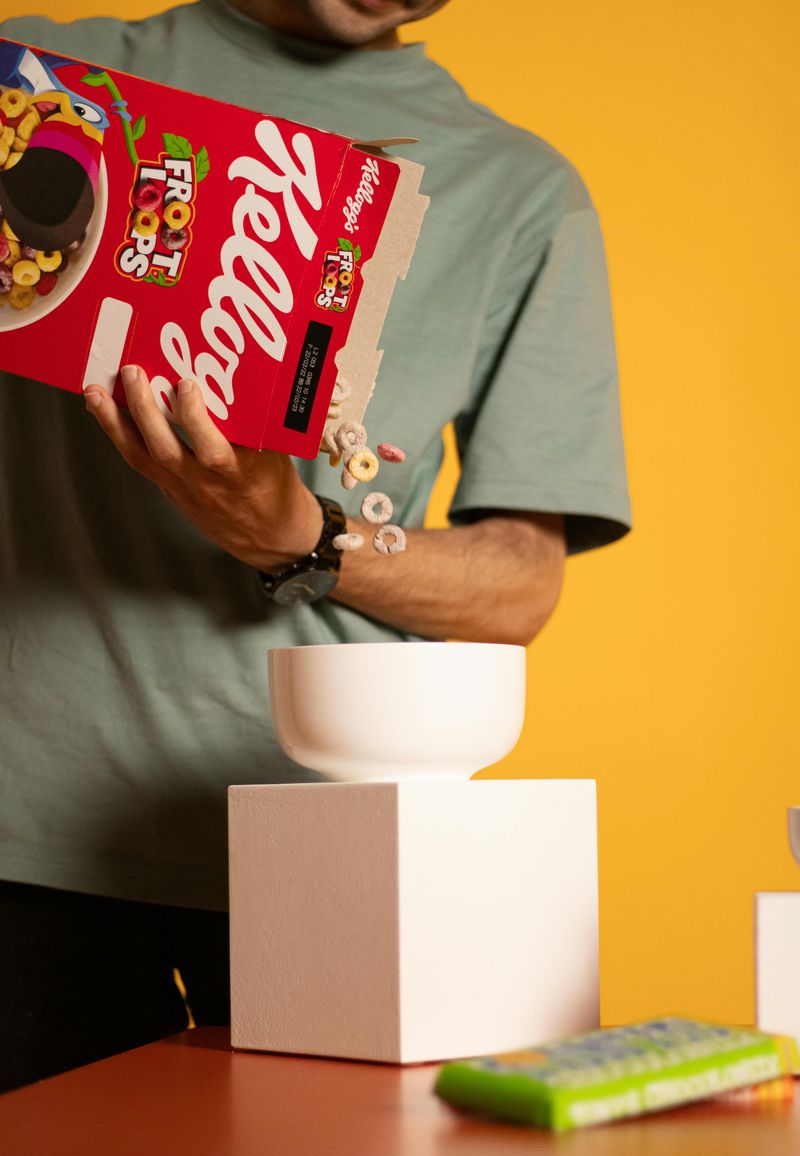
The Kellogg brothers accidentally invented flaked cereal when some cooked wheat was left out and went stale. Rather than bin it, they processed it through rollers, creating the first cereal flakes.
Will Kellogg built the company while his brother John preferred to focus on their health sanitarium. Corn Flakes, first introduced in 1906, remain a core product in the Kellogg’s range.
3. Coca-Cola
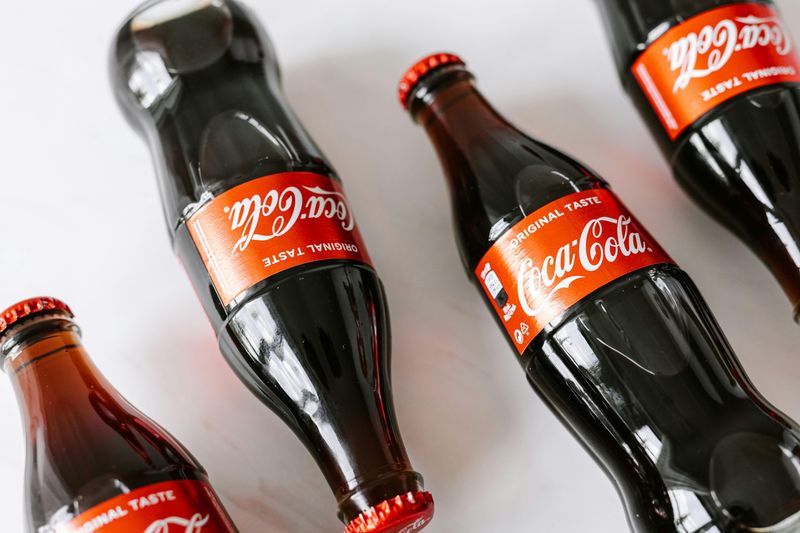
Pharmacist John Pemberton created Coca-Cola as a medicinal syrup claiming to cure various ailments. The distinctive contour bottle, introduced in 1915, was designed to be recognisable even in the dark or when broken.
During WWII, Coca-Cola ensured American soldiers could get a bottle for 5 cents regardless of where they served, this marketing approach helped strengthen the brand’s association with American identity.
4. Lyle’s Golden Syrup
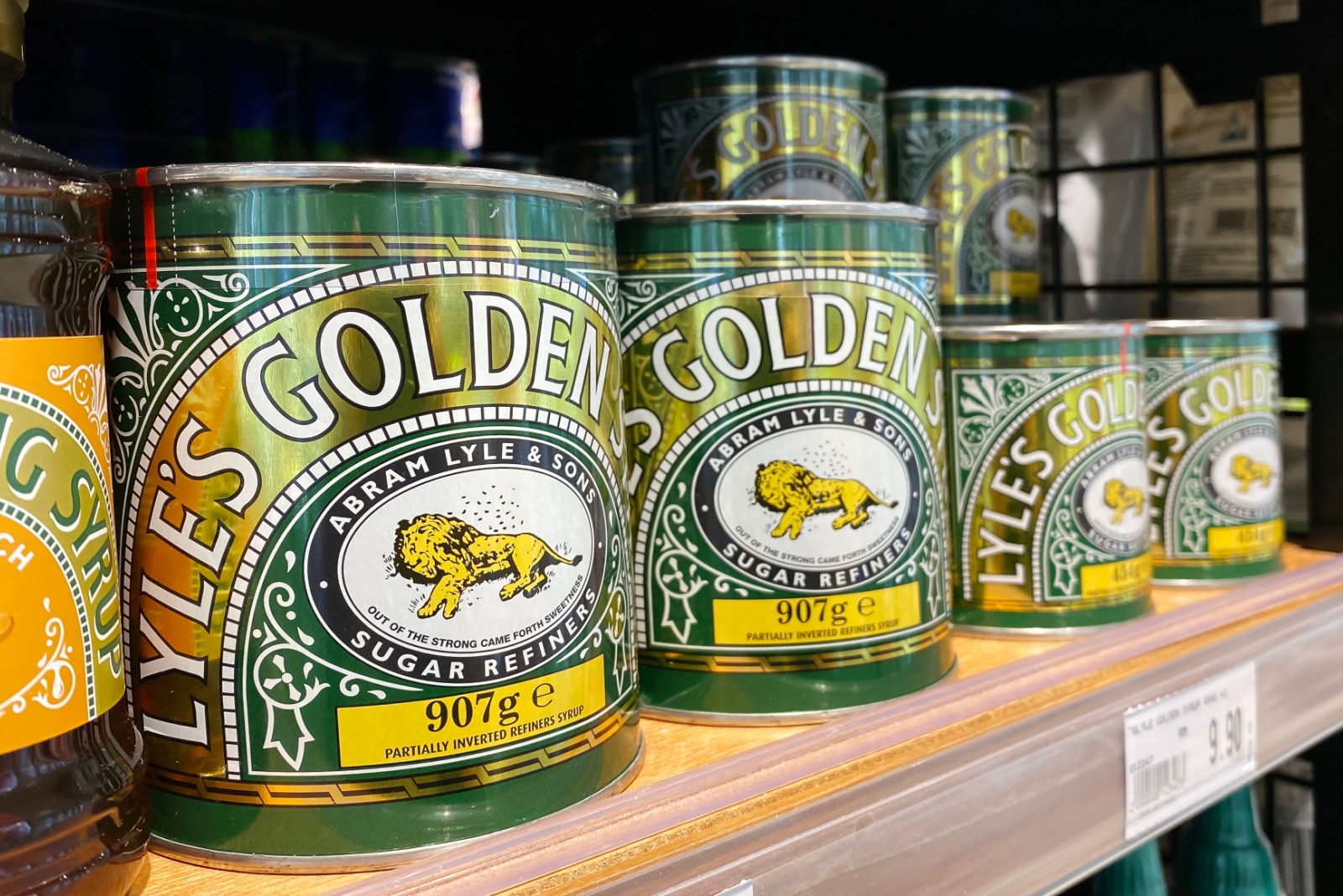
Abram Lyle, a Scottish businessman, discovered that a by-product of sugar refining could be turned into syrup. The green and gold tin features a lion carcass surrounded by bees, a reference to the biblical phrase "Out of the strong came forth sweetness".
Guinness World Records recognises it as Britain’s oldest unchanged brand packaging.
5. Marmite
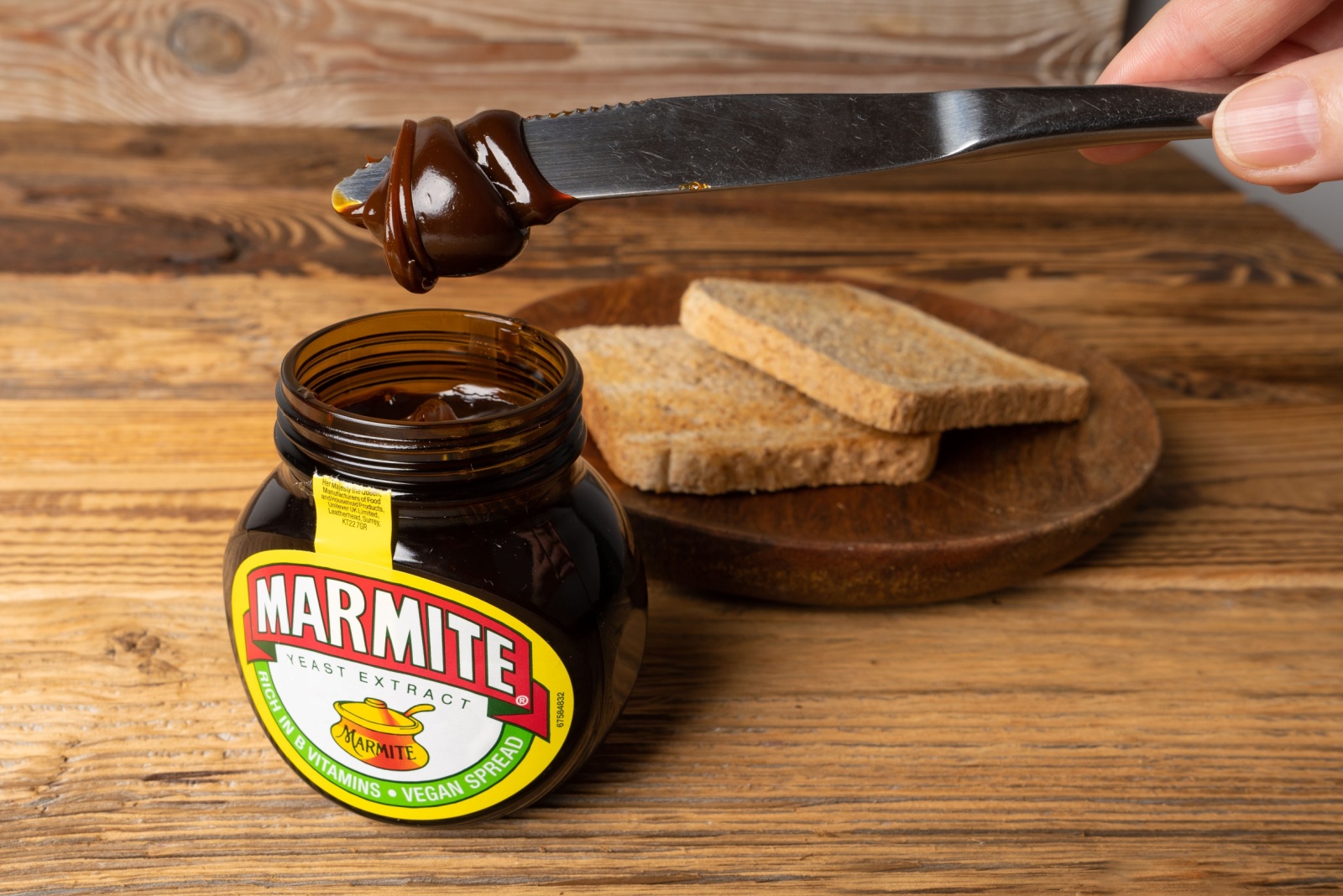
Marmite began as a happy accident when German scientist Justus von Liebig discovered brewers' yeast could be concentrated and eaten.
The distinctive pot shape was originally a French casserole dish (marmite in French) that the manufacturer happened to have on hand.
6. HP Sauce
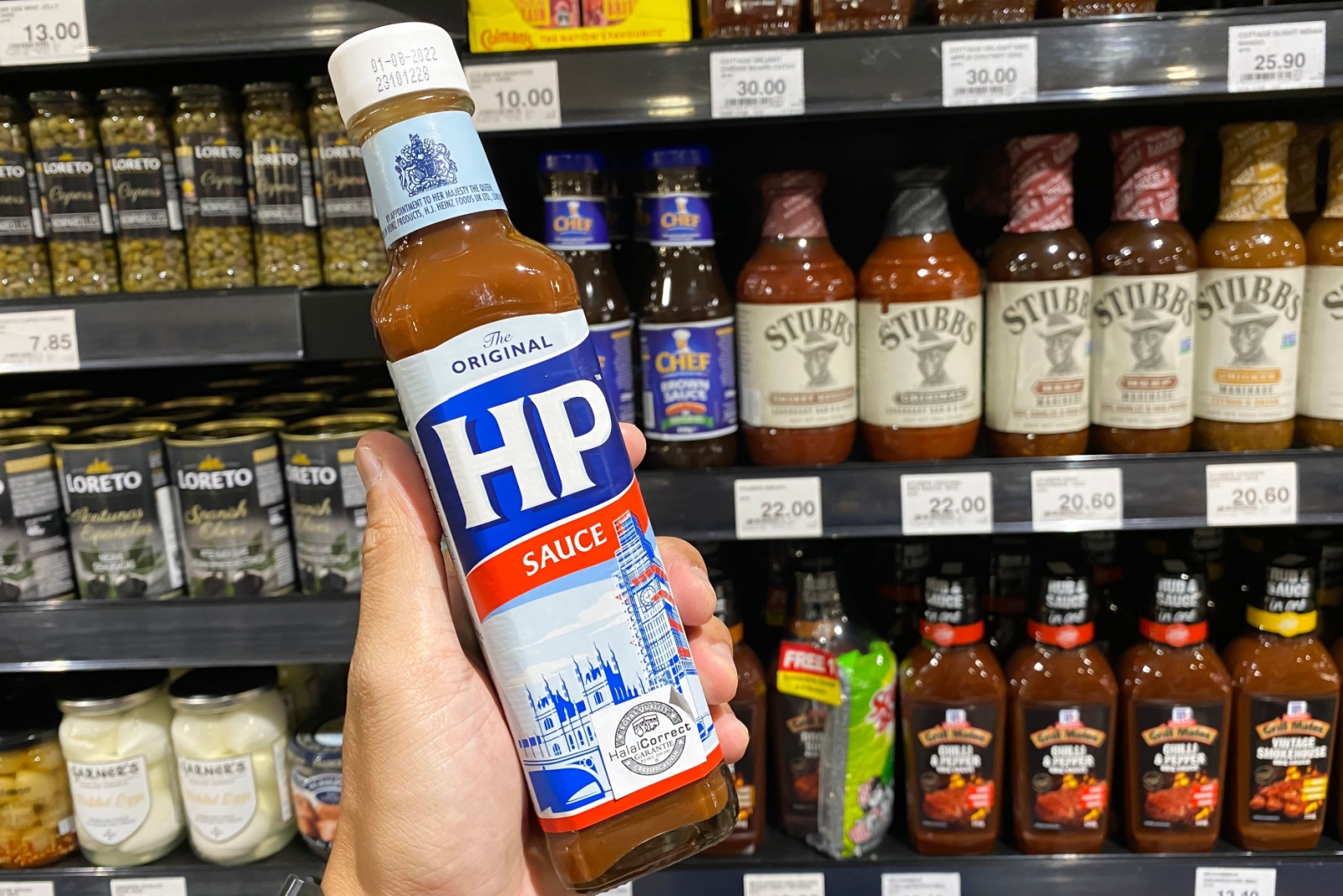
Frederick Gibson Garton, a Nottingham grocer, registered the name H.P. Sauce after learning it was served in the Houses of Parliament. Its iconic label continues to feature the Palace of Westminster.
The recipe is made with tomatoes, molasses, dates, tamarind extract, and a closely guarded blend of spices.
7. Nestlé
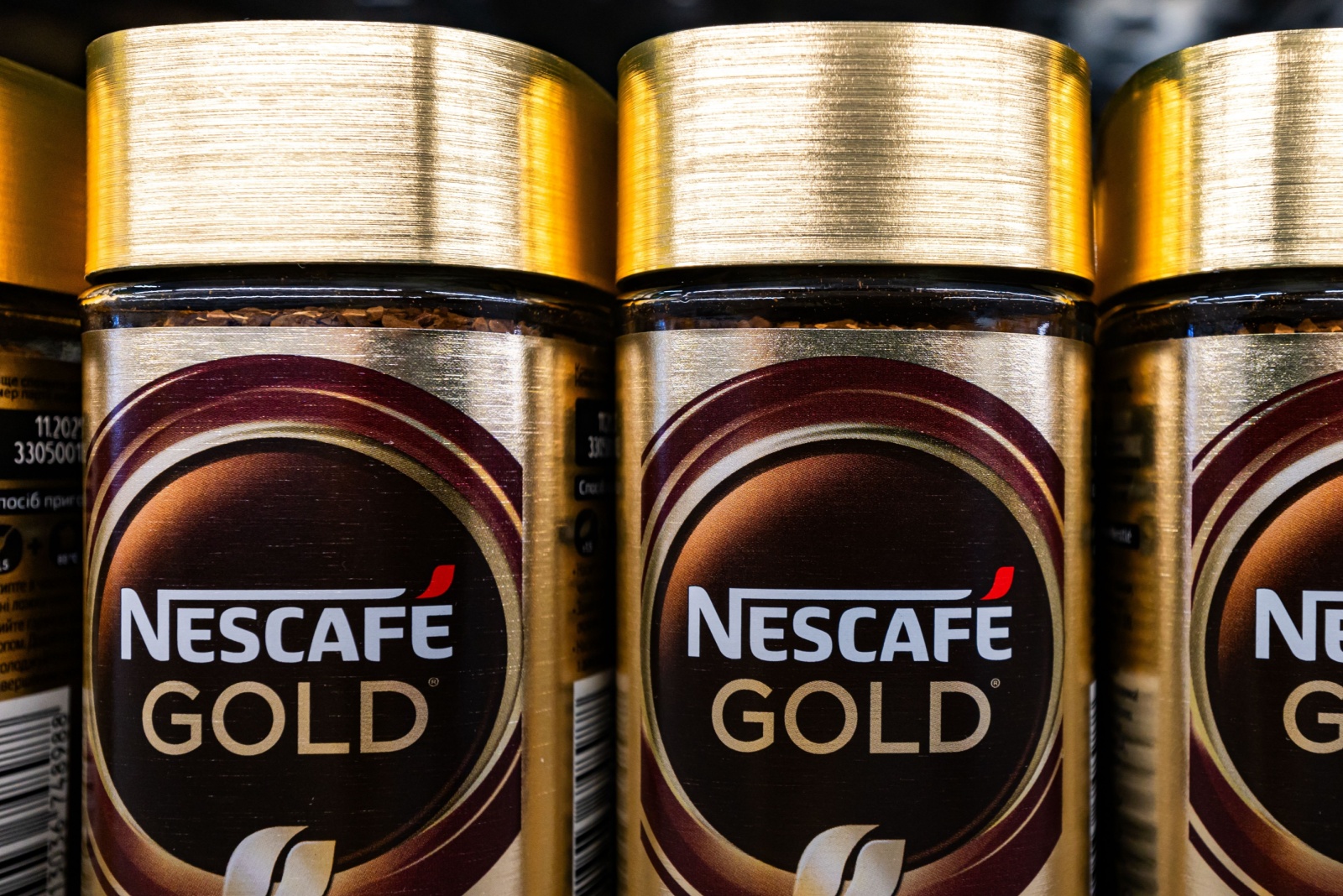
Henri Nestlé, a pharmacist, developed a life-saving infant formula for babies unable to breastfeed. His innovation combined cow's milk, wheat flour and sugar – saving the life of a premature infant who couldn't tolerate his mother's milk or other alternatives.
The nest logo was designed to symbolise nourishment and security.
8. Cadbury
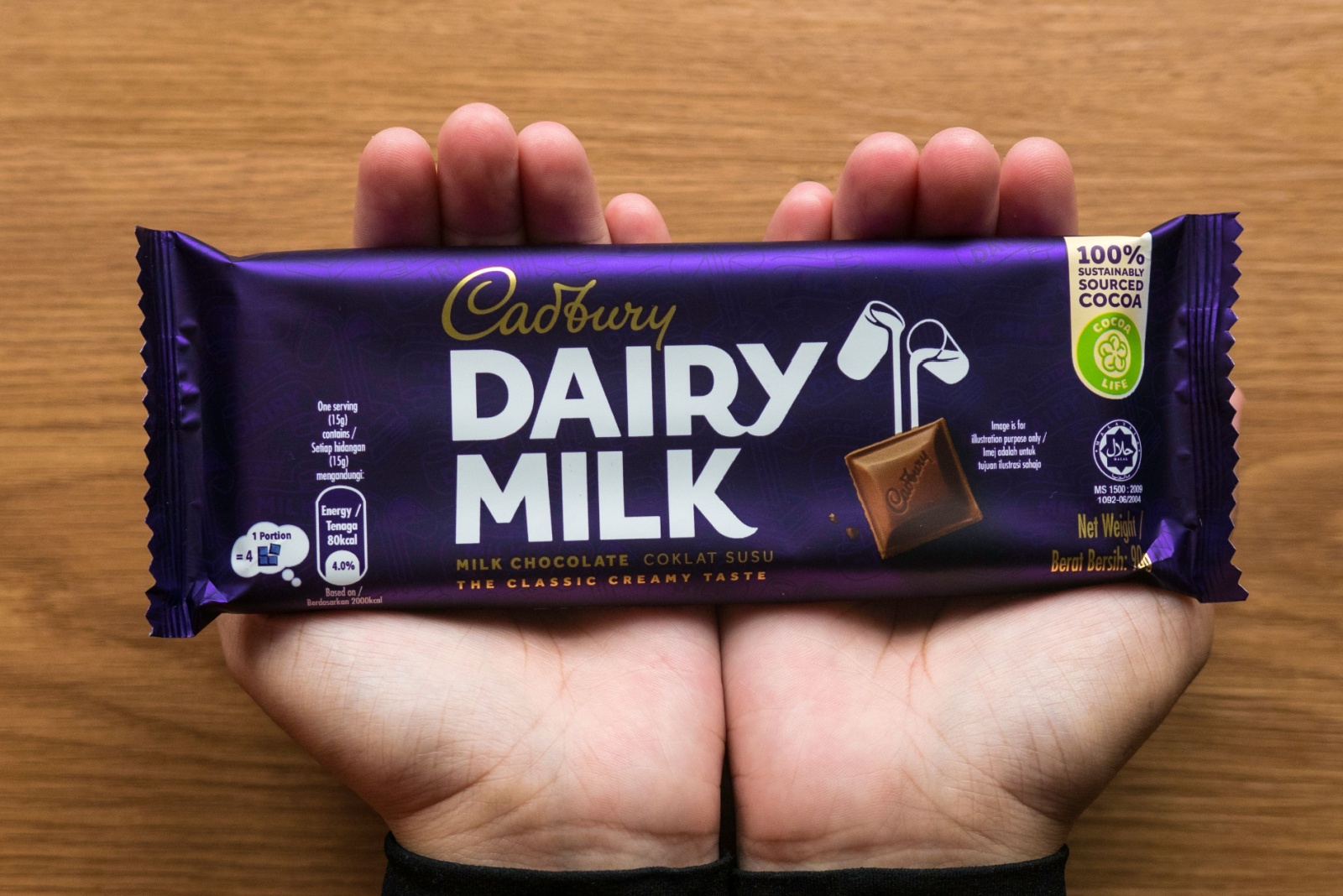
John Cadbury opened a grocer's shop in Birmingham selling cocoa and drinking chocolate, which he believed were healthier alternatives to alcohol. His sons later expanded the business, creating the iconic Dairy Milk bar in 1905.
The Bournville village, built around the Cadbury factory, provided housing and amenities for workers, reflecting the company’s focus on employee welfare.