



Some British dishes sit quietly in the background while the same familiar favourites get all the love, yet many of these overlooked classics are full of charm. I’ve bumped into a few of them over the years and always wondered why they never enjoy the same spotlight as pies, roasts or puddings.
If you're curious to find out which hidden gems are worth bringing back to the table, you’re in the right place.
This content is for general informational purposes only and reflects common food traditions rather than nutritional or dietary guidance. Images are for illustrative purposes only.
1. Panackelty
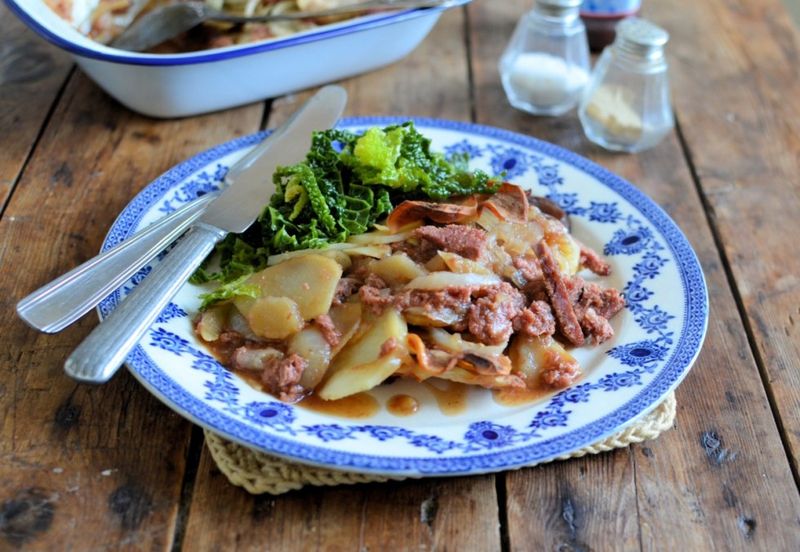
Originating from the coalfields of North East England, this working-class marvel transforms humble ingredients into comfort food gold. Layers of potatoes, onions, and whatever meat you have on hand bake slowly until tender and golden.
Miners' wives created this one-pot wonder because it could simmer all day whilst they worked. The beauty lies in its simplicity - no fancy techniques required, just patience and good seasoning for a meal that warms you from the inside out.
2. Bedfordshire Clanger
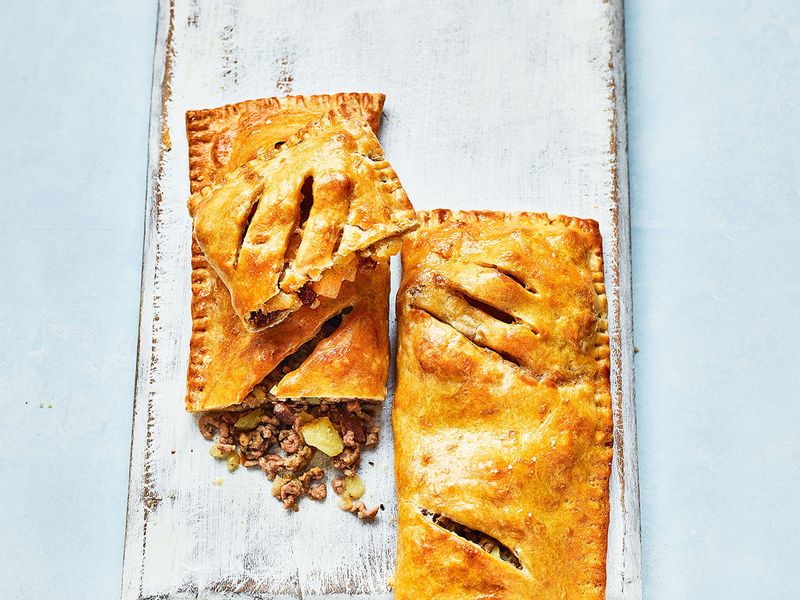
Imagine carrying your entire meal - main course and pudding - in one portable pastry parcel. Farm labourers in Bedfordshire invented this genius solution centuries ago, wrapping savoury meat at one end and sweet jam or fruit at the other in suet pastry.
No plates, no fuss, just pure practicality wrapped in deliciousness. The suet crust keeps everything moist and flavourful, making it the original packed lunch that puts modern meal prep to shame with its clever two-in-one design.
3. Butter Pie
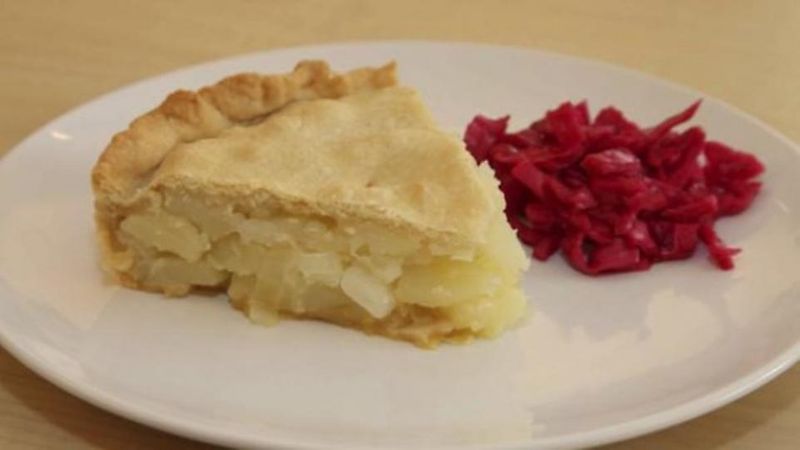
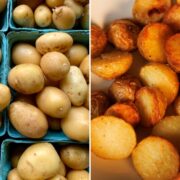
Catholics in Lancashire needed meatless Friday meals, so they created this buttery masterpiece using only potatoes, onions, and generous amounts of butter between flaky pastry layers. What started as religious necessity became a beloved regional speciality.
The secret lies in proper seasoning and not skimping on the butter, which creates a rich, creamy sauce as it bakes. Simple ingredients shine when treated with respect, proving that vegetarian food was satisfying long before it became trendy.
4. Fidget Pie
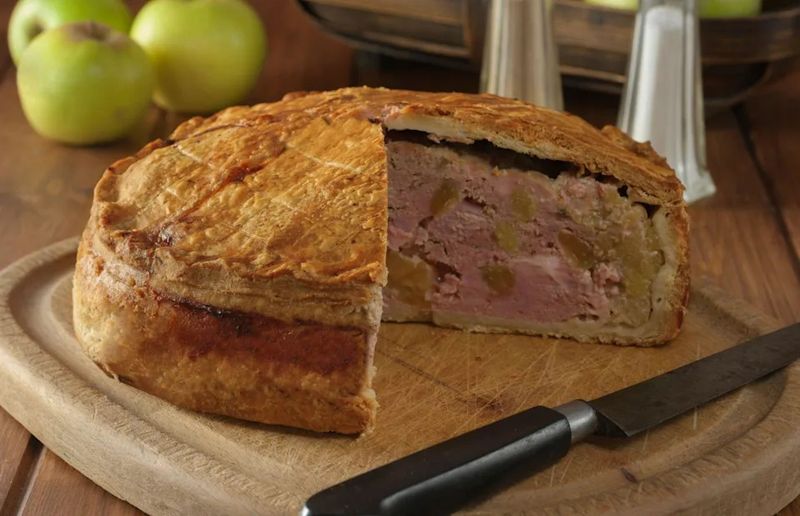
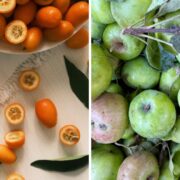
Don't let the quirky name fool you - this Shropshire harvest-time pie combines bacon, apples, onions, and potatoes in surprising harmony. Farmers needed portable, filling meals during long days in the fields, and this sweet-savoury combination provided lasting energy.
The apples add natural sweetness that balances the salty bacon perfectly. Some say the name comes from "fitchett" (polecat) or "five-sided," but whatever its origins, this forgotten gem deserves rediscovery for its bold flavour contrasts.
5. Glamorgan Sausages
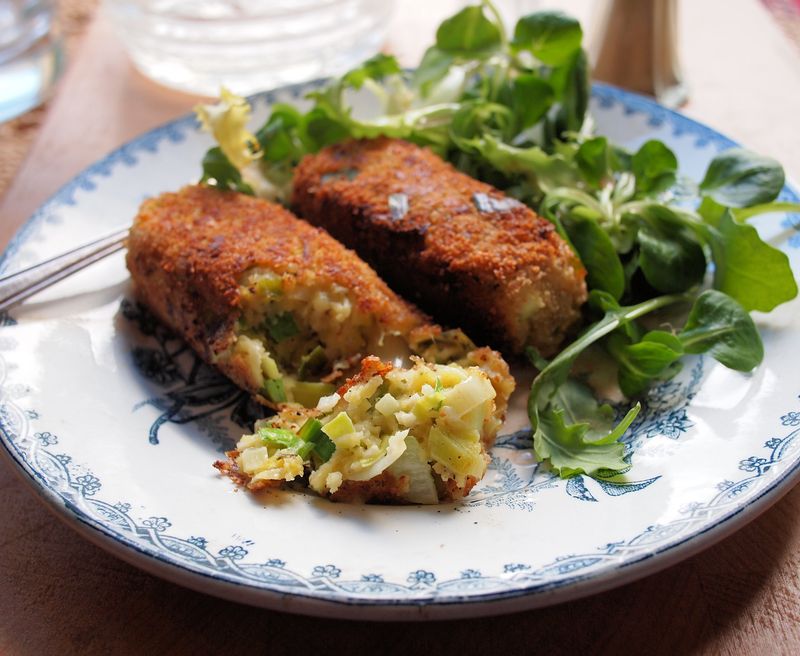
Wales gave us these meat-free wonders long before plant-based eating became fashionable. Caerphilly cheese, leeks, and breadcrumbs form crispy golden logs that satisfy even dedicated carnivores with their savoury richness.
Originally made when meat was scarce or expensive, they've remained popular because they're genuinely delicious, not just substitutes. The cheese melts slightly inside the crunchy coating, creating textural magic that proves vegetables and dairy can absolutely steal the show without any meat whatsoever.
6. Staffordshire Oatcakes
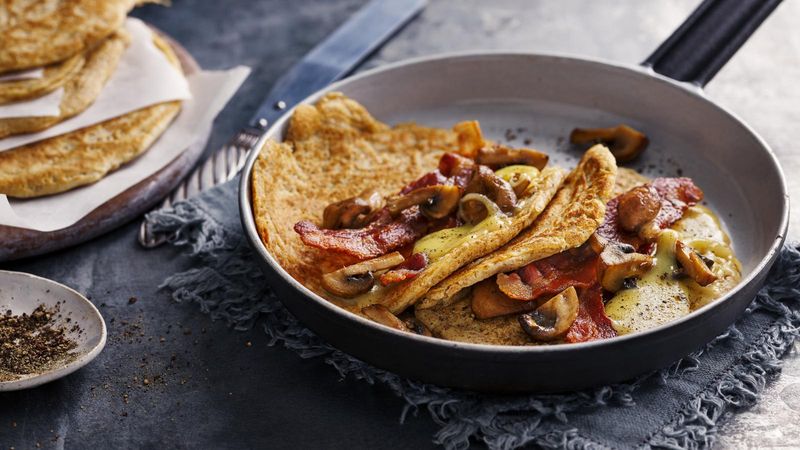
Think pancakes met oatmeal and had a Midlands baby. These soft, pliable flatbreads have fed Staffordshire pottery workers since the 18th century, providing cheap, filling fuel for demanding physical labour.
Made from oats, flour, yeast, and milk, they're cooked on a griddle until covered in little holes. Locals fill them with bacon, cheese, or sausage for breakfast, creating the ultimate handheld morning feast. Specialist shops still sell them fresh daily throughout the region.
7. Stargazy Pie
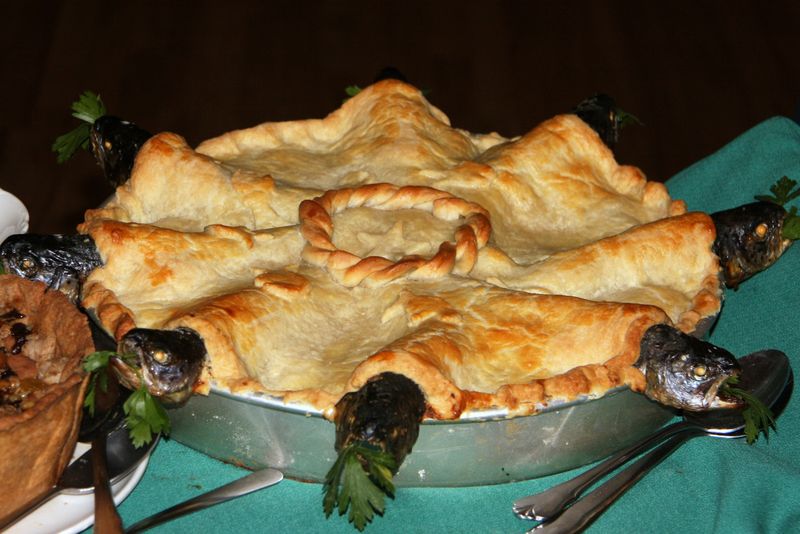
Perhaps Britain's most visually dramatic dish, this Cornish creation features whole pilchards with heads bursting through the pastry, gazing skyward. Legend credits fisherman Tom Bawcock, who braved stormy seas to save his village from starvation, bringing back enough fish for everyone.
The exposed heads aren't just theatrical - they allow oils to drain back into the pie, enriching the filling of eggs, potatoes, and fish. Mousehole village still celebrates Tom Bawcock's Eve annually with this spectacular centrepiece.
8. Cullen Skink
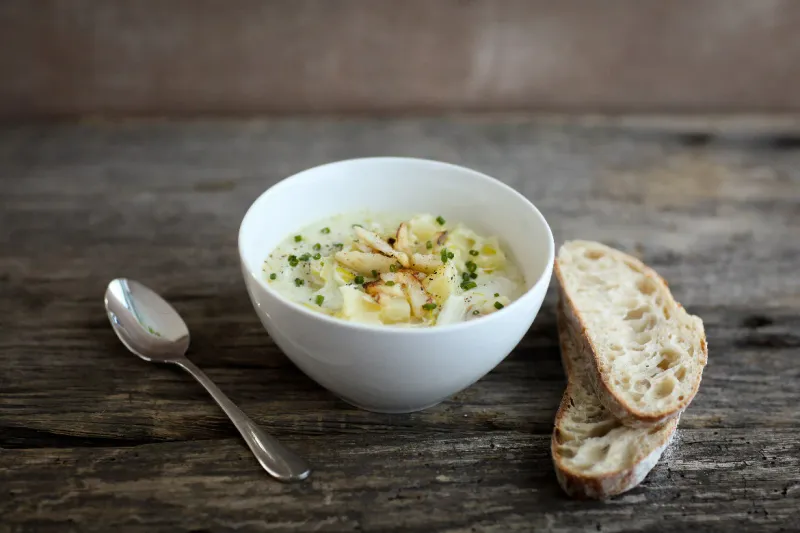
This velvety Scottish soup from the fishing village of Cullen turns smoked haddock, potatoes, and onions into liquid comfort. "Skink" simply means soup or stew in Scots, but there's nothing simple about the depth of flavour here.
The smoked fish infuses the creamy broth with smoky richness, whilst potatoes provide body and substance. Coastal communities have relied on this warming bowl for generations, proving that a few quality ingredients handled properly create something far greater than their parts.