









It’s amazing how many little habits sneak into our kitchen routines without us realising the trouble they can cause. From shortcuts that seem harmless to cleaning mistakes we don’t think twice about, some habits could be quietly affecting our health or ruining our cookware. A few small changes can make your kitchen a much safer and more efficient place to cook.
This content is for general informational purposes only and should not replace professional health or safety advice. Always follow food hygiene guidelines and manufacturer instructions for cookware and appliances. Photos are for illustrative purposes only.
1. Using The Same Cutting Board For Everything
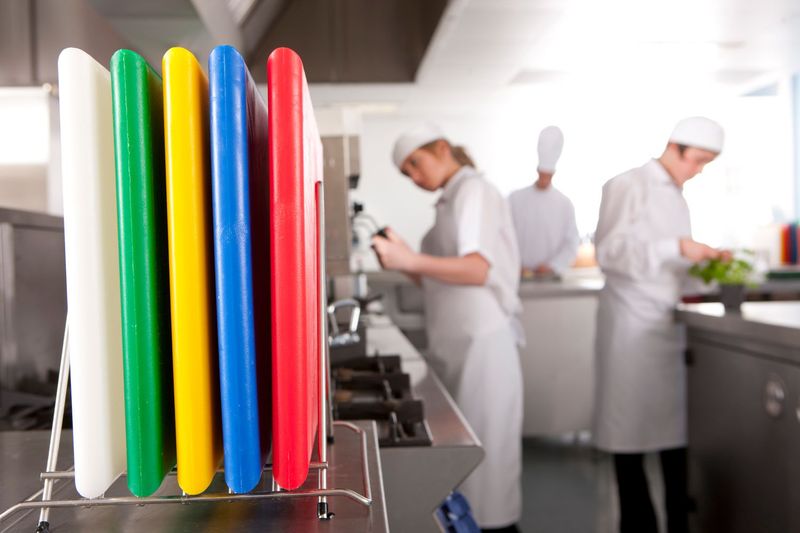
Raw meat carries bacteria like salmonella and E. coli that can easily transfer to fresh produce when you use one board for everything. Cross-contamination happens faster than you think, even if you rinse the board between uses.
Keeping separate boards for meat and vegetables is a simple step that dramatically reduces your risk of foodborne illness. Colour-coded boards make it even easier to remember which is which every time you cook.
2. Washing Raw Chicken Before Cooking
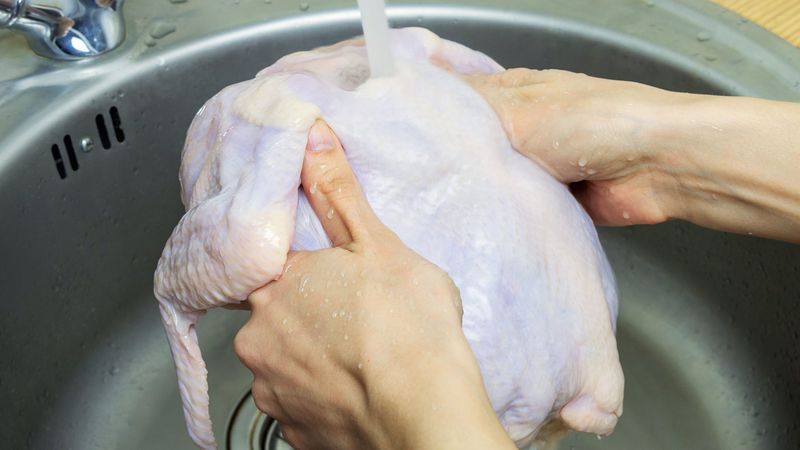
Rinsing chicken might seem like good hygiene, but it actually spreads harmful bacteria all over your sink, countertops, and nearby utensils through tiny water droplets. These invisible splashes can contaminate surfaces up to a metre away.
Cooking chicken to the proper temperature kills all bacteria without needing a rinse first. Skip the wash and save yourself from accidentally spreading germs throughout your entire kitchen space.
3. Leaving Leftovers Out Too Long
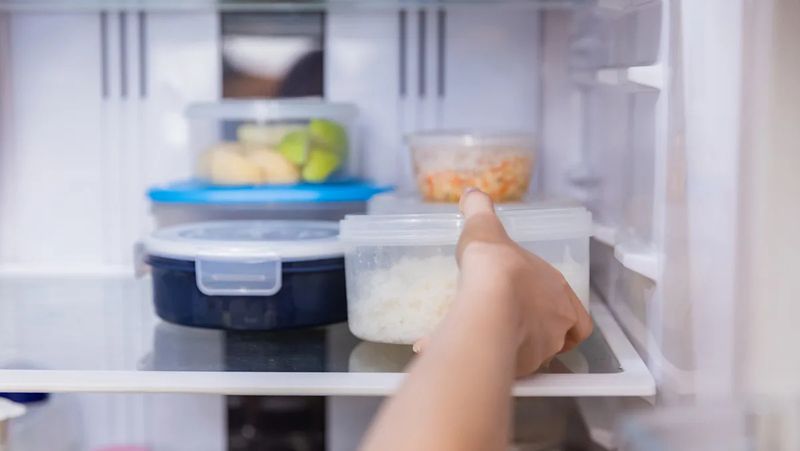
Bacteria multiply incredibly fast at room temperature, doubling in number every twenty minutes once food enters the danger zone between 5°C and 60°C. Leaving your dinner out for just a few hours can turn a delicious meal into a health hazard.
Refrigerate leftovers within two hours of cooking to keep them safe. When the weather is warm, that window shrinks to just one hour before bacteria growth becomes a serious concern.
4. Reusing Old Cooking Oil Too Many Times
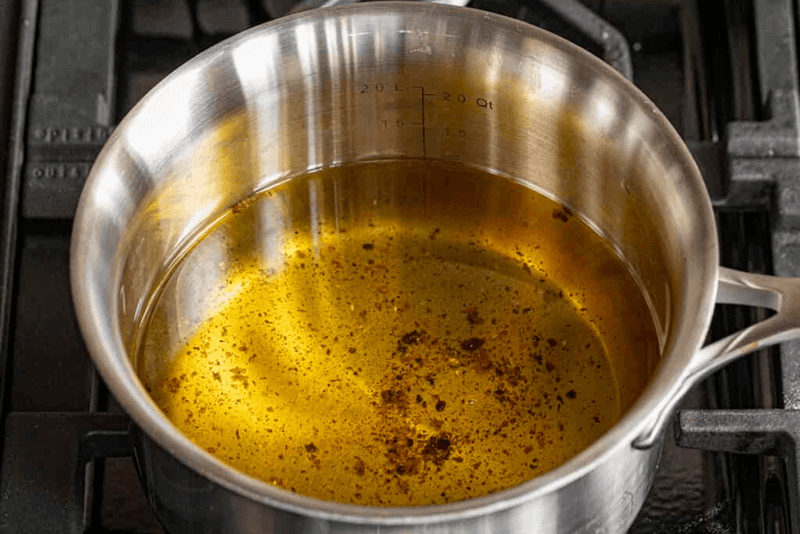
Every time you heat oil, its chemical structure breaks down and creates harmful compounds that can affect your health over time. Old oil also develops off-flavours and a lower smoke point, which means it burns more easily.
Watch for signs like dark colour, thick texture, or a rancid smell, which all indicate the oil has gone bad. Most oils should only be reused two or three times maximum before being replaced.
5. Ignoring Expiry Dates On Pantry Staples
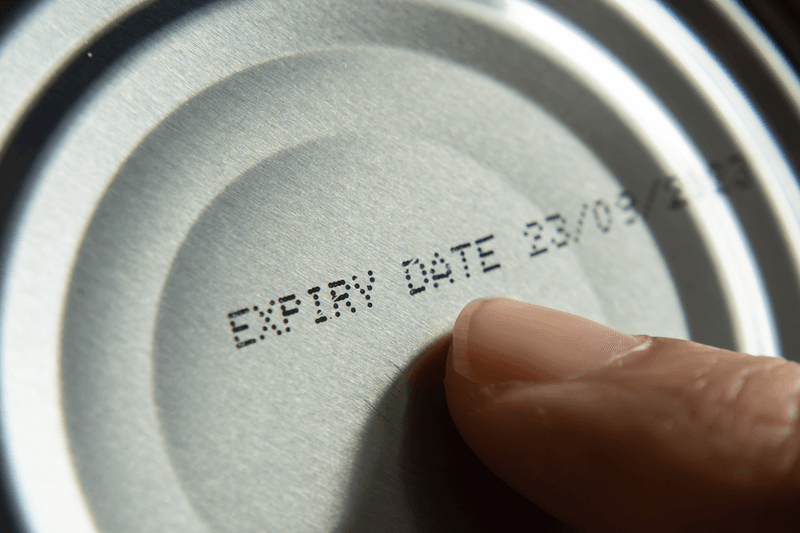
Flour, spices, and baking powder don't last forever, even though they sit quietly in your cupboard for years. Old flour can develop rancid oils, whilst expired baking powder loses its leavening power, ruining your baked goods.
Spices past their prime won't make you ill, but they lose flavour and nutritional value, making your meals taste flat. Check dates regularly and replace items that have been sitting around too long for better cooking results.
6. Overcrowding The Pan While Cooking
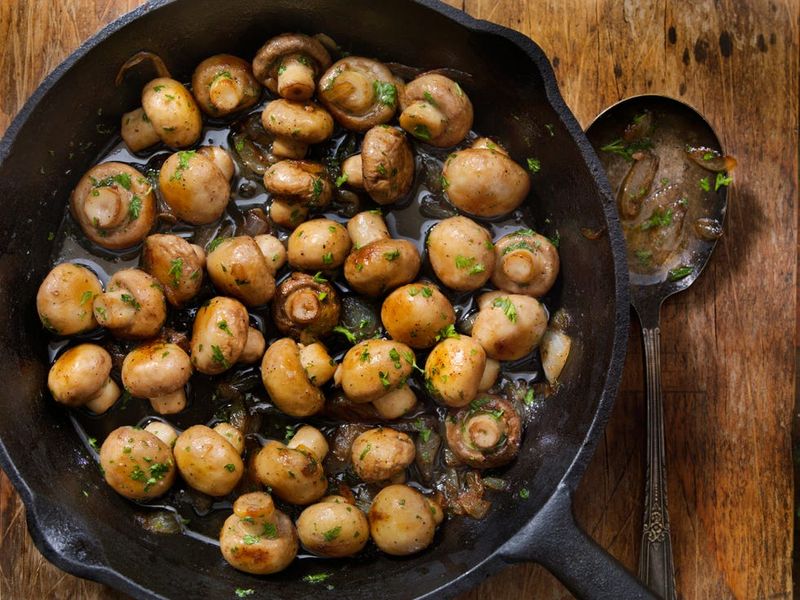
When you pack too much food into one pan, the temperature drops quickly and ingredients release moisture faster than it can evaporate. Instead of getting a nice golden sear, everything ends up steaming and turning soggy.
Give your food breathing room by cooking in batches if needed. Proper spacing allows heat to circulate evenly, creating that delicious caramelised crust and locking in flavour that makes home-cooked meals truly satisfying.
7. Using Metal Utensils On Non-Stick Pans
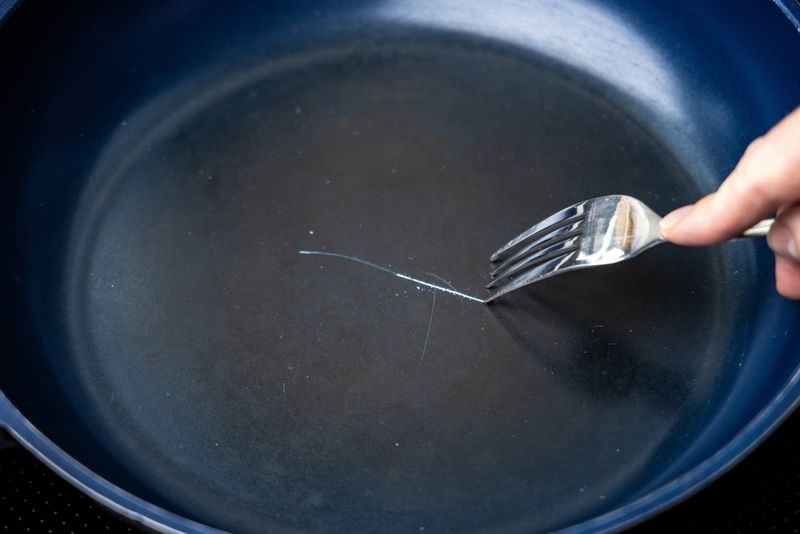
Metal spoons and spatulas can easily scratch the delicate non-stick coating, causing it to flake off into your food over time. Once damaged, these pans lose their non-stick properties and may release chemicals you definitely don't want to eat.
Switch to wooden, silicone, or plastic utensils to protect your cookware investment. Replacing scratched non-stick pans promptly also ensures you're cooking safely and getting the performance you expect from your kitchen tools.
8. Storing Hot Food In The Fridge Immediately
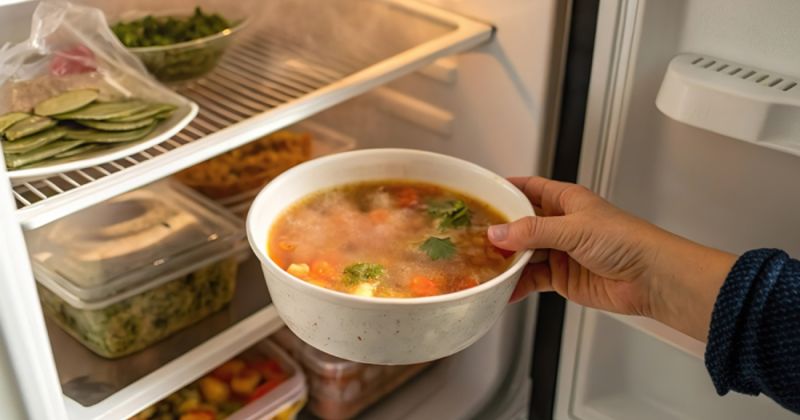
Placing piping hot food straight into the fridge raises the internal temperature, forcing your appliance to work harder and potentially warming up other stored items. This can push food in the danger zone where bacteria thrive.
Let dishes cool on the counter for about thirty minutes first, then refrigerate them promptly. This protects both your fridge's efficiency and the safety of everything else stored inside, whilst still keeping your leftovers fresh.
9. Forgetting To Clean Kitchen Sponges Often Enough
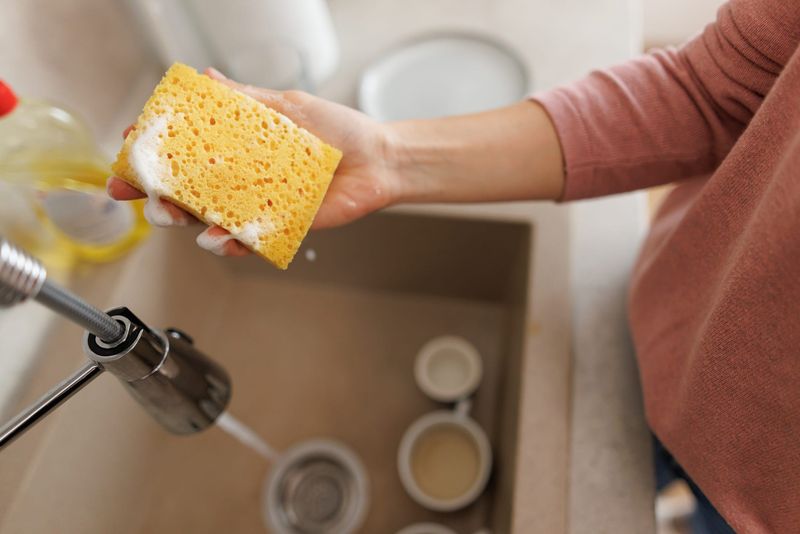
Kitchen sponges are basically bacteria hotels, harbouring millions of germs in their damp, porous surfaces after just a few days of use. Wiping down surfaces with a dirty sponge actually spreads more bacteria than it removes.
Microwave damp sponges for two minutes or run them through the dishwasher daily to kill germs effectively. Replace sponges completely every week or two, and consider switching to dishcloths that can be laundered in hot water regularly instead.
10. Thawing Meat On The Counter Instead Of The Fridge
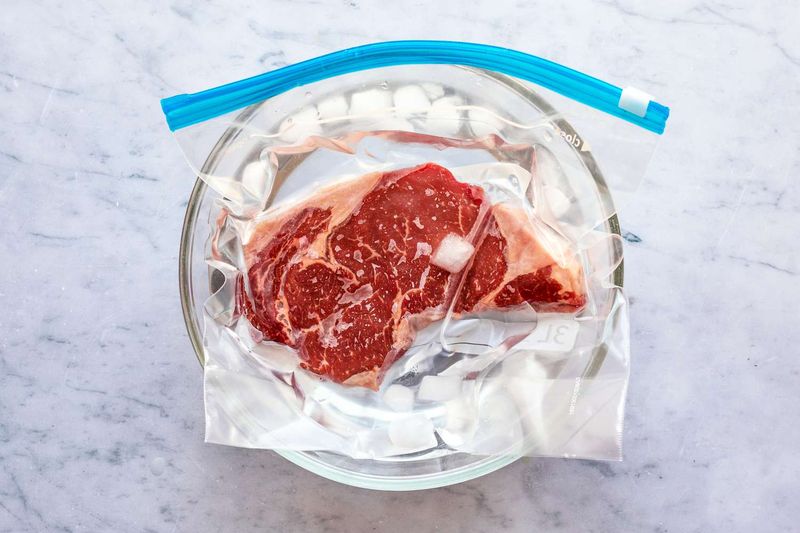
Defrosting meat at room temperature creates the perfect breeding ground for bacteria on the outer layers, even whilst the inside remains frozen solid. The outer surface can reach dangerous temperatures long before the centre thaws completely.
Plan ahead and thaw meat in the fridge overnight for the safest results. If you're short on time, use the cold water method or your microwave's defrost setting instead of risking contamination on the countertop.