











Sushi and sashimi are often thought to be the same, but they are distinct Japanese dishes. Knowing the differences helps you order confidently and enjoy each properly.
While both feature fresh fish, the way they are prepared, served, and experienced can vary greatly.
This article is for general information only. Always check with restaurants or experts regarding freshness, ingredients, or dietary concerns before eating.
1. Rice Makes All the Difference
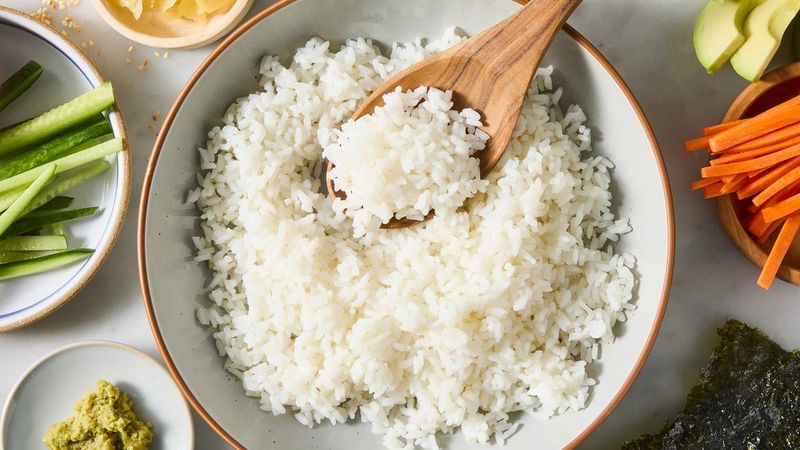
Sushi always includes seasoned rice, while sashimi contains none. Rice in sushi is mixed with vinegar, sugar, and salt, providing a tangy base that complements the toppings.
Sashimi, by contrast, focuses purely on the fish, letting the natural flavours shine without the filling effect of rice.
2. Preparation Methods Vary Significantly
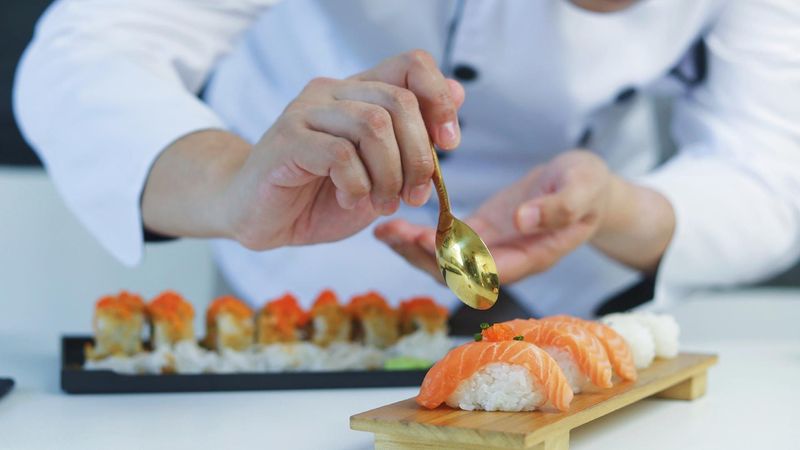
Sushi requires more steps, including cooking and seasoning the rice, shaping it, and combining it with toppings or rolling it in nori.
Sashimi preparation concentrates on the fish itself, relying on expert knife skills to create precise slices that highlight the ingredient’s quality.
3. Serving Styles Tell Different Stories
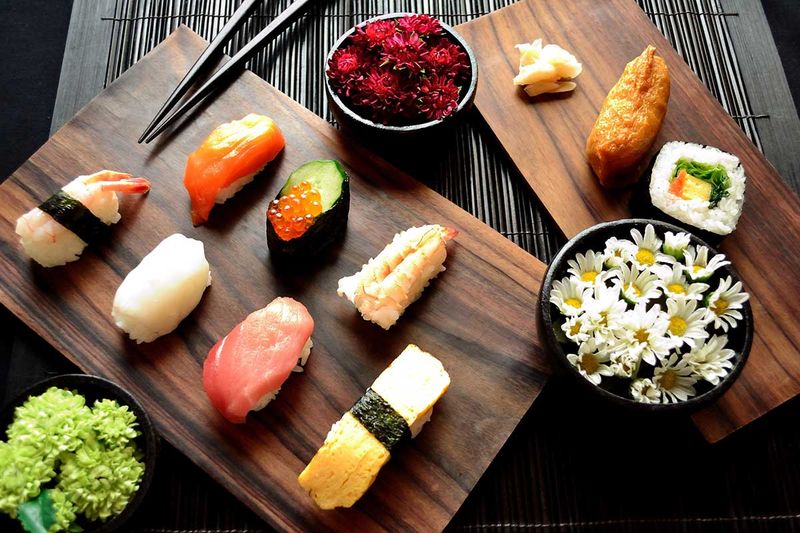
Sushi is presented in rolls, nigiri, or hand rolls, often with vibrant garnishes and multiple ingredients.
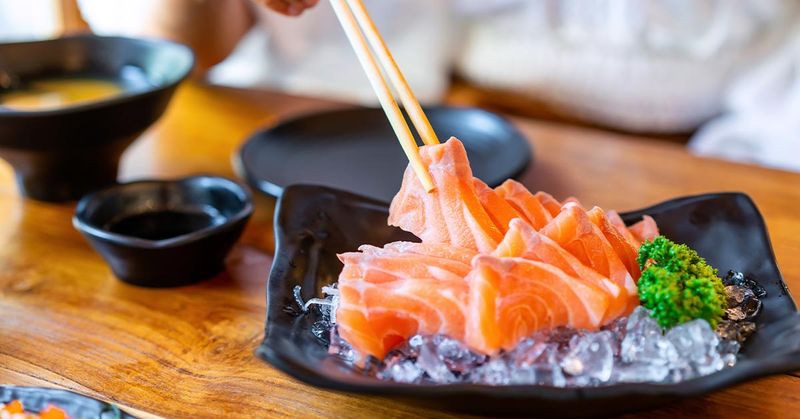
Sashimi is typically served as thin slices fanned on a plate, with minimal garnish, showcasing the fish’s natural colour and texture.
4. Flavour Profiles Create Unique Experiences
Sushi offers layered flavours, where vinegared rice and additional ingredients like avocado or cucumber complement the fish.
Sashimi delivers a purer taste experience, emphasising the fish’s natural flavour and texture without distractions.
5. Nutritional Content Differs Considerably
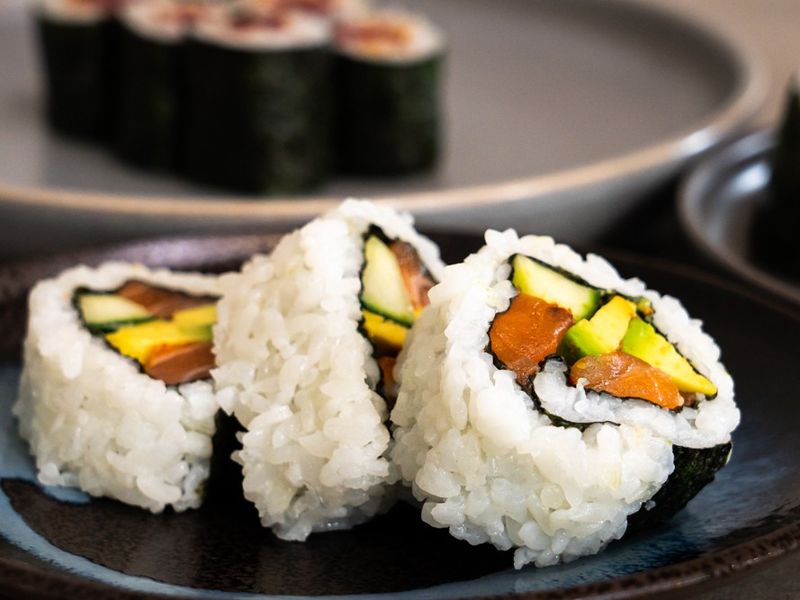
Sushi provides carbohydrates from rice, making it more filling and slightly higher in calories. Ingredients can also contribute vitamins and minerals.
Sashimi is mainly protein with minimal carbohydrates, making it popular for low-carb diets and lighter meals.
6. Cultural Origins Have Distinct Histories
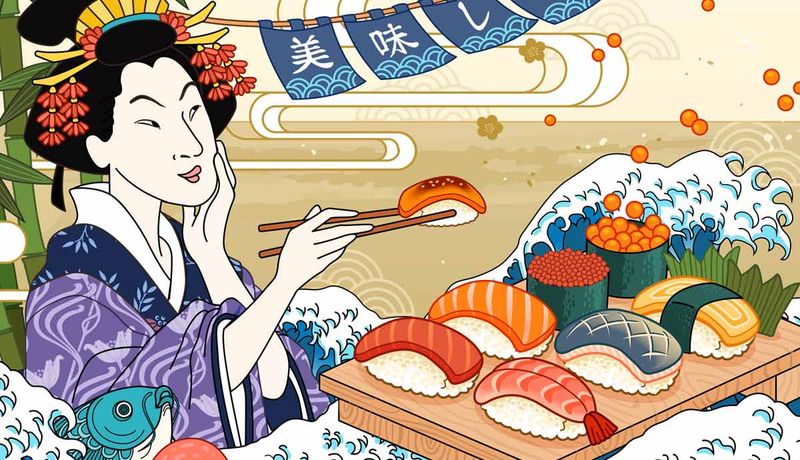
Sushi began as a method to preserve fish with rice and salt, evolving into fresh, vinegared preparations during Japan’s Edo period.
Sashimi developed as a way to highlight premium fish, giving diners an unadulterated taste of the catch.
7. Price Points Reflect Different Values
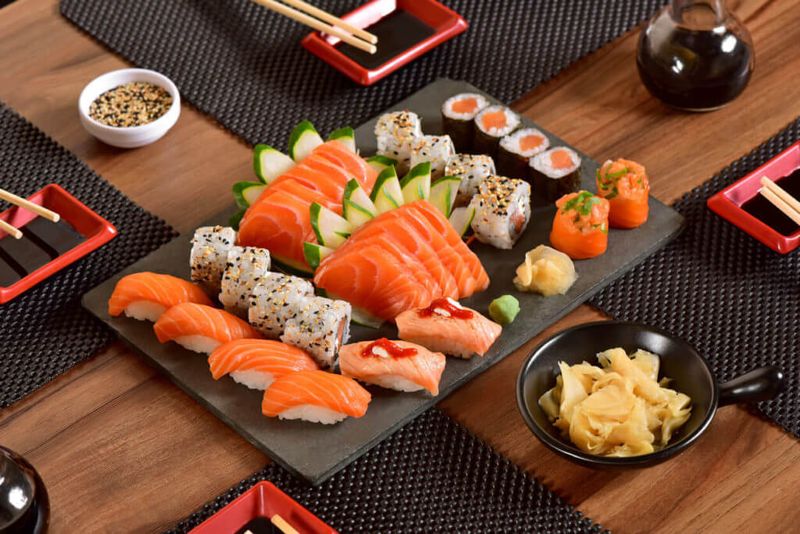
Sashimi often costs more because it focuses on premium fish without rice, offering larger portions of protein per serving.
Sushi prices vary based on ingredients and complexity, with simple rolls being more affordable, while specialty rolls with premium fish can rival sashimi costs.