













Sugar gets a bad reputation, but not all sugary foods deserve to be banned from your plate. Many naturally sweet foods are packed with vitamins, fiber, and nutrients your body truly needs.
Before you swear off everything sweet, take a closer look at these 16 foods that prove sugar and good health can absolutely go hand in hand.
1. Mangoes

Bite into a mango and you get an instant burst of tropical sweetness that feels almost like dessert. Yet this juicy fruit delivers a powerful punch of vitamin C, vitamin A, and folate all at once.
Mangoes also contain digestive enzymes that help break down food more efficiently. The natural sugars in mangoes come bundled with fiber, which slows down how quickly sugar enters your bloodstream.
Enjoy them fresh, blended, or frozen for a guilt-free treat.
2. Beets
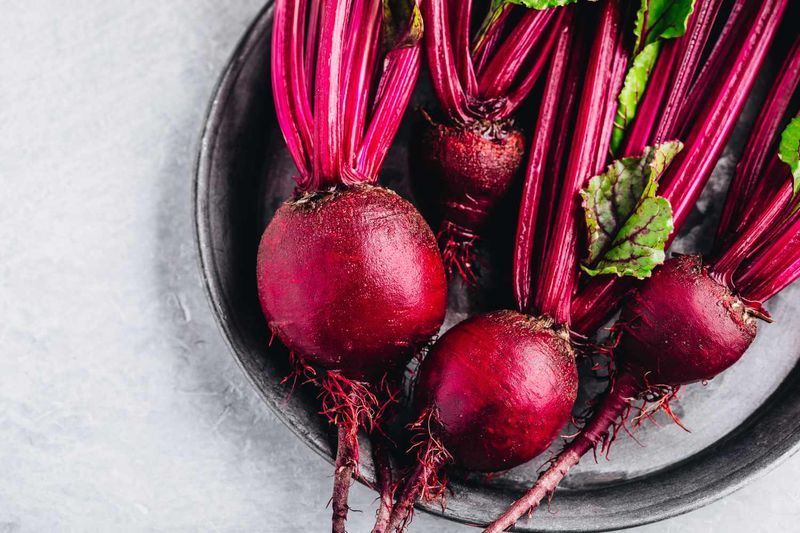
Beets taste earthy and a little sweet, which surprises a lot of people who expect vegetables to be bland. Historically, beets were used as medicine long before they landed on dinner plates.
They are loaded with nitrates, which help lower blood pressure and boost athletic performance. Beets also contain betaine, a compound that supports liver health and reduces inflammation.
Whether roasted, juiced, or pickled, beets bring serious nutritional firepower to any meal.
3. Bananas
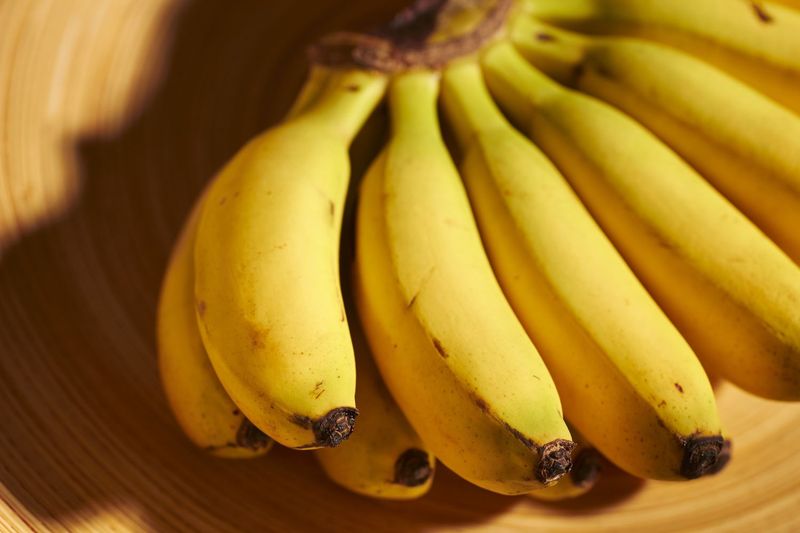
Bananas have been unfairly labeled as "too sugary" by diet culture, yet athletes around the world snack on them before and after workouts for good reason.
They are rich in potassium, which keeps your heart beating steadily and your muscles working properly. Bananas also contain vitamin B6, which supports brain health and helps regulate mood.
The natural sugars in a banana release energy gradually, making them one of the most practical and affordable snacks available.
4. Sweet Potatoes

Sweet potatoes taste like nature decided to make a dessert out of a vegetable, and honestly, that is a win for everyone. Their deep orange color signals an abundance of beta-carotene, which your body converts into vitamin A.
Vitamin A supports healthy eyesight, immune function, and skin repair. Despite their sweetness, sweet potatoes have a moderate glycemic index, meaning they do not spike blood sugar the way candy does.
Roast them, mash them, or bake them into fries.
5. Grapes
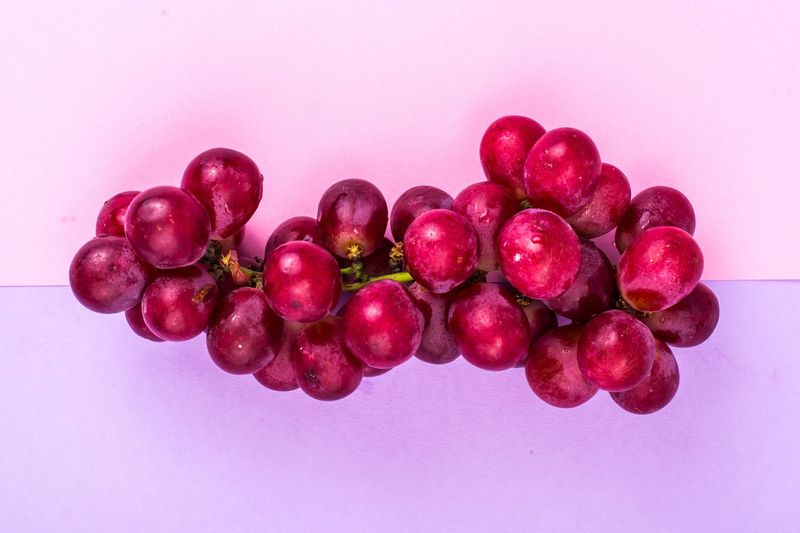
Grapes are tiny flavor bombs that pack a surprising amount of nutritional value into each small bite. Red and purple grapes especially contain resveratrol, a powerful antioxidant linked to heart health and reduced inflammation.
Studies suggest resveratrol may even play a role in protecting brain cells as we age. Grapes also provide vitamin K, which supports bone strength and blood clotting.
Frozen grapes make a refreshing summer snack that feels indulgent without any of the downsides of actual candy.
6. Cherries
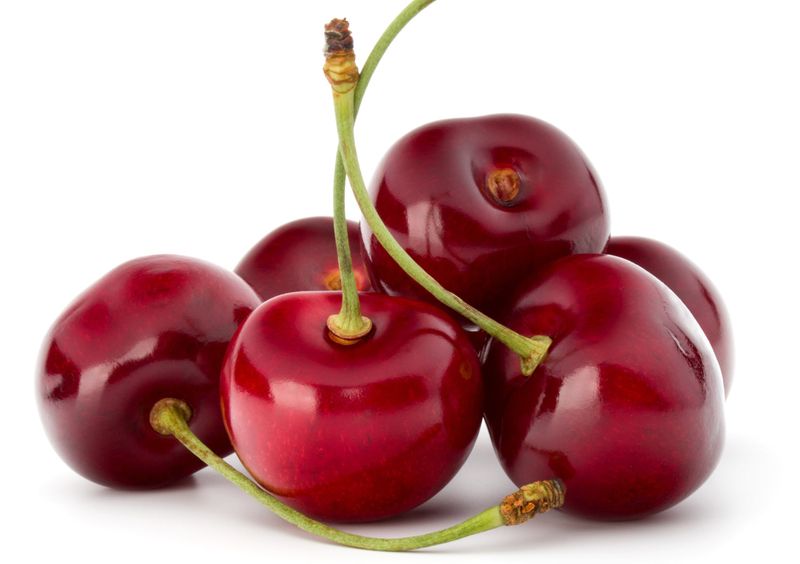
Few things feel as celebratory as a handful of fresh cherries in summer. Beyond their festive appearance, cherries are one of the richest food sources of melatonin, the hormone that regulates sleep cycles.
Tart cherries in particular have been studied for their ability to reduce muscle soreness after exercise, making them a favorite among runners and cyclists. They also contain anthocyanins, antioxidants that fight inflammation.
Sweet or tart, cherries are a small fruit with genuinely impressive health credentials.
7. Pineapple
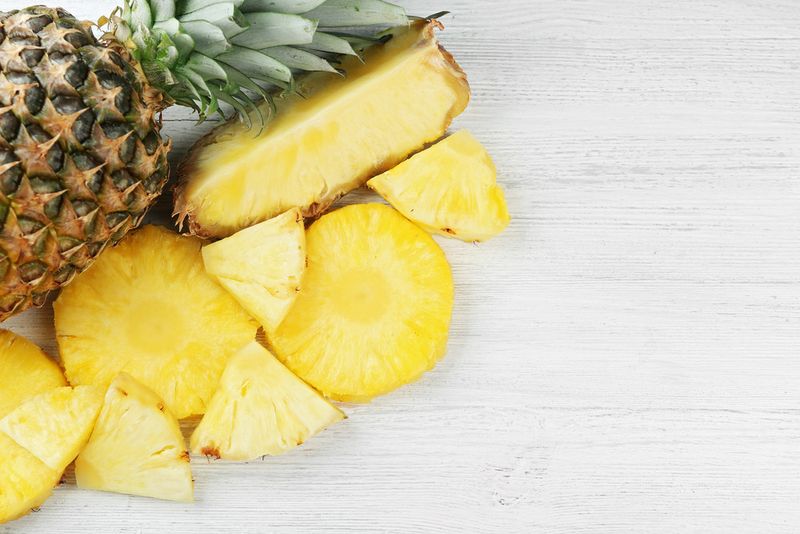
Pineapple has that perfect balance of sweet and tangy that makes it feel like a vacation in fruit form. What many people do not realize is that pineapple contains bromelain, a unique enzyme with anti-inflammatory and digestive properties.
Bromelain has been used in traditional medicine for centuries and is even studied for wound healing. Pineapple is also high in vitamin C and manganese, supporting immune defense and bone health.
Add it to smoothies, salads, or enjoy it fresh from the fruit stand.
8. Dates

Dates are so naturally sweet that they are often used as a whole-food sugar substitute in baking and energy balls. They might be one of the oldest cultivated fruits on Earth, with records of date farming dating back over 6,000 years.
Despite their concentrated sweetness, dates are rich in fiber, potassium, magnesium, and copper. They also contain antioxidants that help protect cells from damage.
Eating just one or two dates can satisfy a sugar craving while actually nourishing your body at the same time.
9. Carrots
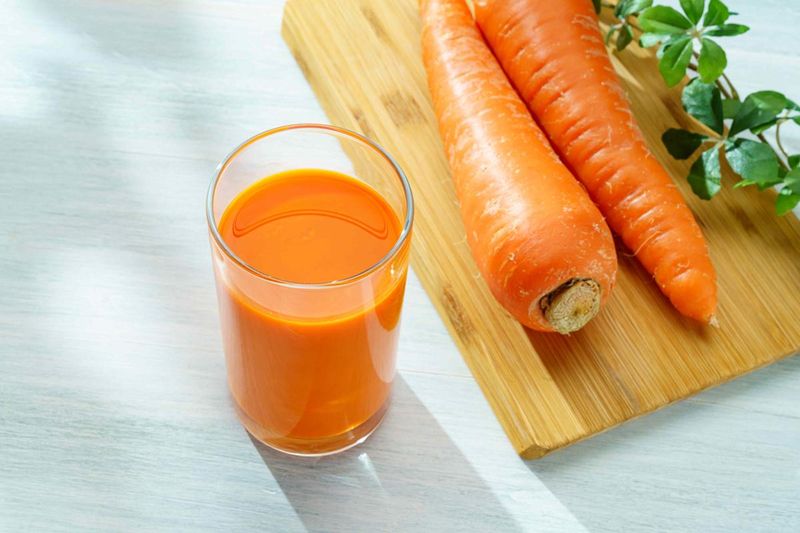
Carrots taste noticeably sweeter when cooked, which is why roasted carrots often surprise people who thought they disliked vegetables. Raw or cooked, carrots are one of the top food sources of beta-carotene in the average diet.
Beta-carotene converts to vitamin A in the body, supporting eye health, immune response, and healthy skin. Carrots also provide a satisfying crunch that makes them one of the most popular snack vegetables worldwide.
Pair them with hummus for a snack that is both tasty and genuinely filling.
10. Pomegranate
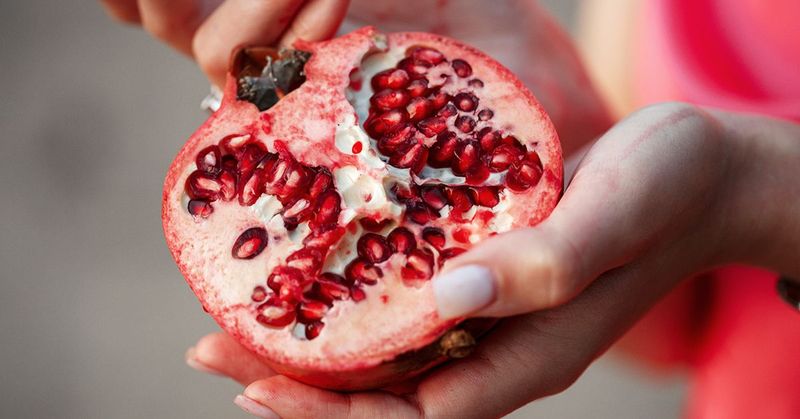
Cracking open a pomegranate feels like discovering treasure, and nutritionally speaking, that comparison is not far off. Pomegranate arils are bursting with punicalagins, antioxidants so potent they are found almost nowhere else in the plant kingdom.
Research has linked pomegranate consumption to lower blood pressure, reduced inflammation, and improved memory function over time. They are also a good source of fiber and vitamin C.
Sprinkle the seeds over yogurt, oatmeal, or salads to add a jewel-bright pop of nutrition.
11. Watermelon
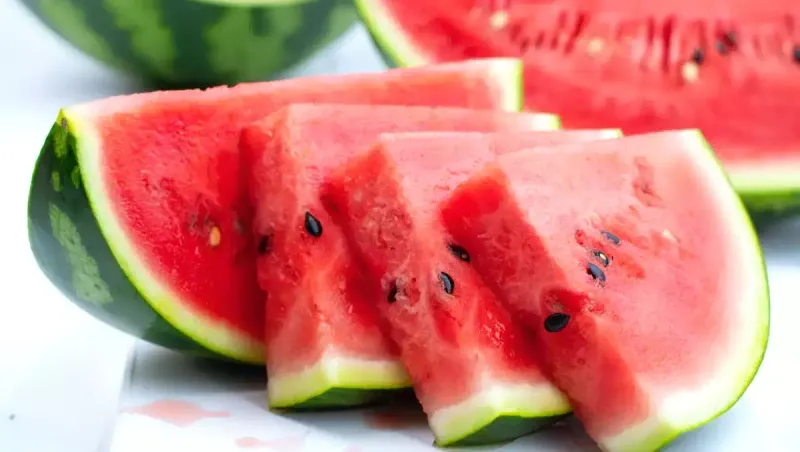
Watermelon is basically summer in edible form, and its sweetness comes with an impressive nutritional resume. It is about 92 percent water, making it one of the most hydrating foods you can eat on a hot day.
Watermelon is also a top food source of lycopene, a powerful antioxidant associated with reduced risk of certain cancers and heart disease. Citrulline, another compound found in watermelon, supports healthy blood flow and muscle recovery.
There is truly no guilt needed when you grab that next slice.
12. Figs
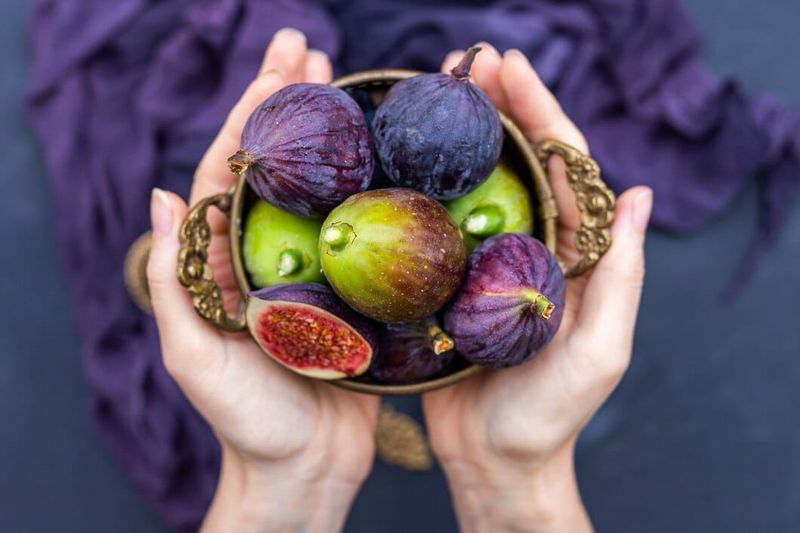
Figs have a rich, honey-like sweetness that feels almost luxurious, yet they have been a staple food in Mediterranean diets for thousands of years. Ancient Greeks valued figs so highly that exporting them was once illegal.
Figs are an excellent source of calcium, making them one of the few plant foods that genuinely support bone density. They also provide iron, potassium, and a good amount of dietary fiber.
Fresh figs are a seasonal delight, while dried figs offer the same nutrients year-round.
13. Apples
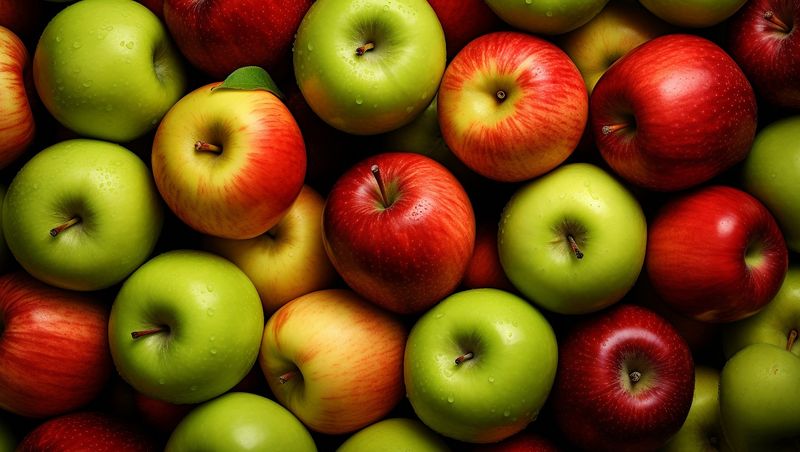
The old saying about an apple a day has more scientific backing than most people expect. Apples contain quercetin, catechin, and chlorogenic acid, three antioxidants that work together to protect your heart and reduce inflammation throughout the body.
The fiber in apples, particularly a type called pectin, feeds the beneficial bacteria in your gut, supporting digestive health. Eating an apple with the skin on maximizes these benefits significantly.
They are crunchy, portable, and genuinely one of the most nutrient-dense convenient snacks around.
14. Blueberries
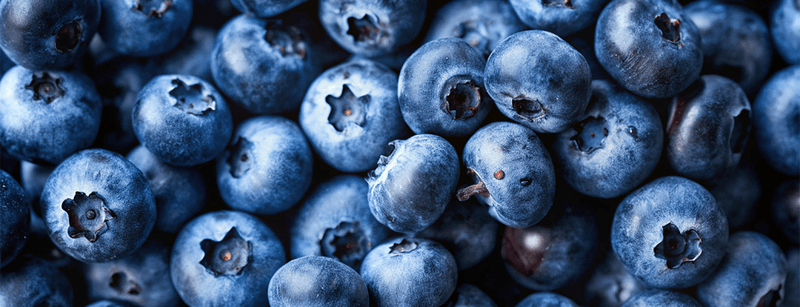
Blueberries are sometimes called a superfood, and for once, that label is completely earned. Gram for gram, blueberries contain more antioxidants than almost any other commonly eaten fruit, primarily thanks to their deep blue pigment called anthocyanin.
Regular consumption of blueberries has been linked to improved memory, sharper focus, and even slower cognitive aging in studies involving older adults. They also support heart health by reducing LDL cholesterol oxidation.
Toss them into oatmeal, yogurt, or eat them straight from the container.
15. Dark Chocolate

Dark chocolate with at least 70 percent cocoa content is one of those rare foods that genuinely bridges the gap between treat and health food. Cocoa is loaded with flavonoids, plant compounds that improve blood flow, lower blood pressure, and protect the heart.
Research also suggests that dark chocolate can boost mood by stimulating the release of endorphins and serotonin in the brain. A small square or two after dinner is a satisfying ritual that comes with real, measurable benefits.
Choose higher cocoa percentages for maximum impact.
16. Plain Yogurt with Honey

Plain yogurt drizzled with a little raw honey is one of those combinations that manages to taste indulgent while actually doing your body a lot of good. The yogurt provides probiotics, live beneficial bacteria that keep your digestive system balanced and your immune system strong.
Raw honey adds natural antimicrobial properties and trace enzymes that processed sugar simply cannot offer. Together, they create a satisfying snack rich in protein and calcium.
This combination has been a staple in Mediterranean and Middle Eastern cuisines for generations.




Comments
No Comments