









Pomegranates can seem a little puzzling at first, especially with their thick skin and clusters of ruby seeds hidden inside. It is common to wonder whether you are meant to eat the whole seed or avoid the crunchy centre altogether.
The simple answer is that pomegranate seeds are safe to eat and offer fibre, antioxidants, and natural sweetness that fit easily into everyday meals.
This article provides general food information only. Individual dietary needs and tolerances can vary, so speak with a healthcare professional if you have specific concerns. Photos are for illustrative purposes only.
Pomegranate Seeds Are Safe For Most People

You might think those crunchy bits inside pomegranate seeds could cause trouble, but they're actually perfectly fine to munch on. The entire aril – that's the fancy name for the juicy seed sac – is edible and safe for most healthy adults and children over five.
Nutritionists confirm that eating the seeds whole is the best way to enjoy all the health benefits pomegranates offer. The only folks who need to think twice are those with specific digestive issues or very young children who might struggle with the texture.
Seeds Provide Fibre, Vitamins And Antioxidants
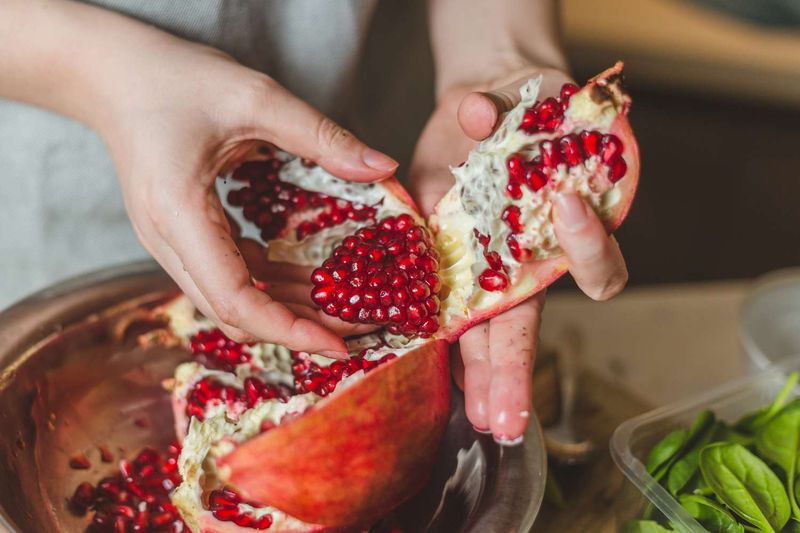
Here's a fun fact: pomegranate seeds pack more antioxidants than green tea or red wine. They're bursting with vitamin C, vitamin K, and folate, making them a proper powerhouse for your immune system and overall health.
The fibre content in the seeds helps keep your digestion running smoothly and can even support heart health. Just a handful of these ruby gems gives you a decent chunk of your daily nutrient needs, all wrapped up in a sweet, tangy package that tastes brilliant on yoghurt or salads.
Swallowing The Seeds Causes No Harm To Digestion
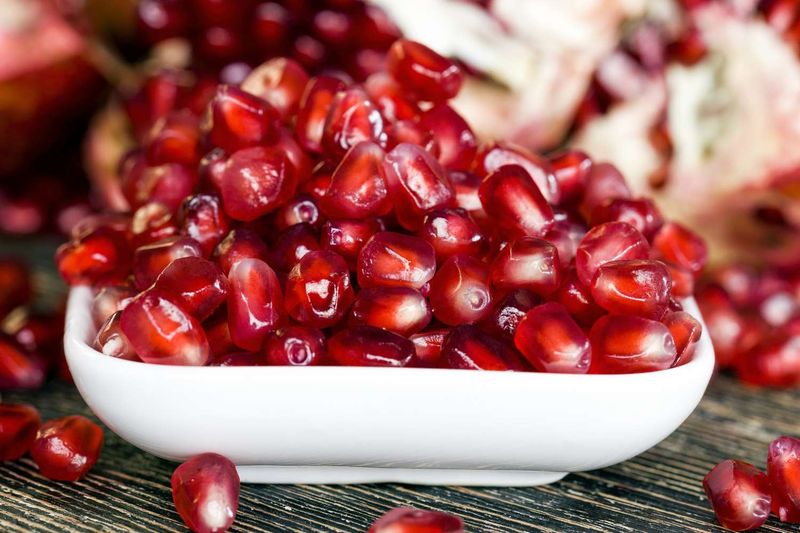
Worried about what happens once you swallow those little crunchy bits? Don't be. Your digestive system is more than capable of handling pomegranate seeds without any drama.
Unlike some seeds that pass through undigested, pomegranate seeds break down naturally as they travel through your gut. The fibre actually helps things move along nicely, and there's no risk of them getting stuck or causing blockages in healthy individuals. Think of them as tiny digestive helpers rather than troublemakers, doing their bit to keep everything ticking over smoothly.
People With Digestive Conditions May Need Caution
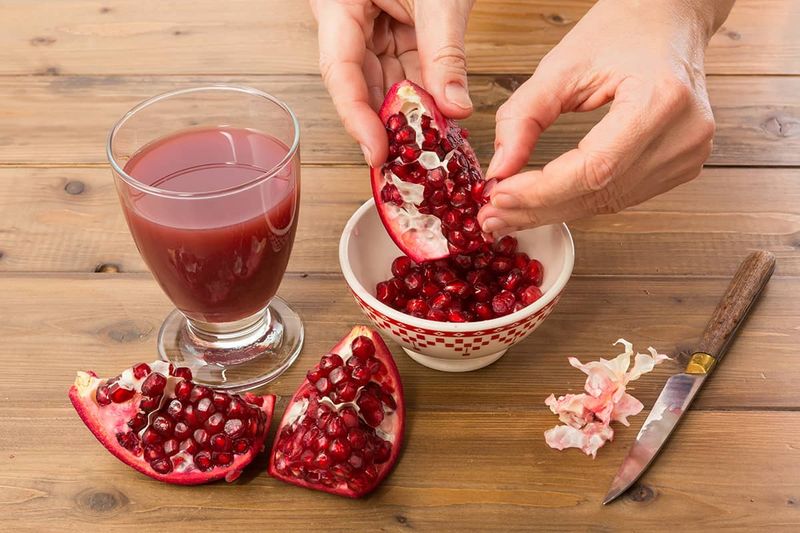
If you've got conditions like diverticulitis, Crohn's disease, or irritable bowel syndrome, pomegranate seeds might not be your best mate. The small, hard bits can sometimes aggravate sensitive digestive tracts or cause discomfort in people with inflammation.
Doctors often recommend that folks with these conditions either avoid seeds altogether or stick to pomegranate juice instead. It's always worth having a chat with your GP or a registered dietitian before adding them to your diet if you've got any ongoing digestive concerns. Better safe than sorry, as they say.
Babies And Young Children Should Avoid Whole Seeds

Those tiny pomegranate seeds might look harmless, but they're actually a choking hazard for little ones under five. Babies and toddlers haven't quite mastered the art of chewing properly yet, and small, slippery seeds can easily go down the wrong way.
Health visitors and paediatricians recommend offering pomegranate juice or well-blended puree instead until children are older and more confident with textured foods. Once they're past the toddler stage and can chew thoroughly, whole seeds become a safe and nutritious snack they'll likely love for their sweet, tangy flavour.