









Iron plays a steady role in everyday nutrition, supporting normal oxygen transport in the body and overall energy levels. While some sources are well known and already part of regular meals, others tend to be overlooked simply through habit or familiarity.
Shopping patterns, cooking routines, and convenience often shape which foods make it onto the plate week after week. Looking at both the commonly missed options and the familiar favourites offers a practical way to understand how everyday choices quietly influence intake.
All information is provided for general interest only. This content does not replace professional medical or dietary advice.
Taste, appearance, and availability may vary. Photos are for illustrative purposes only.
Iron-Rich Foods Britons Commonly Miss
Plenty of iron-packed foods fly under the radar in British kitchens, often dismissed as too exotic or unfamiliar. Yet these nutritional powerhouses can easily slot into everyday meals with minimal fuss.
From plant-based proteins to crunchy seeds, these overlooked options offer impressive iron levels that rival traditional sources. Adding them to your weekly shop could make a real difference to your energy levels and overall wellbeing without requiring a complete diet overhaul.
1. Pumpkin Seeds
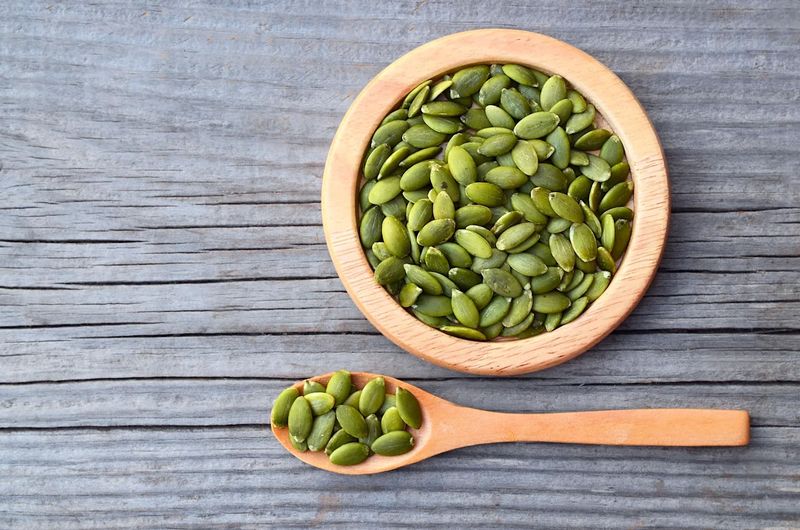
Often tossed aside when carving Halloween pumpkins, these little green gems pack about 2.4 mg of iron per quarter-cup serving. Their nutty, slightly sweet flavour makes them brilliant sprinkled over porridge, stirred into yoghurt, or baked into homemade bread.
Roasting them with a pinch of sea salt transforms pumpkin seeds into a moreish snack that beats crisps any day. Beyond iron, they're loaded with magnesium and zinc, making them a proper nutritional multitasker worth keeping in your pantry.
2. Tofu
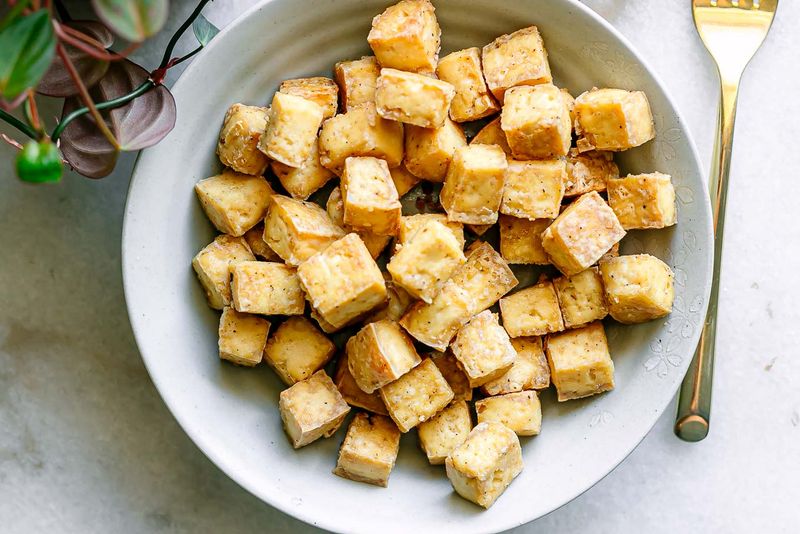
This soy-based protein delivers roughly 5 mg of iron per cup, making it a champion for vegetarians and vegans. Tofu's neutral taste acts like a flavour sponge, soaking up whatever marinade or sauce you throw at it.
Pressed firm tofu can be cubed and stir-fried until golden and crispy, while silken varieties blend smoothly into desserts and smoothies. Don't be put off by its bland reputation – properly seasoned and cooked, tofu becomes a satisfying, iron-rich addition to curries, noodle dishes, and salads.
3. Chickpeas
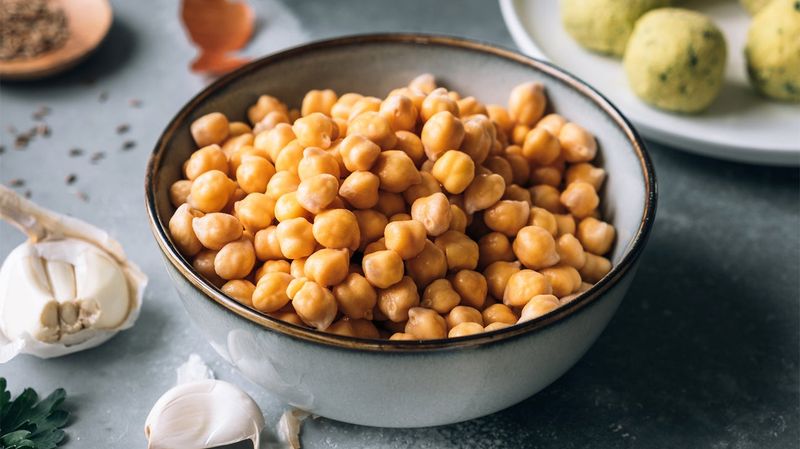
Whether you know them as garbanzo beans or chickpeas, these round legumes contain about 4.7 mg of iron per cooked cup. They're the backbone of hummus, but their talents extend far beyond that creamy dip.
Roasted until crunchy, chickpeas become an addictive snack with endless seasoning possibilities – paprika, curry powder, or garlic salt all work brilliantly. Toss them into salads, blend them into veggie burgers, or simmer them in tomato-based curries for a filling, iron-boosting meal that won't break the bank.
4. Lentils
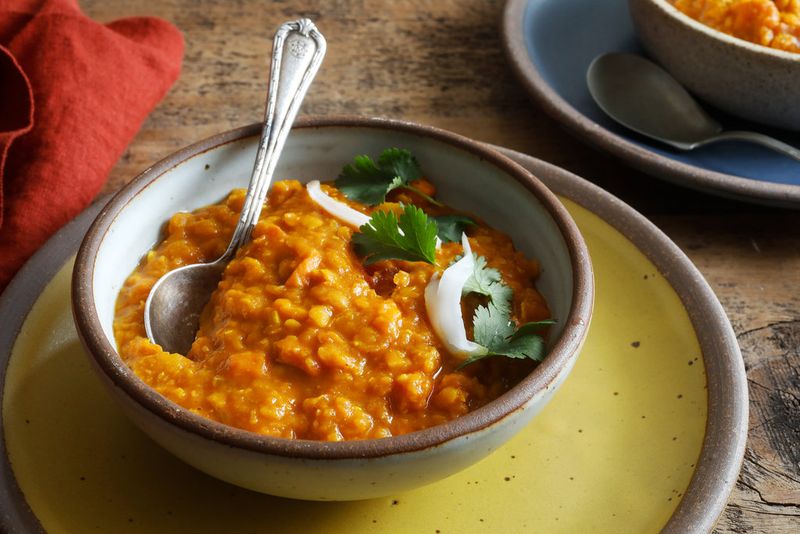
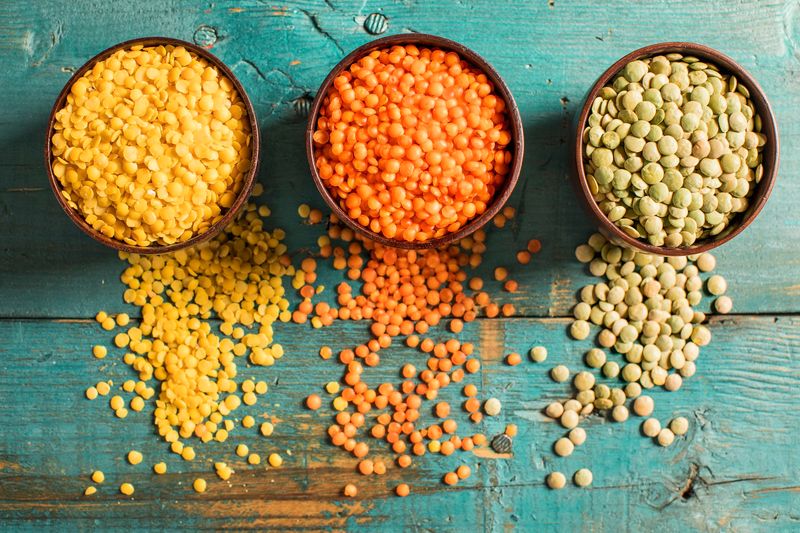
A single cup of cooked lentils delivers around 6.6 mg of iron, nearly half your daily needs. These humble legumes come in red, green, brown, and black varieties, each bringing a slightly different texture and flavour to the table.
Red lentils break down beautifully into creamy dals and soups, while green and brown types hold their shape in salads and stews. Pair them with vitamin C-rich foods like tomatoes or peppers to boost iron absorption, turning a simple meal into a nutritional winner.
5. Spinach
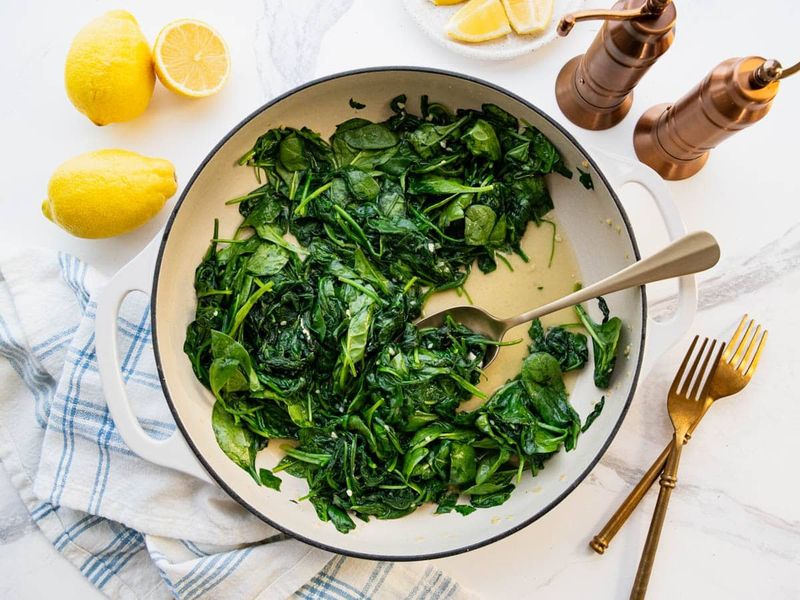
Popeye wasn't entirely wrong about spinach, though the iron content isn't quite as miraculous as cartoons suggested. A cooked cup still provides around 6.4 mg of non-heme iron, which your body absorbs less efficiently than the iron from meat.
The trick is pairing spinach with vitamin C sources like lemon juice or tomatoes to improve absorption. Wilt it into pasta dishes, blend it into smoothies where you won't taste it, or layer it into lasagnes for an easy nutritional boost without much effort.
Iron-Rich Foods Britons Already Eat Without Noticing
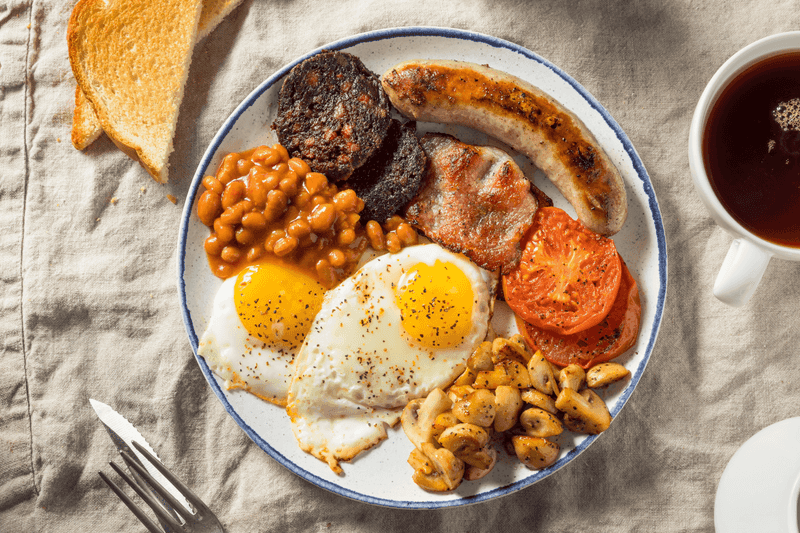
Your daily routine likely includes several iron sources you've never given a second thought. These familiar foods quietly contribute to your iron intake without fanfare or fuss.
From the breakfast table to the Sunday roast, British staples often contain more iron than you'd expect. Recognising these everyday heroes helps you appreciate how your regular diet already supports your health, even if you've never consciously chosen foods for their iron content.
1. Fortified Breakfast Cereals
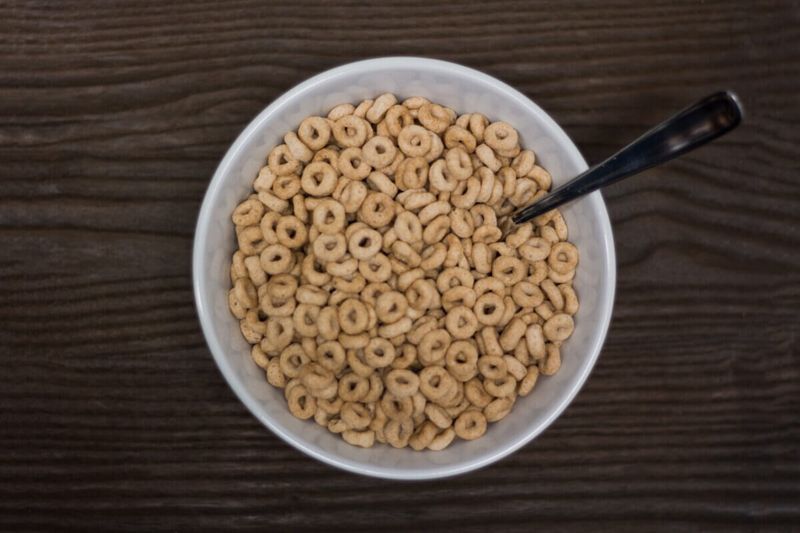
Many breakfast cereals sold in UK supermarkets are fortified with iron, sometimes providing up to 100% of your daily needs in a single bowl. Check the nutrition label – brands like Weetabix, Shreddies, and various bran flakes are typically loaded with added vitamins and minerals.
Pairing your cereal with orange juice or sliced strawberries gives you that vitamin C boost to help your body absorb the iron more effectively. It's an effortless way to start your day on a nutritional high note.
2. Wholemeal Bread
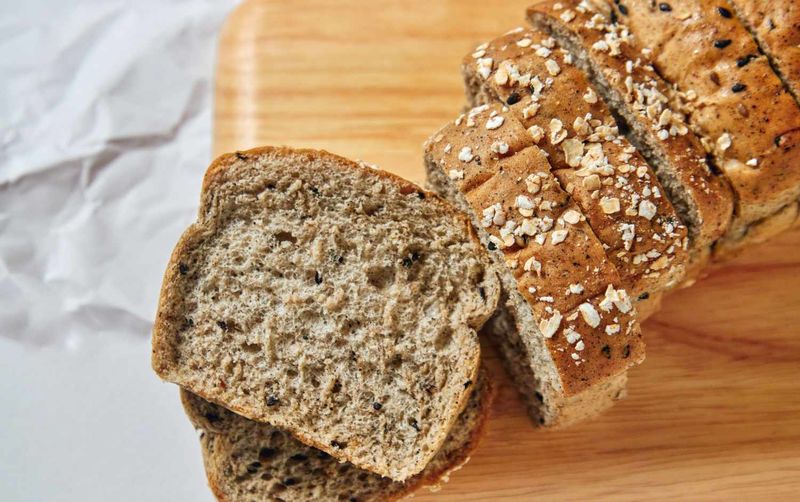
Swapping white bread for wholemeal isn't just about fibre – two slices of wholemeal bread contain roughly 1.8 mg of iron. The outer layers of wheat grains, retained in wholemeal flour, hold most of the minerals that get stripped away in white varieties.
Toast it for breakfast, use it for lunchtime sandwiches, or serve it alongside soup for dinner. This simple switch adds up over time, contributing steady iron intake without requiring any dramatic changes to your eating habits or favourite meals.
3. Eggs
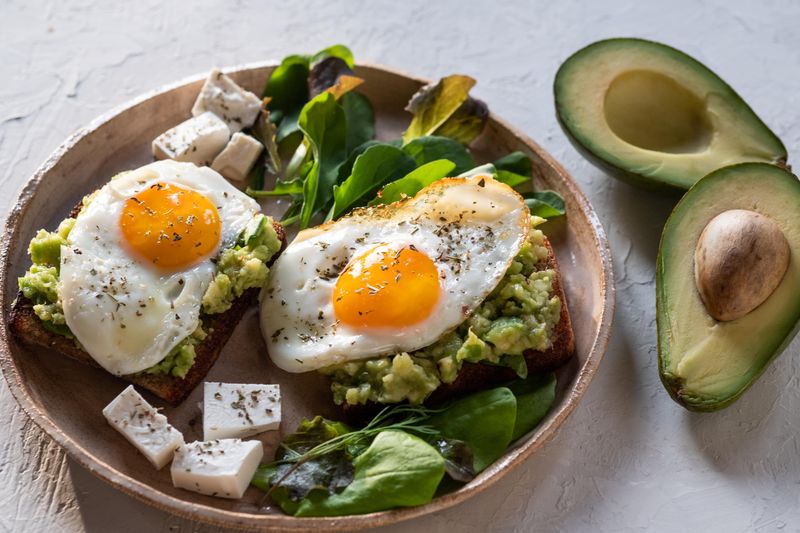
A large egg contains about 0.9 mg of iron, mostly concentrated in the yolk. Scrambled, poached, fried, or boiled – however you prefer them, eggs are a breakfast staple that quietly supports your iron levels.
They're also packed with protein, B vitamins, and other nutrients, making them a nutritional bargain for the price. Whether you're whipping up an omelette or adding a boiled egg to your salad, you're giving your body a gentle iron boost without even thinking about it.
4. Baked Beans
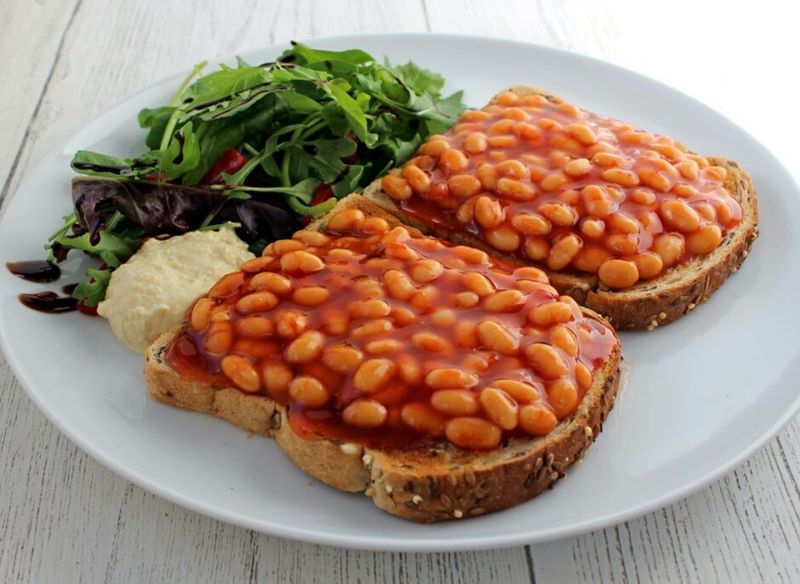
A 200g tin of baked beans delivers around 2.8 mg of iron, making them a surprisingly effective iron source. They're a British breakfast icon, but they work just as well on jacket potatoes or stirred into chilli con carne.
The tomato sauce provides vitamin C, which helps your body absorb the non-heme iron from the beans more efficiently. Cheap, convenient, and shelf-stable, baked beans are a pantry hero that supports your iron intake without requiring any culinary skills or fancy ingredients.
5. Beef
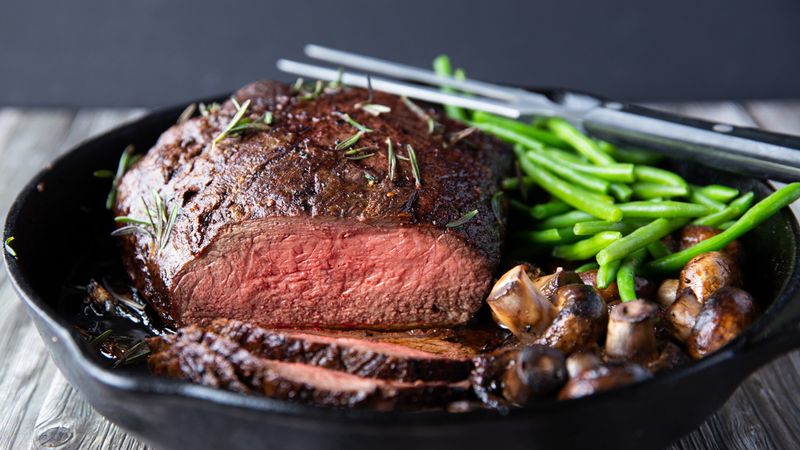
A 3.5-ounce serving of beef provides roughly 2.6 mg of highly absorbable heme iron, the type your body processes most efficiently. Whether it's a Sunday roast, cottage pie, or simple mince-based dishes, beef remains one of Britain's most reliable iron sources.
Red meat gets mixed press these days, but moderate consumption fits perfectly into a balanced diet. Pairing beef with iron-rich vegetables like broccoli or peppers creates a meal that maximises your iron intake whilst keeping things varied and delicious.