










Vegetables might seem ordinary, but there’s a lot more going on beneath the surface than most of us realise. From clever defences against pests to unexpected relatives in the plant world, these everyday greens are full of surprises.
Once you learn their hidden quirks and fascinating origins, you’ll never look at your shopping basket the same way again.
This article is for general informational purposes only. It focuses on fun and educational facts about vegetables and is not intended as nutritional or dietary advice.
1. Carrots Were Originally Purple

Long before orange carrots dominated our supermarkets, purple ones ruled the vegetable world. Ancient carrots grown in Afghanistan came in purple, white, and yellow shades.
Dutch farmers bred orange carrots in the 1600s, and they quickly became the standard. Today, purple carrots are making a comeback in farmers' markets everywhere, bringing history back to our plates.
2. Tomatoes Are Actually Fruits

Here's a fact that sparks endless debates: botanically speaking, tomatoes qualify as fruits because they develop from flowers and contain seeds.
However, in 1893, the U.S. Supreme Court legally classified them as vegetables for tax purposes. Whether you call them fruits or veggies, tomatoes remain delicious in salads, sauces, and sandwiches across the globe.
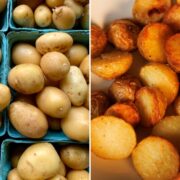
3. Potatoes Were The First Vegetable Grown In Space

In October 1995, potatoes made history by becoming the first vegetable cultivated in space aboard the Space Shuttle Columbia.
NASA scientists chose potatoes because they're nutritious, easy to grow, and could sustain future astronauts on long missions. This humble tuber proved it could thrive even beyond Earth's atmosphere, paving the way for space agriculture.
4. Cucumbers Are 96% Water

Few vegetables hydrate like cucumbers do. With a water content reaching 96%, they're nature's way of keeping you refreshed on hot summer days.
This high water percentage makes cucumbers incredibly low in calories whilst providing vitamins K and B. Ancient civilisations valued cucumbers for their cooling properties, and modern science confirms they're brilliant for staying hydrated and healthy.
5. Peas Come In More Colours Than Just Green

Garden peas aren't limited to their familiar green hue. Yellow peas, purple peas, and even spotted varieties exist across the world.
Different coloured peas offer slightly varied flavours and nutritional profiles. Purple peas contain anthocyanins, powerful antioxidants also found in blueberries. Exploring colourful pea varieties adds visual interest and nutritional diversity to your meals beyond ordinary green ones.
6. Broccoli Has More Vitamin C Than Oranges

When you think vitamin C, oranges probably come to mind first. Surprisingly, broccoli contains even more of this essential nutrient per serving.
A single cup of cooked broccoli provides over 100% of your daily vitamin C requirement. This green powerhouse also delivers fibre, vitamin K, and folate, making it one of the most nutritionally dense vegetables available.
7. Cauliflower Comes In Colours Beyond White

White cauliflower dominates grocery shelves, but this versatile vegetable actually grows in stunning purple, orange, and green varieties too.
Orange cauliflower contains extra beta-carotene, whilst purple varieties pack anthocyanins. Green cauliflower, sometimes called broccoflower, offers a milder taste. Each colourful variety brings unique nutrients and flavours, transforming ordinary cauliflower into something extraordinary and visually striking.
8. Bell Peppers Change Colour As They Ripen

Ever wondered why bell peppers come in different colours? They're actually the same vegetable at various ripeness stages.
Green peppers are simply unripe, whilst yellow, orange, and red peppers have matured longer on the plant. As they ripen, sweetness increases and nutritional content changes. Red peppers contain significantly more vitamin C and beta-carotene than their green counterparts.
9. Brussels Sprouts Are Mini Cabbages

Brussels sprouts look like tiny cabbages for good reason - they belong to the same plant family and share similar genetics.
These miniature vegetables grow along tall stalks in a fascinating spiral pattern. Originally cultivated in Belgium during the 13th century, Brussels sprouts gained their name from the capital city. Their cabbage-like structure and taste make perfect sense once you understand their family connection.
10. Onions Make You Cry Because Of Chemical Warfare

Onions defend themselves from predators by releasing sulphur compounds when their cells are damaged.
When you slice an onion, these chemicals react with moisture in your eyes, forming sulphuric acid that irritates them. Your tears are a defence mechanism trying to wash away the irritant. Chilling onions before cutting or using sharp knives reduces this effect significantly.
11. Sweetcorn Is Actually A Grain

Botanically speaking, sweetcorn kernels are classified as grains, not vegetables, because each kernel is actually a seed.
Sweetcorn can be eaten fresh as a vegetable or dried and ground into flour like other grains. This dual identity makes corn incredibly versatile. Native Americans cultivated corn thousands of years ago, and it remains one of the world's most important crops today.