



Our plates are about to change forever as food technology races ahead. Scientists and chefs are creating amazing edibles that could solve global hunger while being kinder to our planet.
From meat grown in labs to meals printed by machines, these innovations might seem like science fiction but they're already becoming reality.
This article is for general informational purposes only. Future food innovations are constantly evolving, and availability, flavour, and uses may change over time.
1. Lab-Grown Meat
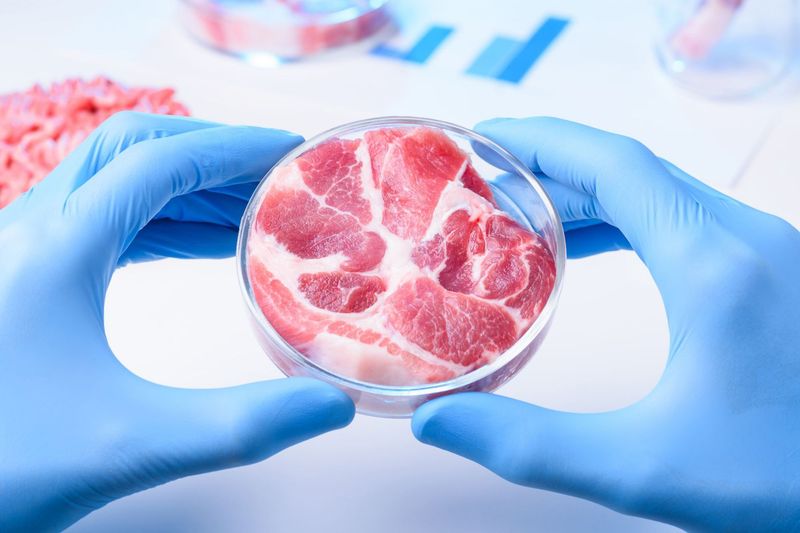
Imagine steaks grown from cells instead of cows! Scientists harvest animal cells and nurture them in special nutrient baths until they form real meat tissue.
The result? Identical protein without the environmental impact of traditional farming. No animals harmed, less land used, and significantly reduced greenhouse emissions make this a revolutionary protein solution.
2. Edible Insects
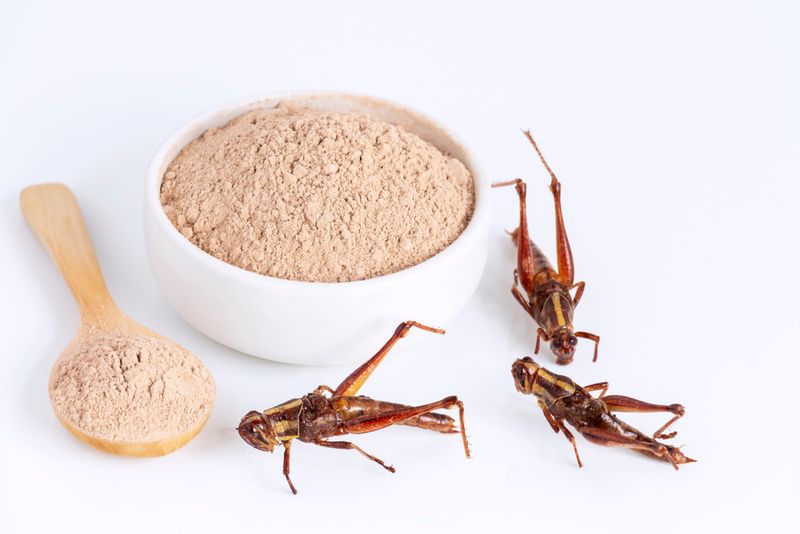
Crunchy cricket cookies anyone? These tiny creatures pack a nutritional punch with more protein than beef and less environmental impact.
Already a staple for billions worldwide, insects require minimal water, feed, and space compared to livestock. Flour made from dried mealworms or crickets easily blends into familiar foods, making bug-eating practically unnoticeable.
3. 3D-Printed Food
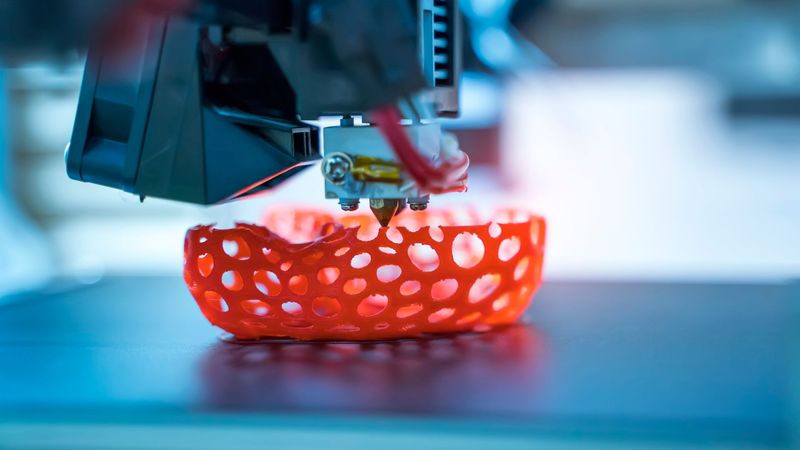
Your dinner, downloaded and printed! 3D food printers squeeze pastes through nozzles to build meals layer by layer, creating intricate designs impossible by hand.
Hospitals already use this technology to create specialized meals for patients with swallowing difficulties. Soon, we might customize nutrition profiles, textures, and shapes while reducing food waste through precise portion control.
4. Upcycled Food
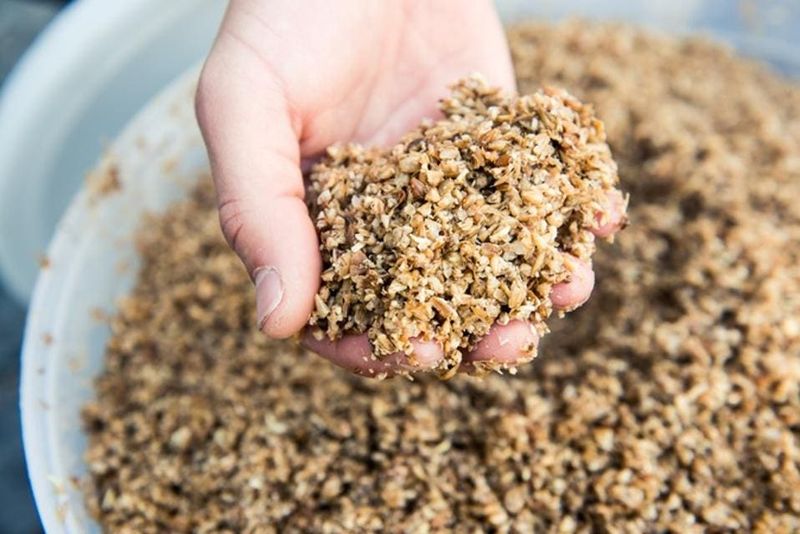
From trash to treasure! Upcycled foods transform would-be waste into delicious new products. Think fruit jerky made from misshapen produce or protein bars containing leftover oat pulp from plant-based milk production.
This clever approach tackles the massive food waste problem while creating unique flavours. With roughly one-third of all food produced globally going to waste, these innovative products offer an environmentally friendly solution with economic benefits.
5. Plant-Based Seafood

The ocean's bounty, reimagined with plants. Advanced food science now creates convincing seafood alternatives using ingredients like seaweed, legumes, and fungi.
These innovations mimic the taste, texture, and nutritional profile of fish without depleting marine populations. Perfect for addressing overfishing concerns while providing omega-3 fatty acids and proteins, plant-based seafood offers a sustainable solution to our ocean crisis.
6. Algae Protein Products

The humble pond scum becomes a superfood! Spirulina and chlorella algae contain complete proteins with all essential amino acids our bodies need.
Growing rapidly with minimal resources, algae produces protein up to 400 times more efficiently than beef. Found in smoothies, protein bars, and even pasta, these microscopic powerhouses offer a sustainable nutrition source that can be cultivated almost anywhere.
7. Vertical Farm Produce
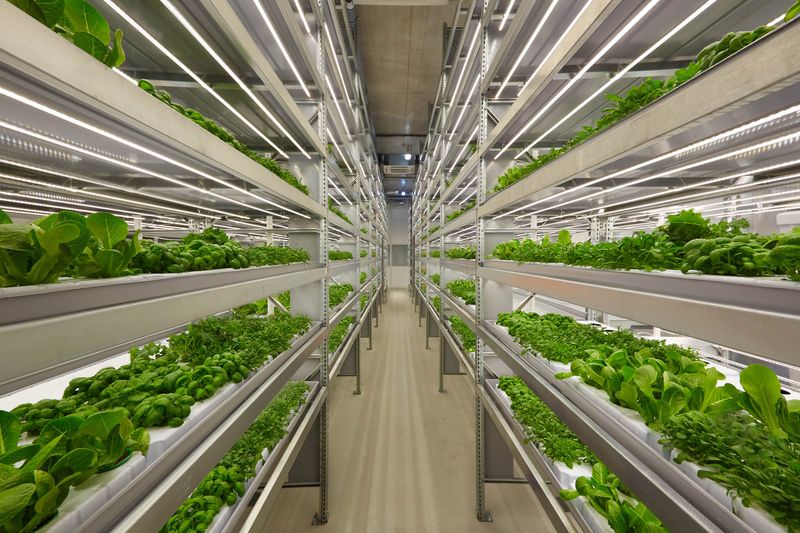
Farms reaching for the sky! Stacked growing trays under LED lights produce fresh vegetables year-round in urban buildings, regardless of weather or season.
Using 95% less water than traditional farming and no pesticides, these high-tech gardens grow food closer to consumers. The controlled environment results in consistent quality and remarkable flavor while reducing transportation emissions and land use.
8. Personalised Nutrition Meals
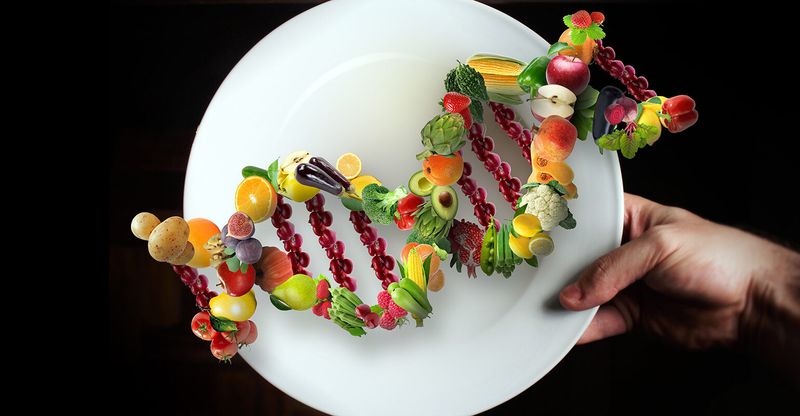
Your DNA dictates your dinner! Advanced testing analyzes your genetic makeup, gut microbiome, and metabolism to create meals perfectly matched to your body's needs.
AI systems track your health metrics and adjust recipes accordingly, optimizing nutrient absorption and addressing deficiencies before symptoms appear. This hyper-personalized approach promises to revolutionize preventative healthcare through tailored eating plans.
9. Cell-Based Dairy Alternatives
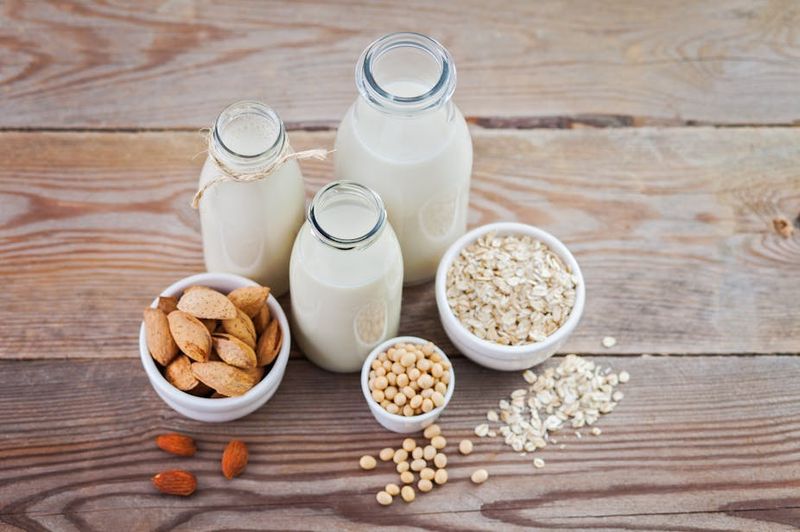
Real milk without the cow! Scientists program yeast or bacteria to produce the exact same proteins found in dairy through precision fermentation.
The result? Genuine dairy products that are lactose-free, hormone-free, and environmentally friendly. Unlike plant-based alternatives, these products contain identical proteins to traditional dairy, creating perfect cheese stretching and yogurt culturing properties.
10. Smart Hydration Bottles
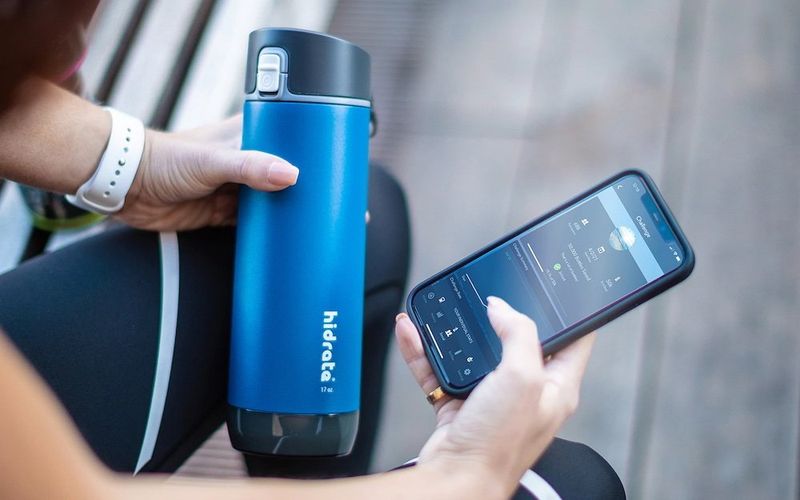
Water bottles with brains! These high-tech containers analyze your sweat, activity levels, and environmental conditions to create personalized hydration formulas on demand.
Built-in sensors monitor your body's needs while dispensing precise amounts of electrolytes, vitamins, or flavor. Some models even sync with fitness apps to adjust hydration recommendations based on workout intensity, helping athletes optimize performance through scientific precision.