











British cuisine has always been more adventurous than people give it credit for. Our ancestors enjoyed some truly remarkable soups that have sadly disappeared from modern tables.
From luxurious turtle broths to hearty medieval porridges, these forgotten recipes tell fascinating stories about our culinary heritage and deserve a proper comeback. This content is for general information only.
Taste, appearance, and availability may vary, and historical recipes may not reflect modern dietary preferences. Photos are for illustrative purposes only and may not represent the exact dishes.
1. Real Turtle Soup
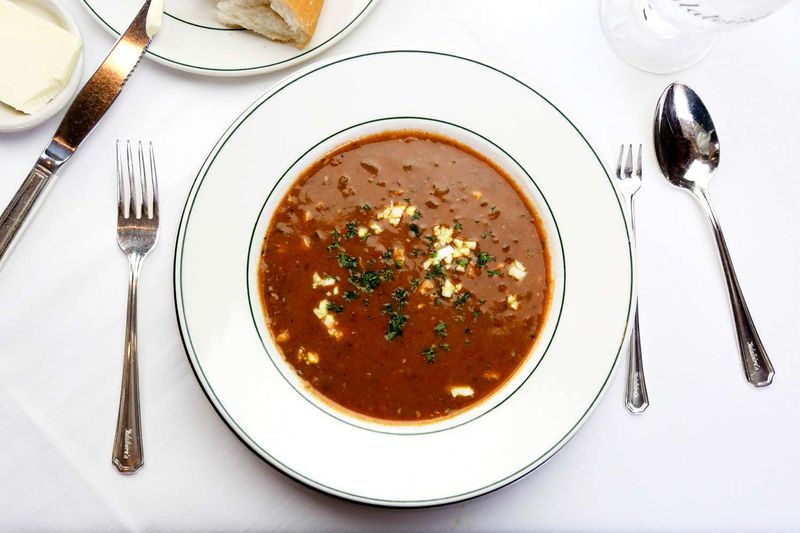
Once the crown jewel of Victorian dinner parties, this luxurious soup commanded enormous respect in fashionable society. Made from genuine turtle meat imported from the Caribbean, it represented the pinnacle of culinary sophistication.
Wealthy families would serve it at grand occasions, and restaurants charged premium prices for authentic preparations. The complex cooking process required skilled chefs who understood how to properly prepare the unusual protein.
Today's environmental concerns make this dish impossible to recreate ethically.
2. Mock Turtle Soup
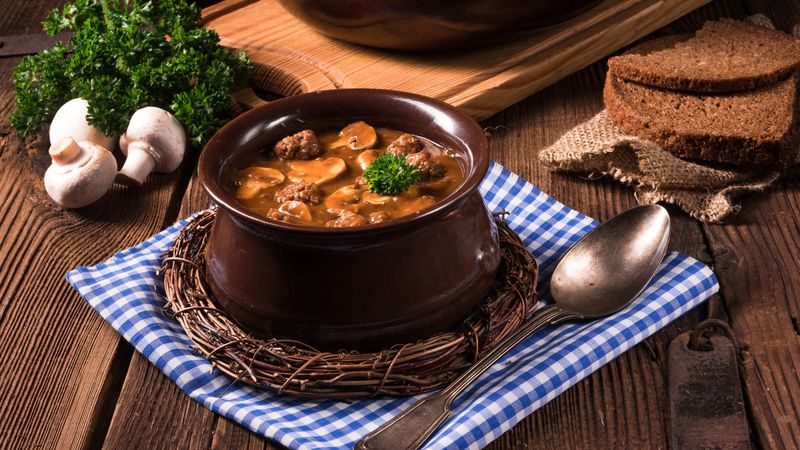
Clever cooks created this brilliant alternative using calf's head and various seasonings to mimic the expensive turtle version. Working-class families could finally taste something similar to what the wealthy enjoyed at their fancy gatherings.
The recipe became wildly popular across Britain, appearing in countless cookbooks and restaurant menus. Skilled preparation made it nearly indistinguishable from the real thing, fooling even experienced palates.
Lewis Carroll famously featured the Mock Turtle character in Alice's Adventures in Wonderland, cementing its cultural significance.
3. Diligrout
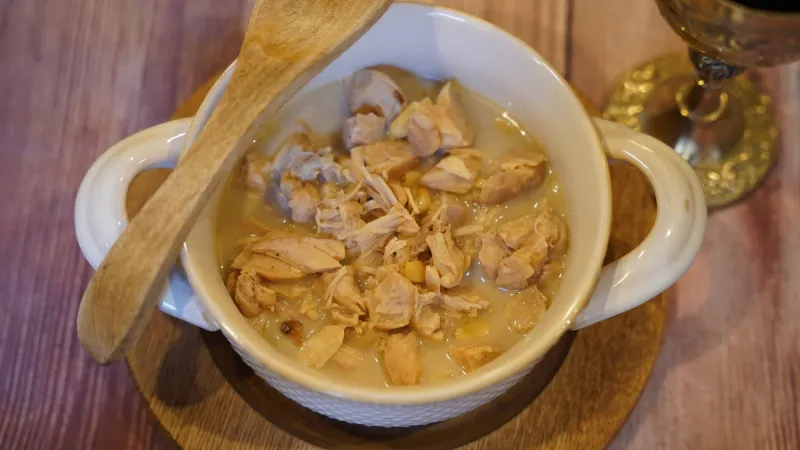
Medieval kings and queens regularly enjoyed this ancient almond-based soup at coronation ceremonies and state banquets. The creamy, nutty mixture symbolised prosperity and good fortune for newly crowned monarchs.
Prepared with ground almonds, rice, sugar, and precious spices, it represented incredible wealth during an era when such ingredients cost fortunes. Royal cooks guarded their specific recipes jealously, passing them down through generations.
Archaeological evidence suggests similar preparations existed throughout Europe, making this a truly historic dish worth reviving.
4. Brown Windsor Soup
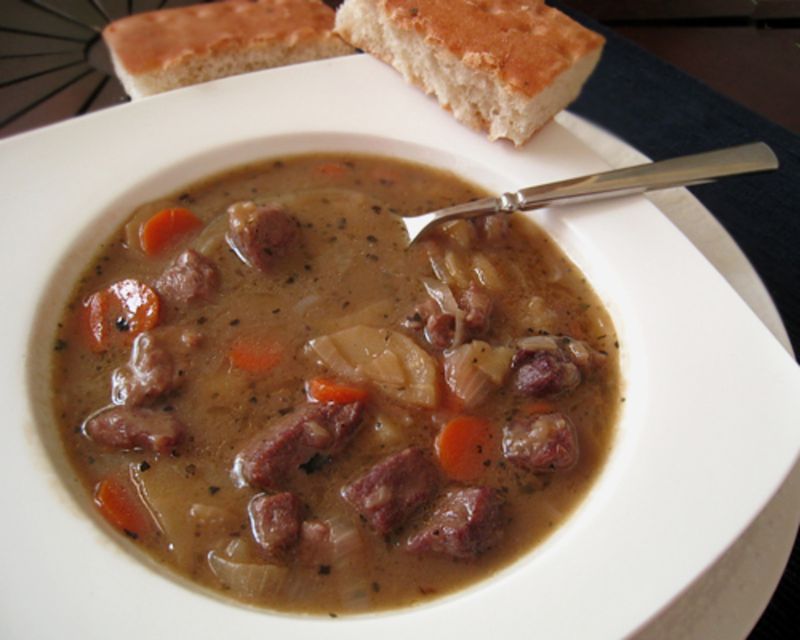
School dining halls across Britain once served this hearty beef-based soup, though quality varied dramatically between establishments. Some versions earned genuine affection from pupils, while others became legendary for entirely different reasons.
Military messes and institutional kitchens relied heavily on this economical recipe during wartime rationing. Proper preparation created a satisfying, warming meal that stretched ingredients effectively during difficult periods.
Despite its mixed reputation, many people remember it fondly as comfort food that represented simpler times and shared community experiences.
5. Oxtail Soup
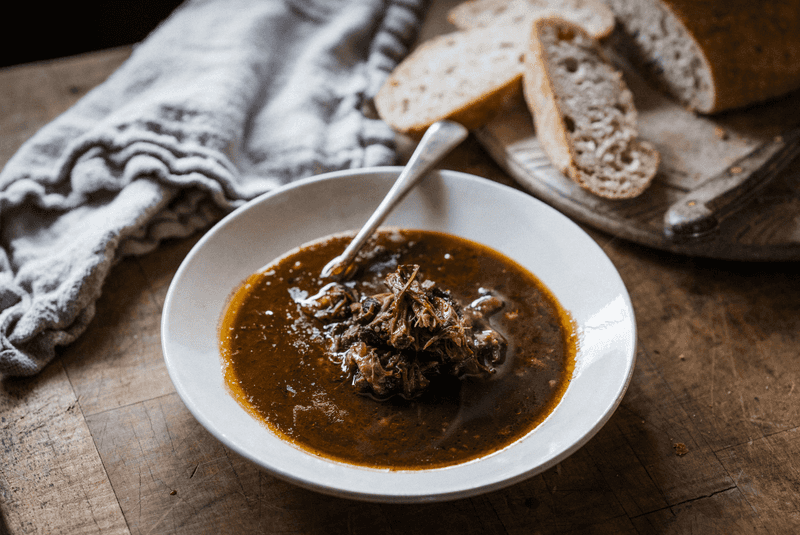
Butchers once sold oxtails cheaply because customers preferred premium cuts, making this soup an affordable luxury for clever home cooks. Long, slow cooking transformed tough meat into incredibly rich, flavourful broth.
Traditional preparation required patience and skill, with cooks developing personal techniques passed down through families. The resulting soup provided exceptional nutrition and satisfaction during harsh winter months.
Modern nose-to-tail cooking movements have rediscovered similar principles, but authentic oxtail soup remains surprisingly rare in contemporary British kitchens despite its superior taste.
6. Palestine Soup
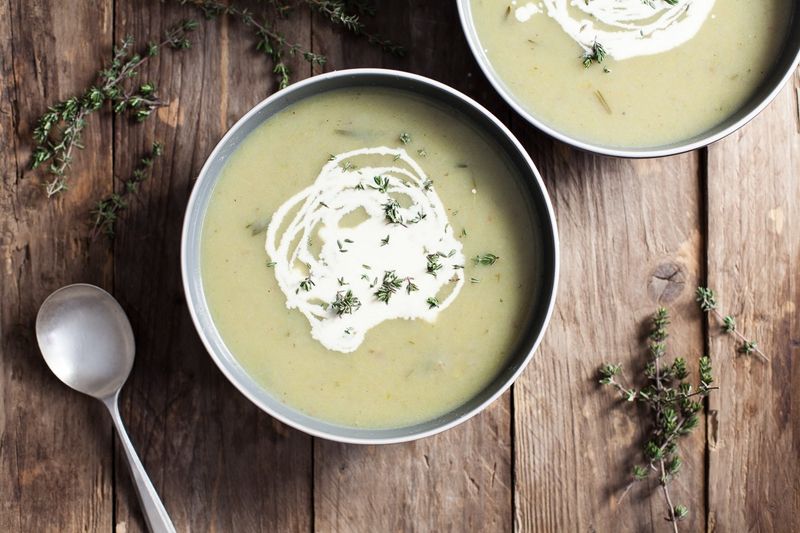
Victorian cooks created this vibrant soup using Jerusalem artichokes, which they mistakenly associated with the Holy Land due to naming confusion. The unusual vegetables produced a distinctive, earthy flavour that became fashionable among middle-class households.
Gardeners grew Jerusalem artichokes specifically for soup-making, as the hardy plants thrived in British soil and weather conditions. Cookbooks featured numerous variations, each claiming superior techniques.
Despite the geographical misunderstanding, the soup earned genuine popularity for its unique taste and satisfying texture that differed completely from conventional vegetable preparations.
7. Nut And Almond Soups
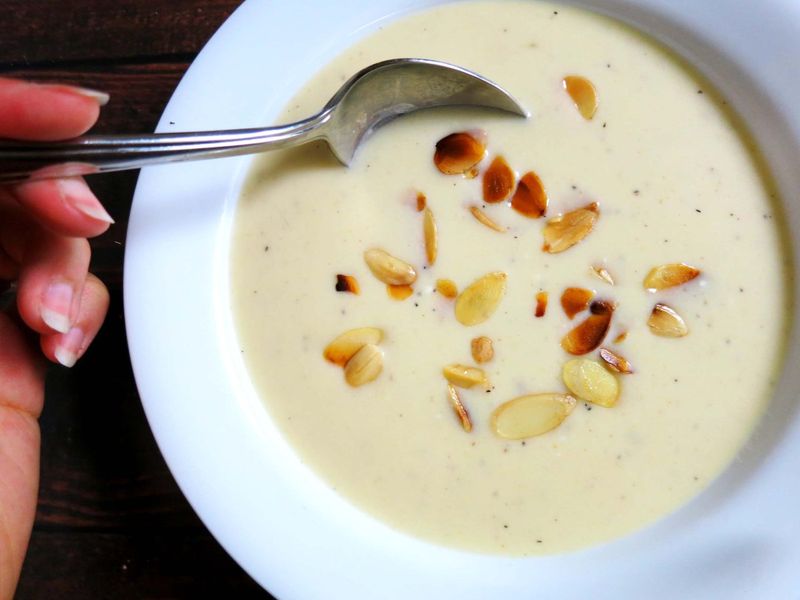
Wealthy Georgian households regularly served elegant nut-based soups as sophisticated starters during elaborate dinner parties. Ground almonds, walnuts, and hazelnuts created creamy, luxurious textures that impressed distinguished guests.
These soups demonstrated culinary refinement and access to expensive imported ingredients that ordinary families could never afford. Skilled cooks developed complex preparation methods involving multiple stages and careful seasoning.
Modern dietary preferences actually favour such plant-based, protein-rich options, making these forgotten recipes surprisingly relevant for contemporary health-conscious diners seeking interesting alternatives.
8. Watercress Soup
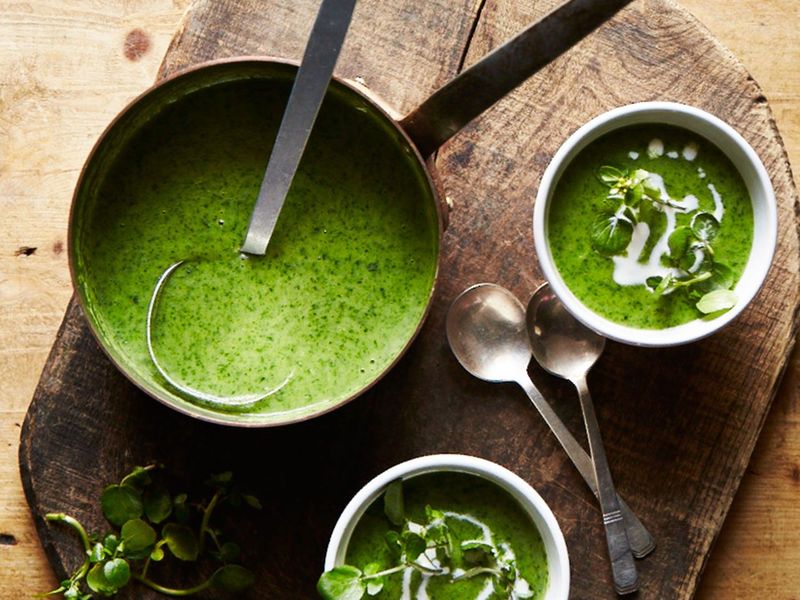
Country folk gathered fresh watercress from clean streams and rivers, creating peppery, nutritious soups that provided essential vitamins during lean times. The abundant wild plant cost nothing but offered remarkable health benefits.
Victorian doctors actually prescribed watercress soup for various ailments, recognising its high iron content and medicinal properties. Many families relied on foraged watercress as a reliable food source throughout difficult seasons.
Today's interest in wild foods and sustainable eating makes watercress soup particularly appealing, though finding unpolluted sources requires careful consideration of water quality.