







Britain’s food traditions run deep, and some are considered so important that their names are legally protected.
This doesn’t mean the recipes can’t be changed, but only products made in the right region and to strict standards can use the official title.
From the Cornish pasty to Scottish specialities, these protected foods showcase the pride and heritage woven into British cooking.
This article is for general information only. Protected status applies to a food’s name rather than its recipe, and photos are for illustrative purposes.
1. Melton Mowbray Pork Pie
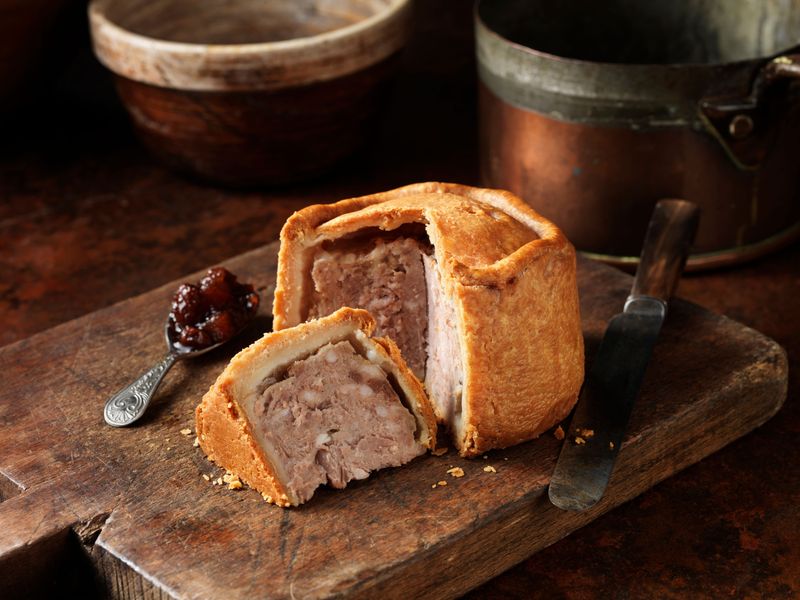
Only pork pies made in and around this Leicestershire market town can legally carry the famous name. The secret lies in the hot water crust pastry and the way the filling is prepared uncured, giving it that distinctive grey colour.
Proper Melton Mowbray pork pies must be hand-raised, not baked in a mould, creating those characteristic bulging sides. The Protected Geographical Indication status means you're getting the real deal every time.
2. Welsh Laverbread
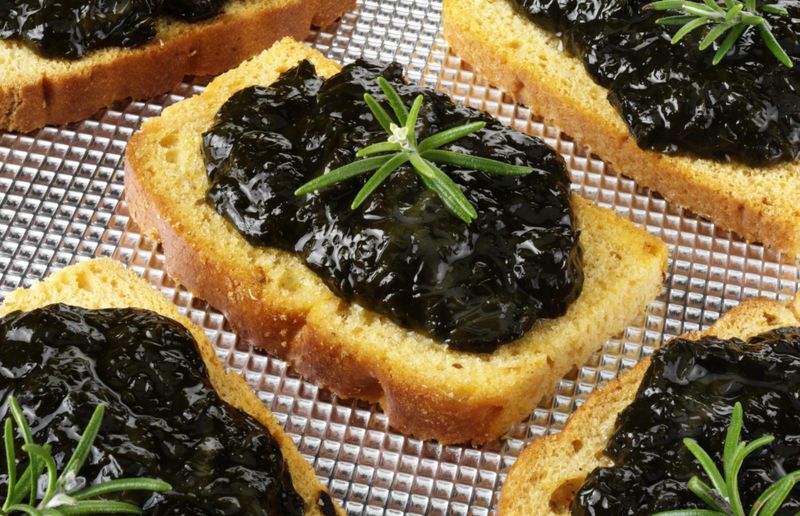
Seaweed might not sound appetizing, but this Welsh delicacy has been nourishing coastal communities for generations. Made from purple laver seaweed collected from Welsh shores, it's boiled down into a dark, nutrient-rich paste that locals call 'Welsh caviar'.
The traditional preparation method and specific Welsh coastal origins earn this superfood its protected status. Mixed with oatmeal and fried into patties, it's proper Welsh comfort food.
3. Cornish Clotted Cream
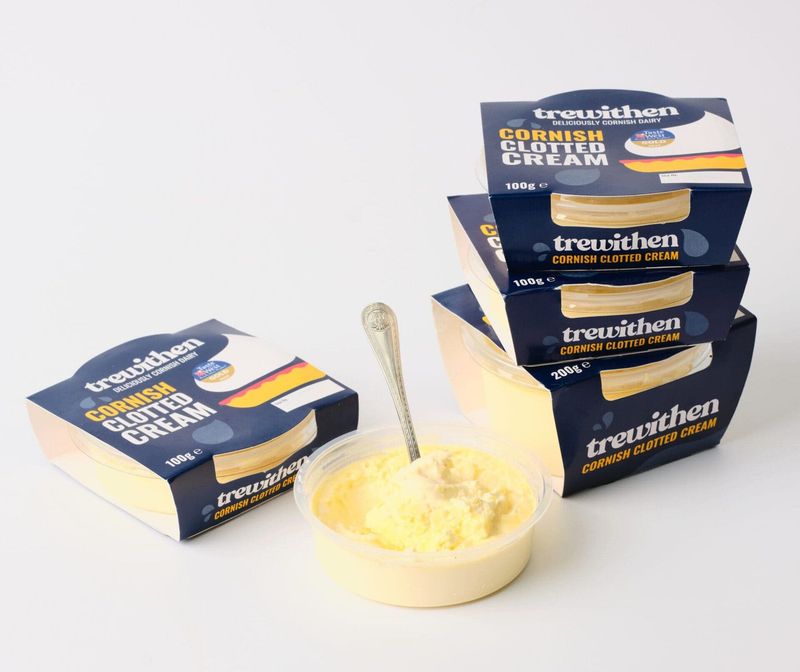
That thick, golden layer of pure indulgence can only be called Cornish clotted cream if it's made in Cornwall or Devon using traditional methods. The cream is gently heated until it forms that characteristic crusty top and silky underneath.
Protected Designation of Origin status means no shortcuts or imitations allowed. Whether you put jam first or cream first on your scone, make sure it's the genuine Cornish article underneath.
4. Stornoway Black Pudding
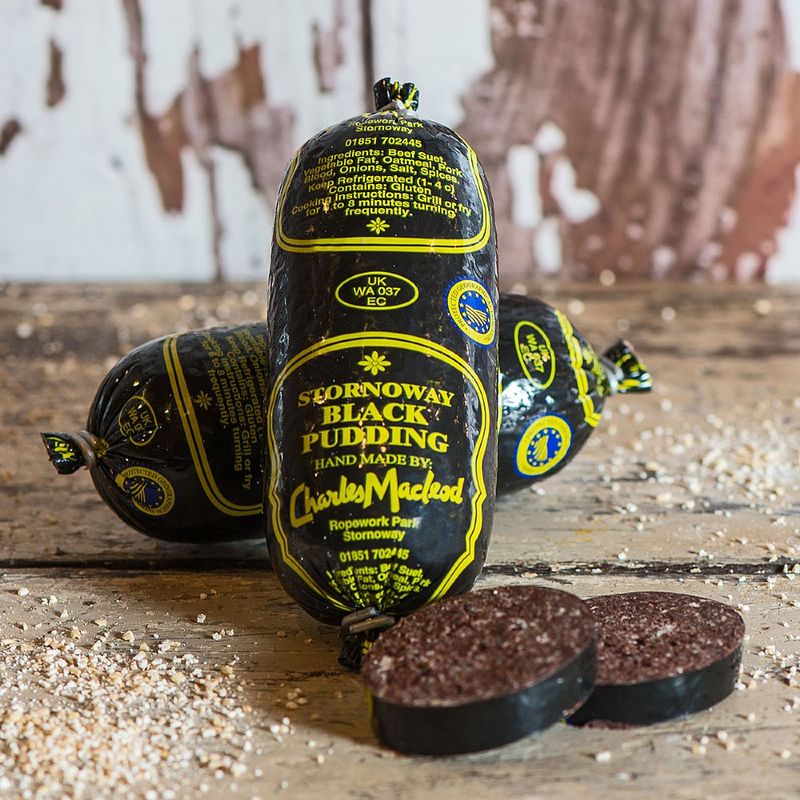
The Outer Hebrides produce Britain's most famous black pudding, and only versions made on the Isle of Lewis can use the Stornoway name. This isn't your average blood sausage - it's made with beef suet, oatmeal, and a secret blend of spices.
The island's unique climate and traditional curing methods create a distinctively rich flavour. European protected status ensures this Scottish delicacy maintains its authentic island heritage and time-honoured preparation techniques.
5. Jersey Royal Potatoes
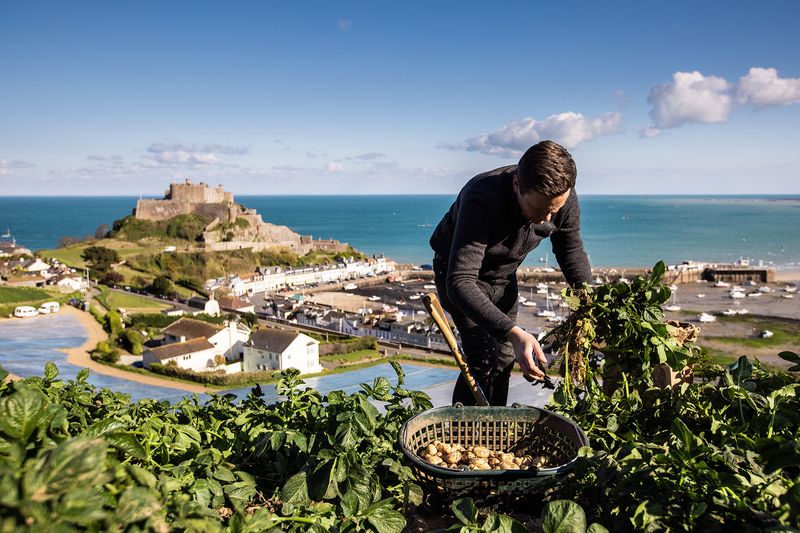
These kidney-shaped beauties can only grow in Jersey's unique soil and climate, making them one of Britain's most exclusive vegetables. The island's seaweed fertilizer and frost-free conditions create potatoes with an unmistakable nutty, sweet flavour.
Protected Designation of Origin means you'll never find genuine Jersey Royals grown anywhere else. Their short season from March to July makes them even more precious to British food lovers everywhere.
6. Cornish Pasty
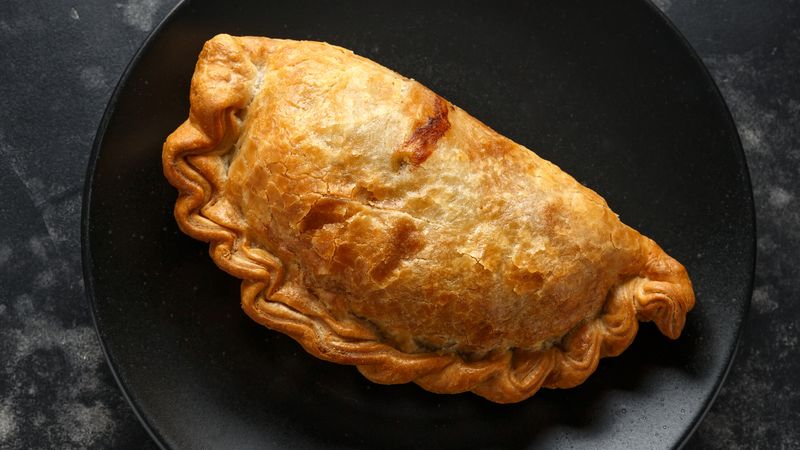
Cornwall's most famous export has strict rules governing its creation, from the crimped edge sealed on one side to the specific filling requirements. Beef, potato, swede, and onion must be the only ingredients, seasoned simply with salt and pepper.
The distinctive D-shape and side crimp aren't just tradition - they're legal requirements. Protected Geographical Indication status means mass-produced imitations can't steal this Cornish icon's thunder or authentic mining heritage.
7. Traditional Welsh Caerphilly
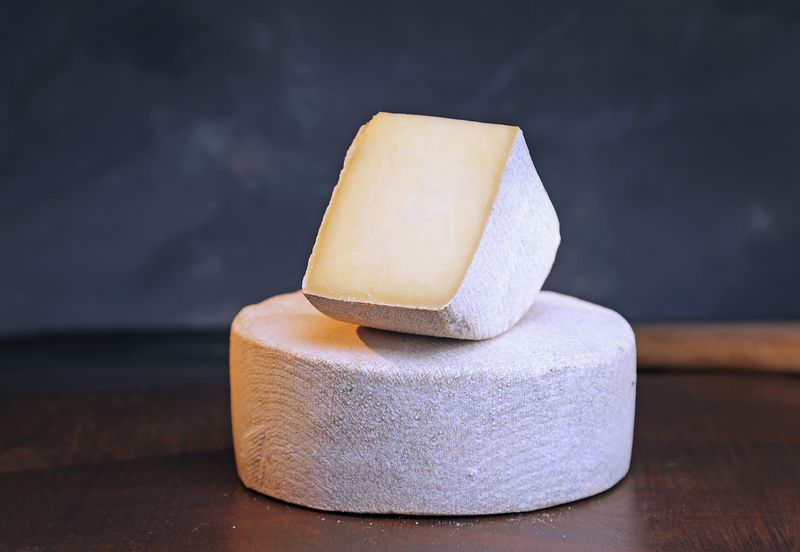
This crumbly white cheese gets its name from the Welsh town where it was first made by miners' wives. The traditional method creates a distinctive white rind and creamy interior that's both tangy and mild.
Only cheese made using specific traditional methods can carry the Caerphilly name. The Protected Designation of Origin ensures this Welsh treasure maintains its authentic character, supporting traditional cheesemakers who keep centuries-old techniques alive.
8. Scotch Beef And Lamb
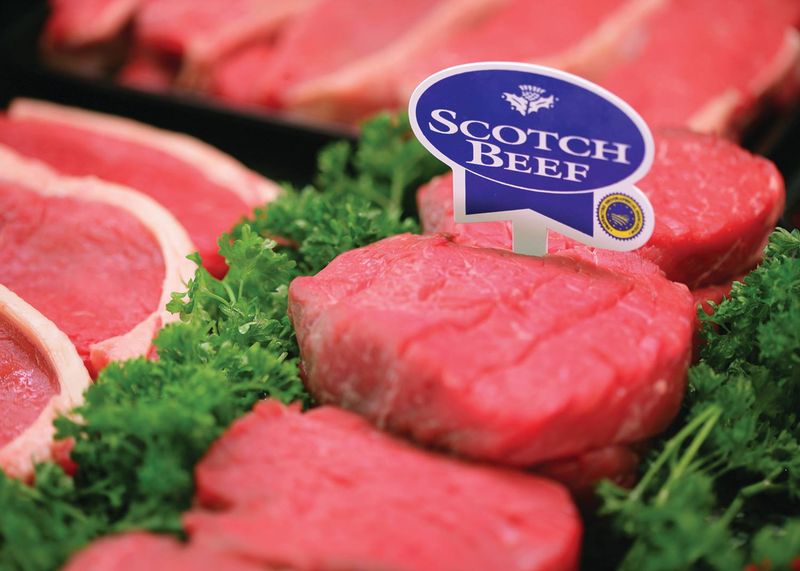
Scotland's grass-fed cattle and sheep produce some of Europe's finest meat, earning prestigious Protected Geographical Indication status. The country's clean air, pure water, and lush pastures create beef and lamb with exceptional flavour and tenderness.
Strict quality standards govern everything from animal welfare to processing methods. When you see the Scotch Beef or Scotch Lamb label, you're guaranteed meat from animals born, reared, and processed entirely within Scotland's borders.
9. Stilton Cheese
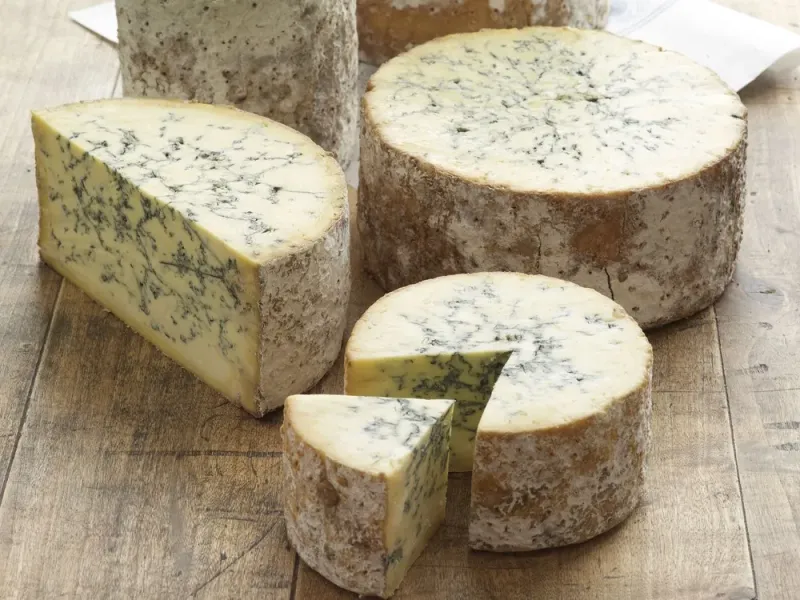
Britain's king of blue cheeses can only be made in Derbyshire, Leicestershire, or Nottinghamshire using traditional methods passed down through generations. The distinctive blue-green veining comes from Penicillium roqueforti cultures added during the cheesemaking process.
Protected Designation of Origin status means strict quality controls govern every wheel. Each Stilton must be cylindrical, form its own crust, and develop those characteristic blue veins naturally through careful aging.