











Ever noticed how your favourite snack tastes different when you’re in a bad mood? It’s not your imagination - your emotions can actually change the way your taste buds work. From stress dulling sweetness to happiness making flavours pop, your mood might be influencing every bite more than you think.
This article is for general informational purposes only and not a substitute for professional medical or psychological advice. Always seek guidance from a qualified healthcare professional if you have concerns about your diet, mood, or overall wellbeing.
1. Why Comfort Foods Taste Better When You're Down
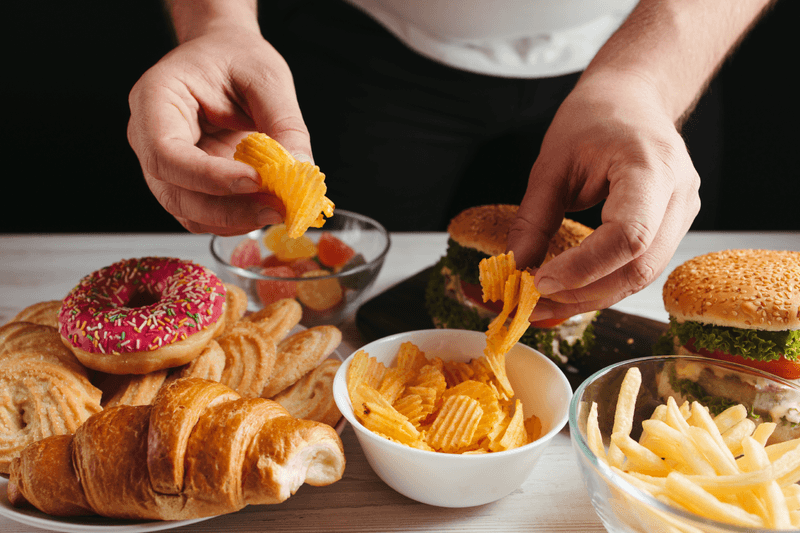
Feeling blue makes your brain search for foods that provide emotional relief. Creamy, rich, and familiar flavours trigger happy memories, releasing feel-good chemicals called dopamine.
Your body naturally craves these comforting tastes when sadness strikes. Foods like macaroni cheese or warm biscuits become extra delicious because they offer both physical satisfaction and emotional warmth during tough moments.
2. How Joy Makes Sweet Flavours Even Sweeter
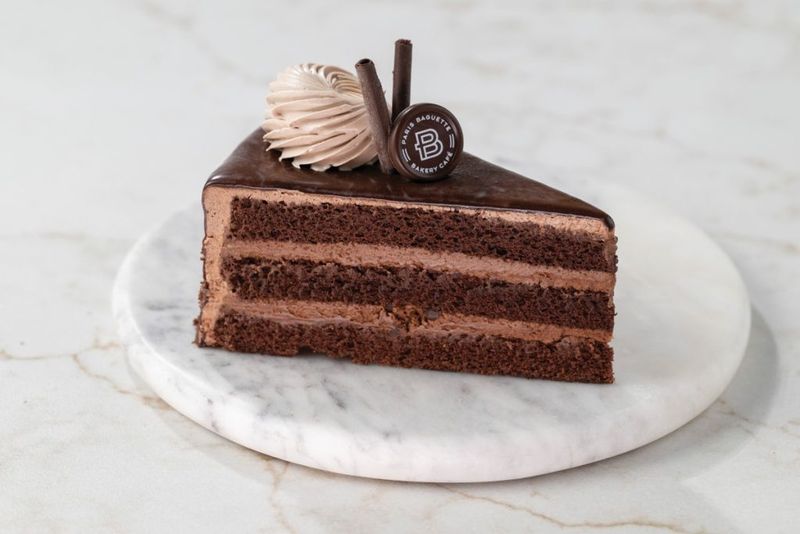
Happiness doesn’t change how your taste buds work, but it can make sweet foods feel more enjoyable. When you’re in a good mood, your brain focuses more on pleasure and sensory details, which can make desserts seem richer or more satisfying.
Positive emotions enhance your appreciation of sweetness rather than your physical ability to taste it. That slice of cake might not be sweeter - you’re just enjoying it more fully.
3. The Strange Way Stress Changes Your Cravings
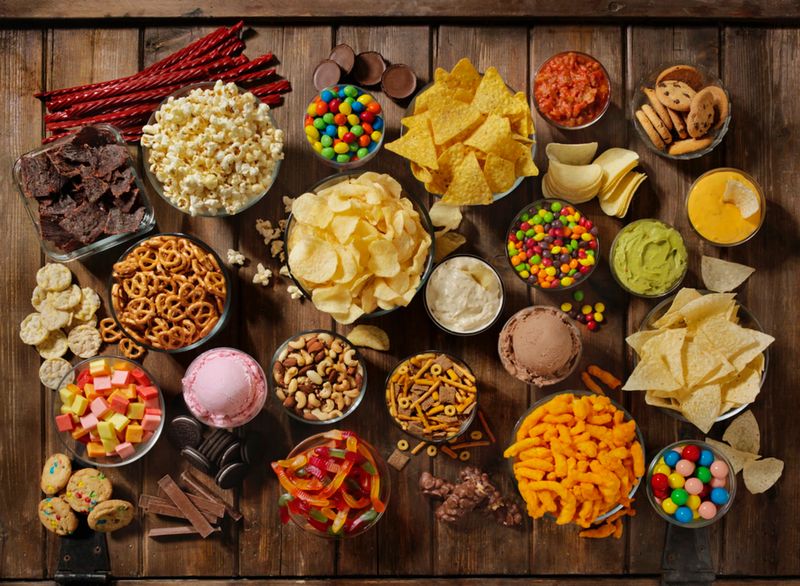
When you’re stressed, your body releases cortisol, which can influence your appetite and food choices. Many people crave salty, crunchy, or fatty foods because they provide quick comfort and energy.
Stress doesn’t completely change your taste preferences, but it does nudge your brain toward foods that feel rewarding in the moment. It’s your body’s way of coping with pressure, not a total taste transformation.
4. Why Some Days Everything Tastes Bland
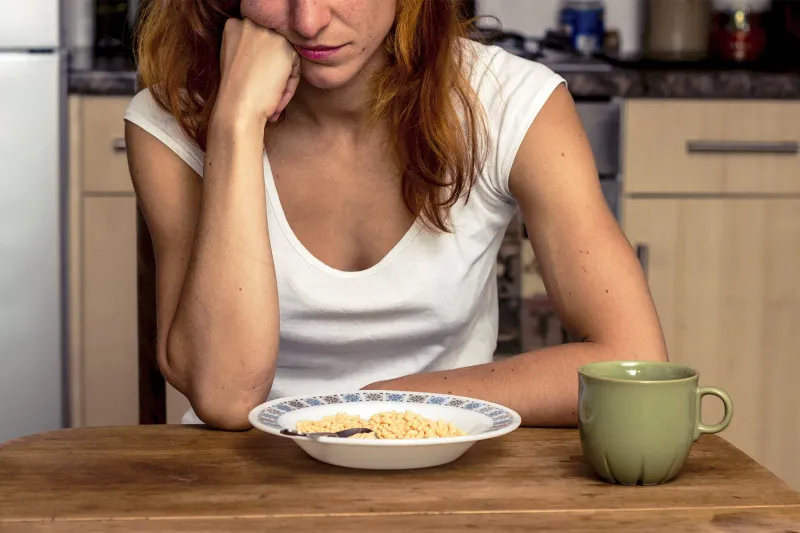
Food can seem dull or flavourless when you’re tired, anxious, or feeling low. This isn’t because your taste receptors stop working - it’s because your brain pays less attention to sensory details when you’re emotionally drained.
Stress and fatigue can also reduce saliva production, which affects how flavours are carried. Even your favourite dishes can feel flat when your mood takes a dip.
5. How Your Brain Decides What Flavours You Crave
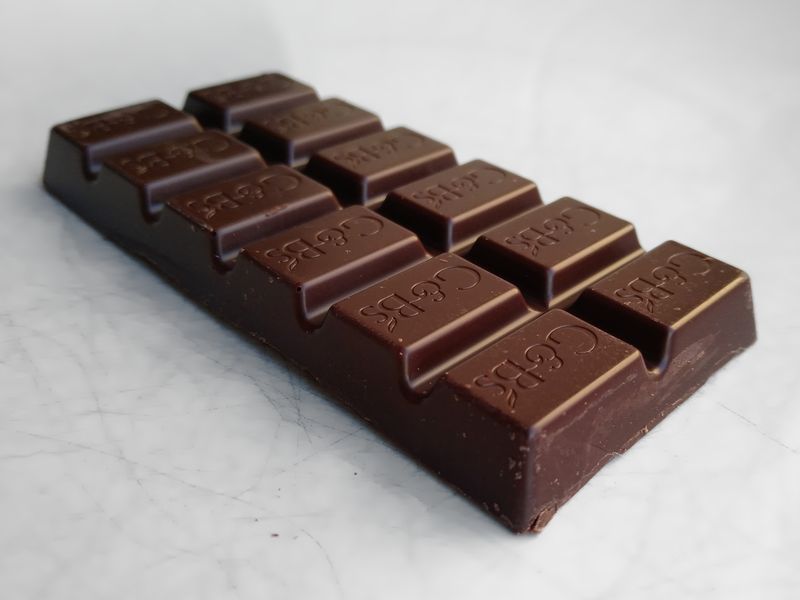
Your emotional state sends powerful signals to your brain's reward centre, influencing food preferences. Different moods activate specific neural pathways that determine which flavours sound appealing.
When anxious, you might want crunchy textures. Loneliness often triggers desires for creamy foods. Your brain basically creates a flavour wishlist based on which tastes will provide the emotional boost you need right now.
6. The Reason Bitter Foods Taste Worse In A Bad Mood
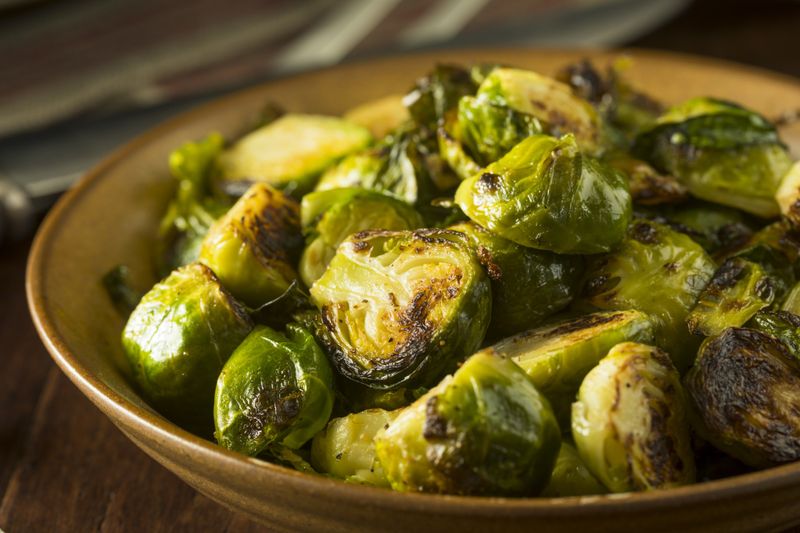
Negative emotions can make bitter foods seem harsher, even though the flavour itself hasn’t changed. When you’re upset or tense, your brain may become more sensitive to unpleasant tastes. This reaction likely comes from an evolutionary response that links bitterness with danger.
So while Brussels sprouts or dark chocolate aren’t any more bitter, your perception of them might be.
7. Can A Good Mood Actually Make Food Taste Better?

A happy mood can make meals feel more satisfying, even though it doesn’t physically heighten your sense of taste. Positive emotions help your brain register flavours more vividly and increase enjoyment during eating.
The release of feel-good hormones like endorphins simply makes you more receptive to pleasure. When you’re in good spirits, even simple food can feel like a small celebration.