











Few food pairings hit the spot quite like a golden grilled cheese dipped into rich, velvety tomato soup. It’s simple, nostalgic, and endlessly satisfying – the kind of meal that feels like home.
But this comforting combo didn’t just happen by chance. Its story stretches from post-war practicality to café culture favourite, proving that sometimes the simplest ideas stand the test of time.
This article is for general informational purposes only. Iinterpretations of food history and origin stories may vary between sources. Photos are for illustrative purposes only.
The Humble Beginnings Of Tomato Soup

Before it became a beloved store-cupboard staple, tomato soup was actually considered a bit posh. In Victorian Britain, tomatoes were still seen as exotic – even risky – with many people believing they were poisonous until the late 1800s.
Once that myth was dispelled, inventive cooks began experimenting, turning the once-feared fruit into elegant, warming soups served in upper-class homes.
By the early 20th century, tomato soup made its way to ordinary kitchen tables. Campbell’s introduced its famous condensed version in 1897, and though it took time to become widespread in Britain, it eventually evolved from a luxury dish into a comforting, affordable classic loved by everyone.
How Grilled Cheese Evolved From Simple Toast To Comfort Classic
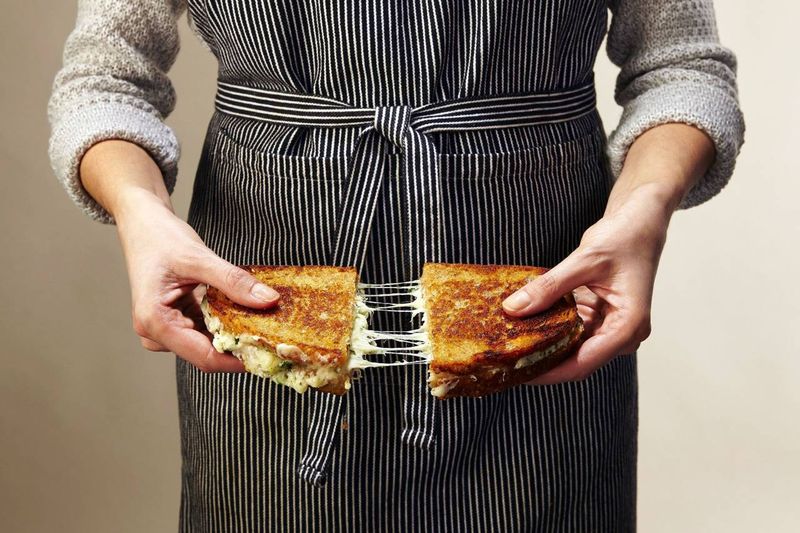
Cheese on toast has been a British favourite since medieval times, but the modern grilled cheese sandwich is a more recent invention.
Originally, people just melted cheese onto bread under a grill or by the fire. When sliced bread became widely available in the 1920s, it revolutionised how we made our cheesy treats.
Adding a second slice and frying the whole thing in butter created something truly special. The golden, crispy exterior paired with gooey melted cheese inside became irresistible.
This simple upgrade turned a quick snack into proper comfort food that could stand proudly alongside soup.
Why The Flavours Work So Perfectly In Harmony

Science explains why this combo tastes so brilliant together. Tomatoes contain natural umami compounds that enhance savoury flavours, whilst cheese brings rich, creamy fat that balances the soup's acidity.
When you dip crispy, buttery bread into tangy tomato soup, your taste buds experience multiple textures and temperatures at once.
The contrast between hot liquid and crunchy sandwich creates sensory excitement that keeps you coming back for more.
Sweet tomatoes complement salty cheese beautifully, whilst the bread soaks up flavour without becoming soggy too quickly. It's a textbook example of complementary tastes creating something greater than their individual parts.
The Role Of Canned Soup In Making The Combo Famous
Heinz brought tinned tomato soup to British shelves in the early 1900s, making it accessible to everyone. Before canned versions, making soup from scratch took hours of chopping, simmering, and straining. Suddenly, a hot, comforting meal was just minutes away, requiring only a tin opener and a saucepan.
Supermarkets like Tesco, Sainsbury's, and Asda made tinned soup even more affordable and convenient.
Marketing campaigns often showed families enjoying soup with sandwiches, reinforcing the pairing in British consciousness.
Today, own-brand and premium tinned soups sit side by side, keeping this classic combo alive for new generations.
Modern Twists On The Ultimate Comfort Duo
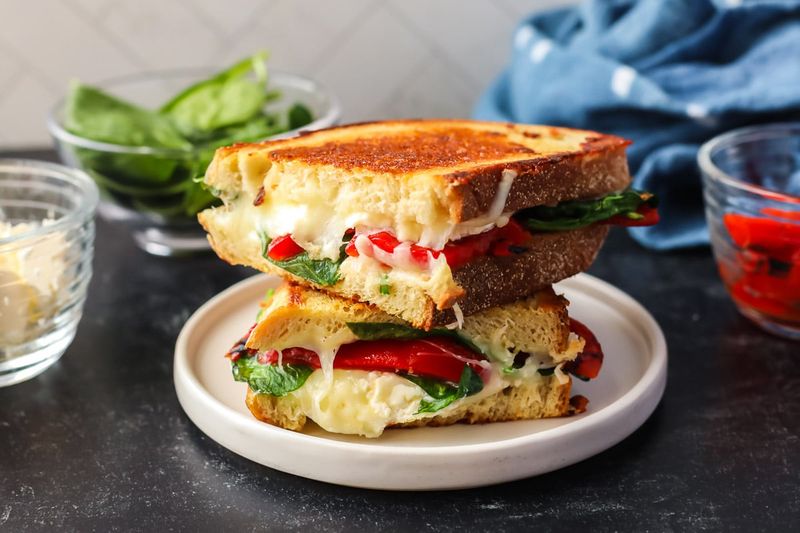
Contemporary cafés and home cooks are giving this classic pairing fresh updates.
Posh delis now offer roasted tomato and basil soup with sourdough grilled cheese featuring mature cheddar or smoked applewood. Some adventurous types add chutney, caramelised onions, or even kimchi to their toasties before dunking.
High street chains like Pret and independent coffee shops have embraced gourmet versions, whilst home cooks experiment with different breads and cheese varieties.
Despite these modern innovations, the original simple combination remains just as popular. Whether you prefer traditional or trendy, this pairing continues to evolve whilst staying true to its comforting roots.