


Nobody wants to be remembered as the difficult diner who ruined everyone's evening. When something goes wrong with your meal, you have every right to speak up, but how you do it makes all the difference. Learning to express your concerns gracefully ensures you get the service you deserve whilst maintaining respect for the hardworking staff around you.
This article is for general informational and entertainment purposes only. Customer service policies and dining experiences may vary by restaurant and location. Always remain courteous, respectful, and mindful when raising concerns with staff. Photos are for illustrative purposes only; scenarios may differ.
1. Stay Polite And Calm From The Start

Your tone sets the entire interaction. Restaurant staff respond far better to kindness than hostility, so take a breath before you signal for help.
Remember that mistakes happen in busy kitchens, and the person serving you probably didn't cause the problem. Approaching the situation with understanding creates a cooperative atmosphere where everyone wants to find a solution together.
2. Get The Server's Attention Discreetly

Snapping fingers or shouting across the room embarrasses everyone nearby. Instead, make eye contact with your server and raise your hand slightly when they glance your way.
If they're genuinely busy, wait for a natural pause in their duties. Patience here shows you respect their workload whilst still needing assistance with your concern.
3. Explain The Problem Clearly And Specifically

Vague complaints like "this isn't right" leave staff guessing. Be precise about what's wrong - whether your steak is overcooked, the soup arrived cold, or an ingredient you're allergic to appeared unexpectedly.
Clear communication helps the kitchen understand exactly what needs fixing. This saves time and prevents further disappointment when your replacement arrives.
4. Avoid Making A Scene Or Raising Your Voice
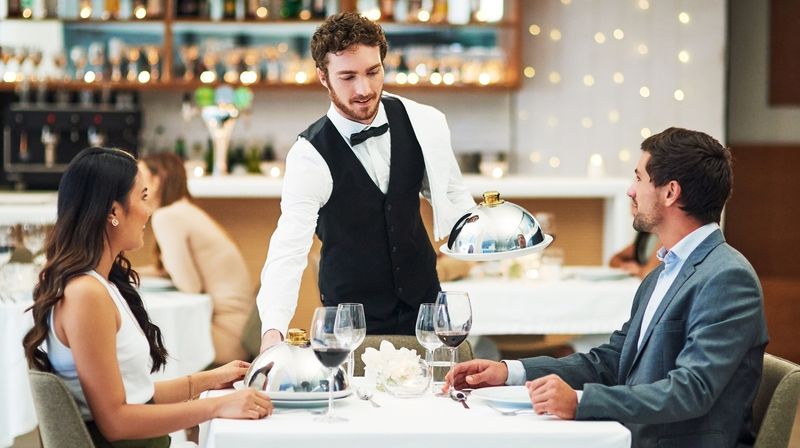
Shouting disrupts every table around you, not just your own. Other diners came to enjoy their meals, not witness an uncomfortable confrontation over yours.
Keeping your voice low and your body language relaxed shows maturity and often gets faster results. Staff are much more motivated to help someone who treats them with dignity during a difficult moment.
5. Give Staff A Chance To Fix The Issue

Once you've explained the problem, allow the team time to make it right. Rushing them or demanding instant solutions creates unnecessary pressure and rarely improves the outcome.
Most restaurants genuinely want happy customers and will work quickly to correct mistakes. Trust that they're doing their best, and you'll often be pleasantly surprised by their efforts.
6. Be Honest But Kind When Giving Feedback

Honesty helps restaurants improve, but cruelty never does. When sharing your experience, focus on the specific issue rather than attacking individual staff members personally.
Saying "the chicken was undercooked" works far better than "your chef is incompetent." Constructive feedback delivered respectfully can lead to genuine improvements whilst preserving everyone's dignity throughout the exchange.
7. Thank The Team If They Resolve It Gracefully

Acknowledging good service recovery matters enormously. When staff handle your complaint well, a simple thank you shows appreciation for their professionalism and effort. As a reasonable guest, you set the tone for how the interaction unfolds - patience and kindness often lead to better outcomes.
Remember, good manners and understanding turn a small mistake into a moment of mutual respect and genuine hospitality.