



When the weather changes, our eating habits often follow without us even noticing. Warm soups suddenly sound better than salads, or we start craving fresh fruit after months of cosy casseroles. Learning to eat with the seasons isn’t just about taste - it’s a simple way to feel more in tune with your body and make the most of what’s naturally on offer.
This article is for general informational purposes only and should not replace professional dietary or medical advice. Everyone’s nutritional needs vary depending on age, health, and lifestyle. If you’re planning major changes to your diet, it’s best to consult a qualified nutritionist or healthcare professional.
Eat More Seasonal Fruits And Vegetables
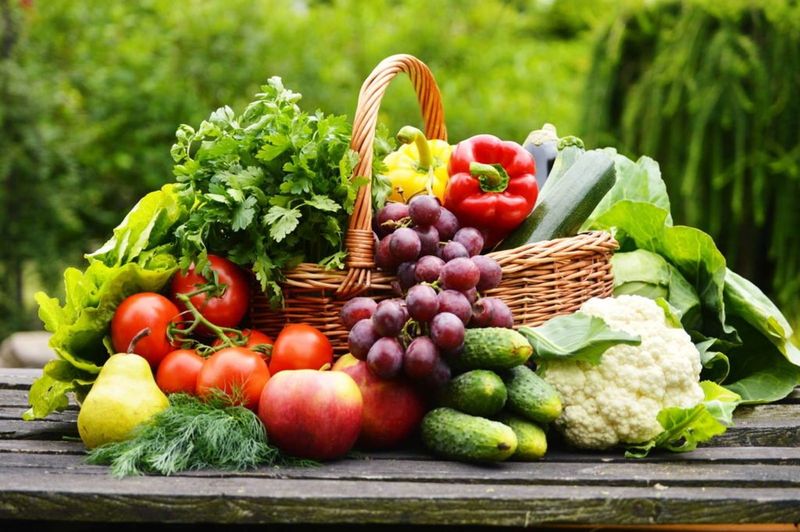
Nature provides exactly what your body needs at different times of the year. Winter brings nutrient-packed root vegetables like beetroot and carrots, whilst spring offers fresh asparagus and peas.
Summer delivers juicy berries and tomatoes, and autumn brings hearty squashes and apples. Shopping for what's in season means you'll get the freshest, most flavourful produce at better prices. Your local farmers' market is brilliant for discovering what's currently growing in your area.
Change Portion Sizes To Match The Weather
Your appetite naturally changes when temperatures shift dramatically. During chilly winter months, your body burns more energy staying warm, so you might feel hungrier and need larger, more satisfying meals.
When summer arrives, the heat often reduces appetite, making smaller portions feel just right. Pay attention to genuine hunger signals rather than eating out of habit. Adjusting how much you serve yourself based on the season keeps your energy balanced without overeating or feeling deprived.
Switch Cooking Methods For Each Season
How you prepare food matters just as much as what you eat. Cold weather practically begs for slow-cooked casseroles, warming soups, and roasted dishes that fill your kitchen with comforting aromas.
When temperatures rise, switch to grilling, steaming, or enjoying raw salads that won't heat up your home. These lighter cooking methods preserve more nutrients and vitamins too. Experimenting with different techniques throughout the year keeps meals interesting and perfectly suited to the weather outside your window.
Stay Hydrated Even When It's Cold

Most people remember to drink plenty during hot months but forget hydration remains crucial in winter. Central heating and cold air both dry out your body, yet you might not feel as thirsty.
Warm herbal teas, broths, and hot water with lemon count towards your daily fluid intake whilst keeping you cosy. Aim for at least eight glasses daily, regardless of season. Proper hydration supports your immune system, keeps skin healthy, and helps your body function brilliantly year-round.
Add Immune-Boosting Foods In Winter
Cold and flu season demands extra nutritional support to keep your defences strong. Citrus fruits packed with vitamin C, garlic with natural antibacterial properties, and ginger that soothes inflammation become your best friends.
Dark leafy greens like kale and spinach deliver essential vitamins, whilst mushrooms provide vitamin D when sunshine is scarce. Adding these powerful ingredients to your daily meals helps your immune system fight off winter bugs. Your body will thank you for this extra nutritional armour during challenging months.
Choose Lighter Dishes In Warmer Months

Heavy meals feel uncomfortable when temperatures soar and your body doesn't need as much fuel to stay warm. Summer is perfect for exploring lighter fare like colourful salads, chilled soups, and fresh fruit platters.
These meals digest more easily and won't leave you feeling sluggish in the heat. Grilled fish, cold pasta salads, and vegetable-based dishes provide plenty of nutrition without weighing you down. Lighter eating during hot months helps you stay energised and comfortable whilst still getting all the nutrients you need.
Listen To Your Body's Seasonal Cravings
Your body is remarkably clever at signalling what it needs. Craving warming stews in January or refreshing watermelon in July isn't random - it's your body asking for appropriate fuel.
Rather than fighting these natural instincts, honour them by choosing nutritious options that satisfy those seasonal urges. If you fancy something hearty, pick wholesome ingredients. When you want something cool and light, reach for fresh produce. Trusting your body's wisdom whilst making smart choices creates a healthy, sustainable eating pattern that changes beautifully with the seasons.