




Christmas dinner in the UK is starting to look a little different from the plates we grew up with.
While turkey and roast potatoes still have their place, many tables now reflect changing tastes, lifestyles, and a bit more creativity.
From what we cook to how we serve it, the festive meal is quietly adapting to modern habits.
It’s a fascinating mix of tradition holding on and new ideas making themselves at home.
This content is for general purposes only, and holiday dinner choices can vary widely depending on personal preferences and regional trends.
1. The Rise Of Plant-Based Christmas Dinners
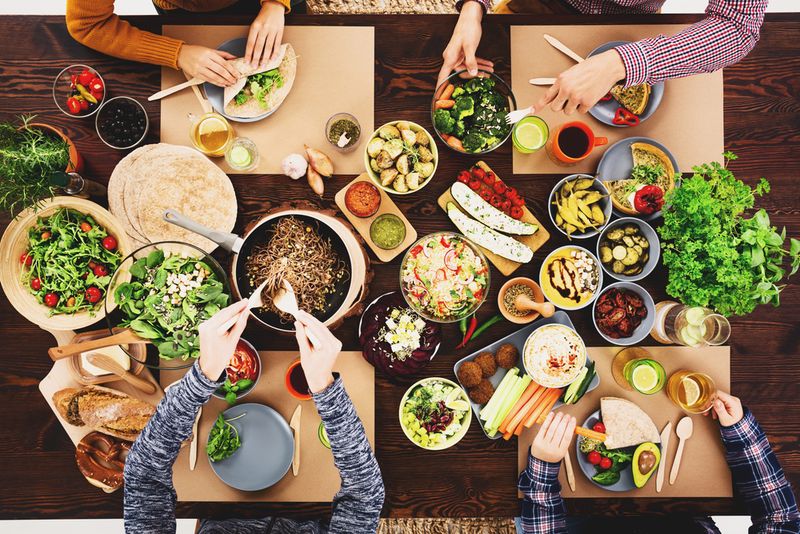
More households in the UK are embracing plant-based Christmas dinners as part of a shift towards more sustainable and ethical eating habits.
Nut roasts, vegetable-based main dishes, and plant-based alternatives to traditional turkey are becoming popular choices for those looking to enjoy a meat-free festive feast.
Supermarkets continue to expand their range of plant-based Christmas products, catering to a growing demand.
Many families choose plant-based options for health reasons, environmental concerns, and ethical considerations, making this trend a staple at Christmas tables across the country.
2. Incorporating International Flavours Into Christmas Feasts
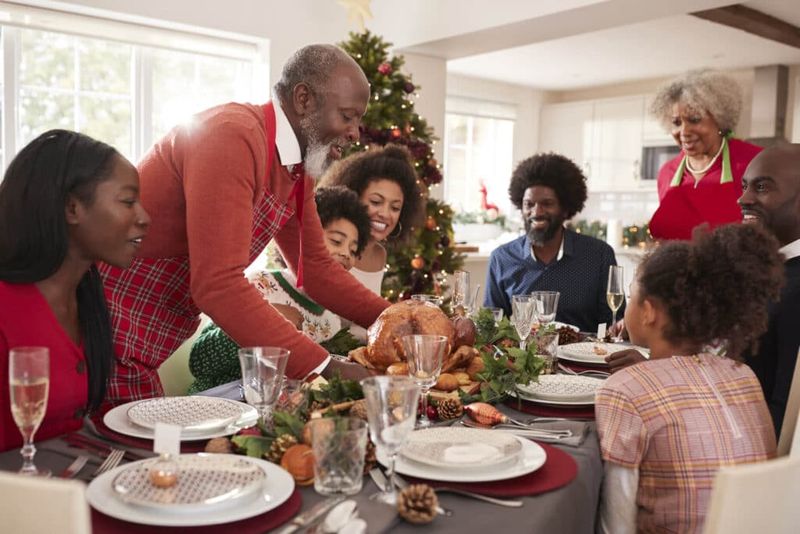
British Christmas dinners are becoming deliciously global affairs.
Families now blend traditional roasts with spices, marinades, and cooking techniques borrowed from cuisines worldwide.
Turkish-inspired stuffings, Indian-spiced vegetables, and Italian-style antipasti starters appear alongside conventional Brussels sprouts.
This culinary fusion reflects Britain's multicultural society and adventurous palates.
Celebrity chefs encourage home cooks to experiment boldly with flavour combinations that honour diverse heritage.
3. Smaller, Intimate Christmas Dinners Replacing Large Gatherings
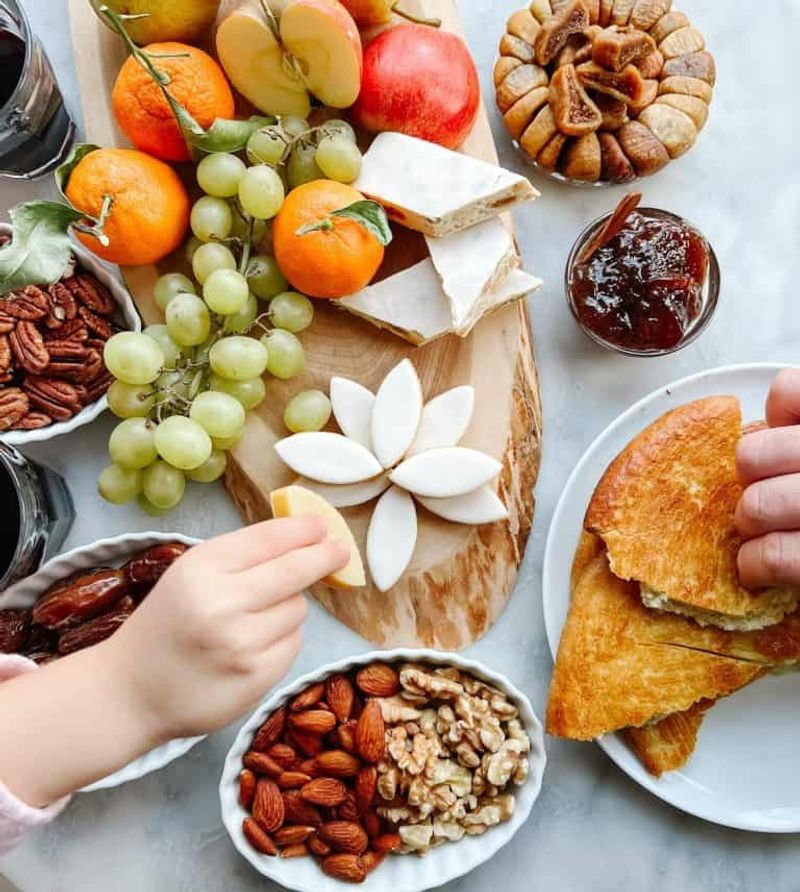
Gone are the days when extended families squeezed around groaning tables.
Many Britons now prefer smaller, more manageable Christmas celebrations with just immediate family or close friends.
This shift allows for more relaxed hosting, reduced food waste, and meaningful conversations.
Cooking for fewer people also means less stress and more time enjoying the day.
Quality connections matter more than quantity nowadays.
4. The Popularity Of Alternative Meats Like Venison And Game
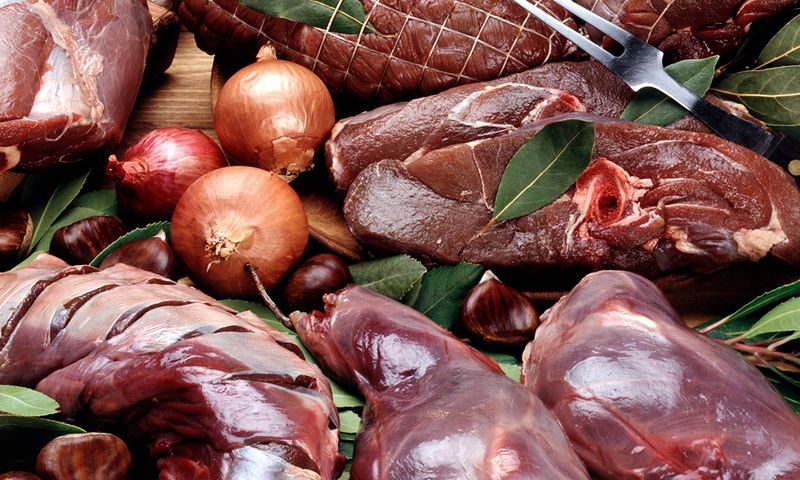
Traditional turkey faces competition from adventurous protein choices.
Venison, pheasant, duck, and other game meats are appearing more frequently as Christmas centrepieces across Britain.
These alternatives offer distinctive flavours and often come from sustainable, wild sources.
Game meat tends to be leaner and provides a talking point that makes celebrations memorable.
Adventurous cooks appreciate the challenge of preparing something different and impressive.
5. Innovative Side Dishes Taking The Spotlight
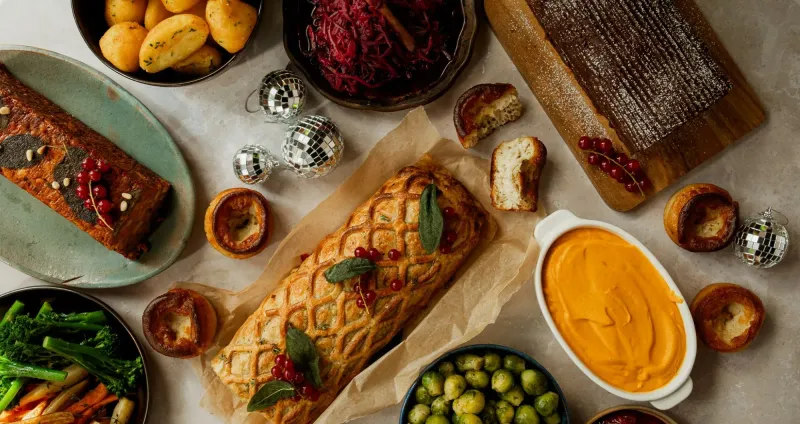
Side dishes are stealing the show at modern Christmas dinners.
Creative cooks elevate humble vegetables into show-stopping accompaniments that rival the main course for attention.
Honey-glazed heritage carrots, truffle-infused mashed potatoes, and gourmet cauliflower cheese demonstrate culinary ambition.
Instagram-worthy presentation transforms sides from afterthoughts into centrepieces.
Vegetable-focused dishes ensure everyone finds something exciting, regardless of dietary preferences.
6. Vegetarian And Vegan Christmas Dishes Gaining Popularity
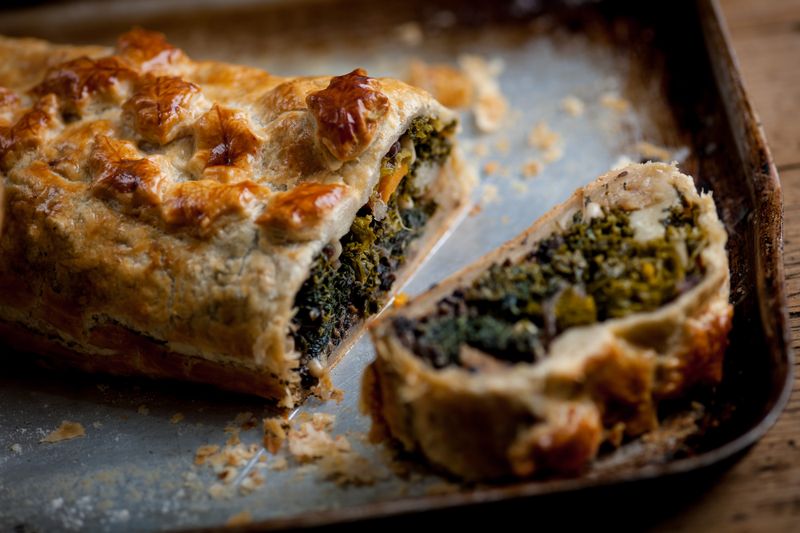
Vegetarian and vegan dishes are becoming a more prominent part of UK Christmas dinners, offering festive alternatives to traditional meat-based dishes.
With supermarkets offering an increasing variety of plant-based options, including Mushroom Wellingtons and lentil-based roasts, these dishes are gaining a loyal following.
They provide satisfying alternatives that not only cater to those with dietary preferences but also appeal to non-vegans looking to try something different.
These festive meals are celebrated for their creativity and flavour, and they continue to gain popularity as more people explore plant-based holiday options.
7. More Flexible Serving Styles And Timings
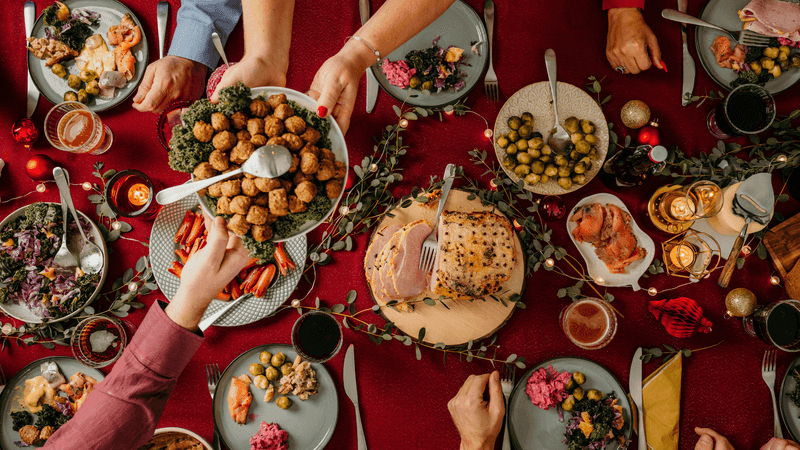
Christmas dinner is no longer locked into a strict sit-down format at a fixed time.
Many households now favour relaxed serving styles, such as grazing tables or staggered courses throughout the day.
This approach allows people to eat when they are hungry rather than following rigid schedules.
It also reduces pressure on the host and keeps the day feeling calm and social.
Flexible serving suits modern family routines and mixed-age gatherings far better than formal traditions.
8. The Move Toward Healthier, Lighter Christmas Meals
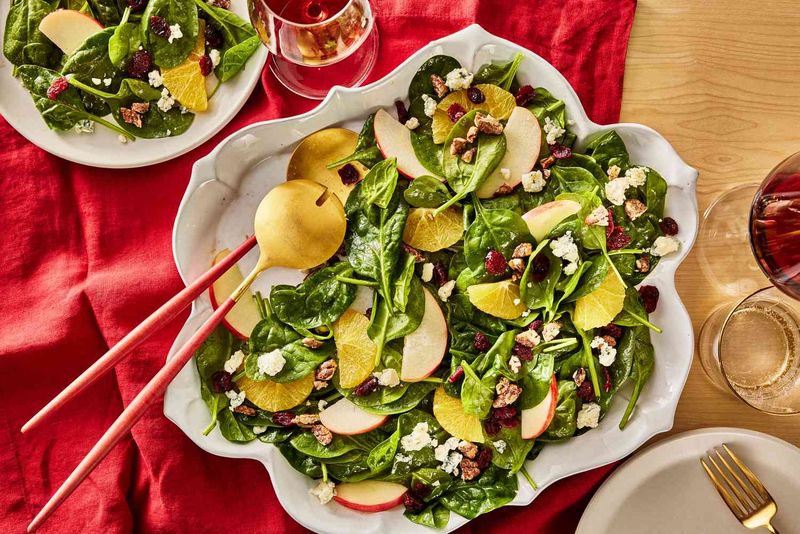
Heavy, stodgy Christmas dinners are falling out of favour.
Health-conscious families opt for lighter preparations that leave everyone comfortable rather than uncomfortably stuffed.
Steaming vegetables instead of roasting in fat, choosing leaner cuts, and reducing portion sizes help maintain festive enjoyment without the traditional food coma.
Fresher ingredients and simpler cooking methods preserve natural flavours.
9. Traditional Desserts Getting A Modern Twist
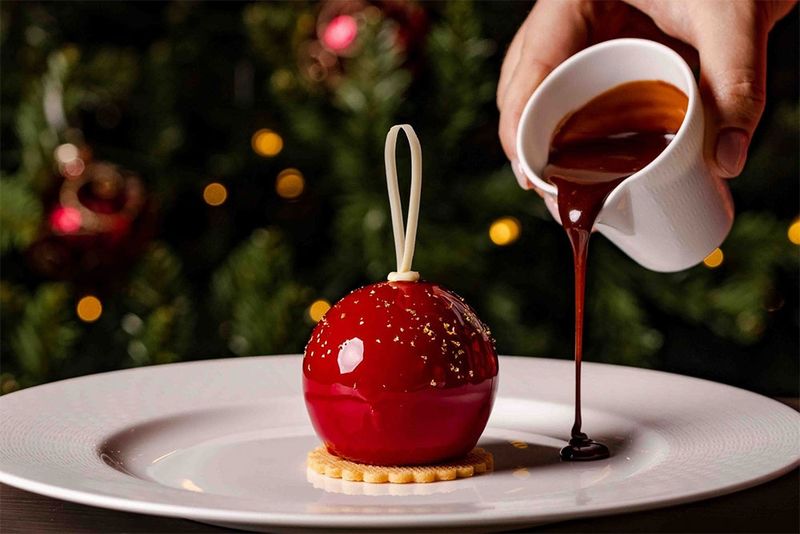
Classic Christmas pudding and mince pies receive contemporary makeovers.
Chefs and home cooks reimagine traditional sweets with unexpected ingredients, lighter textures, and Instagram-worthy presentations.
Deconstructed puddings, exotic spice additions, and alternative sweeteners modernise familiar favourites.
Younger generations appreciate tradition but demand innovation that suits current tastes.
Heritage recipes evolve whilst maintaining their festive essence and nostalgic appeal.
10. Greater Focus On Reducing Food Waste

Reducing food waste is becoming an important part of how British families plan Christmas dinner.
More people are cooking smaller quantities and choosing dishes that can be reused for leftovers.
Leftover-friendly meals help stretch festive ingredients across several days without feeling repetitive.
Planning portions carefully also saves money during an already expensive time of year.
This shift reflects a growing awareness of sustainability without losing the joy of the celebration.
11. The Influence Of Social Media On Christmas Dinner Choices
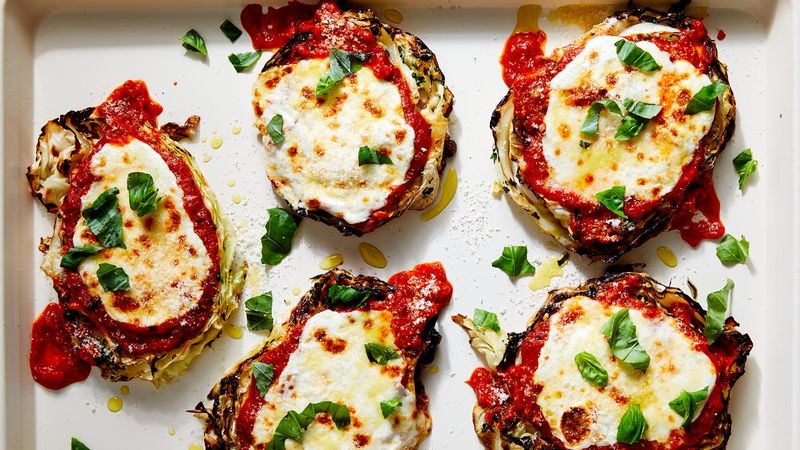
Instagram, TikTok, and Pinterest dramatically influence what appears on Christmas tables.
Visually stunning dishes that photograph beautifully often trump traditional recipes in popularity.
Home cooks seek viral recipes, trending ingredients, and picture-perfect presentation techniques discovered online.
Social media creates pressure to impress but also inspires creativity and experimentation.
Sharing festive food photos has become as traditional as eating the meal itself.