



Ever wondered how your gran's Christmas dinner might have differed from yours? The British holiday feast has transformed dramatically over generations, reflecting changing tastes, technology, and cultural influences.
From medieval banquets to today's diverse spreads, let's explore how our festive tables have evolved through the decades.
1. From Goose To Turkey

Geese ruled British Christmas tables until the 1950s when American turkeys muscled their way onto our festive plates. The shift happened as turkeys became more affordable and offered more meat per pound.
Families gradually embraced this new tradition, with turkey consumption skyrocketing during the post-war years. Today, approximately 76% of British households serve turkey as their Christmas centerpiece.
2. The Rise Of Roast Potatoes

Surprisingly, those gloriously crispy roasties weren't always the star of the show! Before the Victorian era, potatoes were often boiled or mashed for holiday meals.
Queen Victoria's chef popularized the technique of parboiling then roasting in hot fat, creating that perfect crisp exterior. By the 1920s, golden roast potatoes had become non-negotiable on British Christmas tables, displacing older root vegetables.
3. Decline Of Boiled Veg

Soggy, overboiled vegetables were once the hallmark of British holiday meals! Throughout the 1950s-70s, carrots, cabbage and parsnips were typically boiled until soft.
Continental influences and TV chefs in the 1990s revolutionized our approach. Modern British tables now feature roasted, glazed or pan-fried vegetables with herbs and spices, preserving both nutrients and flavour that our grandparents never experienced.
4. Store-Bought Gravy Replaces Homemade

Making gravy from scratch was once a fine art passed through generations. Cooks would carefully collect meat drippings, add flour, and simmer with herbs and stock.
The 1970s saw the introduction of granules and ready-made options that transformed this tradition. By 2010, surveys showed over 40% of British households used shop-bought gravy for Christmas dinner, though many still add their own meat juices for authenticity.
5. The Evolution Of Stuffing

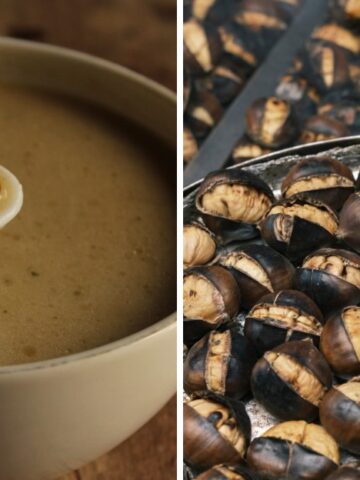
Medieval British stuffings contained ingredients we'd find peculiar today - chestnuts and fruits mixed with offal and suet. Victorian-era recipes simplified to breadcrumbs, herbs, and onions.
The 1960s brought packet stuffing mixes to British kitchens, offering convenience with reasonable flavour. Recent years have seen a renaissance of artisanal stuffings featuring cranberries, nuts, and even exotic ingredients like apricots or chorizo.
6. Vegetarian Mains Join The Table

Meat-free options at Christmas were virtually non-existent before the 1980s! Vegetarians typically cobbled together a meal from side dishes.
The rise of nut roasts began in earnest during the late 1980s, while the 1990s introduced commercially available options. Today's British holiday tables often feature sophisticated plant-based centerpieces like Wellington-style pastries, stuffed squash, or mushroom-based roasts.
7. Brussels Sprouts Get A Makeover

Love them or loathe them, sprouts have undergone a remarkable transformation! Until the 1990s, these festive green orbs were typically boiled to sulfurous submission, creating generations of sprout-haters.
Modern British holiday tables now feature sprouts roasted with pancetta, honey-glazed, or shredded into slaws. Celebrity chefs like Nigella Lawson and Jamie Oliver championed these revamped recipes, changing public perception of this once-dreaded Christmas vegetable.
8. Starters Become The Norm

Formal starters weren't standard at British Christmas tables until relatively recently. Before the 1970s, most families went straight to the main event.
The influence of dining out and European traditions gradually introduced the concept of festive first courses. Prawn cocktail dominated the 1970s-80s, while smoked salmon became the sophisticated choice of the 1990s. Modern tables might feature anything from pâté to fancy soup.
9. Pudding Portions Get Lighter

Victorian Christmas puddings were dense affairs, packed with suet and served in hefty portions after an already substantial meal. Families would prepare these months in advance, allowing flavours to mature.
Modern British tastes prefer lighter options. Today's puddings contain less suet and are often served in smaller portions with alternatives available. Many households now buy rather than make their puddings, with sales peaking in early December.
10. Cheese Boards Take Centre Stage

Cheese wasn't always part of the British Christmas feast! The tradition of post-pudding cheese boards gained popularity in the 1980s, inspired by French dining customs.
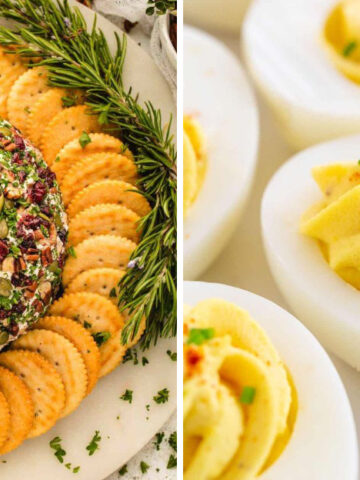
Initially featuring just cheddar and stilton, today's festive cheese selections have expanded dramatically. Modern British holiday tables showcase artisanal varieties, often locally produced, served with specialty crackers, chutneys, and even port pairings - creating an entire additional course.
11. More Sharing Platters On Offer

Formal individual plating once dominated British Christmas tables, with the host carving meat and serving precise portions to each guest. This Victorian-inspired service style remained standard until the 1990s.
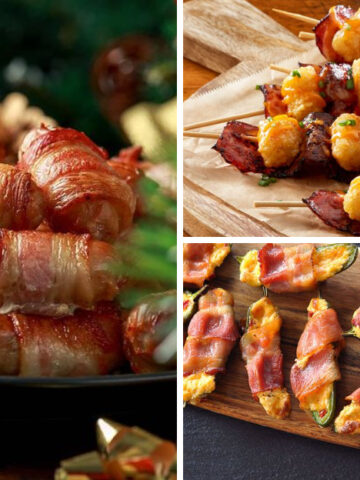
Contemporary British holiday meals increasingly feature sharing platters placed in the center of the table. This relaxed, family-style service encourages conversation and creates a more convivial atmosphere, reflecting broader cultural shifts toward casual dining.
12. Desserts Beyond Christmas Pudding

Christmas pudding once reigned supreme as the only acceptable festive dessert. Families who served alternatives risked raised eyebrows from traditionalists!
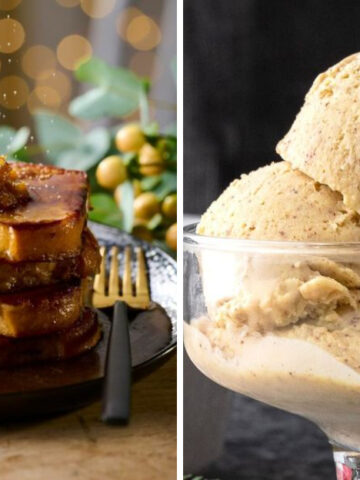
The 1980s saw trifle gaining acceptance, while the 1990s welcomed chocolate yule logs to British tables. Today's holiday spreads might feature pavlovas, cheesecakes, or trendy desserts like panettone bread and butter pudding - reflecting our increasingly diverse culinary influences.