


That quick dash to the supermarket for one forgotten item rarely stays that simple – somehow a few extras always find their way into the basket.
It is not accidental, either.
Store layouts are carefully planned to guide how shoppers move, what catches the eye, and how long people linger in certain areas.
From product placement and lighting to aisle flow and background sounds, subtle design choices quietly shape spending habits without most of us realising.
Learning how these layouts work can make everyday shopping feel a little more intentional and far less impulsive.
This article is for general informational purposes only and reflects common retail and consumer behaviour observations rather than professional financial or behavioural advice.
Shopping experiences may vary by store, location, and individual preference.
Photos are for illustrative purposes only.
Why Essentials Are Placed At The Back Of The Store
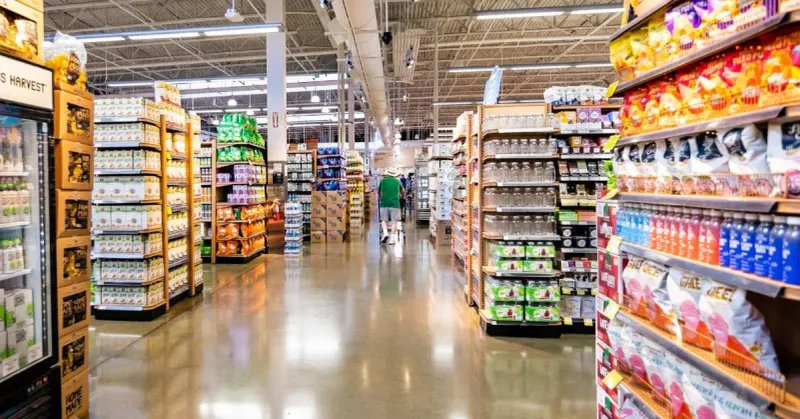
Milk, bread, eggs – the basics you actually need – are almost always hiding at the far end of the shop.
This isn't by accident.
Retailers want you walking past crisps, biscuits, and fancy cheeses before you reach your staples.
The longer your journey through the aisles, the more chances you have to grab something extra.
It's a simple trick that works brilliantly, turning a quick errand into a mini shopping spree without you even realising it.
How End Caps Quietly Push Extra Purchases
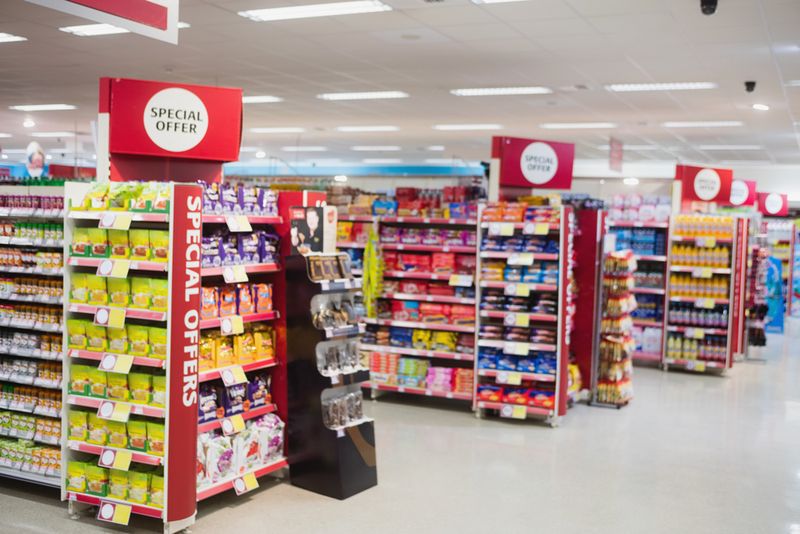
Those displays at the end of each aisle?
They're prime real estate in the retail world.
Supermarkets stock them with high-margin goodies or seasonal treats that catch your eye as you round the corner.
Because they're so visible and often labelled as special offers, you assume they're bargains worth nabbing.
In reality, they're carefully chosen to tempt you into buying things that weren't on your list, boosting the shop's profit margins one endcap at a time.
The Role Of Lighting And Music In Shopping Decisions

Warm lighting over the bakery makes those pastries look irresistible, while soft music slows your pace through the aisles.
Shops use sensory tricks to keep you relaxed, comfortable, and browsing longer than you planned.
When you're feeling good, you're more likely to toss extra items into your trolley.
It's all about creating an atmosphere that feels pleasant enough to linger in, subtly encouraging you to spend more time and money.
Why Fresh Produce Is Often The First Section You See
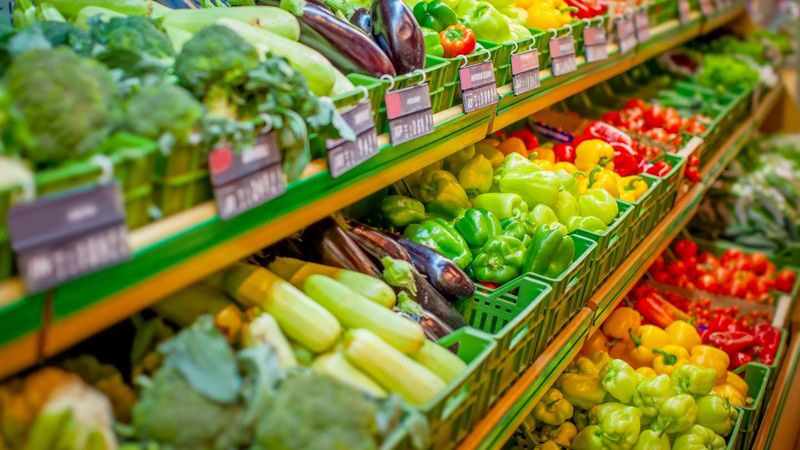
Walking into a supermarket and being greeted by colourful fruits and veg isn't a coincidence.
Fresh produce makes the shop feel healthy, vibrant, and trustworthy right from the start.
It sets a positive tone, putting you in a good mood and making you more likely to buy other items as you continue shopping.
Plus, starting with healthy choices can make you feel less guilty about adding treats later on.
How Checkout Displays Trigger Last-Minute Buys
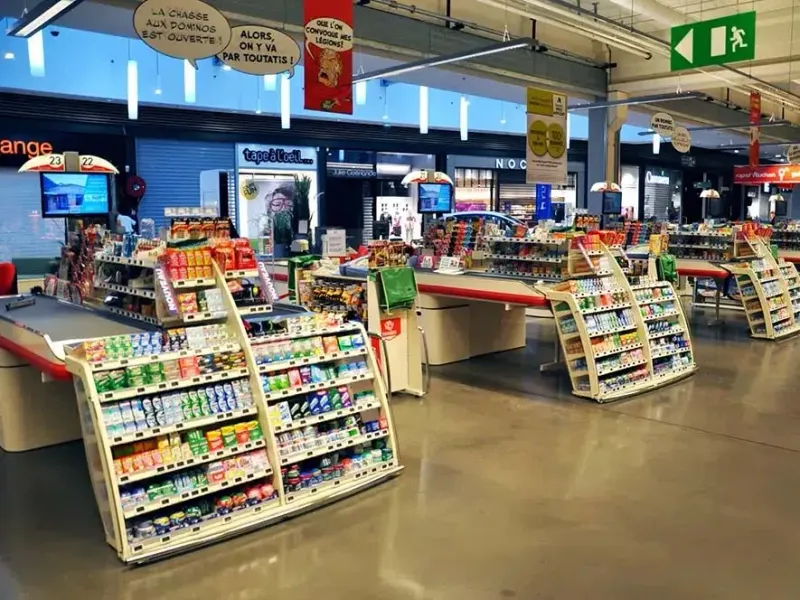
You've made it through the shop, but there's one final gauntlet: the checkout queue.
Sweets, magazines, chewing gum, and snacks line the shelves within arm's reach, begging for attention.
By this point, you're tired and your decision-making willpower is running low.
Shops know this and capitalise on it, making it ridiculously easy to grab a little something extra while you wait to pay.
Why Aisle Width And Flow Affect How Long You Browse
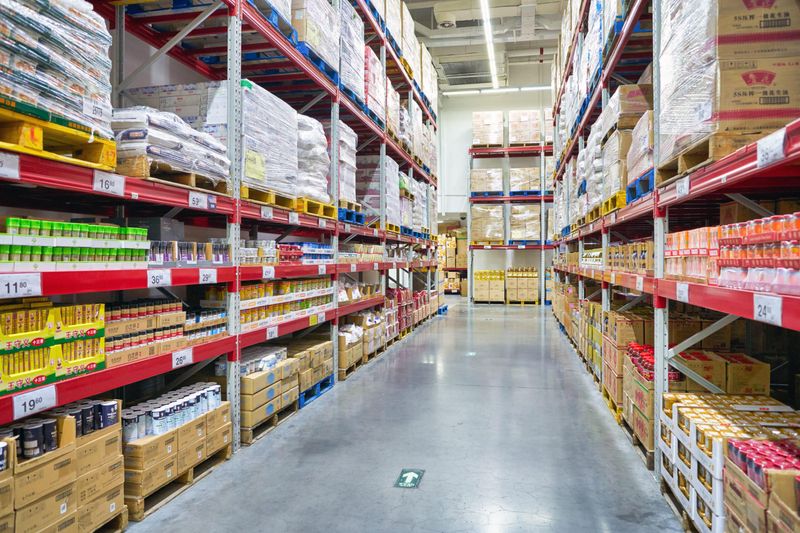
Ever notice how some aisles feel spacious and others a bit cramped?
Wider aisles encourage leisurely browsing, giving you room to pause and consider products without feeling rushed.
The longer you wander, the more likely you are to spot something tempting.
Shops design the flow to keep you moving smoothly but slowly, maximising your exposure to products and increasing the chance of unplanned purchases along the way.
How Product Eye-Level Placement Drives Sales
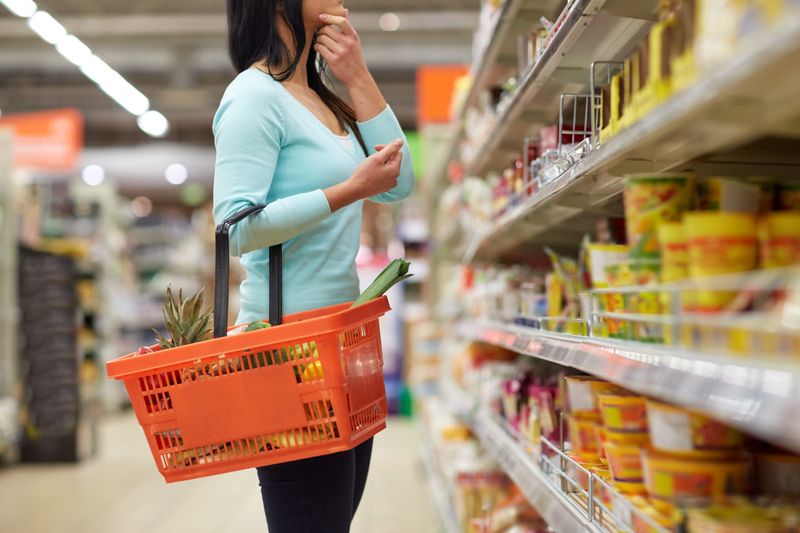
What's right in front of your face is what you're most likely to grab.
Supermarkets place high-margin or promotional items at eye level because they know you'll notice them first.
Cheaper or store-brand options are often lower down, requiring you to crouch or stretch.
It's a subtle nudge that influences your choice without you thinking twice, steering you toward products the shop wants to sell most.
Why Seasonal Displays Encourage Unplanned Spending
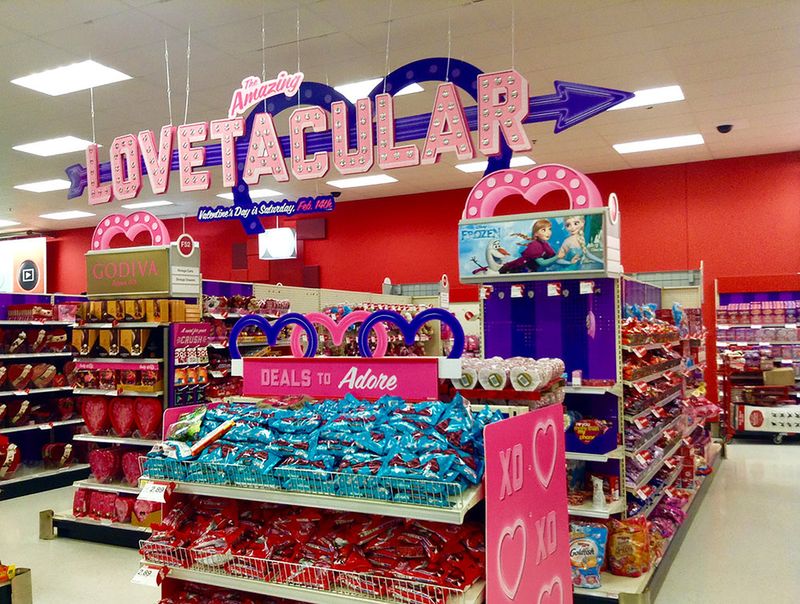
Walk into a shop in October and you'll be greeted by pumpkins, Halloween treats, and spooky decorations.
Seasonal displays create a sense of urgency and novelty, making you feel like you need to buy now before the moment passes.
They tap into emotions and celebrations, encouraging purchases you hadn't planned.
Shops refresh these displays regularly to keep things feeling new and exciting, tempting you to spend on items tied to the season.