That satisfying snap of a biscuit and the light, tender crumb of a sponge cake come down to more than just oven time or mixing technique.
Sugar plays a central role in how baked goods set, soften, crisp, and hold moisture, influencing everything from structure and colour to shelf life.
Once you understand how different sugars behave during baking, it becomes much easier to control texture and achieve more consistent, reliable results at home.
This article is for general informational purposes only.
Baking outcomes may vary depending on ingredients, measurements, equipment, and technique.
Photos are for illustrative purposes only.
1. Why Sugar Does More Than Just Add Sweetness
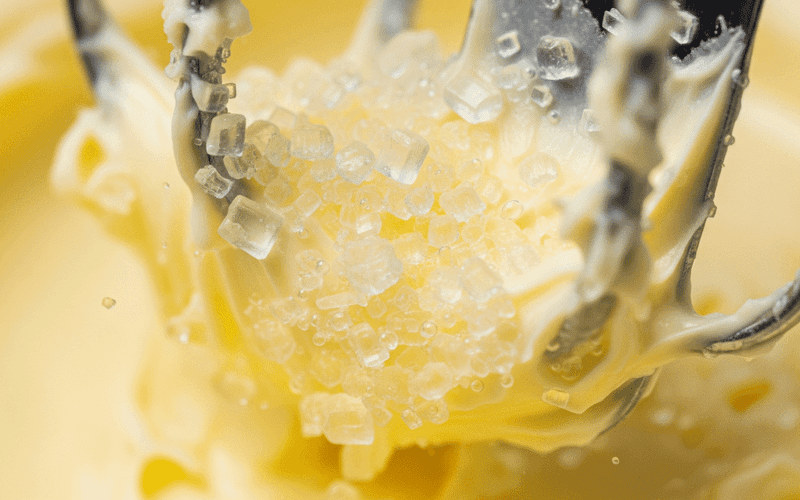
Sugar's reputation as just a sweetener doesn't do it justice.
When you add it to your mixing bowl, it starts attracting water molecules like a magnet, which keeps gluten proteins from linking up too tightly.
This means your cakes and biscuits come out tender rather than chewy.
Sugar also helps trap air when you cream it with butter, creating those lovely light textures we all crave.
Plus, it caramelises under heat, adding colour and depth of flavour that makes baked goods irresistible.
2. How Sugar Creates Softness In Cakes And Muffins
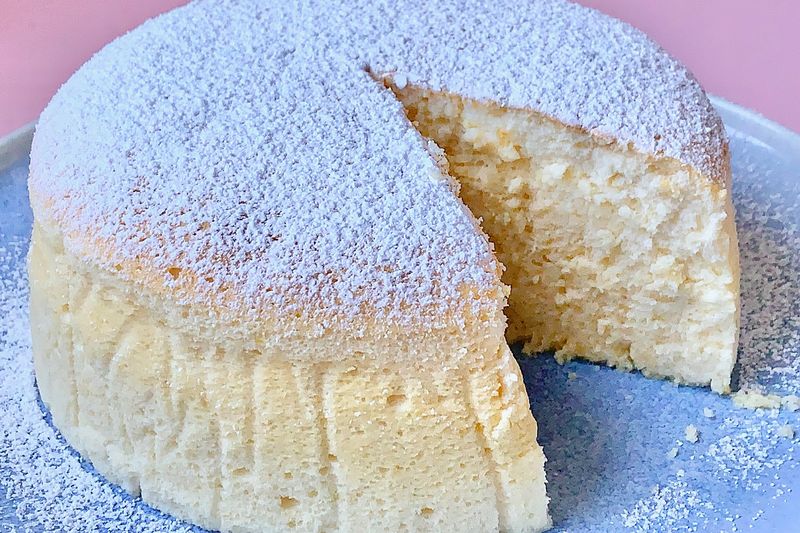
Picture biting into a cloud.
That's what proper cake texture should feel like, and sugar's the reason why.
By pulling water away from flour proteins, sugar prevents tough gluten strands from forming.
This interference creates that melt-in-your-mouth crumb everyone loves.
The more sugar you use, the softer and more delicate your cake becomes.
Muffins work the same way, though they typically use less sugar, giving them a slightly denser texture whilst still staying tender and moist throughout.
3. The Role Sugar Plays In Browning And Caramelisation
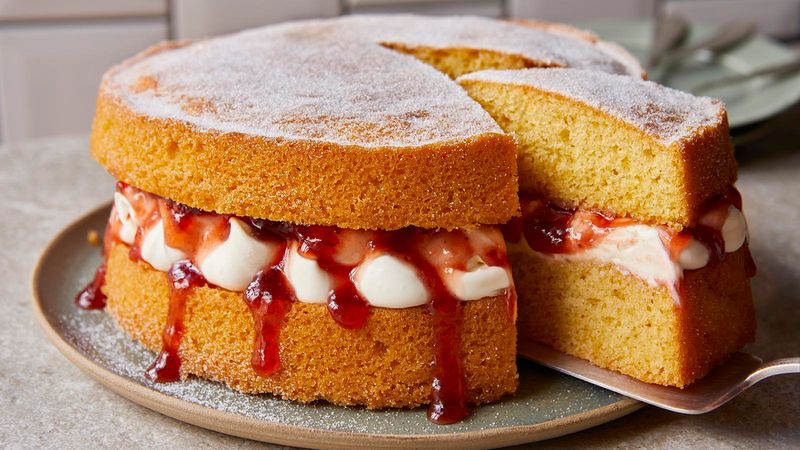
That gorgeous golden crust on your Victoria sponge?
Sugar made that happen.
When heated above 160°C, sugar molecules break down and caramelise, creating hundreds of new flavour compounds.
Sugar also participates in the Maillard reaction with proteins, producing even more complex tastes and aromas.
This double act gives baked goods their appealing colour and that distinctive sweet-toasty flavour.
Without enough sugar, your bakes would look pale and taste rather bland, missing that satisfying depth we associate with proper home baking.
4. How Sugar Affects Moisture And Shelf Life
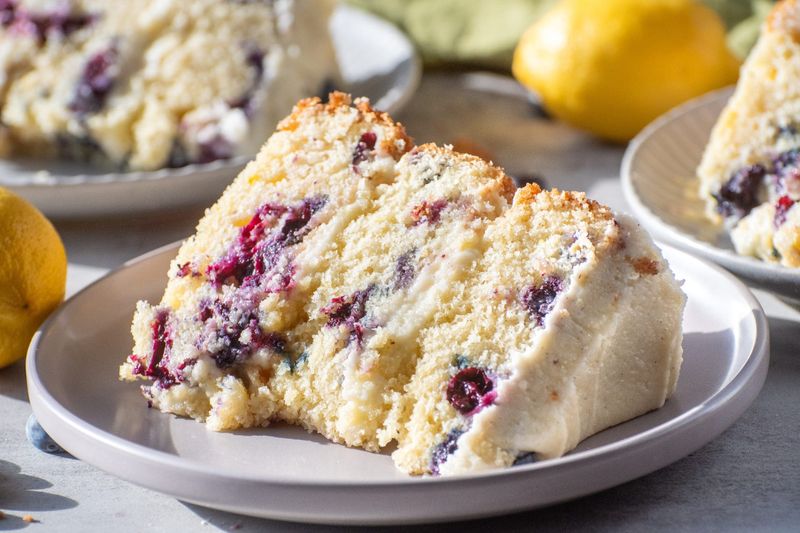
Sugar's hygroscopic nature means it clings to moisture like nobody's business.
This quality keeps your bakes from drying out too quickly after they leave the oven.
A cake with proper sugar content stays soft for days, whilst a low-sugar version might turn crumbly by tomorrow.
Sugar also binds water in ways that prevent bacteria and mould from thriving, naturally extending shelf life.
That's why jam lasts ages in your cupboard and why commercial bakeries rely on sugar to keep products fresh during transport and storage.
5. Why Cookies Spread Or Stay Thick In The Oven
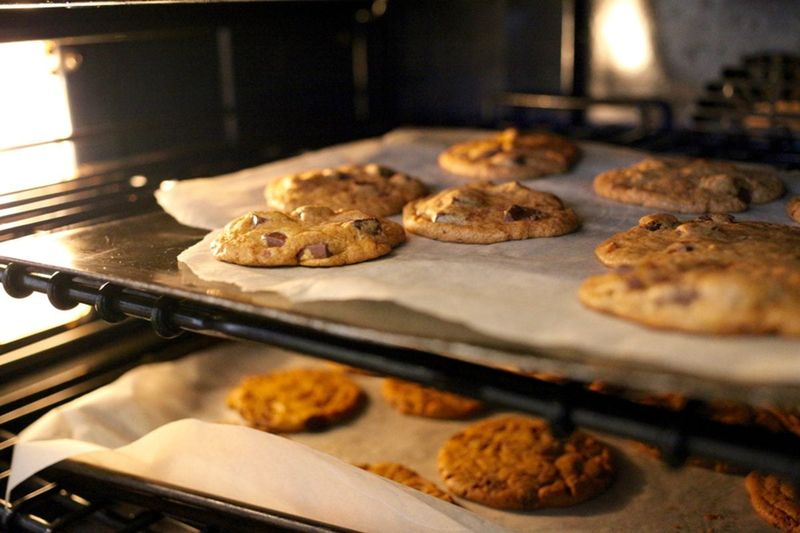
Cookie drama often comes down to sugar choices.
Granulated sugar melts quickly in the oven, allowing biscuits to spread thin and crisp up beautifully.
Brown sugar, packed with moisture from molasses, keeps cookies thicker and chewier.
If your recipe uses more sugar overall, expect wider, flatter results as the melted sugar flows before the structure sets.
Less sugar means cookies hold their shape better, staying puffy and cake-like.
Understanding this relationship helps you nail the exact texture you're after every single time.
6. The Difference Between White, Brown, And Liquid Sugars
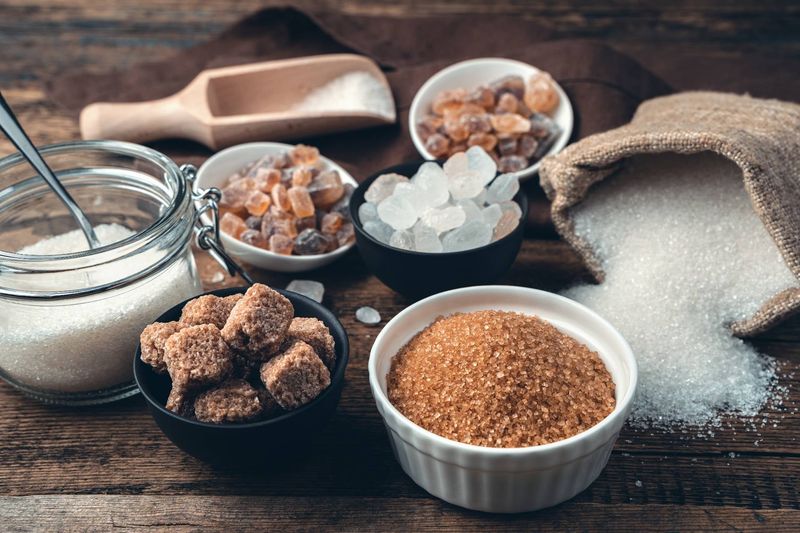
Not all sugars behave the same way, which is brilliant news for texture tweaking.
White granulated sugar creates crisp edges and helps bakes rise higher with its sharp crystals.
Brown sugar adds moisture and acidity from molasses, resulting in denser, chewier textures with deeper flavour.
Liquid sugars like honey or golden syrup make batters wetter, producing extra-moist results but sometimes causing bakes to brown faster.
Swapping sugar types changes not just taste but the entire structure and feel of your finished dessert.
7. How Sugar Controls Structure In Custards And Creams
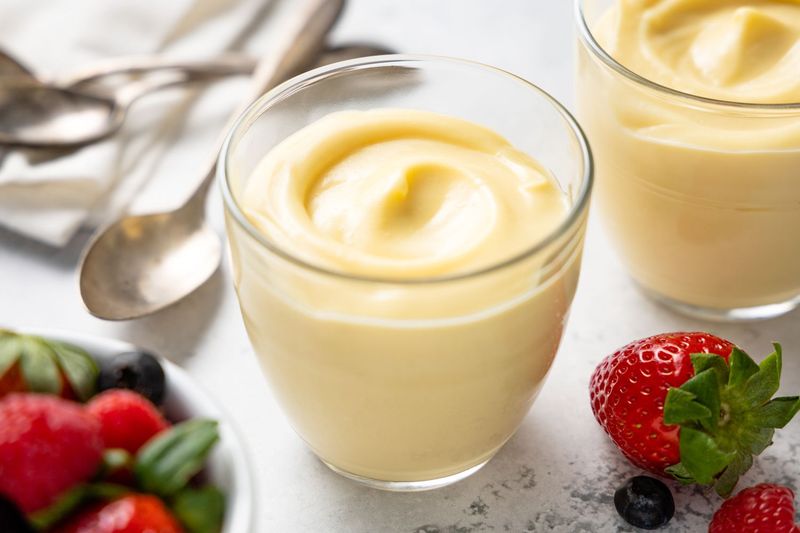
Custards and creams need sugar for more than sweetness alone.
Sugar molecules get between egg proteins, preventing them from bonding too tightly when heated.
This creates a smooth, silky texture instead of scrambled eggs.
In whipped cream or meringues, sugar dissolves into moisture, forming a syrup that stabilises air bubbles and strengthens the foam structure.
Without adequate sugar, your crème pâtissière might curdle and your meringue could weep or collapse.
Getting the sugar balance right ensures your creamy desserts set perfectly every time.
8. What Happens When You Reduce Or Swap Sugar In Recipes
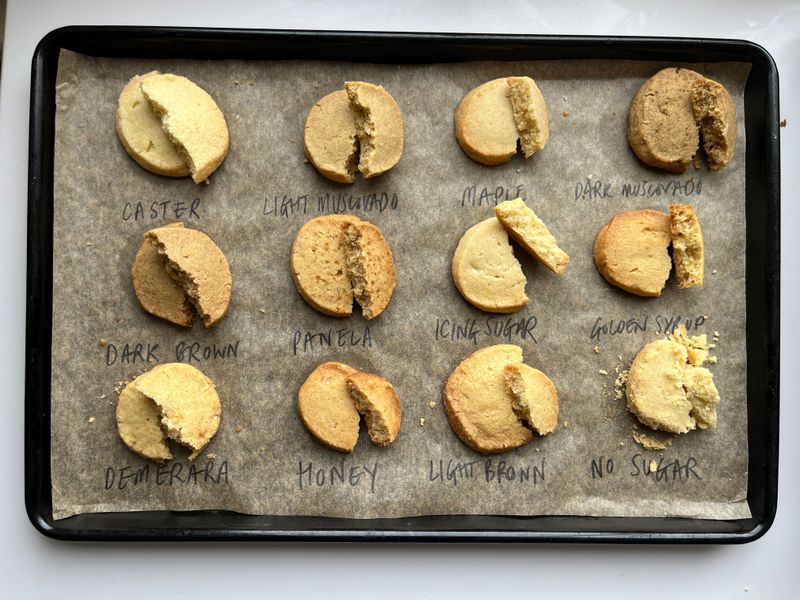
Cutting back on sugar sounds healthy, but your bakes will definitely notice the difference.
Reduced sugar means less moisture retention, so cakes dry out faster and biscuits turn hard more quickly.
You'll also lose browning, ending up with paler, less flavourful results.
Artificial sweeteners don't behave like sugar structurally, so they can't create the same tender crumb or crispy edges.
If you must reduce sugar, expect denser textures and shorter shelf life.
Sometimes a slight reduction works fine, but drastic cuts fundamentally change what you're making.