







Self-checkout has become a familiar part of everyday shopping, influencing how quickly people move through stores, how baskets are filled, and how supermarkets organise their layouts.
What began as a convenience feature has gradually reshaped expectations around speed, independence, and in-store interaction.
Looking at these shifts helps explain how technology continues to shape modern shopping habits in practical, sometimes subtle ways.
All information is provided for general interest only.
Shopping experiences, store layouts, and availability of self-checkout services may vary by retailer and location.
Photos are for illustrative purposes only.
Why Speed And Convenience Became Top Priorities

Modern life moves fast, and shoppers have adapted accordingly.
A whopping 77% of people now choose self-checkout specifically because it saves time, especially when they're grabbing just a few items.
No more waiting behind someone with a trolley full of groceries when you've only got a sandwich and a drink.
The ability to scan, bag, and pay in under a minute has made quick shopping trips genuinely quick.
This shift has fundamentally changed expectations.
Shoppers now prioritise efficiency over almost everything else, viewing time spent in queues as time wasted.
Self-checkout has trained us to expect speed, and traditional checkouts suddenly feel sluggish by comparison.
How Basket Sizes And Impulse Buying Shifted
Funny thing about self-checkout: it actually influences what ends up in your basket.
Shoppers using these lanes tend to grab fewer items overall, sticking to their lists more faithfully than those queuing for traditional tills.
Without a cashier to chat with or the temptation of strategically placed chocolate bars during a long wait, impulse purchases drop noticeably.
Retailers have clocked this, which is why some stores now limit self-checkout to ten items or fewer.
The trade-off is interesting.
Whilst convenience wins, those spontaneous treats that boost shop profits take a hit.
It's changed the game for merchandising strategies, forcing stores to rethink where they position their impulse buys.
What Changed In Customer Interaction And Service
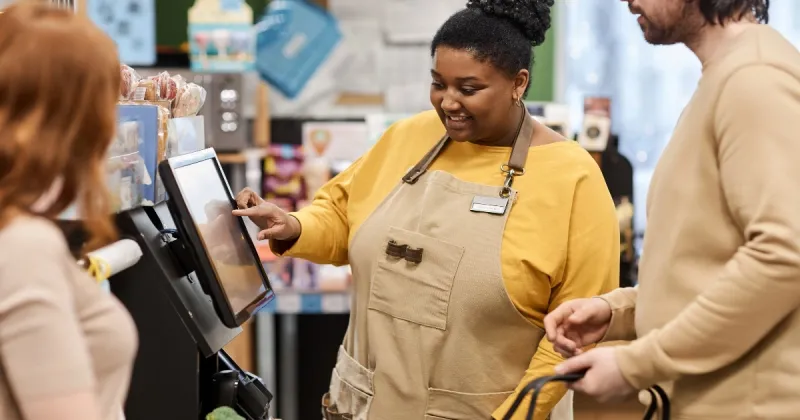
Remember when popping to the shops meant a quick natter with the checkout person?
Self-checkout has pretty much killed that tradition.
The human element of retail has taken a backseat to efficiency, and for some, that's a genuine loss.
Older shoppers especially miss the personal touch, whilst younger generations barely notice its absence.
Research shows this lack of interaction can actually dent customer loyalty, particularly when technical glitches leave you stranded without help.
On the flip side, some shoppers actively prefer the anonymity.
Buying anything remotely embarrassing becomes far less awkward when there's no judgemental eye contact involved.
Privacy has become an unexpected benefit of going solo at checkout.
How Technology Affected Queue Habits And Store Flow
Walk into any supermarket now and you'll see a completely different traffic pattern than a decade ago.
Self-checkout zones have become central hubs, pulling shoppers away from traditional till queues and redistributing foot traffic throughout the store.
This shift has actually improved overall flow in many locations.
Multiple self-service stations mean more checkout points, reducing bottlenecks during peak hours.
Shoppers can choose their own pace, whether they're racing through or taking their time.
However, it's not all smooth sailing.
Technical hiccups create new kinds of queues, with frustrated customers waiting for staff assistance.
The dreaded "unexpected item in bagging area" has become retail's most mocked phrase for good reason.
Why Some Shoppers Prefer Traditional Checkouts
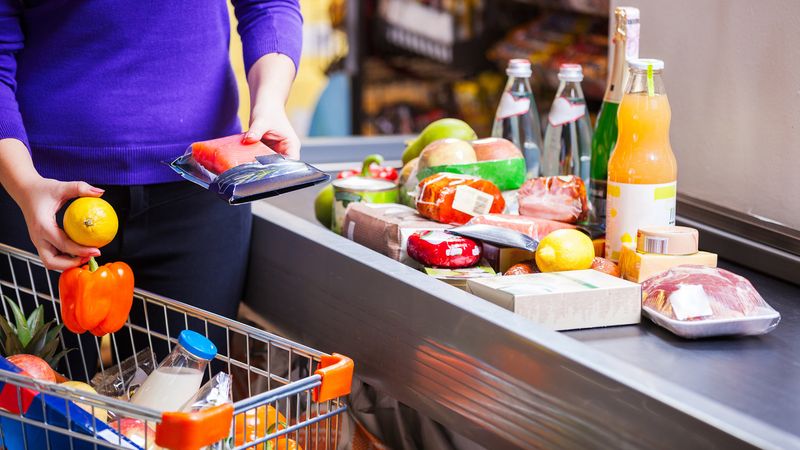
Not everyone's sold on the self-service revolution.
A significant chunk of shoppers actively avoid these lanes, and their reasons are perfectly valid.
Larger shopping trips become genuinely awkward when you're juggling dozens of items across a tiny scanning area.
Technical difficulties frustrate many users, especially those less comfortable with touchscreen technology.
When things go wrong, the wait for assistance can actually take longer than a traditional queue would have.
There's also the loyalty factor.
Studies reveal that customers who use self-checkout frequently show decreased loyalty to specific stores.
The lack of personal service makes shops feel interchangeable, removing that connection that once kept people coming back to their local spot.
How Retailers Adapted Store Layouts And Staffing
Shops have completely reimagined their spaces to accommodate self-checkout technology.
Floor plans now dedicate significant square footage to banks of scanning stations, whilst traditional tills have shrunk or disappeared entirely from some locations.
Staffing has evolved too.
Rather than multiple cashiers, stores now employ roaming assistants who troubleshoot technical issues and monitor for theft.
It's a different skill set, requiring both tech savvy and customer service abilities.
The economics are compelling for retailers.
Lower labour costs and improved efficiency make self-checkout attractive, despite challenges like increased theft rates.
Some chains like Aldi have actually reversed course, removing self-service options after weighing up the pros and cons.