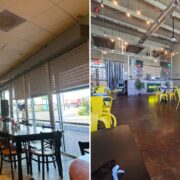

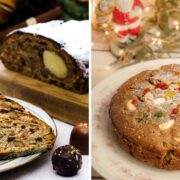
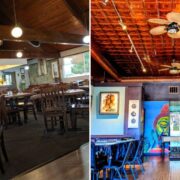
It’s no accident when you find yourself ordering that extra starter or splurging on a pricey main. Restaurants use subtle design and psychology to guide your choices – from the way menus are laid out to the music, lighting, and even the wording of dish descriptions.
Every detail is crafted to enhance your experience while gently encouraging you to spend a little more. Here’s how your favourite dining spots influence what you order without you even noticing.
This article is for general informational purposes only. Restaurant practices, pricing, and presentation techniques may vary. Photos are for illustrative purposes only.
How Menu Design Steers Your Choices
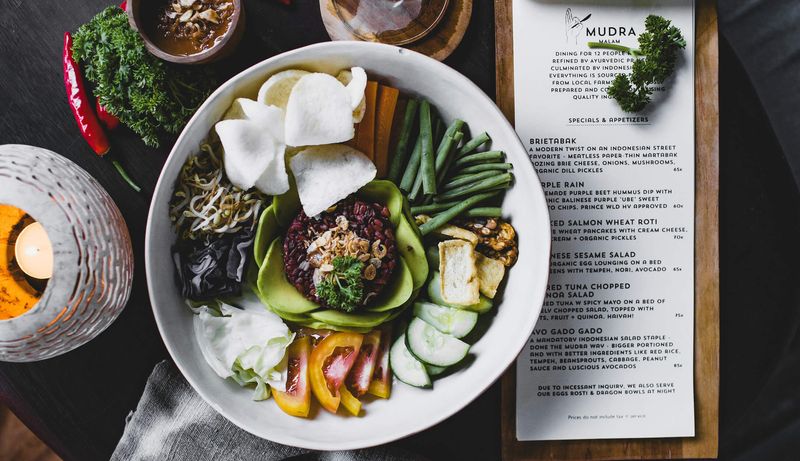
Fancy boxes, bold fonts, and strategic colours aren't just for show. Restaurants use design tricks to make certain dishes jump off the page and catch your eye first. That golden frame around the ribeye or the extra spacing near the seafood special? Pure psychology at work.
Menus are engineered so your gaze lands exactly where they want it. High-profit items get prime real estate and visual emphasis, whilst less profitable options fade into the background. It's all about controlling where your attention goes before you've even read a single word.
Why Descriptive Language Makes Dishes Irresistible
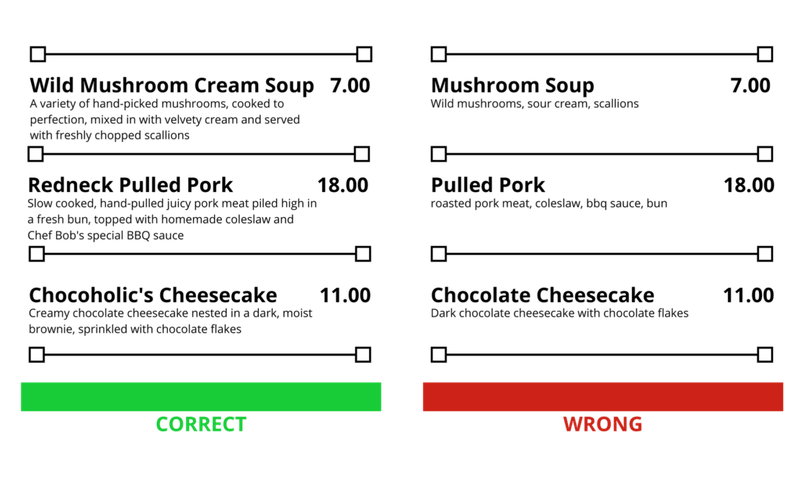
A simple chicken breast becomes "succulent free-range chicken, pan-seared to perfection" and suddenly it sounds miles better. Words matter more than you'd think when you're deciding what to eat. Restaurants know that painting a picture with language makes dishes sound irresistible, even before they arrive at your table.
Research shows that descriptive menu language can boost sales by up to 27%. When chefs add sensory words like "crispy," "tender," or "handcrafted," your brain starts imagining flavours and textures. That mental preview makes you far more likely to order it.
The Psychology Behind Restaurant Pricing
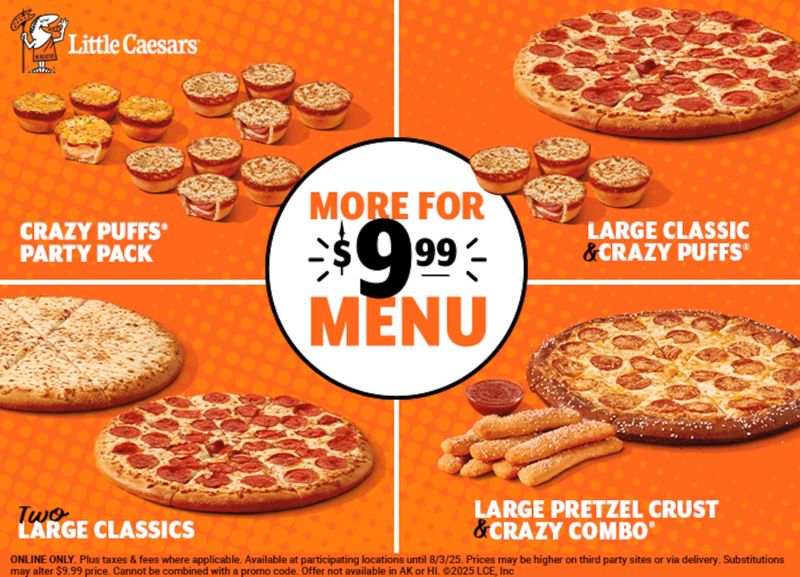
Notice how some menus skip the pound sign altogether? That's no accident. Removing currency symbols makes prices feel less painful to your wallet, encouraging you to spend more freely. It's a subtle trick that separates you from your cash without triggering that mental "ouch" moment.
Charm pricing also plays a role. Dishes priced at £9.99 feel significantly cheaper than £10, even though it's just a penny difference. Restaurants position expensive items strategically too, making mid-priced options seem reasonable by comparison. Your brain does the maths without you realising.
How Limited-Time Offers Create A Sense Of Urgency
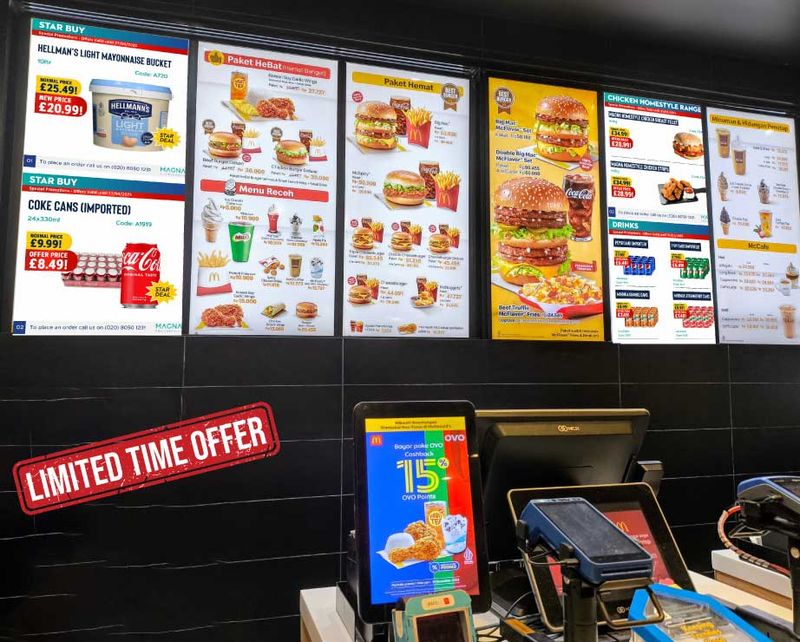
Seen a "seasonal special" or "chef's limited creation" on the menu? That urgency isn't accidental. Restaurants tap into FOMO – fear of missing out – to make you order something you might otherwise skip. When something feels exclusive or temporary, your brain shifts into action mode.
This tactic works because scarcity increases perceived value. Whether it's a summer berry tart or a winter game dish, knowing it won't be around forever makes it seem more desirable. You're not just ordering food; you're seizing an opportunity before it vanishes.
The Subtle Power Of Music And Lighting
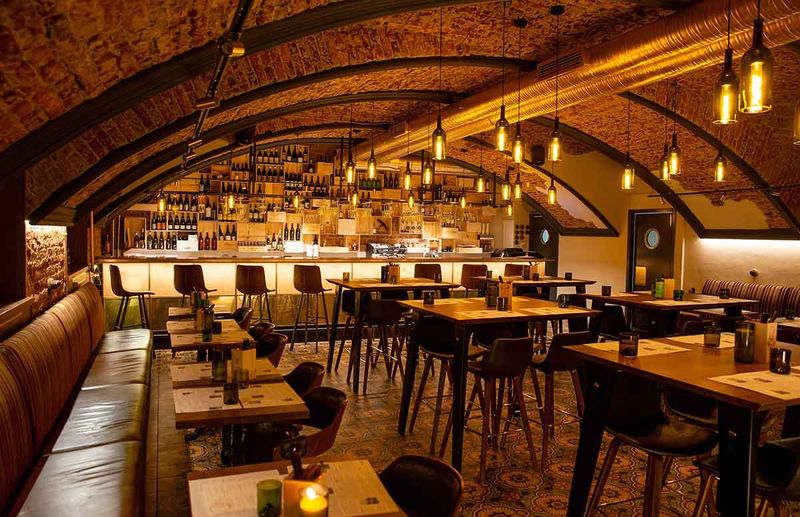
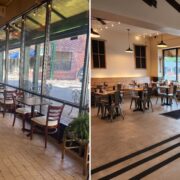
Fast beats and bright lights? You'll eat quicker and leave sooner, making room for the next wave of customers. Slow jazz and dim lighting, however, encourage you to linger, order another course, and spend more overall. Restaurants adjust the vibe to match their goals, whether it's turnover or upselling.
Studies reveal that classical music makes diners choose pricier dishes, whilst upbeat pop keeps things casual. Even the volume matters – louder environments push you towards simpler, familiar choices. Your mood and pace are being orchestrated without you noticing a thing.
How Presentation Influences What You Think Tastes Better
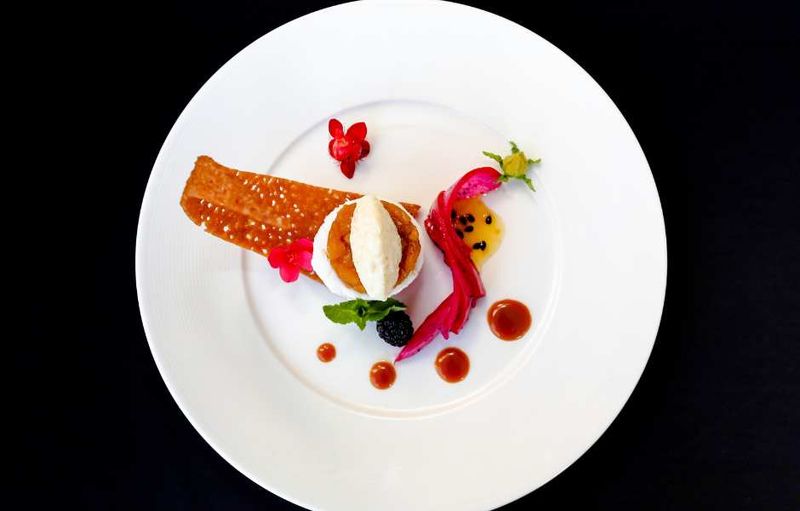
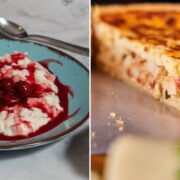
We eat with our eyes first, and restaurants know this all too well. A dish arranged like a work of art tastes better in your mind before you've even lifted your fork. Garnishes, colour contrasts, and careful plating aren't just Instagram bait – they genuinely affect your perception of flavour and quality.
Research from Oxford University found that presentation can increase how much diners enjoy a meal by up to 18%. When food looks appealing, your brain expects it to taste amazing, and that expectation influences your actual experience. Pretty plates equal happier customers.
Why Menu Placement Isn't Random
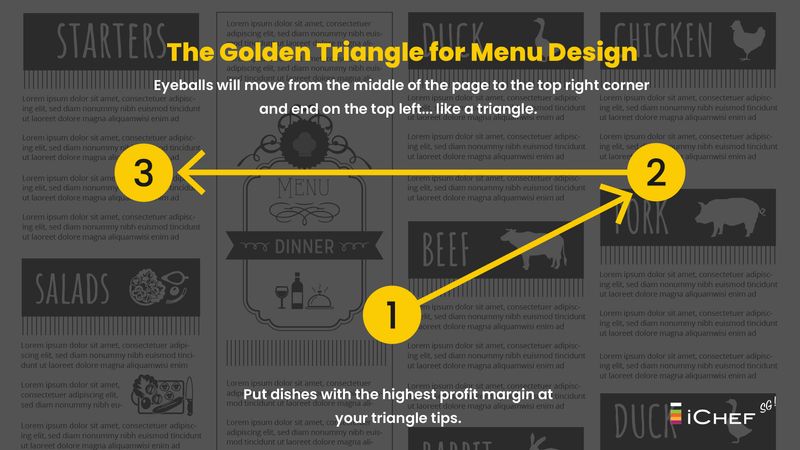
Your eyes follow predictable patterns when scanning a menu, and restaurants exploit this ruthlessly. The top right corner of a menu page is prime real estate – it's where most people look first. High-profit dishes get that coveted spot, whilst cheaper options hide further down or tucked away on the left.
Menu engineers study eye-tracking data to optimise placement. Items positioned in the "golden triangle" – top right, top left, and centre – get noticed more and ordered more frequently. It's a silent salesperson guiding your hand before you've consciously decided anything.
How Portion Labels Encourage You To Order More
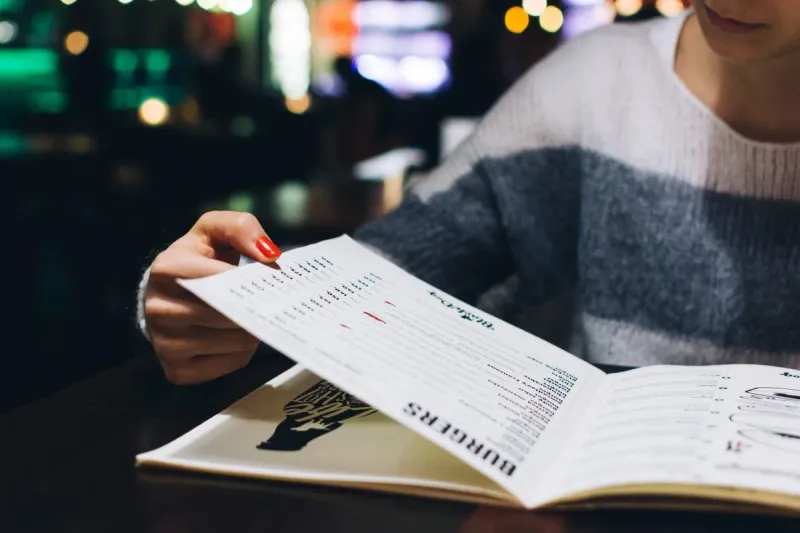
Labels like "sharing platter" or "generous portion" sound helpful, but they're actually nudging you towards bigger orders. When restaurants frame sizes as social or abundant, you're more likely to go large, even if you're dining solo. It taps into a desire for value and abundance that overrides your actual hunger.
Descriptive portion labels also set expectations. A "hearty" portion sounds more appealing than just "large," making you feel you're getting something special rather than simply more food. This language trick boosts sales whilst making diners feel they've made a smart, satisfying choice.