
Britain’s food culture is shaped by regional traditions, and Cornwall and Yorkshire stand out for their unique dishes. Influenced by geography, farming, and history, both regions offer foods that reflect their way of life.
From savoury staples to sweet treats, here’s how these two culinary traditions compare.
This content is for general information only. Regional dishes may vary in preparation, taste, and availability. Photos are symbolic and may not reflect the exact appearance or serving style.
1. Cornish Pasty And Yorkshire Pudding

The Cornish pasty, with its folded crust and crimped edge, was once a miner’s lunch, providing a portable meal and a handle that could be discarded after work.
Yorkshire pudding, by contrast, developed as a way to use dripping from roasting meat. Its airy batter and bowl-like shape make it ideal for soaking up gravy.
2. Cornish Clotted Cream And Wensleydale Cheese

Cornish clotted cream is produced by slowly heating cream until a golden crust forms on top, giving it a rich flavour now protected by PDO status.
Wensleydale cheese, created by Cistercian monks in the 12th century, has a crumbly, slightly sweet taste. Nearly lost in the late 20th century, it was revived through a local buyout in 1992.
3. Cornish Saffron Cake And Yorkshire Parkin

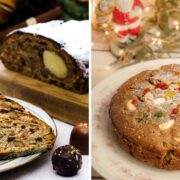
Cornwall’s saffron cake is a spiced bread-cake coloured by the rare saffron spice, thought to have reached the region through trade links.
Yorkshire parkin, a sticky ginger cake made with oats and treacle, was valued for its ability to keep well. It provided families with warming energy through harsh northern winters.
4. Hog’s Pudding And Black Pudding

Hog’s pudding is a Cornish speciality made with pork, suet, bread, and spices, producing a lighter alternative to other traditional puddings.
Yorkshire’s black pudding has medieval origins, combining pork blood, oatmeal, and spices. It reflects the tradition of using every part of the animal.
5. Cornish Yarg And Yorkshire Blue

Cornish Yarg is a modern cheese wrapped in nettles, which encourage the growth of moulds that give it a distinct flavour.
Yorkshire Blue is a creamy cow’s milk cheese with delicate blue veining. Both reflect innovation rooted in regional dairy traditions.
6. Cornish Cream Tea And Fat Rascal

Cornish cream tea is defined by its jam-first tradition, topped with a spoonful of clotted cream.
Yorkshire’s Fat Rascal, a large fruited scone-like bun decorated with almonds and cherries, has become a teatime favourite thanks to Bettys café tearooms.
7. Cornish Sardines And Yorkshire Lamb

Cornish sardines, once called pilchards, were central to Cornwall’s economy and have been successfully rebranded in modern markets.
Yorkshire lamb reflects the county’s long pastoral tradition, with sheep shaping both the landscape and diet of the Dales. The flavour is enhanced by grazing on moorland herbs and grasses.
8. Cornish Ice Cream And Yorkshire Forced Rhubarb

Cornish ice cream is known for its richness, thanks to the use of clotted cream, giving it a smooth, velvety texture.
Yorkshire forced rhubarb, grown in the Rhubarb Triangle under candlelight, produces tender, sweet stems without the sharpness of outdoor varieties. This unique cultivation method dates back to the Victorian era.
It's often enjoyed in traditional desserts and used to create distinctive rhubarb ice creams that showcase the county’s agricultural heritage in a modern way.