








Plant-based butters are making their mark – not just in vegan diets but in everyday kitchens across the country.
These smooth, versatile spreads are changing the way people cook, bake, and add flavour to their meals.
Whether you’re looking to cut back on dairy, try lighter fats, or explore more sustainable choices, plant-based butter offers a deliciously simple swap that fits almost any lifestyle.
All information is provided for general interest only.
Taste, appearance, and availability may vary depending on brand and location.
Photos are for illustrative purposes only.
1. What Exactly Is Plant-Based Butter?
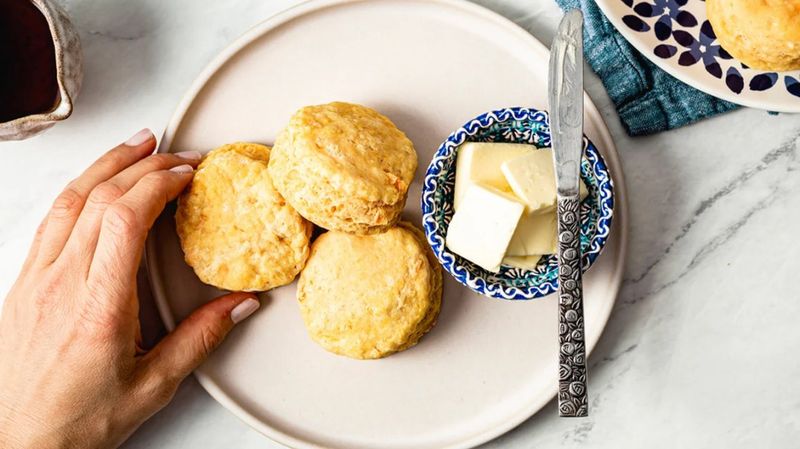
Plant-based butter is basically a dairy-free spread made from vegetable oils instead of milk fat.
Think coconut oil, olive oil, or sunflower oil blended together with water, salt, and a few other ingredients to create that familiar buttery texture.
Some brands add natural flavours and colourings to make it look and taste just like the real deal.
It's designed to melt, spread, and cook exactly like traditional butter, but without any animal products whatsoever.
Perfect for anyone avoiding dairy or just trying something new in the kitchen.
2. The Ingredients Behind The Creamy Texture
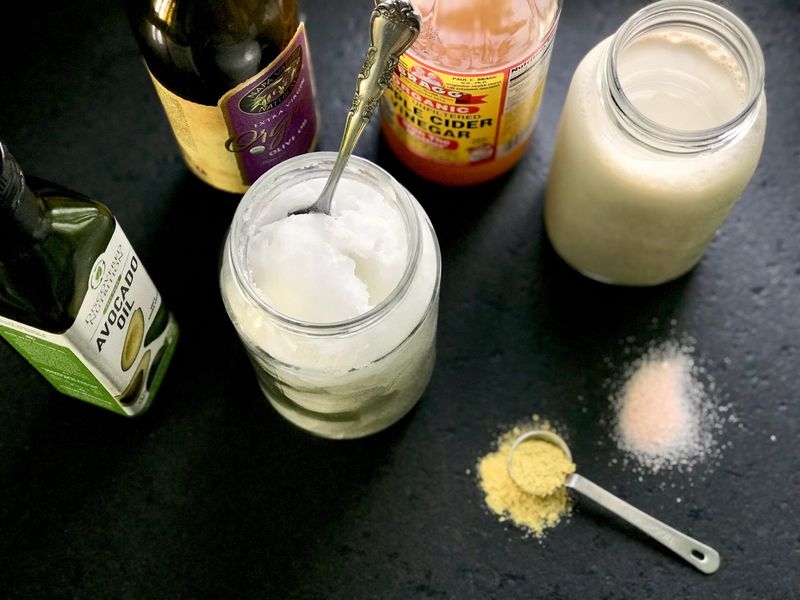
Ever wonder what makes plant-based butter so smooth and spreadable?
Most recipes start with a base of oils like coconut, avocado, or canola, which provide the fat content.
Emulsifiers such as sunflower lecithin help blend the oil and water together without separating.
Salt, natural flavours, and sometimes nutritional yeast add that classic buttery taste we all crave.
Some brands even throw in vitamins A and D to mimic the nutritional profile of dairy butter.
The magic is all in the balance of these simple plant ingredients.
3. How It Compares To Traditional Dairy Butter
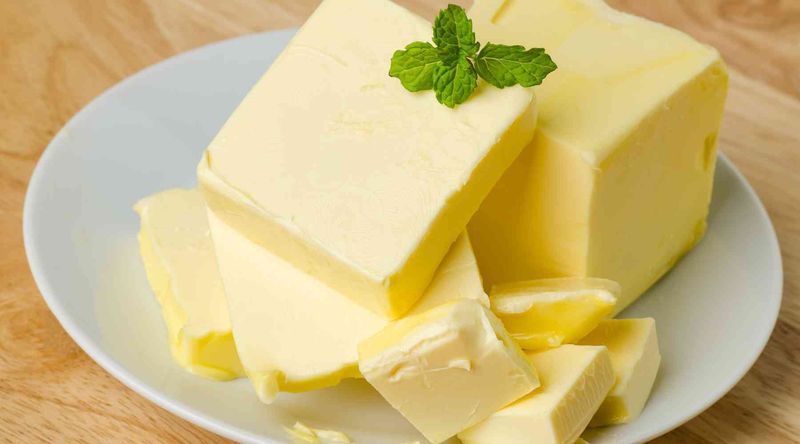
When you stack them up, plant-based butter often comes out looking healthier on paper.
It's cholesterol-free and usually contains more of those heart-friendly unsaturated fats.
Dairy butter, on the other hand, is packed with saturated fat, which can raise cholesterol levels if eaten in excess.
Taste-wise, modern plant-based versions have come a long way and can fool even the fussiest eaters.
The texture is nearly identical, though some people notice a slightly different mouthfeel.
Nutritionally, both have similar calorie counts, so moderation is still key.
4. Perfect For Baking, Spreading, And Sautéing
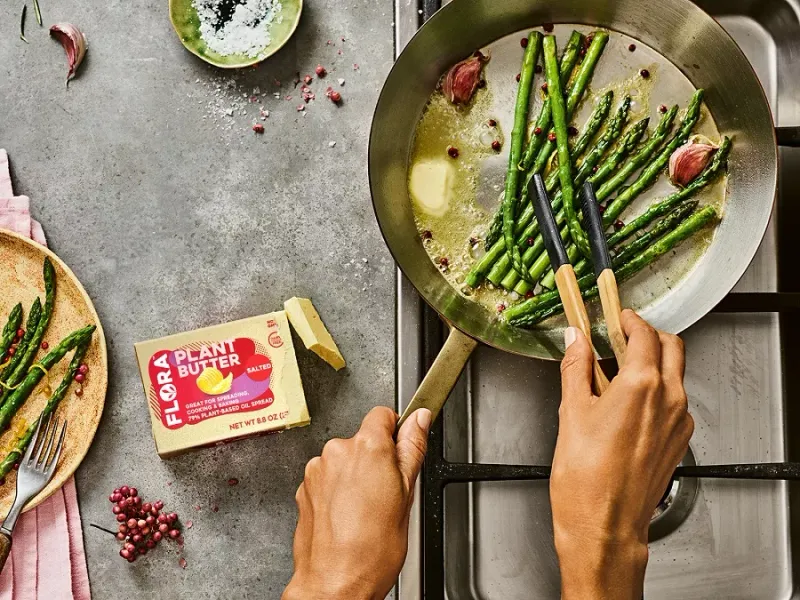
One of the best things about plant-based butter is how incredibly versatile it is in the kitchen.
You can slather it on warm toast, toss it into a hot pan for sautéing veggies, or measure it out for baking biscuits and cakes.
It melts beautifully and browns just like dairy butter, giving your dishes that rich, golden finish.
Most recipes don't require any adjustments when swapping it in, making it a total breeze to use.
Whether you're whipping up a Sunday roast or weeknight pasta, it handles the heat like a champ.
5. Why Chefs And Home Cooks Are Making The Switch
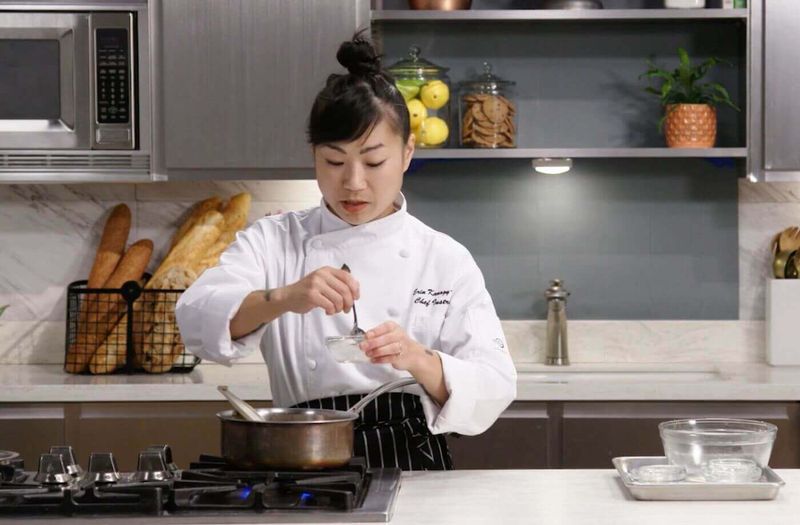
Chefs and home cooks alike are jumping on the plant-based butter bandwagon for loads of reasons.
Health-conscious folks appreciate the lower saturated fat and zero cholesterol.
Others are drawn to the ethical and environmental perks of cutting out dairy.
Plus, it's a lifesaver for anyone with lactose intolerance or dairy allergies who still wants to enjoy buttery flavours.
The improved quality of these products means you're not sacrificing taste or texture anymore.
It's simply a smarter, kinder choice that fits into modern cooking effortlessly.
6. The Environmental Benefits Of Going Plant-Based
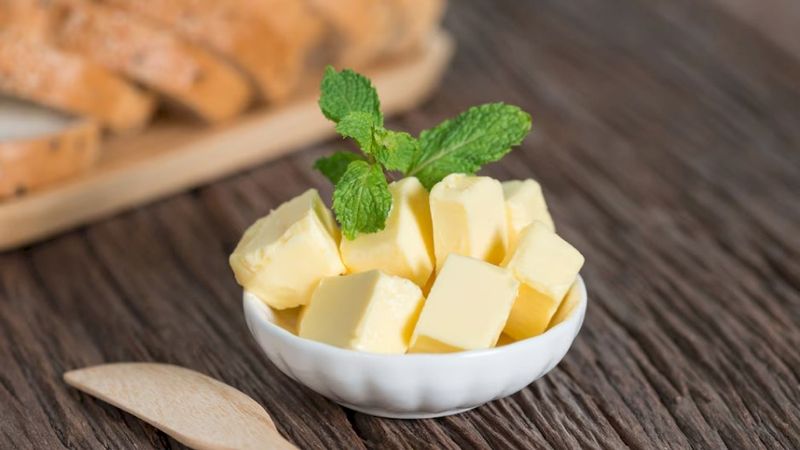
Switching to plant-based butter isn't just good for your body; it's brilliant for the planet too.
Producing plant oils requires significantly less land, water, and energy compared to raising dairy cows.
Greenhouse gas emissions from plant-based butter production are also much lower, helping to combat climate change.
With the dairy industry being a major contributor to environmental strain, every small swap counts.
Choosing plant-based options is an easy way to reduce your carbon footprint without giving up the foods you love.
It's a win-win for you and the Earth.
7. Popular Brands Leading The Butter Revolution
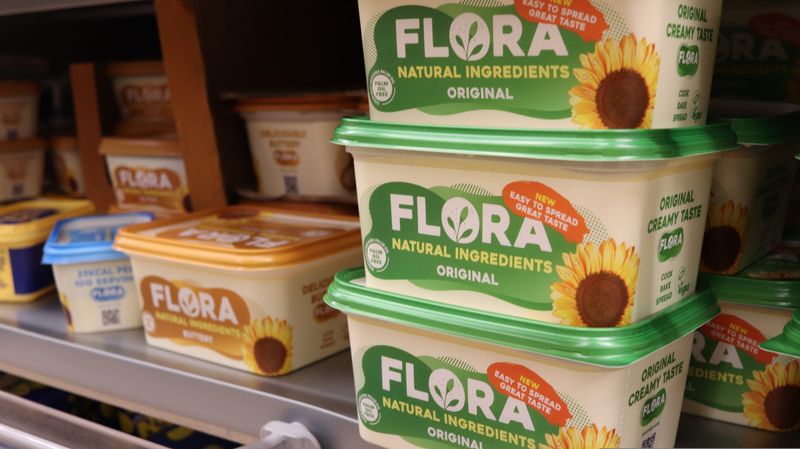
The plant-based butter market has absolutely exploded, with brilliant brands popping up left and right.
Flora Plant Butter and Naturli' Vegan Spreadable are favourites across the UK for their rich taste and smooth texture.
Miyoko's Creamery offers artisan-style cultured butters that rival gourmet dairy versions.
Earth Balance has been a trusted name for years, delivering consistent quality and flavour.
Each brand brings something unique to the table, so it's worth trying a few to find your perfect match.
More choices mean better products and happier taste buds all around.
8. Tips For Cooking And Baking With Dairy-Free Alternatives
Cooking and baking with plant-based butter is dead simple once you know a few handy tricks.
Use it as a one-to-one substitute in nearly all recipes without any fuss.
For baking, make sure it's at room temperature so it creams properly with sugar.
When sautéing, keep an eye on the heat, as some brands can brown faster than dairy butter.
Always check the label for added salt and adjust your recipe accordingly.
With a bit of practice, you'll be churning out delicious dairy-free dishes like a pro in no time.