







It’s funny how one moment on a trip can end up changing an entire industry.
When Howard Schultz wandered into a tiny Italian coffee bar, he didn’t just enjoy an espresso – he felt something click, something he couldn’t shake once he came home.
What started as simple curiosity soon turned into the spark that pushed Starbucks far beyond selling bags of beans and into the café culture we all recognise today.
All information is provided for general interest and entertainment purposes only.
A Company With Coffee Beans, Not A Café
Back in 1971 in Seattle, Starbucks started out selling roasted whole-bean coffee and didn't serve brewed drinks in-house.
Then, in 1982 or thereabouts, Howard Schultz joined the business and began to see potential beyond just beans.
At that time the idea of treating coffee as a full café experience in the U.S. was pretty unusual.
The business model was still very much a retail coffee-bean shop.
Schultz believed something more exciting could be done - but it took a spark of inspiration overseas to make it happen.
The Trip To Italy That Changed Everything

In 1983 Howard Schultz travelled to Milan, Italy, and found himself captivated by the Italian coffee-bar culture.
He wasn't just impressed by the coffee drinks themselves, but by how people gathered, chatted, lingered and connected in the cafés.
In Italy the coffee bar is a social place - not just a quick transaction.
Schultz realised that this café culture could be translated into the U.S., offering more than just a cup of coffee.
That Italian experience planted the seed for what Starbucks could become.
Bringing The Italian Café Idea Home
Upon returning to Seattle, Schultz tried to introduce the idea of Starbucks offering espresso beverages and more of a café experience, influenced by his Italian observations.
The concept was bold: treat coffee like a craft and café ambience rather than just a commodity.
However, the original Starbucks owners were hesitant to change from just selling beans to running cafés.
They worried about the investment, equipment, unfamiliar market and risk involved.
So Schultz left, built his own outlet, and later acquired Starbucks to bring his vision fully into reality.
Expanding The Vision Into A Global Coffee House Brand
Once the café model was switched on in Starbucks, it quickly gained traction, grew and spread.
The "third place" concept - meaning somewhere that is neither home nor work but a social place - became a big part of the brand's appeal.
Starbucks began offering a variety of espresso-based drinks, good ambience and a consistent experience.
Over time the company expanded globally, opening thousands of stores.
The vision Schultz brought home from Italy became foundational to Starbucks' global coffee-house identity.
Italian Influences On Design, Atmosphere And Experience
The influence of Italy didn't stop at just the idea of cafés - it also showed up in how Starbucks thought about atmosphere, design and human connection.
Schultz wanted each café to feel like a gathering place, with warm lighting, comfortable seating and spaces where people worked, relaxed or met friends.
Key aspects of the Italian coffee bar - the barista-customer interaction, the rhythm of café life, the sense of place - became part of Starbucks' DNA.
In short, the Italian trip shaped not just what coffee was served, but how it was served and experienced.
Full Circle: Starbucks Comes Back To Italy
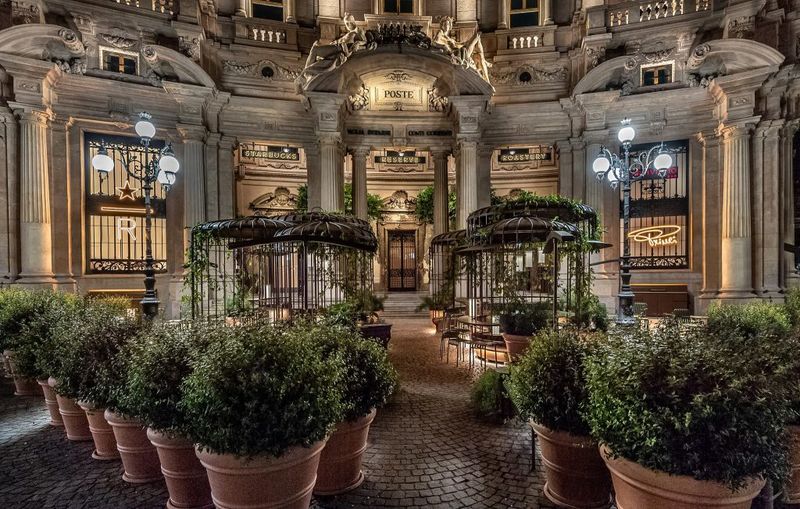
Interestingly, despite Italy being the place that inspired Starbucks' café vision, it took many years for the brand to open in Italy itself.
The first Starbucks store in Italy opened only in 2018, in Milan's piazza-area, reflecting a respectful and premium approach to entering a country with deep coffee traditions.
This "homecoming" highlighted how Starbucks valued Italian café culture and sought to honour it.
The journey shows how an idea inspired in Italy travelled to the U.S., transformed into a global brand, and then circled back to Italy acknowledging its origin.