Greggs has become one of those places you pop into without thinking, whether you want a warm pastry, a quick lunch or simply something comforting on the go.
It is hard to believe that this high-street favourite began as a tiny bakery, slowly winning people over with friendly service and no-nonsense food. Its rise tells a surprisingly charming story about British tastes, changing habits and the power of a good sausage roll.
This content is for general informational purposes only and may not reflect regional availability or individual preferences. Photos are for illustrative purposes only.
A Pushbike, Eggs And Yeast In Newcastle
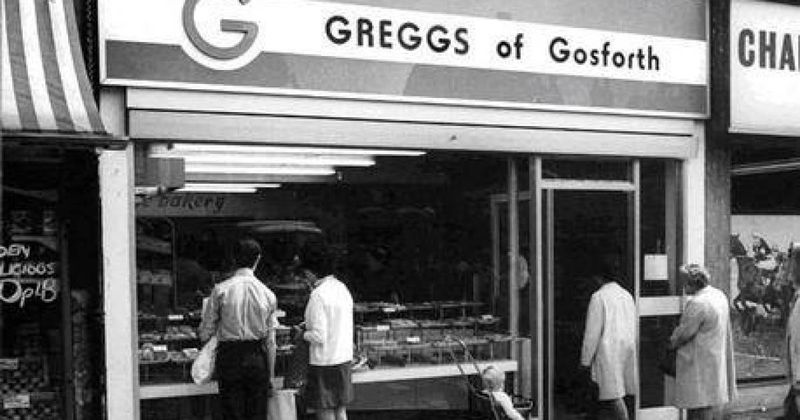
Greggs began in the late 1930s as a very modest family business in Newcastle upon Tyne. John Gregg started out delivering fresh eggs and yeast by bicycle to local families and mining terraces, rather than running a full shop of his own.
Those early rounds were all about simple baking ingredients and personal relationships, not sausage rolls and steak bakes. Ten years after he started pedalling around the city, he bought a small bakery on Gosforth High Street, which became the first Greggs shop.
Bread, cakes and basic baked goods were made and sold on site, setting the pattern for fresh, everyday food rather than fancy patisserie.
From One Gosforth Shop To A Growing Northern Chain
After John Gregg died in the 1960s, his son Ian took over and began turning the family shop into a more modern business. Under his leadership, Greggs expanded from a single neighbourhood bakery to a small chain across the North East of England.
New shops opened in nearby towns, often serving communities built around heavy industry and tight budgets. Company histories describe this period as the moment when the in-shop bakery idea really took off, with fresh products baked through the day rather than only in the morning.
The Greggs name began appearing above more and more high street doorways in northern cities.
Buying Rival Bakeries And Spreading Across Britain
Greggs did not grow nationwide simply by opening new shops from scratch. In the 1970s and 1980s, the company bought several regional bakery chains, keeping many of their shops and gaining footholds in new areas.
A key moment came in 1994 when Greggs acquired the Bakers Oven chain from Allied Bakeries, adding more than a hundred outlets. Later in the 1990s, the company rebranded its Braggs shops in the Midlands and Thurston shops in Yorkshire under the Greggs name.
This smart strategy of turning former rivals into one consistent network helped Greggs compete with global fast-food chains.
Switching From Loaves To Food On The Go
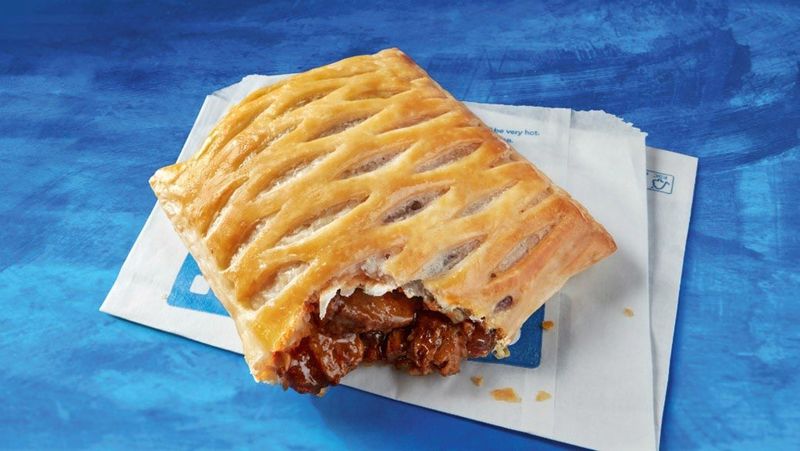
For most of its early life, Greggs behaved like a classic neighbourhood bakery, selling loaves, buns and cakes for people to take home. As the years passed, supermarkets became the go-to spot for everyday bread, and Greggs customers were already coming in for quick lunches, warm pastries and snacks. The company eventually leaned into what people were actually buying, shifting its focus toward food on the go rather than traditional home-baking staples.
By this point, ready-to-eat items such as sandwiches, sausage rolls and pasties were already driving most of its daily trade. The move matched changing habits on the high street, where speed, convenience and low prices mattered more than a loaf for later.
Greggs openly began describing itself as a food-on-the-go retailer, a label that suited how Brits were choosing to eat.
Healthier Choices Join The Menu
As the food-on-the-go strategy took hold, Greggs also introduced lighter options. In 2014, it launched the Balanced Choice range, featuring products under 400 calories, including salads and sandwiches.
These healthier lines became popular quickly and helped reshape public perceptions of Greggs beyond just pastries and pies. The move showed that the chain could adapt to changing customer tastes without abandoning its core identity.
Offering both indulgent treats and sensible meals meant Greggs could appeal to a wider audience, from office workers counting calories to students looking for affordable fuel between classes.
Vegan Sausage Rolls And Social Media Stardom
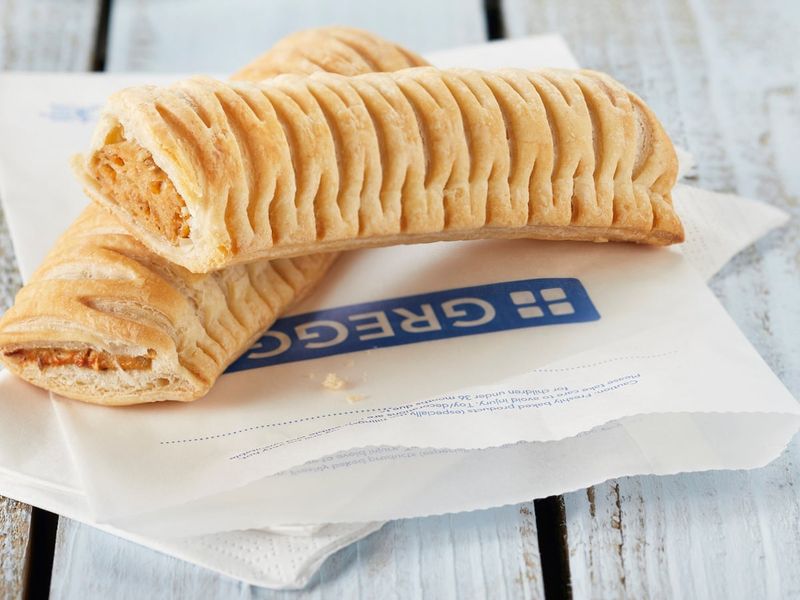
The real breakout moment arrived in January 2019 with the launch of the vegan sausage roll, made with Quorn to resemble the original bestseller. It debuted in hundreds of shops and demand was so strong that some branches ran out, sparking a wave of enthusiastic reactions online.
The new product helped drive a sharp rise in profits and showed that Greggs could mix playful marketing with genuine innovation. Social media buzz turned the launch into a cultural event, with celebrities and everyday fans sharing their thoughts.
Since then, the chain has expanded its vegan offerings and embraced online humour to stay relevant.
Expanding Into New Locations And Delivery Platforms
Greggs didn't just stick to high streets as it grew. The company began opening shops in travel hubs like train stations and airports, as well as retail parks and motorway services.
Partnering with delivery platforms such as Just Eat and Uber Eats allowed customers to order sausage rolls and coffee from home or work, reaching people who might never walk past a physical store. This multi-channel approach helped Greggs stay competitive against global fast-food brands and adapt to how people actually shop and eat today.
Convenience became just as important as value and taste in the company's strategy.
From High Street Treat To Britain's Favourite Fast Food Chain
Greggs today looks nothing like the tiny family bakery that started in Newcastle. The company has grown into a major high-street presence, with thousands of shops across England, Scotland, Wales and Northern Ireland. It has become one of the most recognised food names in the country, and surveys regularly place it among the UK’s most popular places to grab something quick.
Many people see a visit to Greggs as part of everyday life, whether they are picking up a morning coffee, grabbing a lunchtime pasty or treating themselves to something warm on a cold day. Its rise from one small shop to a nationwide favourite shows how well it has adapted to changing tastes and the fast pace of modern British life.