

Food packaging is often overlooked, yet it plays a central role in everyday eating habits.
From how long food stays fresh to how products are displayed and stored, packaging influences both shopping decisions and meal routines.
Over time, changes in packaging design have shaped what people buy, how often they shop, and how food fits into busy schedules.
These shifts happened gradually, but their impact on eating habits has been significant.
All information is provided for general interest only.
Packaging practices, food quality, and availability may vary by brand, product, and location.
Photos are for illustrative purposes only.
Longer Shelf Life Changed Shopping Habits
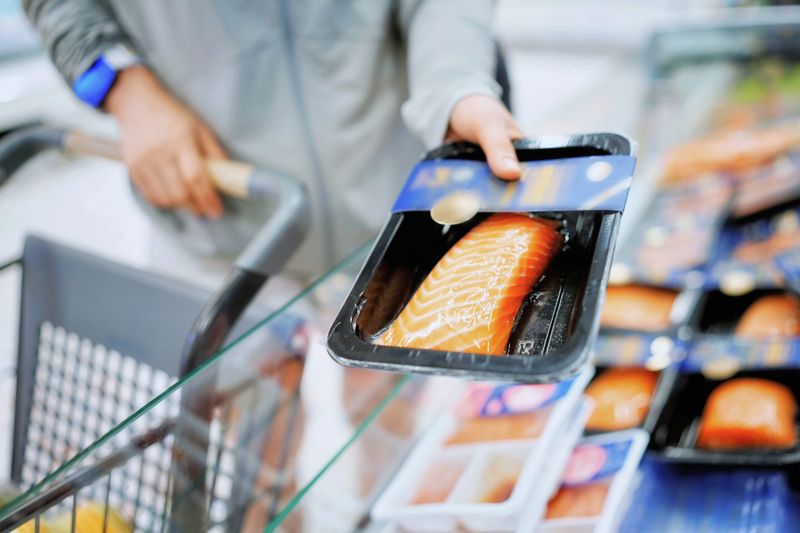
Back in the day, you had to shop nearly every day because food went off faster than you could say "use by date."
Then along came clever packaging technologies like vacuum sealing and modified atmosphere packaging, which basically swapped out the oxygen inside packets for gases that keep food fresher for ages.
Suddenly, milk lasted a fortnight, bread stayed soft for days, and you could stock up on groceries once a week instead of daily.
This shift didn't just save time; it changed how supermarkets operated, letting them stock more variety and ship products further.
Now, weekly big shops are the norm, and we've got cupboards full of food that won't go dodgy overnight.
Pre-Portioned Packaging Altered Portion Sizes
Remember when crisps came in one giant bag and you'd just keep munching until it was empty?
Pre-portioned packaging changed that game entirely by giving us individually wrapped servings, from single chocolate bars to snack-sized biscuit packs.
On one hand, it made portion control easier – perfect for lunchboxes or keeping track of what you're eating.
On the other hand, it also trained us to see these smaller amounts as "normal," which sometimes meant eating more packets overall or paying extra for the convenience.
Either way, packaging dictated how much we considered a proper serving, reshaping our eating habits one little packet at a time.
Packaging Made Convenience Foods More Common
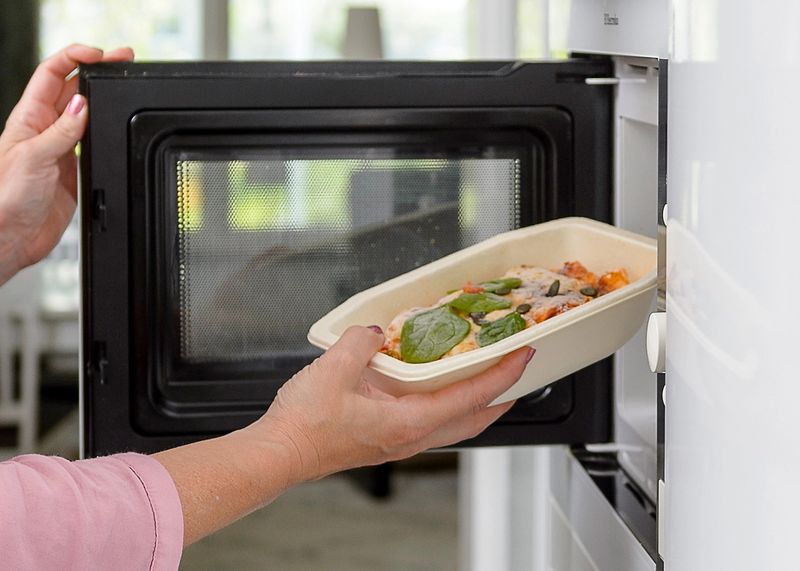
Microwave meals, instant noodles, ready-to-eat salads – these wouldn't exist without packaging that could handle heat, keep ingredients fresh, and make prep ridiculously easy.
In the 1980s, microwave-safe containers turned TV dinners into a household staple, letting people heat up a full meal in minutes without dirtying a single pot.
Fast forward to today, and we've got everything from pre-chopped veg to meals you just pop in the oven.
This convenience has been brilliant for busy families and anyone who can't be bothered cooking from scratch every night.
But it also shifted us away from traditional meal prep, making convenience the new standard.
Resealable Designs Encouraged Snacking
Ziplock bags, resealable pouches, twist-cap bottles – these nifty inventions meant you didn't have to finish everything in one go.
Suddenly, you could open a packet of biscuits, have a few, seal it back up, and come back later without everything going stale.
This made snacking throughout the day way more appealing because food stayed fresh and portable.
Grab a handful of nuts, toss the bag in your rucksack, and you're sorted.
It's brilliant for reducing waste and keeping things tasty, but it also encouraged constant grazing instead of sticking to traditional mealtimes, shifting how and when we eat.
Labelling Influenced How People Choose Food
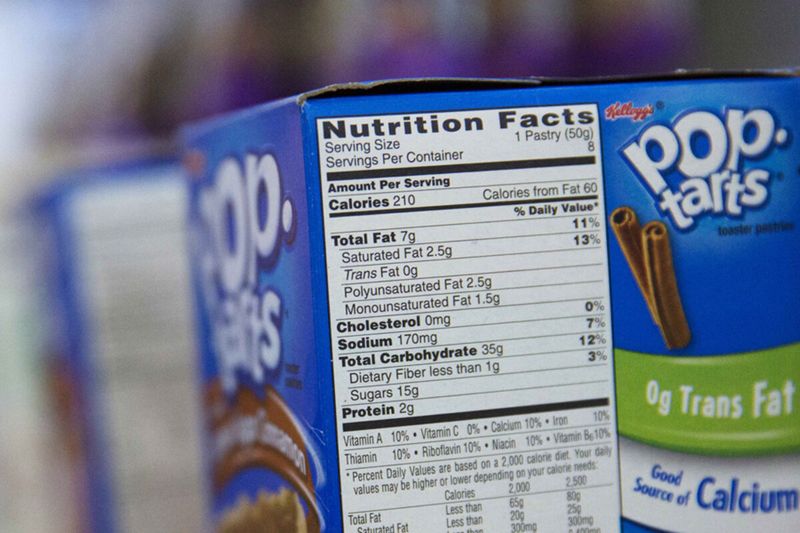
Nutrition labels, ingredient lists, allergy warnings, colourful claims like "low fat" or "high protein" – packaging became a billboard for information that guided our choices.
Before detailed labelling, you had no clue what was really in your food unless you made it yourself.
Now, you can scan a packet and decide if it fits your diet, spot hidden sugars, or avoid allergens altogether.
Marketing got clever too, with bright colours and buzzwords designed to catch your eye and convince you it's the healthier or tastier option.
Labels turned shopping into a more informed (and sometimes overwhelming) experience, shaping what ends up in our trolleys.