










Ever wondered how far your avocado or coffee has travelled before landing in your trolley? The journey from farm to supermarket shelf is often longer and more complex than most people realise, crossing oceans, climates, and countless hands along the way. It’s a fascinating reminder of just how global our everyday groceries really are.
This article is for general informational purposes only. Supply chains and food origins may vary depending on brand, region, and season. Photos are for illustrative purposes only.
The Long Journey From Farm To Fork
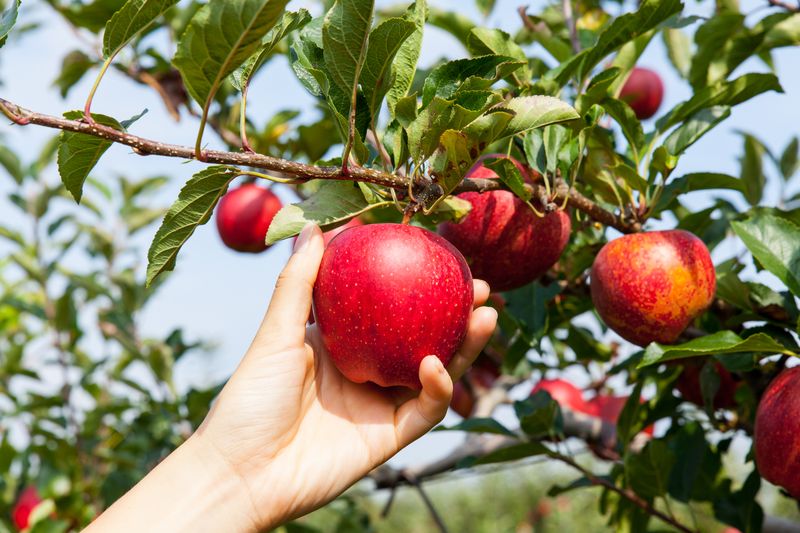
Most food items travel an average of 1,500 miles before landing on UK shelves. That apple you grabbed might have crossed oceans, whilst your lamb chop could have journeyed from New Zealand.
Different foods follow unique routes involving farms, processing plants, distribution centres, and finally retail stores. Temperature-controlled lorries, cargo ships, and sometimes aeroplanes work together to keep everything fresh during these long trips.
How Global Supply Chains Keep Shelves Stocked
Supermarkets rely on intricate networks spanning multiple countries and continents. Coordination between farmers, packers, shippers, and retailers happens round the clock to prevent empty shelves.
Technology tracks every item from harvest to checkout, ensuring quality control and timely delivery. Weather disruptions, fuel costs, and customs delays can affect this delicate balance, but backup suppliers help maintain consistent stock levels year-round.
Why Some Foods Travel Thousands Of Miles

Climate plays a massive role in determining food origins. Britain's weather simply cannot support tropical fruits like bananas, pineapples, or mangoes, which must travel from warmer regions.
Cost factors also matter tremendously. Sometimes growing certain crops abroad proves cheaper than producing them domestically, even after accounting for transport expenses. Consumer demand for year-round availability of seasonal items drives these lengthy journeys too.
The Role Of Shipping, Trucks, And Planes
Cargo ships handle about 90% of international food transport because they carry massive quantities economically. Refrigerated containers maintain perfect conditions for perishables during weeks-long voyages across oceans.
Lorries distribute goods across Britain once they arrive at ports. Aeroplanes transport high-value, quick-spoiling items like berries and asparagus when speed matters more than cost, though this remains the priciest option.
How Supermarkets Choose Where To Source From
Price negotiations drive many sourcing decisions. Supermarkets constantly compare costs from different countries, considering quality, reliability, and transport expenses to maximise profit margins whilst keeping prices competitive.
Quality standards and food safety regulations heavily influence choices too. Suppliers must meet strict British requirements regardless of location. Ethical considerations like fair trade certification and environmental practices increasingly shape these partnerships.
Seasonal Produce And The Distance Dilemma
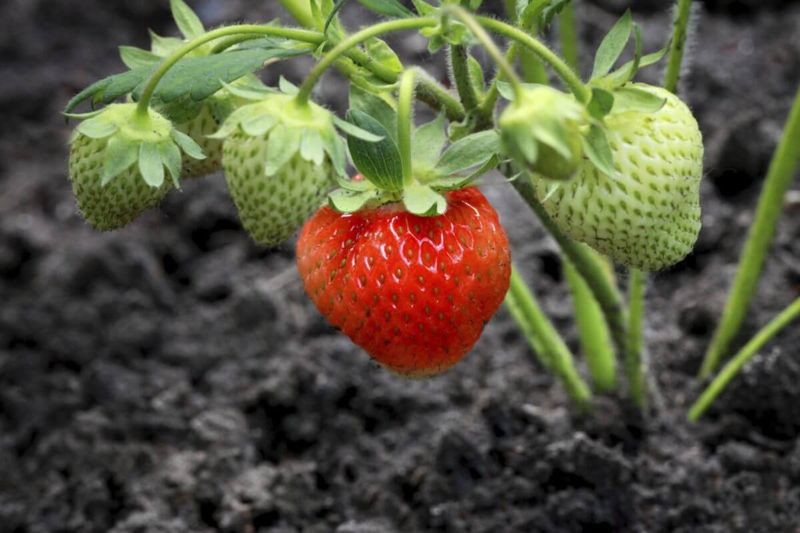
Strawberries naturally ripen in British summers, yet supermarkets stock them year-round. Winter strawberries typically arrive from Spain, Morocco, or even Egypt, travelling over 2,000 miles.
Tomatoes follow similar patterns, with British greenhouse varieties available seasonally whilst Spanish and Dutch imports fill gaps during colder months. This practice lets consumers enjoy favourite foods regardless of local growing seasons.
The Environmental Side Of Food Miles
Food miles contribute significantly to carbon emissions. A study found that transporting food accounts for roughly 11% of greenhouse gases in the food system, with air freight being particularly damaging.
However, production methods matter equally. Sometimes, heated British greenhouses produce more emissions than shipping crops from sunnier climates. The full environmental picture requires considering both growing conditions and transportation together.
Why Locally Grown Doesn't Always Mean Fresher
Storage technology has revolutionised freshness. Modern cold chains can preserve imported produce remarkably well, sometimes arriving in better condition than local items stored improperly or sitting unsold for days.
Timing matters enormously too. Local farms might harvest crops several days before market day, whilst efficient international supply chains can deliver foreign produce within hours of picking using rapid refrigerated transport systems.
How You Can Shop Smarter Without The Guilt
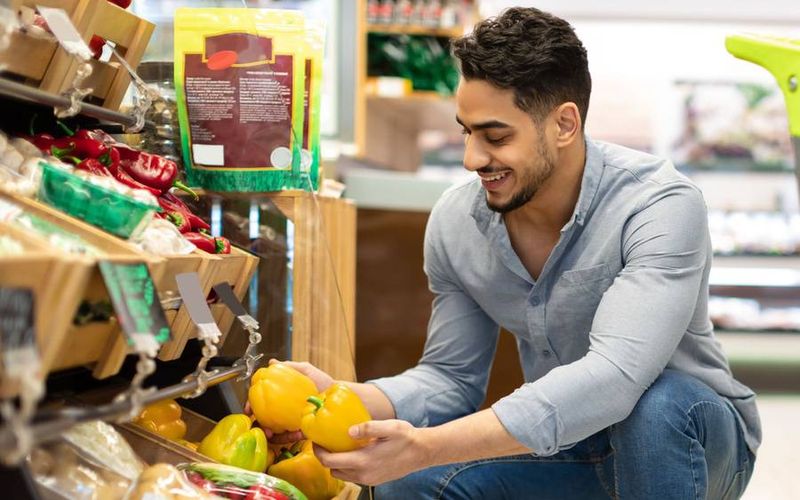
Check labels showing country of origin to make informed choices. Prioritising British seasonal produce when available reduces food miles whilst supporting local farmers and often costs less too.
Frozen options sometimes prove more sustainable than fresh imports since they require less energy-intensive refrigeration during transport. Planning meals around seasonal availability helps reduce environmental impact whilst discovering new recipes and flavours throughout the year.
The Hidden Costs Behind Cheap Imports
Bargain prices often mask true expenses. Cheap imports might result from lower labour standards, weaker environmental protections, or government subsidies abroad that British farmers cannot match fairly.
These hidden costs affect communities and ecosystems worldwide. Understanding the complete picture helps consumers weigh immediate savings against longer-term consequences for people and planet, encouraging more thoughtful purchasing decisions at the checkout.
Technology Transforming Food Transportation
Smart sensors now monitor temperature, humidity, and location throughout entire journeys. This technology prevents spoilage, reduces waste, and ensures optimal conditions from harvest to shelf, improving both quality and efficiency.
Blockchain systems track food origins transparently, letting consumers verify exactly where items came from. Artificial intelligence optimises routes and predicts demand patterns, minimising unnecessary transport whilst maintaining stock levels effectively.
Future Trends In Food Sourcing
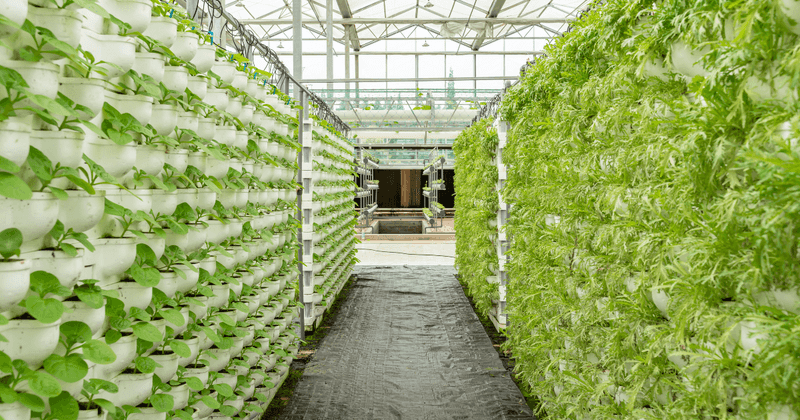
Vertical farms growing crops inside British cities could dramatically reduce food miles. These high-tech facilities use LED lighting and hydroponics to produce fresh vegetables year-round regardless of weather, bringing farms closer to consumers.
Lab-grown proteins and alternative ingredients might reshape supply chains entirely. As climate change affects traditional farming regions, innovation in food production and transportation will become increasingly crucial for maintaining reliable supplies.