








There’s something quietly fascinating about how a simple glass of kefir can change what’s going on inside you. It’s tangy, a little fizzy, and much more alive than it looks - and that liveliness doesn’t stop once you drink it.
Give it a regular spot in your day, and your digestion might start behaving in ways you didn’t expect (in the best possible way).
This content is for general informational purposes only and is not intended as a substitute for professional medical advice, diagnosis, or treatment. Always consult a qualified healthcare professional before making significant changes to your diet or digestive health routine. Photos are for illustrative purposes only.
Your Microbes Change Quickly When Plants Show Up
Your gut bacteria aren't set in stone – they react almost instantly to what you eat. When people switch between plant-based and animal-based diets, researchers have found that their gut microbes start changing in just a couple of days.
That means every fibre-filled meal has an impact. The more plants you add, the more your gut community shifts toward friendly bacteria that thrive on natural fibre.
Even small changes, like adding oats at breakfast or lentils at lunch, can begin to move things in a positive direction. It's proof that your microbes pay close attention to your plate and reward you for feeding them right.
Fibre Becomes Food For Friendly Bugs
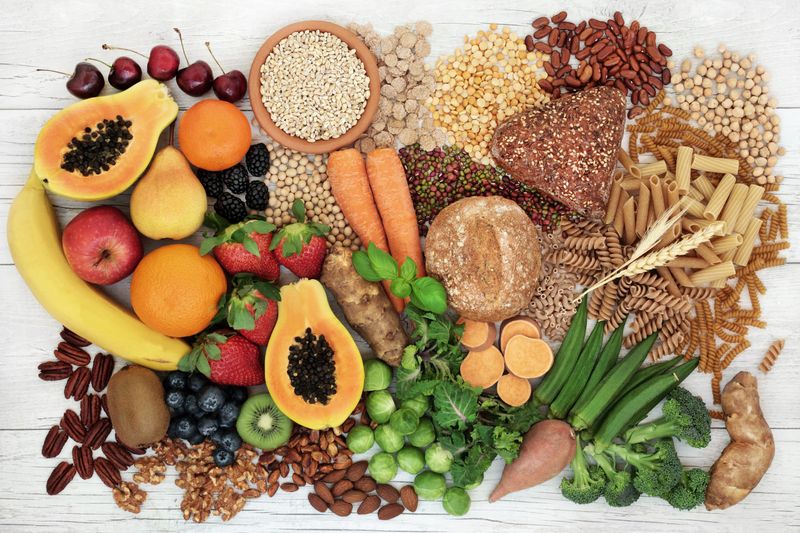
Fibre isn't really for you – it's for your gut's residents. When bacteria break down fibre, they produce tiny compounds that help keep your gut lining strong and your system balanced.
These helpful acids also make the gut environment less inviting to harmful microbes. In other words, fibre gives good bacteria something to chew on while keeping the troublemakers quiet.
Over time, this leads to smoother digestion and a happier gut overall. So when you fill your meals with plants, you're basically hosting a feast for your microscopic friends.
Different Fibres Feed Different Helpers
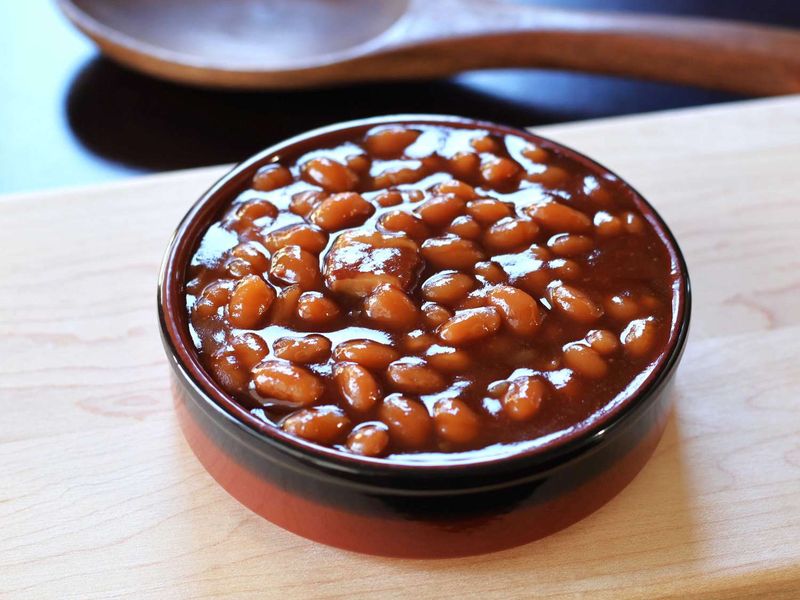
Not all fibre works the same way, and that's where things get interesting. Certain fibres, called prebiotics, feed specific bacteria known for their positive effects.
These come from foods like garlic, onions, leeks, oats, apples, beans, and bananas. Others play different roles – some add bulk, while others help slow digestion.
A wide mix of fibre sources keeps your gut diverse and well-balanced. The key is variety: switching between grains, vegetables, fruits, and legumes gives your microbes a buffet of options. A colourful plate equals a colourful microbiome.
Resistant Starch Gives A Butyrate Boost
One special kind of fibre, called resistant starch, works wonders for gut health. It's found in foods like cooled potatoes, rice, pasta, beans, and even slightly green bananas.
When gut bacteria break it down, they produce something called butyrate – a compound that helps keep the gut lining in great shape. Many studies show that resistant starch supports a healthy balance of bacteria and encourages the production of these beneficial compounds.
The best part? You can increase resistant starch naturally just by cooking, cooling, and reheating starchy foods. It's an easy win for your gut.
More Plant Variety Means A Richer Gut Community
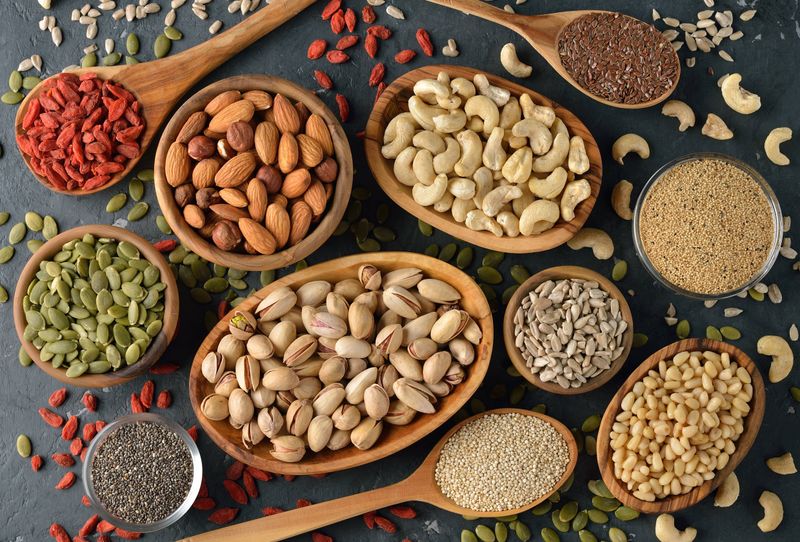
Eating a wide range of plants is one of the simplest ways to make your gut bacteria thrive. Research shows that people who eat around 30 different types of plants each week have more diverse and resilient gut communities.
That doesn't mean exotic superfoods – even herbs, nuts, seeds, and everyday vegetables count. Around the world, traditional diets high in fibre tend to support much richer gut ecosystems compared to processed, low-fibre diets.
Think of your gut like a garden: the more plant species you plant, the more lively and balanced it becomes.
Start Low, Go Slow, And Stay Hydrated
Jumping straight into a high-fibre diet can be a bit of a shock for your system. It's better to add fibre gradually and drink plenty of water so everything moves comfortably.
Your gut bacteria need time to adjust to their new food supply, and hydration helps keep digestion smooth. Experts recommend working up to around 30 grams of fibre a day.
Take your time – consistency is what really matters. A slow build-up keeps your gut calm while still letting all the good changes unfold.
Daily Habits That Make Fibre Stick
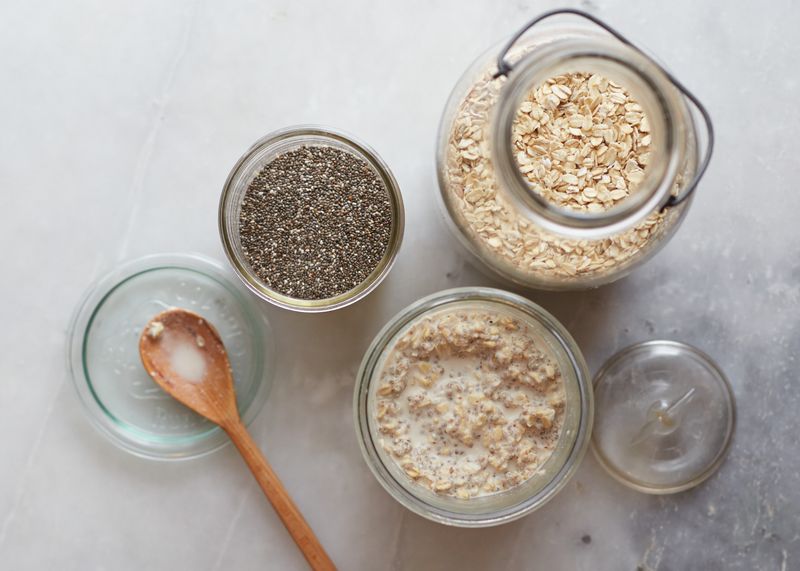
The secret to reaping fibre's benefits is turning it into a daily habit. Mix oats or chia seeds into breakfast, add beans or lentils to lunch, and swap white grains for wholegrains at dinner.
Keep fruit where you'll actually see it, and carry a small bag of nuts for easy snacking. Trying a new vegetable or recipe each week keeps things fun and varied.
There's no one-size-fits-all approach – experiment until you find what works best for you. Once fibre becomes part of your everyday routine, your gut bacteria will thank you.