



There was a time when eating in your car felt like a novelty, not a normal part of everyday life. But drive-thru culture has changed that, turning quick meals into a way of living that fits neatly between work, errands, and the school run. From coffee stops to burgers on the go, it’s reshaped how Britain eats, socialises, and even thinks about convenience.
This article is for general informational purposes only. Food habits and availability may vary by region, and opinions expressed reflect cultural trends rather than nutritional advice.
The Fast-Food Revolution Hits British Roads
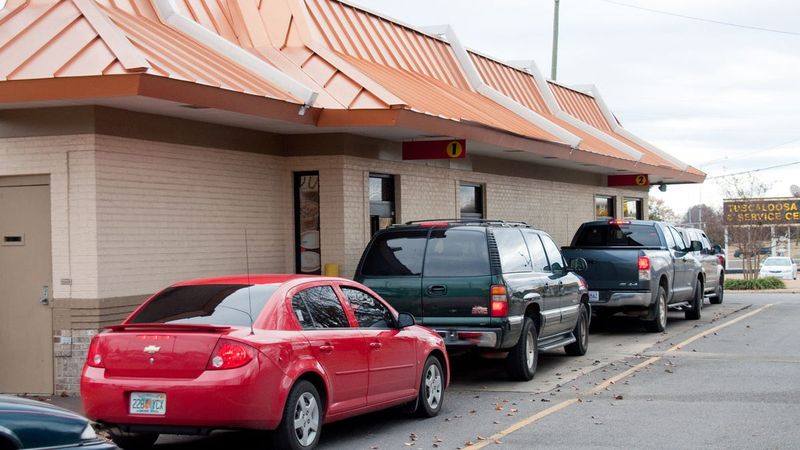
American chains like McDonald’s introduced drive-thrus to Britain in the late 1970s, forever changing how people thought about meals. Suddenly, families could grab burgers without leaving their cars, making dining faster and easier.
This innovation appealed to busy parents and commuters who valued speed. Drive-thrus quickly became symbols of modern convenience, transforming ordinary car parks into bustling food hubs across the country.
How Convenience Became King
Modern life moves quickly, and drive-thrus cater perfectly to that pace. Families juggling work, school runs, and activities appreciate not having to park, unbuckle kids, or wait inside crowded restaurants.
Weather plays a role too - staying dry during rainy British days makes drive-thrus even more appealing. This convenience factor has turned quick service into an expectation rather than a luxury for many households.
From Quick Bites To Everyday Dining
Drive-thrus were once reserved for occasional treats, but they've become routine for many British families. Busy schedules mean grabbing breakfast on the way to work or dinner after football practice feels normal.
This shift reflects changing attitudes towards dining out. Quick meals no longer feel like indulgences but practical solutions to hectic lifestyles, making drive-thrus essential parts of weekly routines.
The Rise Of Car-Friendly Menus
Restaurants redesigned menus specifically for drivers, creating foods that travel well and eat easily. Wrapped burgers, sealed drinks with sturdy lids, and portable snacks became standard offerings designed for one-handed consumption.
Packaging innovations followed, with spill-proof containers and cup holders in mind. These thoughtful changes show how drive-thrus influenced not just where we eat, but what we eat too.
Why Drive-Thrus Reshaped Family Meals

Family dinners have become less frequent for some households, with more meals eaten on the go or brought home from drive-thrus. Drive-thrus made this transition smoother by offering quick, affordable options that satisfy everyone.
Parents appreciate the flexibility - picking up food between activities saves precious time. Whilst some worry about losing mealtime traditions, others embrace the practicality that fits modern family life better.
British Chains Join The Drive-Thru Craze
Homegrown brands like Greggs and Costa Coffee jumped on the drive-thru bandwagon, proving it wasn't just for burger joints. Seeing sausage rolls and lattes available without leaving your car felt distinctly British.
These expansions showed how deeply drive-thru culture penetrated UK dining habits. Local favourites adapting to this model validated its importance and ensured more choices for customers seeking convenience.
What The Future Of Drive-Thru Dining Looks Like
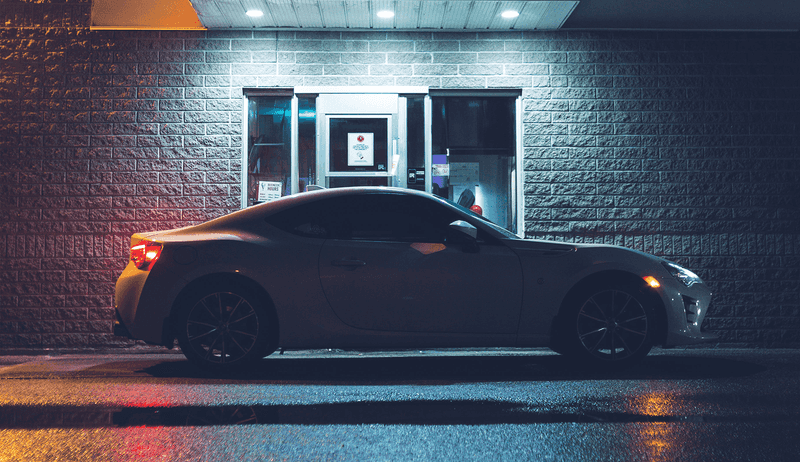
Technology is transforming drive-thrus with app ordering, digital menus, and contactless payment making service faster than ever. Some restaurants test automated systems and dedicated mobile order lanes to reduce wait times.
Environmental concerns are pushing chains towards eco-friendly packaging and electric vehicle charging stations. The future promises even greater convenience whilst addressing sustainability, ensuring drive-thrus remain relevant for years ahead.