









The oil you use in the kitchen quietly influences far more than most people realise.
From how quickly food browns to whether flavours taste light, nutty, rich, or neutral, different oils behave very differently once heat is involved.
Smoke points, fat composition, and natural aromas all play a role in how a dish turns out, especially when frying, roasting, or dressing food.
Knowing which oil suits which job can make everyday cooking more consistent and far more enjoyable.
All information is provided for general interest only.
Cooking results, flavour preferences, and product availability may vary.
Photos are for illustrative purposes only.
How Smoke Points Affect Flavour And Cooking Results
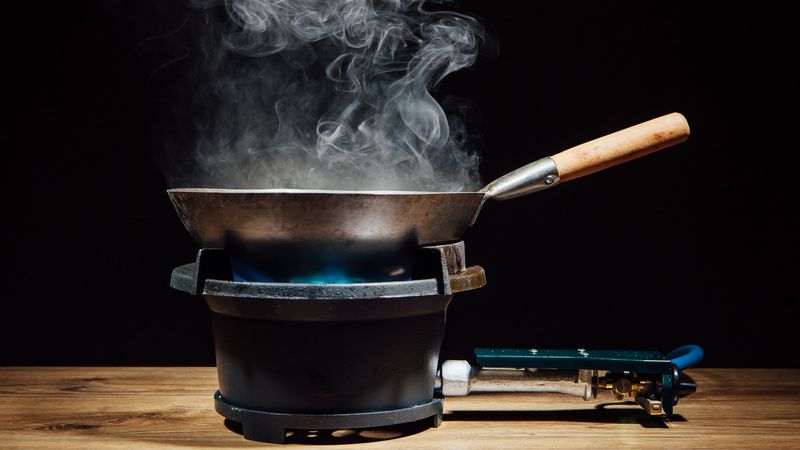
Smoke point is the temperature where oil starts breaking down and producing smoke, and trust me, you'll know when you've hit it.
Cross that line and your kitchen fills with acrid fumes whilst your food picks up a burnt, unpleasant taste nobody asked for.
High smoke point oils like avocado or peanut oil can handle the fierce heat of stir-frying and deep-frying without drama.
Meanwhile, delicate oils such as flaxseed begin smoking at much lower temperatures, making them rubbish for anything beyond drizzling.
Match your oil to your cooking method and you'll avoid nasty flavours and wasted ingredients every single time.
Why Olive Oil Tastes Different From Neutral Oils
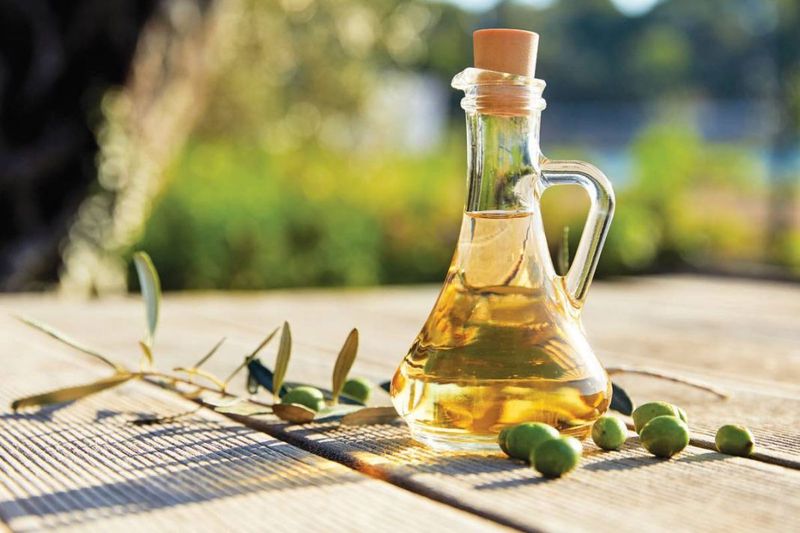
Olive oil brings a fruity, peppery punch that neutral oils like canola or grapeseed simply don't have.
That bold flavour comes from natural compounds in the olives themselves, especially in extra virgin varieties that skip heavy refining.
Neutral oils are stripped down during processing, leaving behind a clean, almost invisible taste that lets other ingredients shine.
This makes them brilliant for baking or when you want garlic and spices to take centre stage.
Olive oil, on the other hand, becomes part of the flavour story, perfect for Mediterranean dishes where its character genuinely belongs.
How Oil Choice Changes Texture And Browning
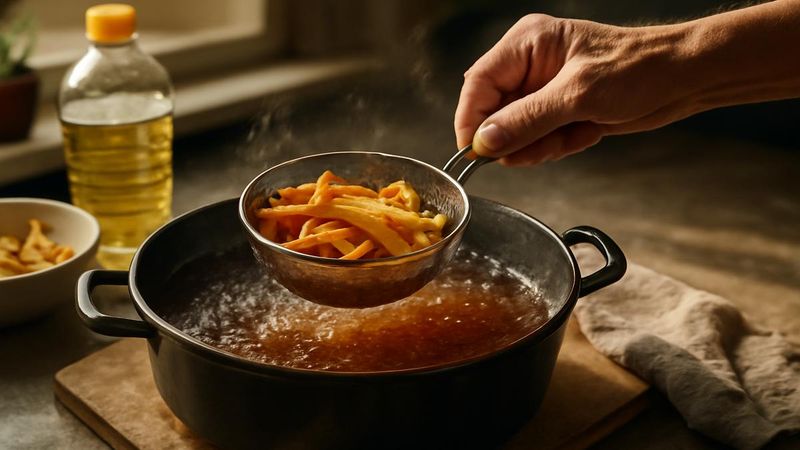
Different oils conduct heat in their own unique ways, which directly affects how food browns and crisps up.
Oils with higher fat content and stability, like ghee or refined coconut oil, encourage even browning and that satisfying crunch we all crave.
Lighter oils might leave your roast potatoes a bit pale and sad-looking because they don't create the same intense surface heat.
The type of fat also influences moisture retention, so choosing the right oil can mean the difference between a juicy chicken thigh and a dry disappointment.
Texture matters just as much as taste.
The Role Of Fat In Carrying Flavour
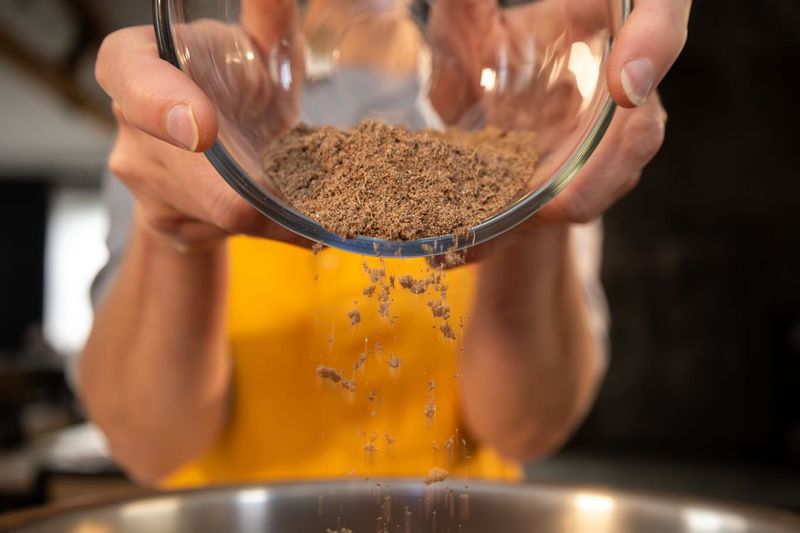
Fat is basically a flavour taxi, picking up and delivering tastes throughout your dish in ways water-based liquids never could.
Many aromatic compounds in herbs, spices, and garlic dissolve only in fat, which is why blooming spices in oil releases their full potential.
Without enough fat, those flavours stay locked up and your food tastes flat.
Oils with their own character, like sesame or walnut, add an extra layer of complexity whilst still doing the heavy lifting of carrying other tastes.
It's why a drizzle of good oil over finished vegetables makes such a noticeable difference to the overall experience.
When To Use Butter, Ghee, Or Plant Oils
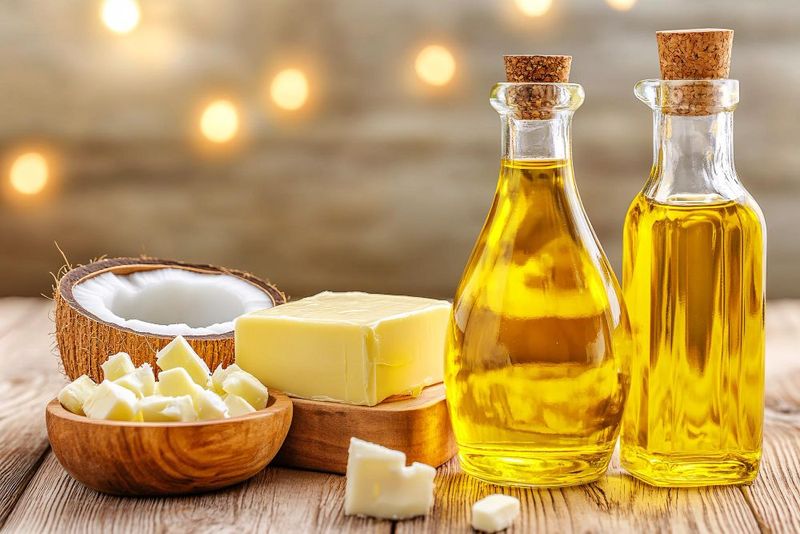
Butter delivers unmatched richness and a creamy, slightly sweet flavour that plant oils can't replicate, but it burns easily because of its milk solids.
Ghee solves that problem by removing those solids, giving you buttery taste with a much higher smoke point suitable for sautéing and frying.
Plant oils like sunflower or rapeseed are your workhorses for everyday cooking, offering neutral flavour and heat tolerance without the dairy.
Each has its moment: butter for finishing sauces, ghee for high-heat Indian cooking, and plant oils for versatile, reliable performance across most dishes.
How Cold-Pressed Oils Behave In Heat
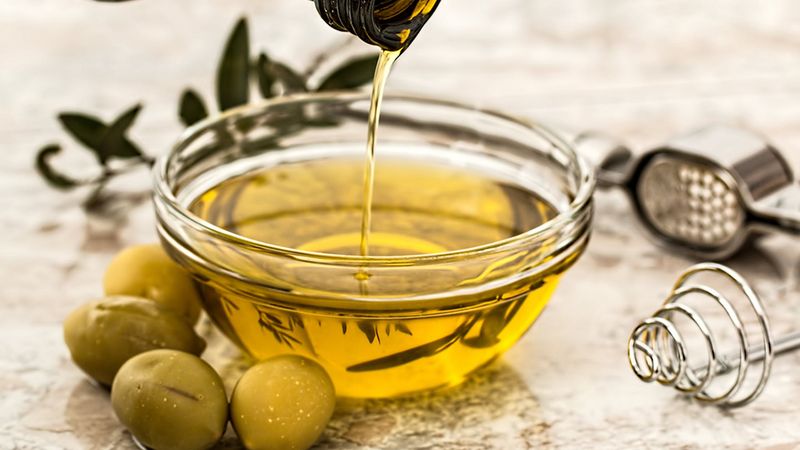
Cold-pressed oils keep more of their natural flavour, colour, and nutrients because they skip the high-temperature refining process.
Sounds brilliant, right?
The catch is they're often less stable when exposed to heat, meaning they can break down faster and lose their special qualities.
Extra virgin olive oil and cold-pressed rapeseed work fine for gentle cooking, but save the pricey cold-pressed walnut or flaxseed oils for drizzling over finished dishes.
Heating them too much wastes their delicate flavour and the money you spent on them, so treat these oils like the finishing touches they're meant to be.
Why Some Oils Suit Frying Better Than Others
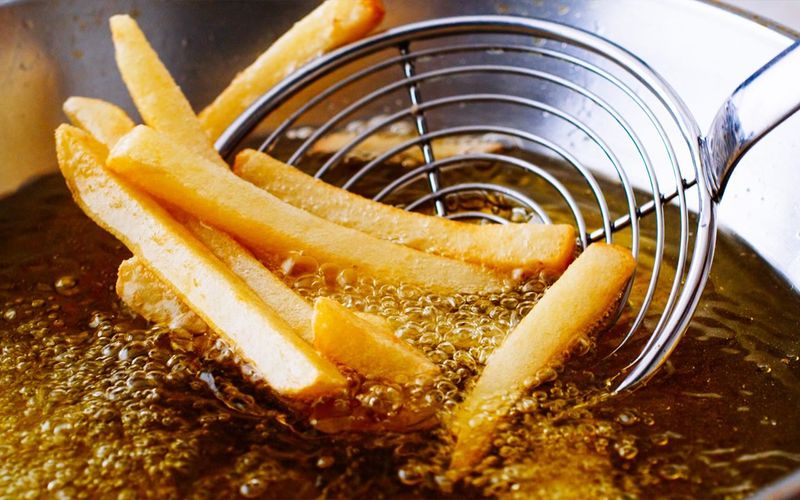
Frying demands oils that can take serious heat without breaking down into nasty compounds or tasting burnt.
Refined oils like peanut, sunflower, and vegetable oil have high smoke points and stable structures, making them absolute champions for deep-frying and pan-frying alike.
Unrefined or flavoured oils often can't handle the temperature and end up ruining your chips with off-flavours and smoke.
The best frying oils also stay liquid at room temperature and don't leave a heavy, greasy coating.
Pick the right one and your fried food comes out crisp, light, and genuinely delicious instead of soggy or bitter.
How Oil Aroma Influences Finished Dishes

Aroma is half the eating experience, and oils contribute more to it than most people realise.
Toasted sesame oil, for instance, fills the kitchen with a nutty, warm scent that instantly signals Asian-inspired flavours before you've even tasted a bite.
Neutral oils stay quietly in the background, letting other ingredients take the spotlight, whilst aromatic oils like coconut or hazelnut announce themselves boldly.
Using the wrong aromatic oil can clash horribly with your dish, like coconut oil in a classic French omelette.
Choose wisely and the aroma alone will make your food infinitely more appealing and memorable.
How Storage And Freshness Affect Oil Performance
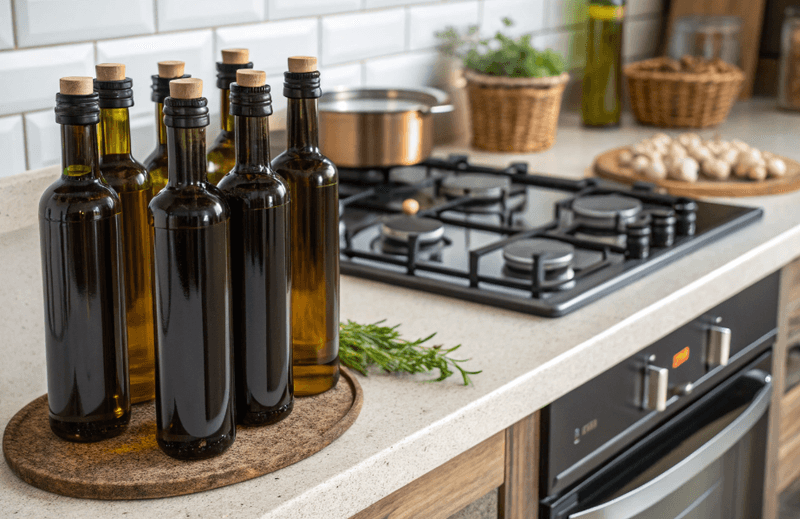
Oil doesn't last forever, and old or badly stored oil can turn rancid, giving your food a stale, almost soapy taste that ruins everything.
Heat, light, and air are the main culprits, so keeping oil in a cool, dark cupboard in a tightly sealed bottle makes a massive difference.
Unrefined oils go off faster because they contain more natural compounds that break down over time.
If your oil smells musty or tastes bitter, bin it and start fresh.
Fresh oil performs better in every way, delivering cleaner flavours, better browning, and more reliable cooking results across the board.