



That satisfying hiss of a gas hob might make dinner feel more authentic, but it also comes with an invisible downside. Every time you switch it on, tiny pollutants fill the air - the kind you’d usually associate with busy city streets, not your kitchen. It’s a hidden problem most of us never think about, but once you know what’s really happening, it’s hard to ignore.
This article is for general informational purposes only and should not replace advice from a qualified health or environmental professional. The effects of indoor air pollution can vary depending on ventilation, cooking habits, and appliance maintenance. If you’re concerned about air quality at home, consider proper ventilation or professional inspection. Photos are for illustrative purposes only.
Burning Gas Produces Nitrogen Dioxide
Gas flames release nitrogen dioxide straight into your kitchen air every time you turn on a burner. This colourless gas irritates your respiratory system and can worsen asthma symptoms, especially in smaller spaces.
High levels make breathing difficult and trigger coughing fits. Long-term exposure may even damage lung tissue over time, creating lasting health problems for everyone in your household.
Carbon Monoxide Can Build Up Without Proper Ventilation
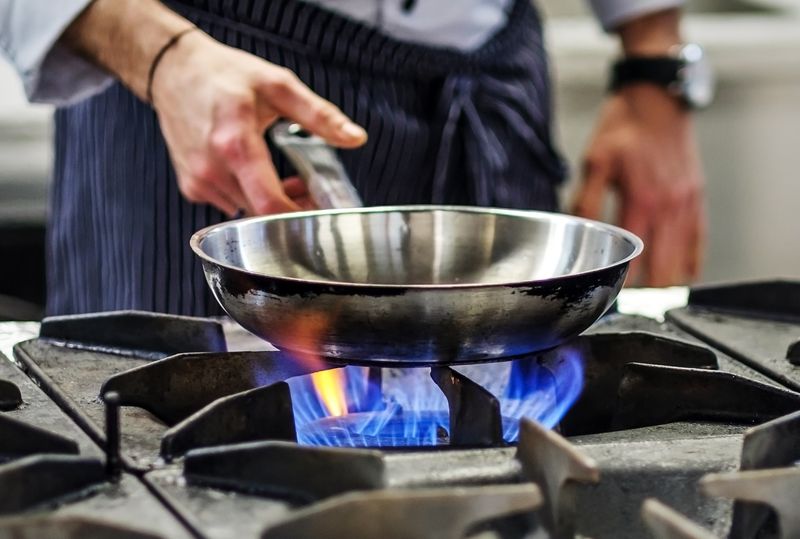
Without adequate airflow, carbon monoxide accumulates in your home during cooking sessions. This gas has no smell or colour, making it impossible to detect without special equipment.
Symptoms include headaches, dizziness, and nausea. In severe cases, carbon monoxide poisoning can be fatal, which is why proper ventilation is absolutely essential whenever you're using a gas stove or oven.
Particulate Matter From Stoves Affects Your Lungs
Tiny particles float into the air when gas burns, settling deep inside your lungs with each breath. These microscopic bits of pollution are too small to see but cause significant damage over time.
Regular exposure increases your risk of respiratory infections and heart problems. Children who breathe this particulate matter may develop reduced lung capacity, affecting their health well into adulthood.
Indoor Air Quality Drops During Cooking Sessions
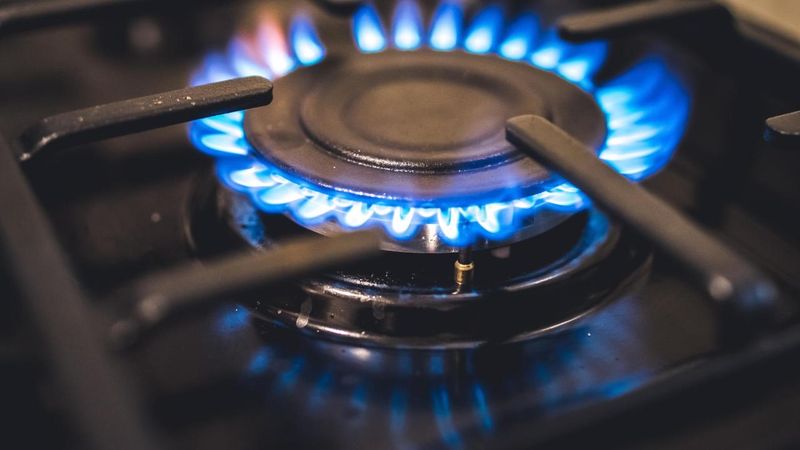
Your home's air quality plummets the moment you start cooking with gas. Pollutant levels can quickly exceed outdoor air quality standards, even on busy city streets.
Measurements show that concentrations of harmful gases spike dramatically during meal preparation. This means your family breathes dirtier air inside than they would outside, which seems backwards but is unfortunately true for many households.
Children And Older Adults Are Especially At Risk
Vulnerable family members face greater dangers from gas cooking pollution. Young children's developing lungs absorb more pollutants per breath, whilst older adults often have weakened immune systems.
Studies link childhood asthma to gas stove exposure in homes. Elderly residents may experience worsened breathing conditions and increased hospital visits when regularly exposed to these indoor pollutants during cooking.
Using A Hood Or Fan Helps Clear The Air
Installing a proper ventilation hood removes much of the pollution before it spreads throughout your home. Fans that vent outdoors work best, pulling contaminated air outside rather than recirculating it.
Always switch on your extractor before lighting the stove. Opening windows provides extra airflow, creating cross-ventilation that further reduces pollutant concentrations and protects your family's respiratory health.
Switching To Electric Reduces Indoor Pollution
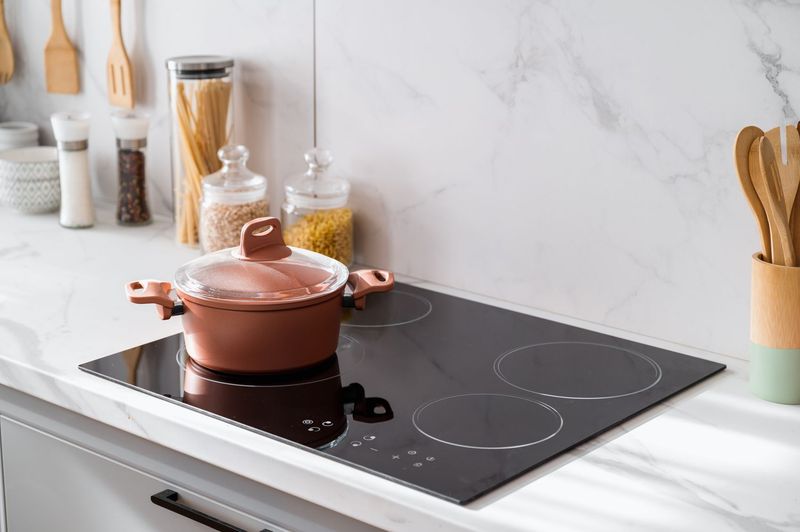
Electric and induction cooktops produce significantly fewer indoor pollutants than gas alternatives. Making the switch eliminates nitrogen dioxide and carbon monoxide emissions entirely from your cooking routine.
Whilst initial costs may seem high, the long-term health benefits outweigh the investment. Many families notice improved breathing and fewer respiratory complaints after transitioning away from gas cooking appliances.