




Cooking in the fifties had a certain charm, the kind that came from rolling up your sleeves and doing everything by hand. Recipes took time, kitchens were simpler and every meal felt like a small labour of love rather than a quick job before heading out the door.
It is fascinating to look back at how people managed without the gadgets we rely on today and realise just how creative home cooks really were.
This article offers a light look at everyday kitchen life in the past and how cooking habits have changed over the decades. Images are for illustrative purposes only.
Hand-Cranked Egg Beaters and Manual Mixing
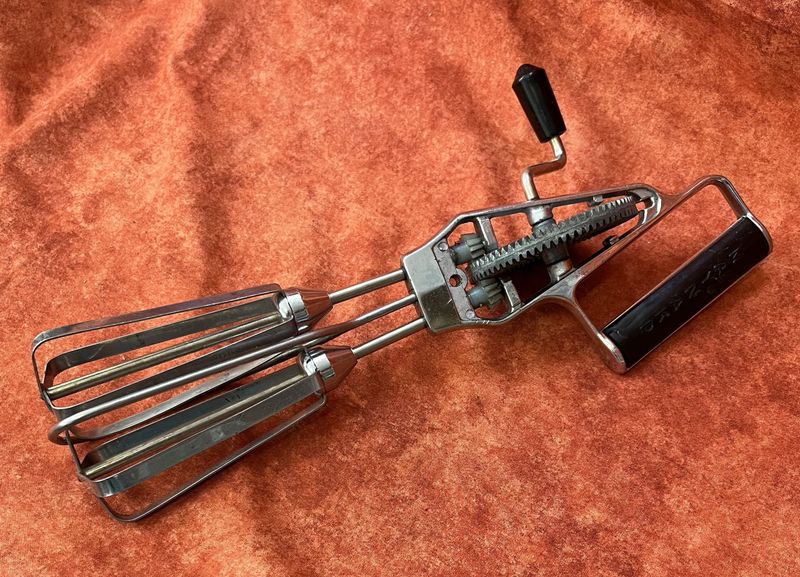
Before electric mixers became affordable, the rotary egg beater was a kitchen workhorse. This hand-cranked tool required elbow grease and rhythm to whip cream, beat eggs, or blend cake batter. Many cooks developed strong forearms from whisking batters for twenty minutes straight.
Grandmothers would often pass down their techniques for getting the perfect consistency. The sound of metal beaters whirring in a ceramic bowl became a comforting kitchen melody. Though tiring, this manual method gave cooks complete control over texture and prevented over-mixing.
Kids often begged to take a turn cranking the handle during baking sessions.
Manual Food Mills And Vegetable Preparation
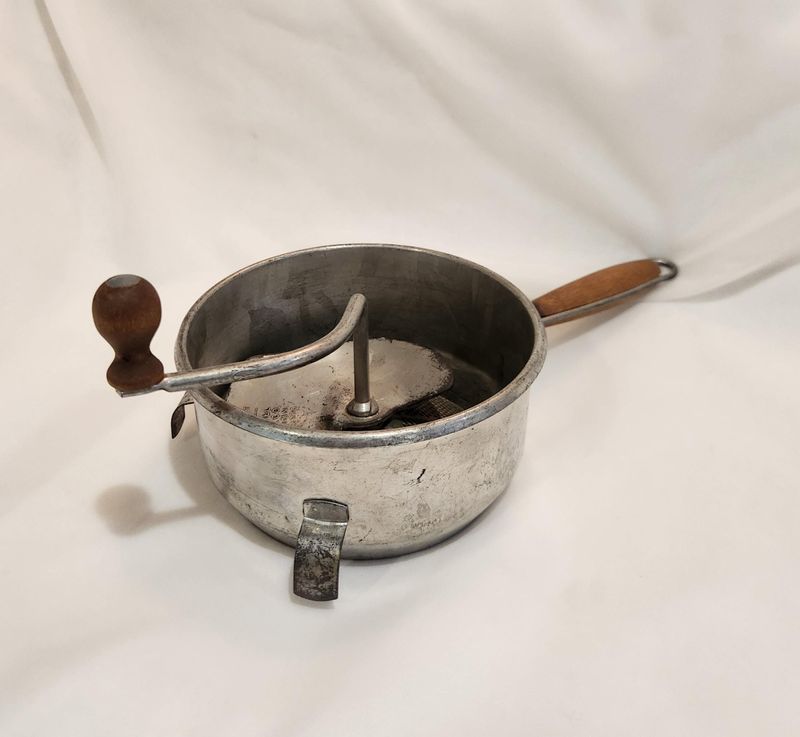
Food processors didn't exist, so the manual food mill reigned supreme for pureeing tomatoes, mashing potatoes, or straining applesauce. Cooks would clamp the mill over a bowl and turn the crank, forcing cooked vegetables through a perforated disk. The process took muscle and patience but produced smooth, lump-free results.
Preparing baby food meant spending an hour pushing cooked carrots through the mill's screen. Garden-fresh tomatoes became sauce only after serious cranking sessions. Each vegetable required different pressure and technique.
Women often gathered in kitchens, chatting while they worked the mill together during canning season.
Cast Iron Skillets And Stovetop Mastery
Cast iron cookware dominated 1950s kitchens, passed down through generations and seasoned to perfection. These heavy pans distributed heat evenly but required constant attention and proper care to prevent rust. Cooks learned to judge temperatures by hovering their hands above the surface since few skillets had heat indicators.
Flipping pancakes or frying chicken meant developing real skill with weight and timing. The pans were so heavy that lifting them required two hands for most people. Cleaning meant wiping with salt and oil, never soap, to preserve the seasoning.
A well-maintained skillet became a family heirloom treasured for decades.
The Ice Box Era And Limited Refrigeration
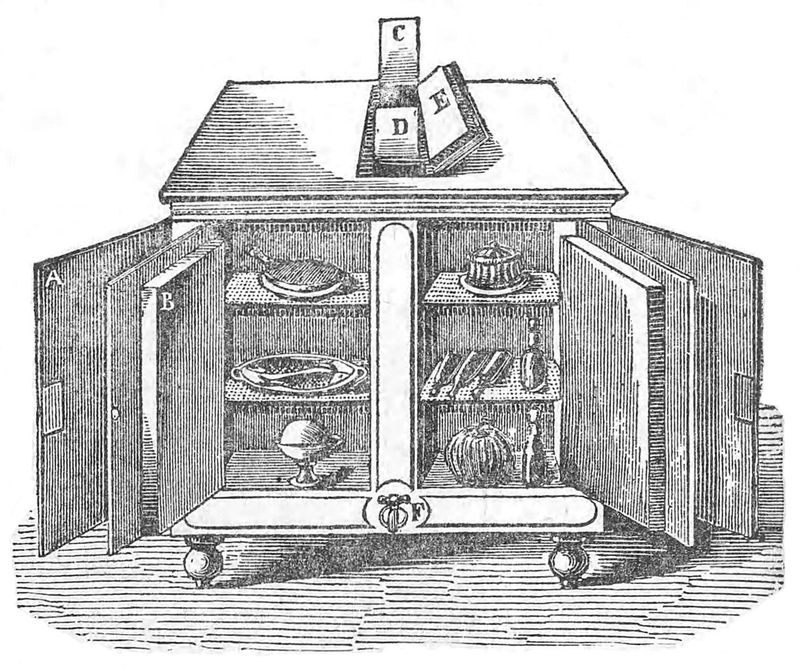
Refrigerators in the 1950s were compact boxes with tiny freezer compartments barely big enough for ice cube trays. Many families still used actual ice boxes that required regular ice deliveries from the local iceman. Fresh food shopping happened multiple times per week since storage space was precious.
Leftovers couldn't be frozen for months like today. Milk came in glass bottles that needed quick consumption, and meat had to be cooked within a day or two. Root cellars and cool pantries supplemented refrigeration for storing potatoes, onions, and canned goods.
Planning meals around perishability became second nature to every household cook.
Pressure Cookers As Kitchen Marvels
Pressure cookers were considered cutting-edge technology in the 1950s, drastically reducing cooking times for tough cuts of meat and dried beans. These heavy aluminum pots used steam pressure to cook food faster, but they also came with a reputation for being temperamental. Stories of exploding pressure cookers made many cooks nervous about using them.
Learning to regulate the pressure valve and timing required practice and courage. A perfectly cooked pot roast in forty minutes felt like magic compared to hours of conventional cooking. The hissing and rattling sounds signaled progress but also demanded constant supervision.
Instruction manuals were studied like sacred texts before attempting the first use.
Manual Can Openers And Tin Struggles
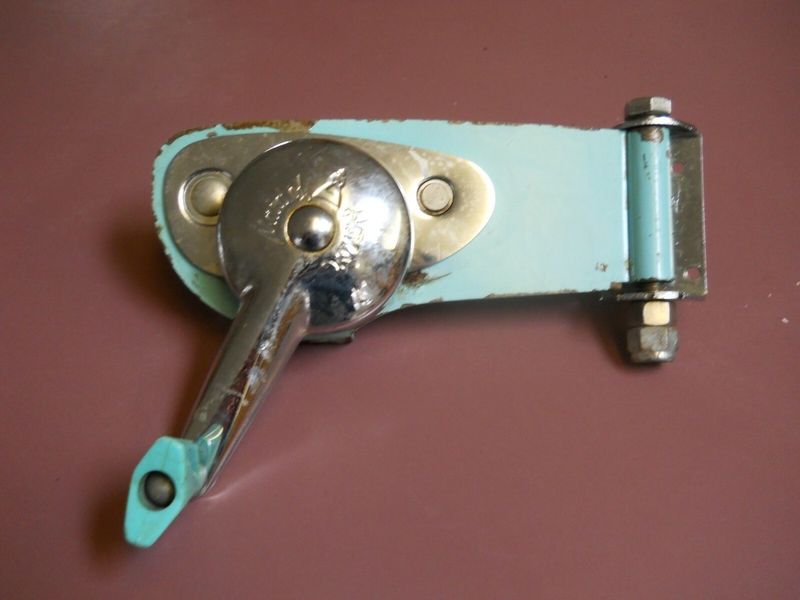
Opening a can of soup or vegetables required a handheld manual opener with a sharp cutting wheel and butterfly crank handle. Electric can openers were rare luxuries, so most people developed calluses from turning the stiff mechanism around tin lids. The process left sharp, jagged edges that could slice fingers if handled carelessly.
Church key openers punched triangular holes in condensed milk cans and juice tins. Some stubborn cans required multiple attempts and considerable forearm strength. Dull openers made the job even harder, sometimes requiring pliers as backup.
Kids learned early to respect the danger of freshly opened can lids and the importance of proper disposal.
Canning And Preserving Summer Harvests
Without large freezers, families preserved summer's bounty through canning - a hot, exhausting process that filled pantries with jewel-toned jars. Women would spend entire days sterilizing jars, preparing fruits and vegetables, and processing them in boiling water baths. The kitchen became a steamy workshop during peak harvest season.
Jams, pickles, tomatoes, and green beans lined basement shelves, representing months of winter meals. Each jar was carefully labeled with contents and dates. A successful canning season meant security and pride.
Neighbors often shared recipes and techniques, turning preservation into a community tradition that bonded households together through shared labor.
Recipe Cards And Handwritten Collections
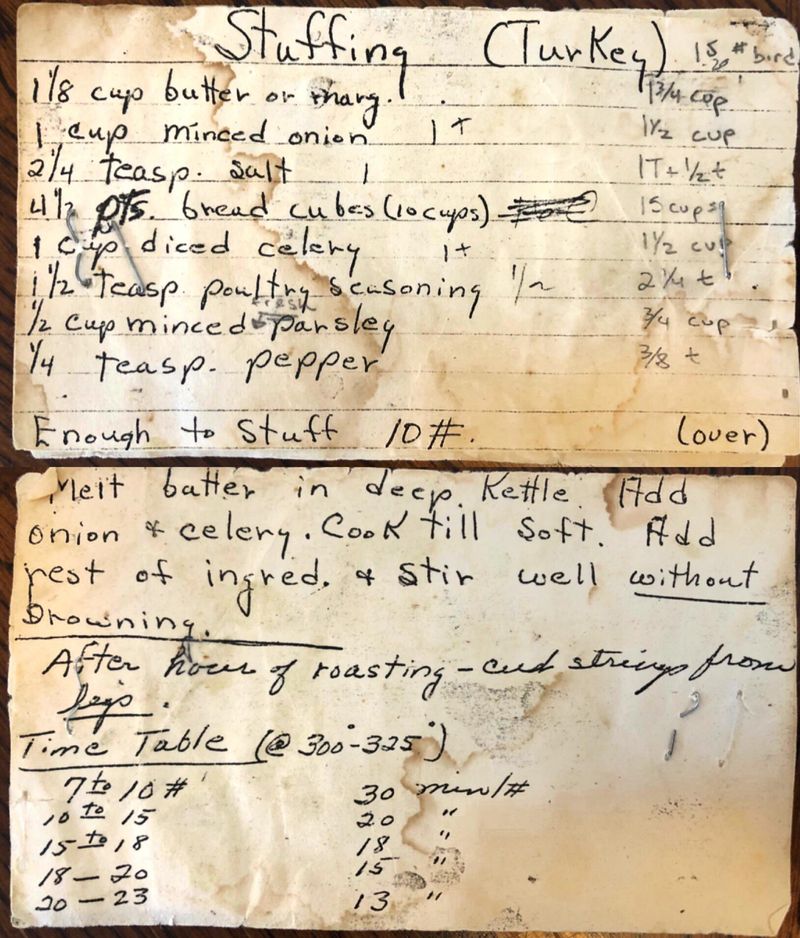
Recipe boxes stuffed with handwritten index cards served as every cook's personal database, passed between friends and across generations. Women copied recipes at church socials, bridge clubs, and family gatherings, creating treasured collections with notes in the margins. Flour-dusted fingerprints and ingredient splatters told stories of countless meals prepared.
Cookbook authors like Betty Crocker and Fannie Farmer provided foundational knowledge, but the real secrets lived in those handwritten cards. Adjustments like "add more sugar" or "bake longer" captured hard-won wisdom. Lost or damaged cards were kitchen tragedies.
Trading recipes built friendships and preserved family traditions in ways digital files never could replicate today.