








Burns Night food has always carried a sense of tradition, yet the way it appears on modern tables keeps gently shifting. Familiar dishes still anchor the celebration, but new ideas, presentation styles, and changing tastes have quietly shaped what ends up being served.
It’s fascinating to see how heritage and creativity sit side by side on the same plate. A closer look reveals how these menus reflect wider changes in British cooking and entertaining.
This content reflects general observations of food traditions and cultural trends, which may vary by household, region, and personal preference.
From Simple Suppers To Celebratory Feasts
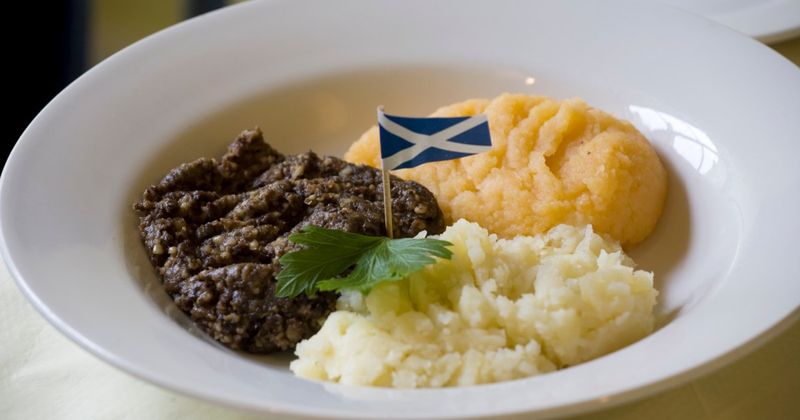
Early Burns suppers were humble affairs where working-class Scots gathered to share whatever they could afford. A pot of haggis, neeps, and tatties fed many mouths without breaking the bank.
Over decades, these gatherings grew grander as Burns's fame spread worldwide. Today's celebrations often feature multiple courses, fine tableware, and carefully planned menus that would astound the poet himself, though the heart of the meal remains refreshingly Scottish.
Traditional Dishes That Still Anchor The Table
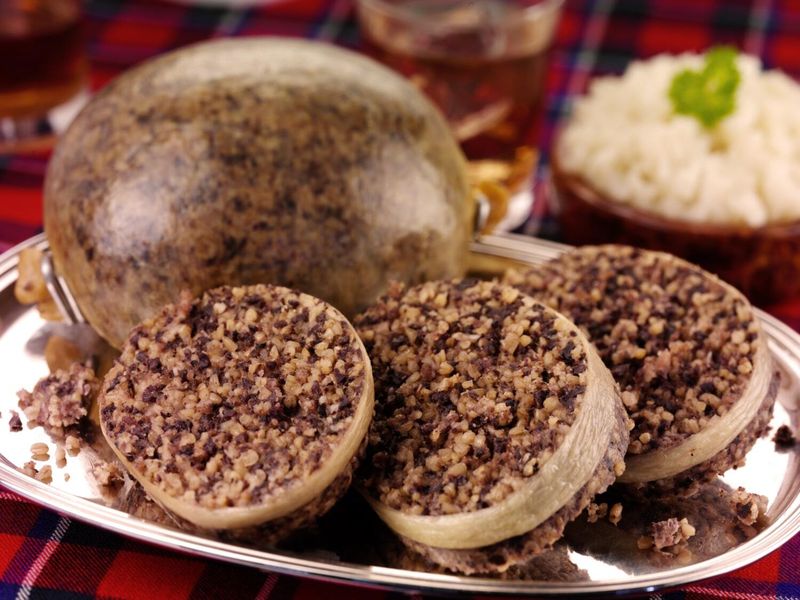
Haggis remains the undisputed star of any Burns Night menu, just as it was centuries ago. This savoury pudding of sheep's pluck, oatmeal, and spices gets piped in ceremonially whilst someone recites Burns's famous 'Address to a Haggis'.
Neeps and tatties haven't budged from their supporting roles either. These mashed turnips and potatoes provide the perfect creamy, earthy accompaniment that lets the haggis shine without competing for attention.
Modern Twists On Familiar Favourites
Chefs nowadays love reimagining classic Burns Night dishes with contemporary flair. Haggis bonbons, haggis-topped nachos, and even haggis Wellington have appeared on restaurant menus across Scotland.
Vegetarian and vegan versions have become increasingly popular too, using lentils, mushrooms, and pulses to recreate the texture and warmth of traditional haggis. These alternatives mean everyone can join the celebration regardless of dietary preferences, keeping Burns Night inclusive and relevant.
Changing Ingredients And Cooking Styles

Whilst traditional recipes called for whatever ingredients were locally available, today's cooks have access to premium Scottish produce from specialist suppliers. Heritage breed lamb, organic oats, and artisan spices elevate the flavour profiles considerably.
Cooking methods have evolved too. Slow cookers, sous vide machines, and air fryers now join the traditional boiling pot.
These modern techniques help home cooks achieve restaurant-quality results without spending hours in the kitchen.
How Presentation Has Become Part Of The Experience
Burns Night plates look far more considered than they once did, with presentation becoming part of the celebration itself. Carefully arranged portions, neat garnishes, and thoughtful colour contrasts now share the spotlight with flavour.
Table settings often feature tartan touches, seasonal greenery, and simple decorative details that make the meal feel like an occasion. Even haggis is now plated with smooth sauces, crisp toppings, and fresh herbs to elevate the visual appeal without losing its comforting roots.
The result feels both respectful of tradition and gently modern, making the experience just as enjoyable to look at as it is to eat.
The Influence Of Global Flavours On Burns Night
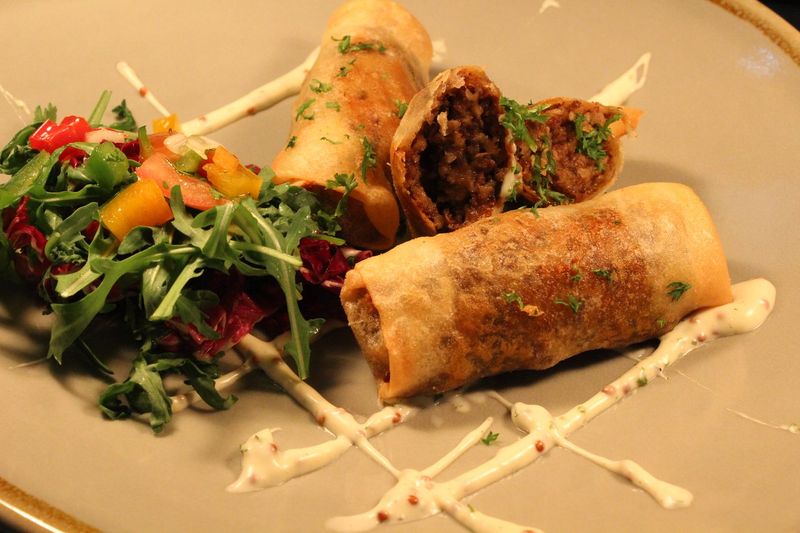
Scotland's increasingly multicultural society has introduced exciting new flavours to Burns Night celebrations. Haggis samosas, haggis pakoras, and haggis spring rolls reflect the fusion of Scottish and Asian cuisines.
These creative combinations honour Burns's spirit of inclusivity whilst showcasing how Scottish traditions adapt beautifully to global influences. What might seem unusual actually works brilliantly, as the spiced, hearty nature of haggis pairs wonderfully with bold international seasonings.
What Today's Menus Say About British Food Culture
Modern Burns Night menus reveal Britain's growing appreciation for regional specialities and heritage foods. People increasingly value authenticity, provenance, and stories behind their meals.
At the same time, flexibility and inclusivity define contemporary British dining. Offering vegetarian options, accommodating allergies, and incorporating diverse influences shows how traditions can evolve without losing their essence.
Burns Night menus now celebrate Scottish culture whilst welcoming everyone to the table.