










British sausages are a staple of the nation’s breakfasts, enjoyed with beans, mash, or in a sandwich. But the process of turning raw ingredients into the plump, seasoned sausages we love involves far more than meets the eye.
From farms to factories, machinery, tradition, and strict quality standards all play a role in ensuring each sausage is safe, tasty, and consistent.
This article is for general informational purposes only and should not replace professional dietary or food safety advice. Individual tastes and ingredient sources may vary. Photos are for illustrative purposes only.
From Farm To Factory: The Journey Of British Sausages
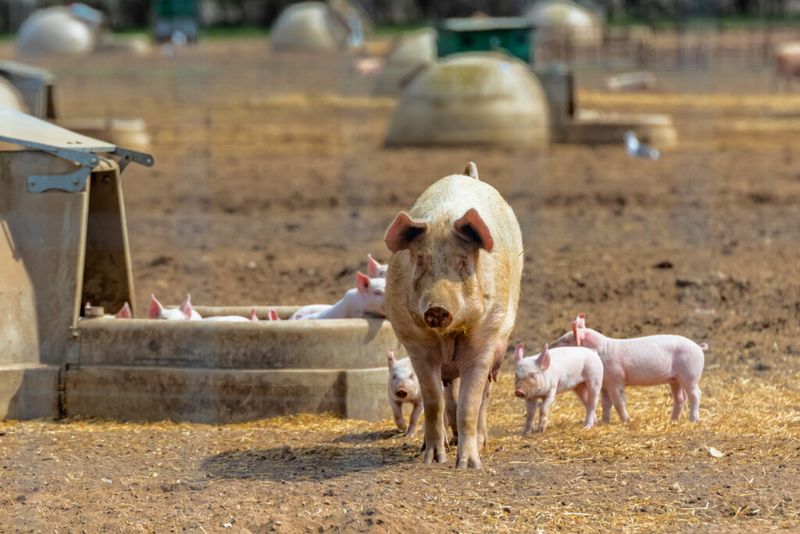
Picture a pig happily snuffling around a British farm, completely unaware it's destined for sausage stardom. Most commercial sausages start their life on Red Tractor certified farms across the UK, where pigs are reared specifically for meat production. Farmers follow strict welfare standards, ensuring animals have proper space, food, and care before they're sent to approved abattoirs.
Once processed, the pork arrives at factories in refrigerated lorries, usually within 24 hours of slaughter. The meat is inspected, weighed, and stored at carefully controlled temperatures to maintain freshness. Quality checks happen at every stage, because nobody wants dodgy meat in their morning fry-up. This farm to factory system ensures traceability, so your banger's entire life story can be tracked from field to fork.
Inside Britain's Sausage-Making Industry
Walk into a commercial sausage factory and you'll be hit by the sheer scale of it all. We're talking massive facilities where hundreds of thousands of sausages roll off production lines every single day. Britain's sausage industry is worth over £600 million annually, with major players like Cranswick and Karro Food Group leading the charge alongside supermarket own-brand producers.
These factories operate under incredibly strict hygiene regulations, with workers kitted out in full protective gear and machinery cleaned multiple times daily. Temperature control is absolutely crucial throughout the entire process. Modern facilities use zoned environments, keeping raw materials separate from finished products to prevent contamination. It's a far cry from your local butcher's back room, but the principles remain surprisingly similar, just supersized for feeding millions of hungry Brits.
The Ingredients Behind Britain's Favourite Bangers

A proper British banger isn't just meat shoved in a casing. By law, sausages must contain at least 42% meat for pork varieties, though premium bangers often boast 85% or higher. The rest? That's where the magic happens. Rusk (dried breadcrumbs) bulks out the mixture and gives that classic texture, whilst water helps bind everything together and keeps things juicy during cooking.
Seasoning makes or breaks a sausage's personality. Traditional recipes call for salt, white pepper, and herbs like sage, though regional variations add their own twist. Cumberland sausages pack in black pepper and herbs, whilst Lincolnshire versions favour sage. Some factories guard their spice blends like state secrets. Preservatives and sulphites might sneak in to extend shelf life, but quality producers keep additives minimal, letting the pork do the talking.
How Modern Technology Keeps Tradition Alive
Here's the clever bit: factories use cutting-edge tech whilst still respecting centuries-old recipes. Computer-controlled mincers grind meat to precise specifications, ensuring consistent texture every single time. Automated mixers blend ingredients with scientific accuracy, measuring seasonings down to the gram. This precision means your favourite supermarket sausages taste identical whether you buy them in January or July.
But technology doesn't mean losing the soul of sausage-making. Many factories still use natural casings made from pig intestines, just like butchers did generations ago. Linking machines twist sausages at speeds human hands could never match, yet they're programmed to create that traditional look. Temperature sensors, metal detectors, and vision systems check quality constantly. It's tradition turbocharged by innovation, keeping British bangers both authentic and safe for modern consumers.
Quality Control: What Makes A Proper British Sausage
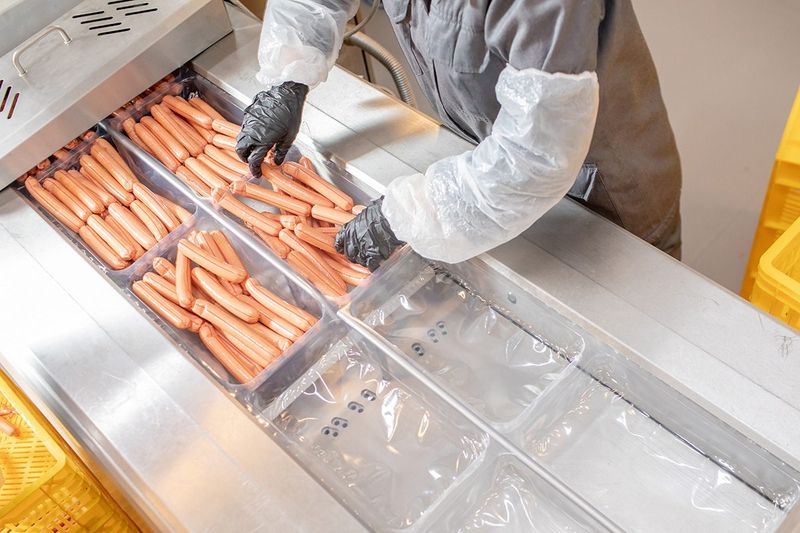
Becoming a shop-worthy sausage means passing more tests than a university student. Quality control teams sample batches throughout production, checking texture, appearance, and taste. Metal detectors scan every single sausage to catch any rogue bits of machinery that might have broken off. X-ray machines spot bone fragments or other unwanted surprises lurking inside.
Temperature checks happen obsessively because bacteria love warm meat. Sausages must stay below 5°C during storage and transport. Laboratories test samples for nasties like salmonella and listeria, with results logged meticulously. The Food Standards Agency can audit factories anytime, and one failed inspection can shut down production instantly. Weight consistency matters too since trading standards prosecute anyone short-changing customers. Only after ticking every box do sausages earn their place on supermarket shelves.
Beyond The Butcher: How Factories Mass-Produce Bangers
Mass production transforms sausage-making from craft to choreographed chaos. Industrial mincers can process tonnes of pork per hour, churning out precisely ground meat that flows into enormous mixing bowls. These mixers, big enough to climb inside, blend hundreds of kilos of ingredients in minutes. Vacuum systems remove air bubbles that would create weak spots or spoil the texture.
Filling machines pump the mixture into casings at breakneck speed, whilst linking machines twist them into individual sausages faster than you can blink. Conveyor belts whisk finished products through chilling tunnels, dropping their temperature rapidly to lock in freshness. Packaging lines wrap, label, and box thousands of sausages hourly. What takes a butcher all morning, a factory accomplishes before the first tea break, supplying supermarkets nationwide with millions of bangers weekly.
What Really Happens Inside The Factory
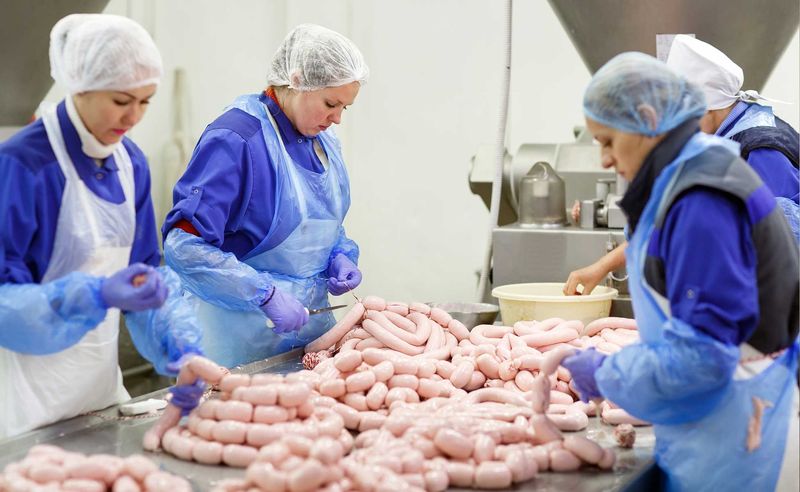
Some factory secrets would surprise even devoted banger fans. Did you know many facilities operate 24 hours, with night shifts keeping Britain's breakfast tables stocked? Workers specialise in specific tasks, becoming experts at trimming fat, monitoring mixers, or spotting defects on speedy production lines. Training takes weeks because precision matters enormously when you're making food for millions.
Waste gets minimised ruthlessly since every scrap costs money. Trimmings become ingredients for other products, whilst unusable bits go to rendering plants for pet food or industrial uses. Factories recycle water, capture heat from machinery, and monitor energy use obsessively. Computer systems track every ingredient batch, so if contamination occurs, affected products can be traced and recalled within hours. It's an incredibly sophisticated operation hiding behind something as humble as your Sunday morning sausage sarnie.