









Few things unite Britain quite like a good curry.
From bustling takeaway counters to candlelit restaurants, the nation’s obsession with spice has become part of its identity.
What started as a borrowed dish has turned into a national treasure that continues to evolve with every bite.
All information is provided for general interest only. Regional traditions, recipes, and restaurant availability may vary.
1. The Arrival Of Spices That Changed British Cooking
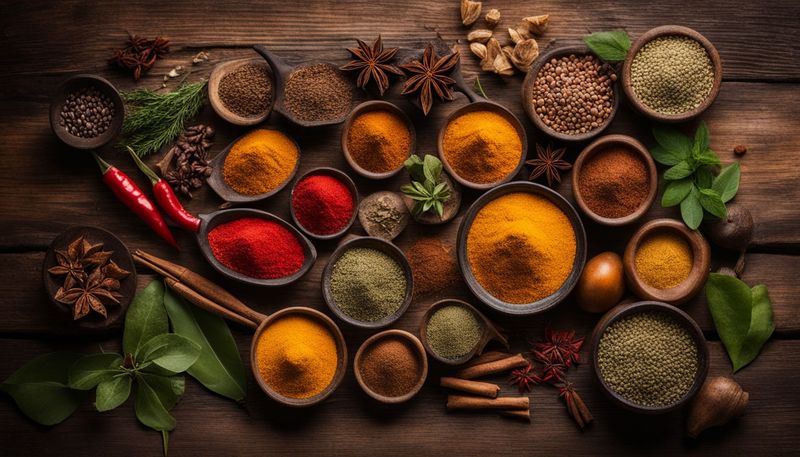
Long before curry became a household name, British sailors and traders brought back mysterious spices from India that would revolutionise cooking forever.
Turmeric, cumin, and coriander were exotic treasures that sparked curiosity in kitchens across the country.
These aromatic ingredients didn't just add flavour - they told stories of distant lands and adventures.
Families began experimenting, blending these spices into traditional recipes and creating something entirely new and thrilling.
2. From Colonial Influence To Culinary Obsession
During the days of the British Empire, officers stationed in India developed a taste for local dishes that they desperately missed back home.
They returned with recipe books, personal cooks, and an insatiable craving for the flavours they'd discovered.
What began as nostalgia amongst the upper classes soon trickled down to ordinary Britons.
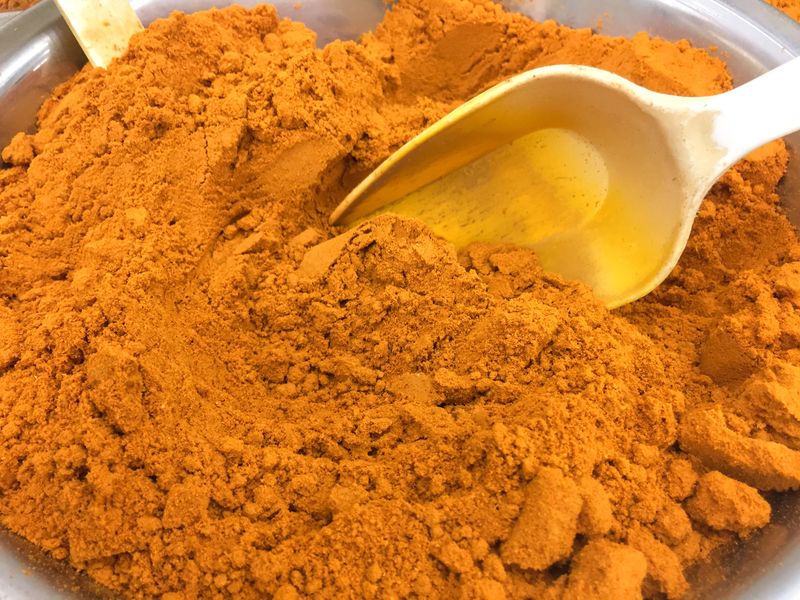
Curry powder appeared in shops, and suddenly everyone wanted to recreate those bold, warming flavours in their own homes.
3. The Birth Of The British Curry House
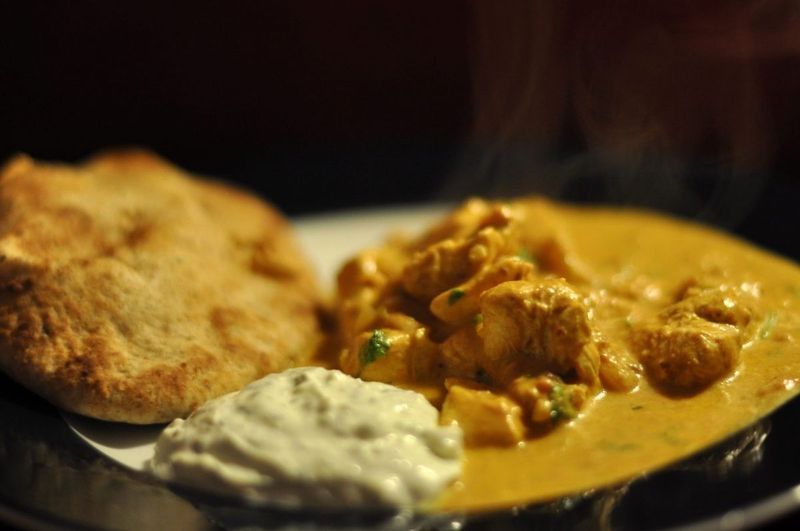
Picture this: the 1950s and 60s saw the first curry houses opening their doors across Britain, offering something completely different from traditional British fare.
These restaurants became community landmarks, welcoming curious diners with vibrant decor and aromatic kitchens.
Families ventured out for special occasions, experiencing new flavours that felt both exotic and comforting.
The curry house became a British institution, a place where celebration and adventure met on every plate.
4. Chicken Tikka Masala - A National Icon
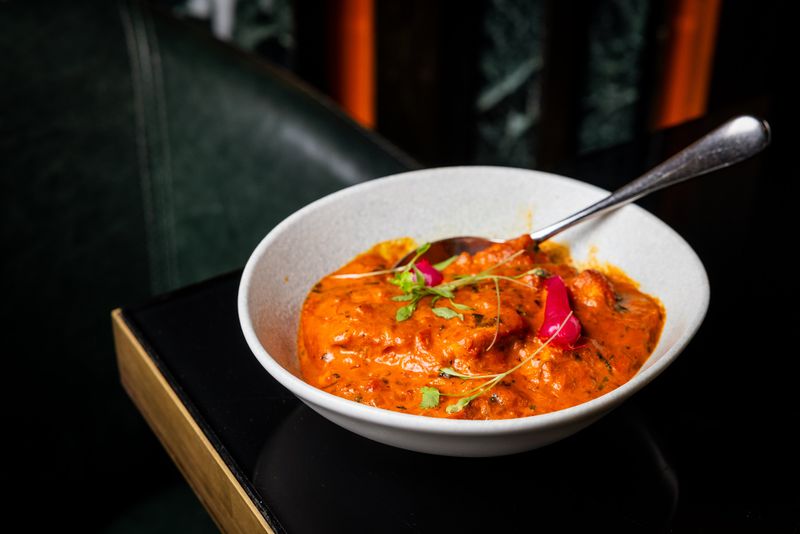
Some say it was invented in Glasgow when a customer requested gravy for his dry chicken tikka.
Whether that's true or legend, chicken tikka masala has become Britain's unofficial national dish, beloved by millions.
This creamy, tomato-based curry perfectly represents British-Indian fusion - familiar enough to feel comforting, yet spiced enough to feel special.
It graces tables from corner takeaways to fancy restaurants, uniting the nation in shared deliciousness.
5. The Role Of South Asian Immigrants In Shaping The Menu
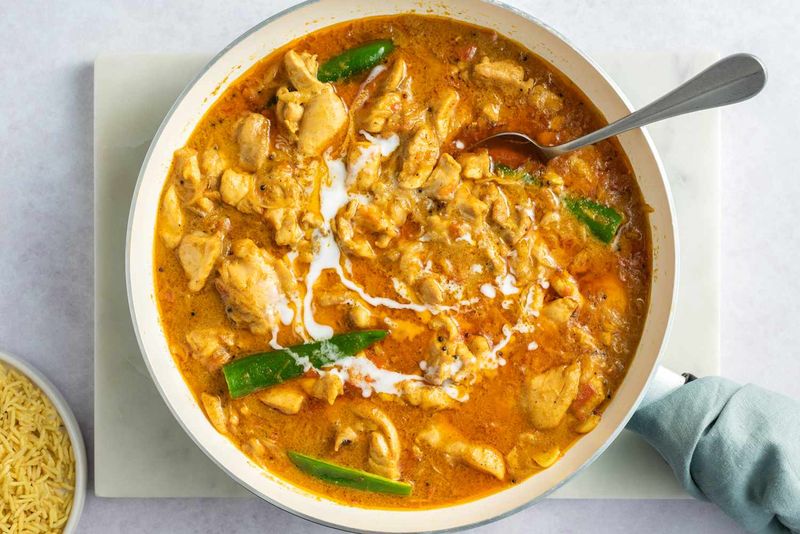
Behind every great curry house stands a story of immigration, hard work, and culinary passion.
South Asian families brought authentic recipes passed down through generations, adapting them thoughtfully to suit British palates without losing their soul.
These entrepreneurs didn't just open restaurants - they built bridges between cultures.
They introduced Britain to regional specialities, taught diners about different spice levels, and created employment opportunities whilst preserving their culinary heritage beautifully.
6. Curry Nights And Takeaway Culture
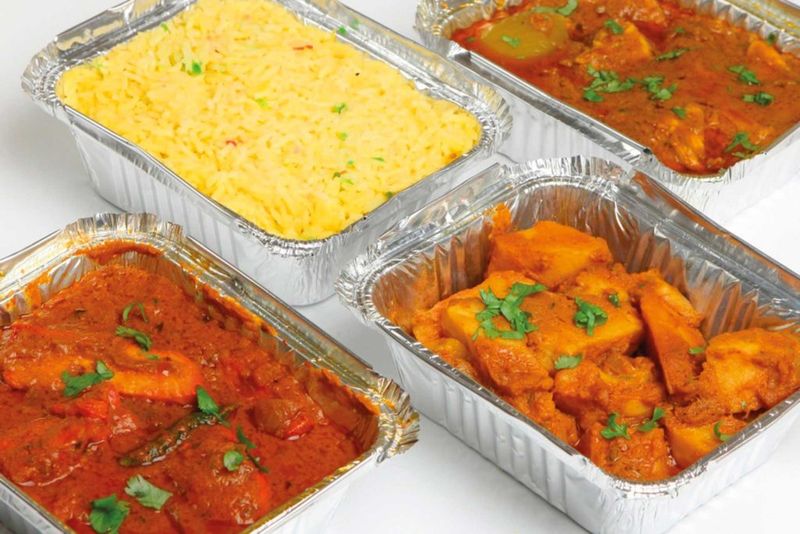
Friday night wouldn't be complete without a curry for countless British households.
The ritual of ordering takeaway, waiting eagerly for delivery, and sharing dishes with family has become deeply woven into the nation's social fabric.
Curry night represents relaxation, celebration, and togetherness.
Whether it's a quiet evening or a lively gathering, those familiar foil containers bring joy and satisfaction that transcends generations and backgrounds across Britain.
7. How Modern Britain Continues To Reinvent Curry
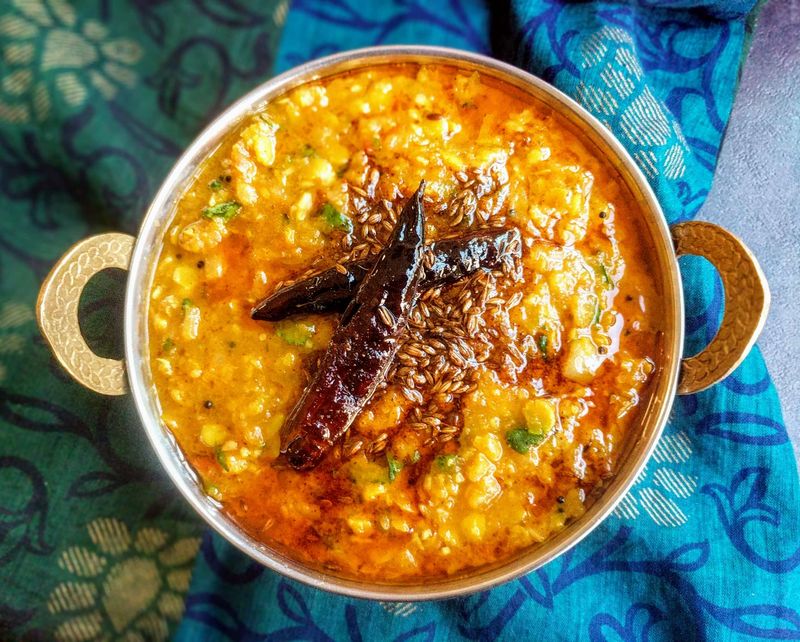
Today's curry scene is thriving with innovation and creativity.
Michelin-starred chefs reimagine classic dishes, street food vendors offer regional specialities, and home cooks experiment with recipes from across the Indian subcontinent.
Britain hasn't just embraced curry - it's made it its own whilst respecting its origins.
From Kerala fish curries to Punjabi dhals, the variety available now is staggering, proving this love affair continues to deepen and evolve beautifully.