







Across the Atlantic, American holiday traditions take on a flavour all their own – and not everyone understands them.
While families in the U.S. happily serve dishes like marshmallow-topped casseroles and sugary vegetables, many Europeans find these festive favourites a little puzzling.
The mix of sweet and savoury, the reliance on canned ingredients and the playful approach to presentation all reflect a distinct food culture shaped by comfort and nostalgia.
Here are eleven holiday foods Americans enjoy that often leave Europeans scratching their heads.
All information is provided for general interest and entertainment purposes only.
Taste, appearance, and availability may vary.
Photos are for illustrative purposes only.
1. Sweet Potato Casserole With Marshmallows
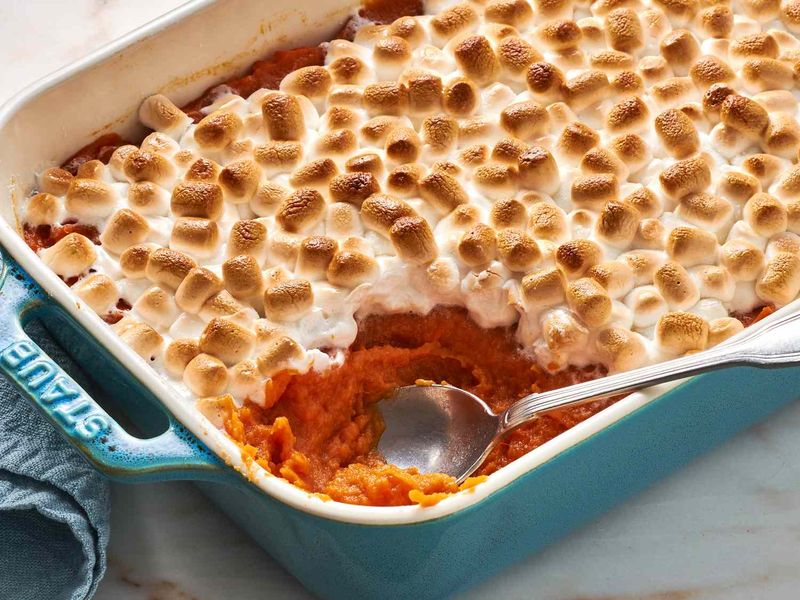
Picture a vegetable dish that doubles as dessert, and you've got this Thanksgiving staple that leaves Brits scratching their heads.
Sweet potatoes get mashed with butter and sugar, then crowned with a fluffy layer of marshmallows before being baked until golden.
Europeans, who typically roast their veg with savoury seasonings, can't fathom why anyone would turn a perfectly good root vegetable into what essentially tastes like pudding.
The sweetness level rivals actual desserts, yet Americans serve it alongside the turkey and gravy without batting an eyelid.
2. Green Bean Casserole With Crispy Onions
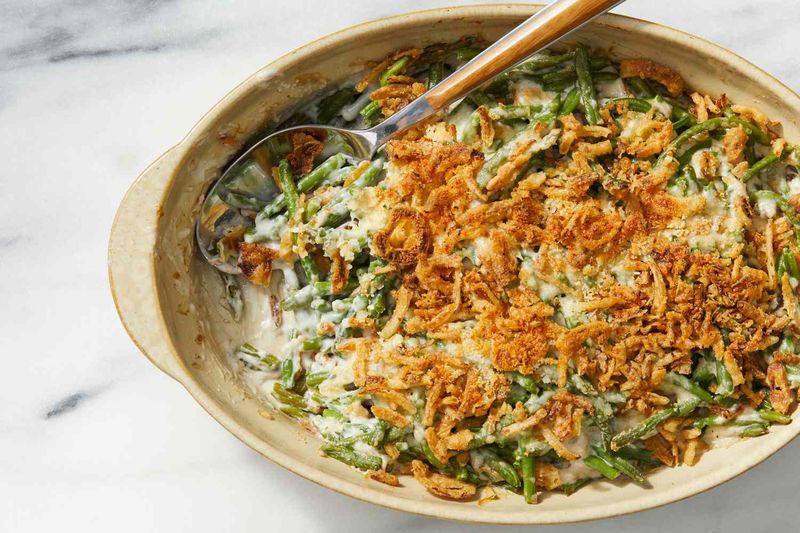
Americans adore this tinned soup creation that's become synonymous with holiday gatherings, whilst Europeans remain deeply suspicious of its origins.
Green beans get smothered in cream of mushroom soup from a tin, then topped with crunchy fried onions from another packet.
British cooks, who pride themselves on making proper sauces from scratch, find the heavy reliance on processed ingredients rather off-putting.
The dish was actually invented by the Campbell's Soup Company in 1955, which explains its decidedly commercial flavour profile that feels worlds away from traditional European vegetable preparations.
3. Pumpkin Pie
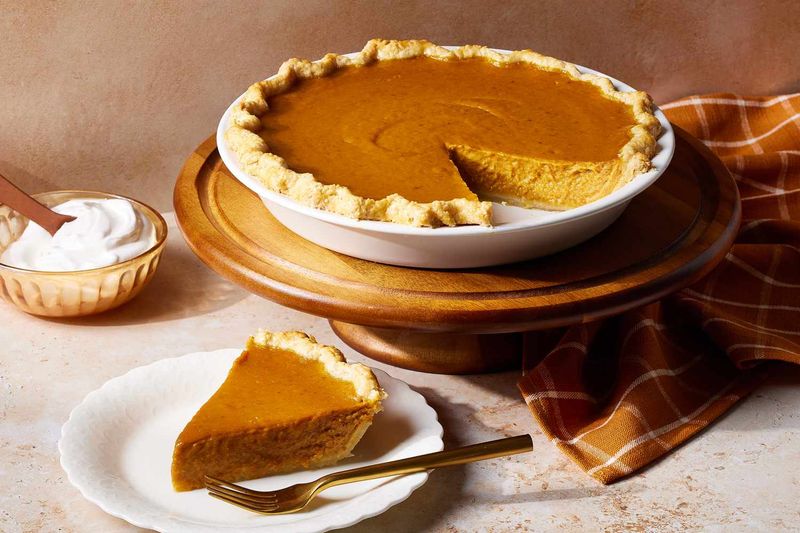
Whilst Brits carve pumpkins for Halloween and toss the innards in the bin, Americans turn them into their most iconic autumn dessert.
The spiced custard filling, made from tinned pumpkin purée, cinnamon, and nutmeg, sits in a pastry case and gets served with whipped cream.
Europeans struggle with the concept of pumpkin as a sweet ingredient, as they're accustomed to using it in savoury soups and risottos.
The texture, somewhere between custard and baby food, doesn't help matters, leaving many Continental visitors politely pushing it round their plates at Thanksgiving dinners.
4. Cranberry Sauce From A Can
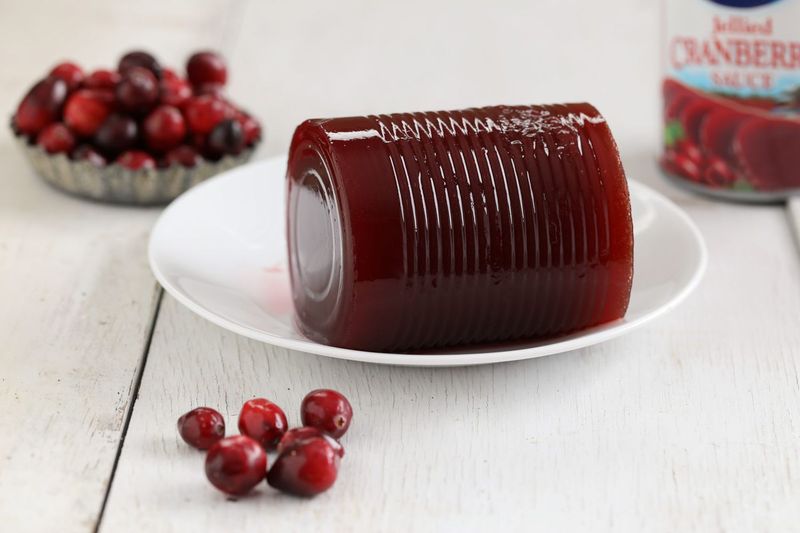
Nothing says American holidays quite like a wobbly cylinder of jellied cranberries that maintains the perfect ridges from its tin.
Many American families wouldn't dream of making cranberry sauce from scratch when this convenient option exists in the supermarket aisle.
Europeans find the gelatinous texture rather unsettling, especially when it slides out of the tin in one solid piece and gets sliced like a loaf.
British cooks, who typically make cranberry sauce fresh with actual berries, sugar, and orange zest, can't understand why anyone would choose this processed alternative that tastes more of sugar than fruit.
5. Jell-O Salad
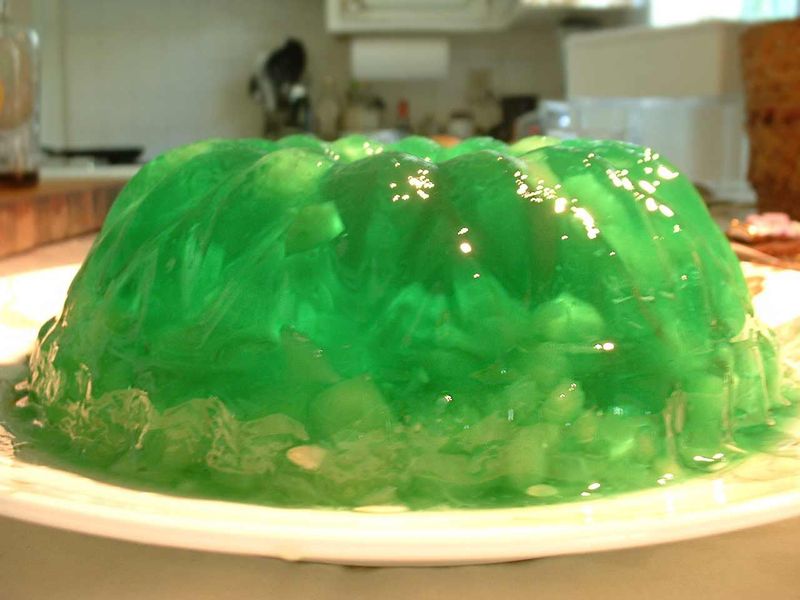
Calling something made entirely of wobbly jelly and tinned fruit a salad seems like a practical joke to most Europeans.
These colourful creations often contain suspended marshmallows, nuts, and sometimes even vegetables like carrots or celery, all trapped in sweetened gelatin.
Brits reserve jelly for children's parties and trifles, never as a side dish alongside roast turkey.
The American habit of serving these sweet, jiggly concoctions as part of the main meal rather than pudding completely baffles European dinner guests, who struggle to know whether to eat it first, last, or simply leave it untouched altogether.
6. Canned Yams In Syrup
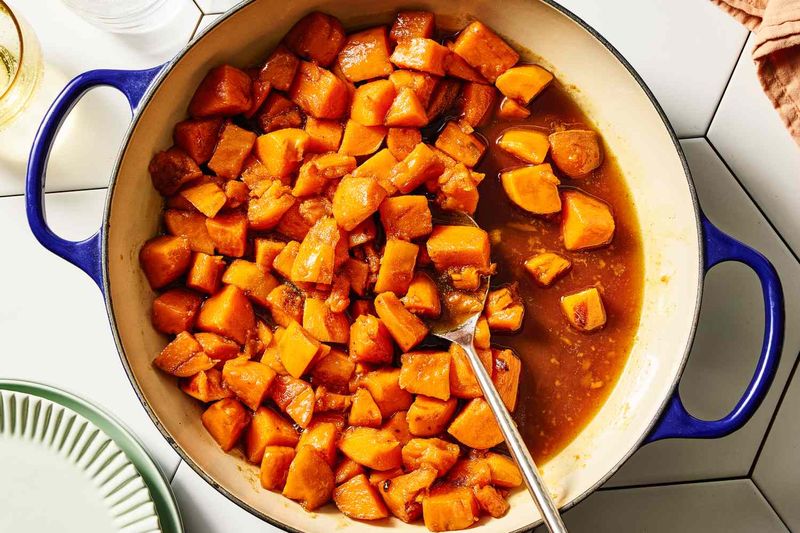
Opening a tin to find orange chunks swimming in syrup thick enough to coat a spoon strikes Europeans as deeply peculiar.
These pre-sweetened yams come ready to heat and serve, often with even more sugar or marshmallows piled on top.
British cooks, who wouldn't dream of buying pre-sweetened vegetables in tins, find the whole concept rather bewildering.
The syrup makes the yams taste more like dessert than a proper side dish, yet Americans happily serve them next to savoury mains without any sense of cognitive dissonance about mixing such drastically different flavour profiles on one plate.
7. Pecan Pie
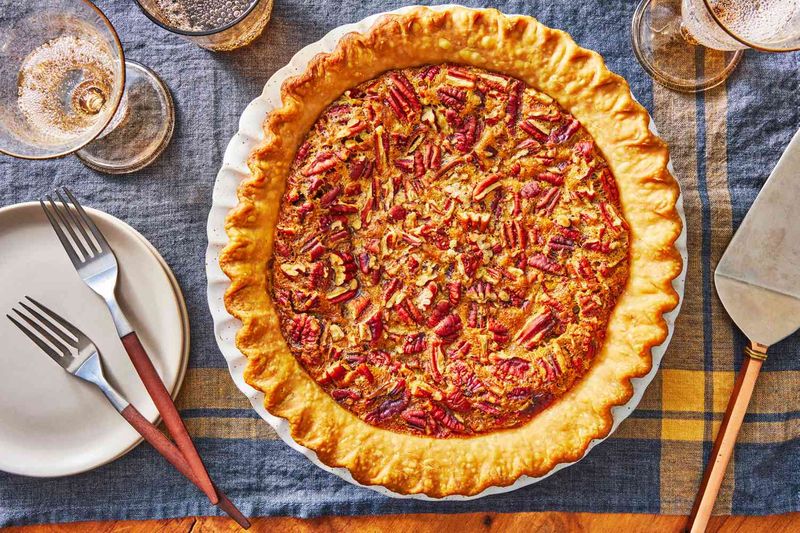
Imagine a dessert so sweet it makes your teeth ache, and you've got this Southern American classic that Europeans approach with caution.
Pecans sit atop a filling made primarily of corn syrup and sugar, creating a texture somewhere between toffee and treacle.
Whilst Brits enjoy a good treacle tart, the sheer sugar content in pecan pie reaches levels that seem excessive even by British pudding standards.
Europeans often manage just a few bites before surrendering, unable to comprehend how Americans polish off entire slices without developing instant diabetes or at least a proper sugar headache.
8. Ambrosia Salad
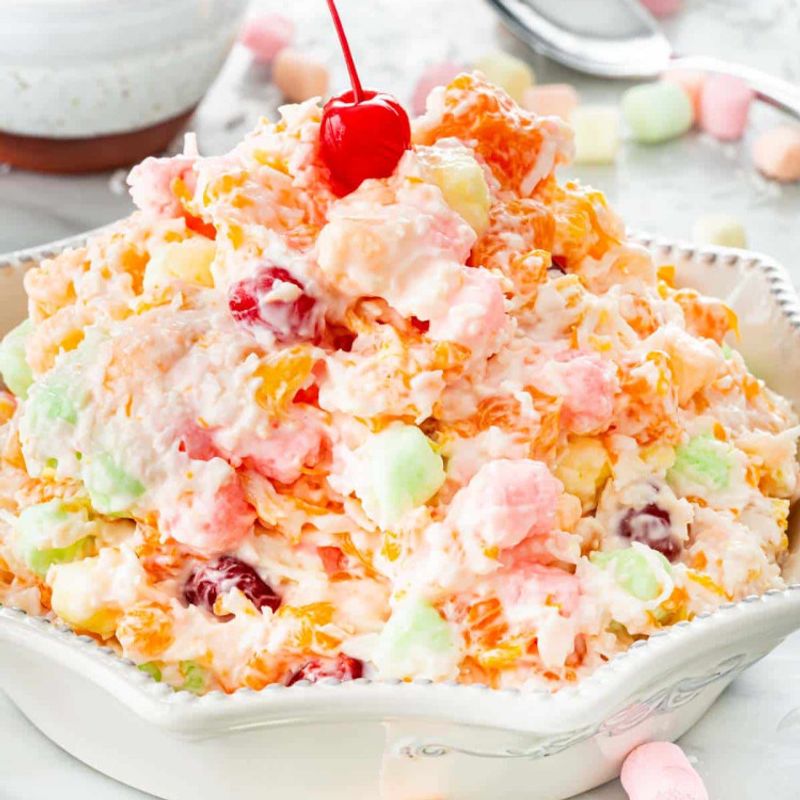
Another dish Americans inexplicably call salad despite containing absolutely nothing remotely vegetable-like or healthy.
Mini marshmallows, tinned mandarin oranges, shredded coconut, and whipped cream get tossed together in a bowl that looks like a child's fantasy pudding.
Europeans, who define salad as something involving lettuce or at least fresh vegetables, find this naming convention utterly baffling.
The dish originated in the American South and remains a holiday staple there, though British visitors typically mistake it for dessert until they spot it sitting alongside the turkey and gravy, causing considerable confusion about American meal structure.
9. Eggnog
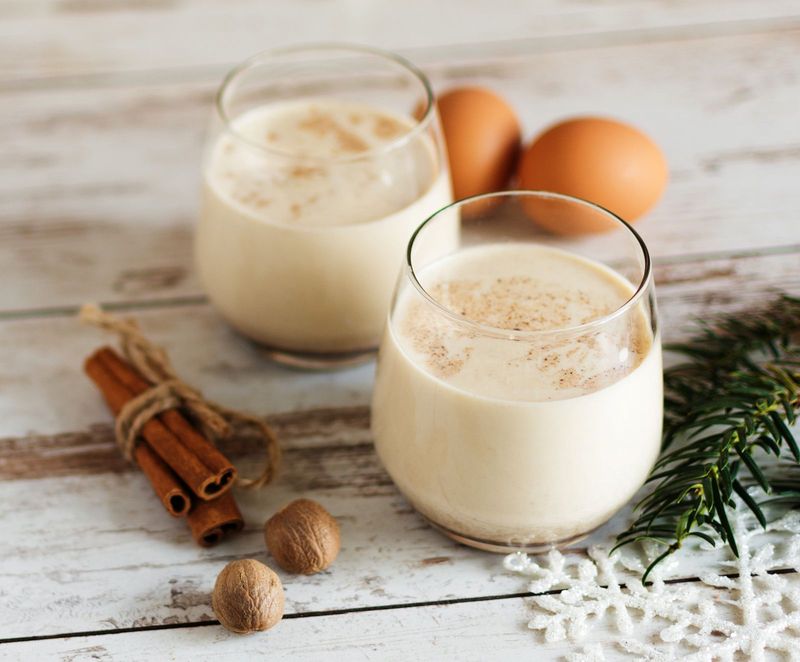
This thick, custard-like beverage divides opinion even among Americans, but Europeans find it particularly puzzling.
Raw eggs get mixed with cream, milk, and sugar, then spiced with nutmeg to create a drink with the consistency of melted ice cream.
Brits, who enjoy a good custard but prefer it warm and served over pudding, can't understand drinking cold, egg-based concoctions from a glass.
The texture alone puts many Europeans off, as it coats your mouth in a way that feels more like food than refreshment, making them wonder why Americans don't just eat proper custard with a spoon instead.
10. Cornbread Stuffing
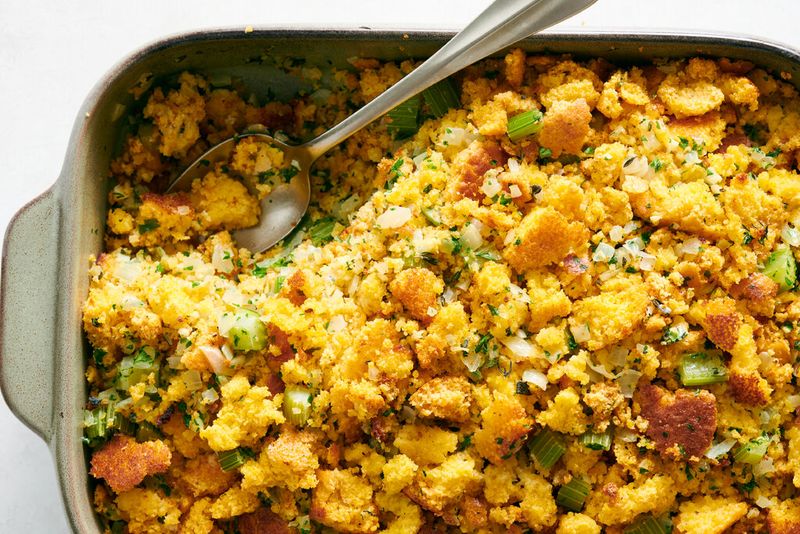
Brits have been making sage and onion stuffing for centuries, so the American version using sweetened cornbread seems rather odd.
Crumbled cornbread gets mixed with celery, onions, and herbs, but that underlying sweetness from the corn changes the entire flavour profile.
British stuffing tends towards savoury and herby, making the slightly sweet American alternative taste peculiar alongside turkey and gravy.
Europeans visiting for Thanksgiving often do a double-take when they taste stuffing that seems to contain an unexpected sugary note, wondering if perhaps the cook accidentally mixed up the recipes for side dish and dessert.
11. Candy Cane-Flavoured Treats
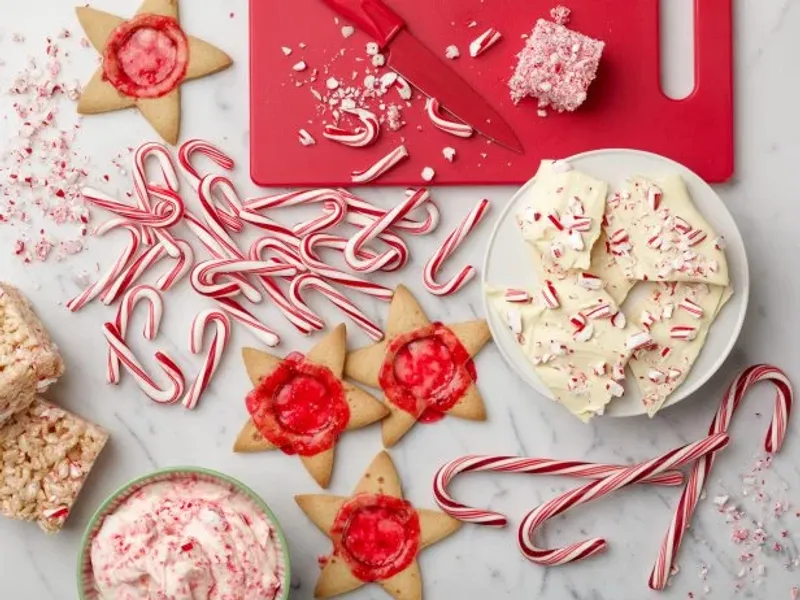
Americans put peppermint flavouring in absolutely everything come December, from biscuits to coffee to chocolate bars.
Candy canes themselves are fine, but Europeans draw the line at peppermint-flavoured crisps, popcorn, and even meat products that occasionally appear.
Brits associate mint primarily with toothpaste and After Eights, so finding it in their morning coffee or hot chocolate feels deeply wrong.
The American enthusiasm for turning every possible food item into a candy cane-flavoured version during the holidays strikes Europeans as taking a perfectly nice seasonal sweet and running absolutely wild with it in directions nobody asked for or particularly wanted.