










Keeping your pantry stocked with protein-rich foods is a smart way to ensure you're always prepared for nutritious meals. These shelf-stable options help you whip up quick, healthy dishes when fresh ingredients are scarce.
Whether you're a busy parent, fitness enthusiast, or just trying to eat better, these protein powerhouses deserve a permanent spot in your food cupboard.
This article is for general information only and is based on reliable online sources. Dietary needs may vary, and it is not a substitute for professional nutrition advice.
1. Canned Tuna
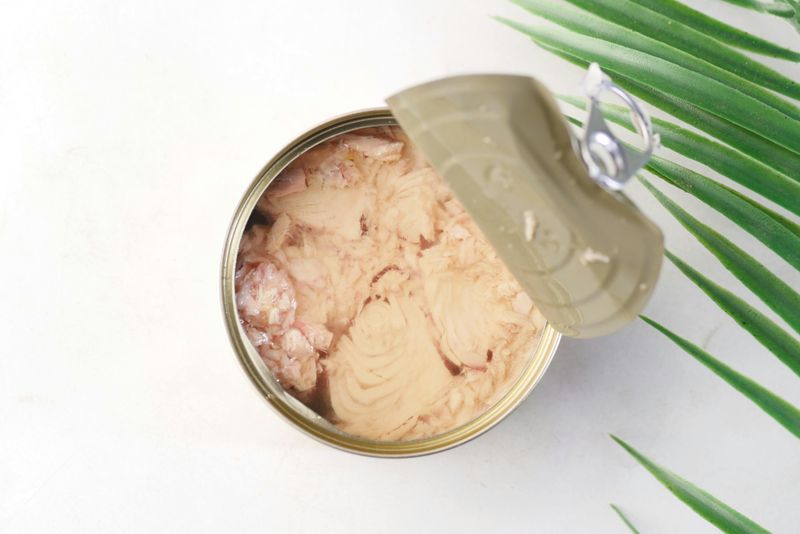
A true pantry hero that packs about 25 grams of protein per tin. Simply drain, add a dollop of mayo, and you've got a protein-rich sandwich filling in minutes. Beyond sandwiches, tuna works brilliantly in pasta bakes, salads, and even fishcakes.
Look for sustainably caught options in water rather than oil for the healthiest choice.
2. Lentils
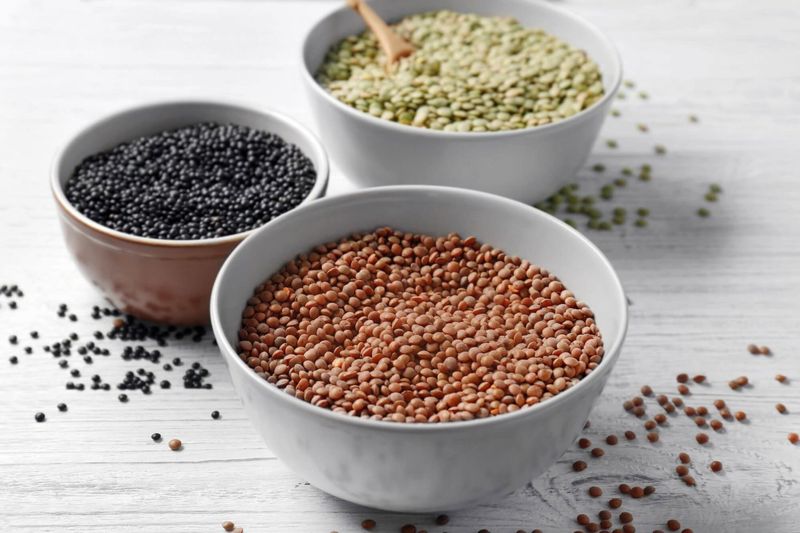
These tiny nutritional gems contain roughly 18 grams of protein per cooked cup. Unlike many beans, they don't require pre-soaking, making them perfect for last-minute meals.
Red lentils cook down to a lovely mush for dhal or soups, while green and brown varieties hold their shape for hearty stews and salads. Their earthy flavour pairs wonderfully with spices.
3. Chickpeas
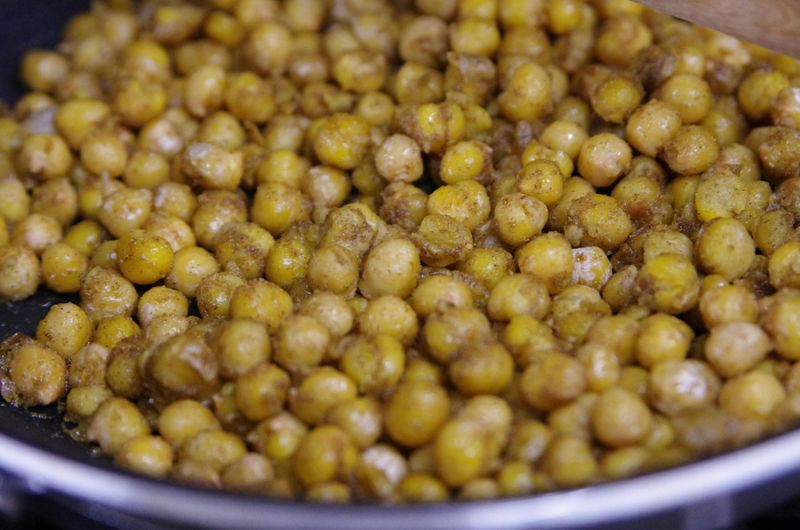
Versatile little wonders offering about 15 grams of protein per cup. Rinse a can and toss them into curries, salads, or whizz into homemade hummus for an instant protein boost. Roast them in the oven with spices for a crunchy, nutritious snack that rivals crisps.
They've been a Mediterranean and Middle Eastern staple for thousands of years for good reason!
4. Peanut Butter
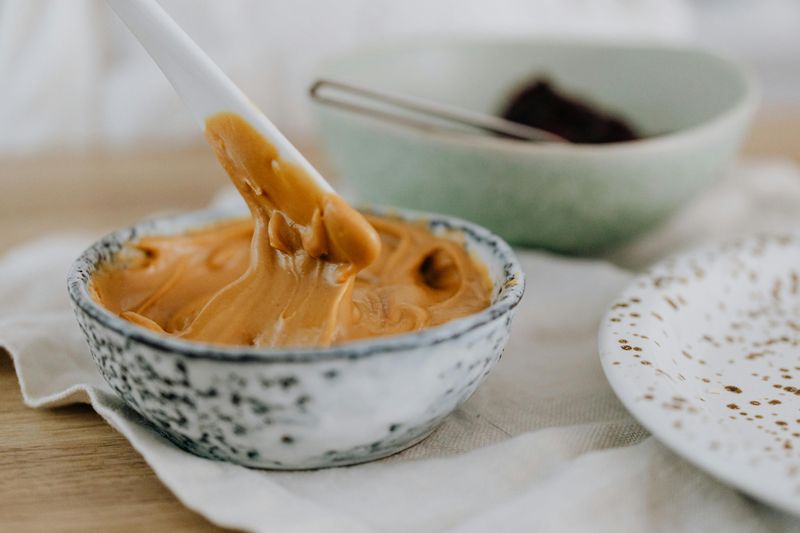
More than just a breakfast spread, this creamy delight delivers around 8 grams of protein per 2 tablespoons. Natural versions without added sugar or palm oil offer the most health benefits. Beyond toast, peanut butter shines in Asian-inspired sauces, smoothies, and energy balls.
The combination of protein and healthy fats keeps hunger at bay for hours after eating.
5. Black Beans
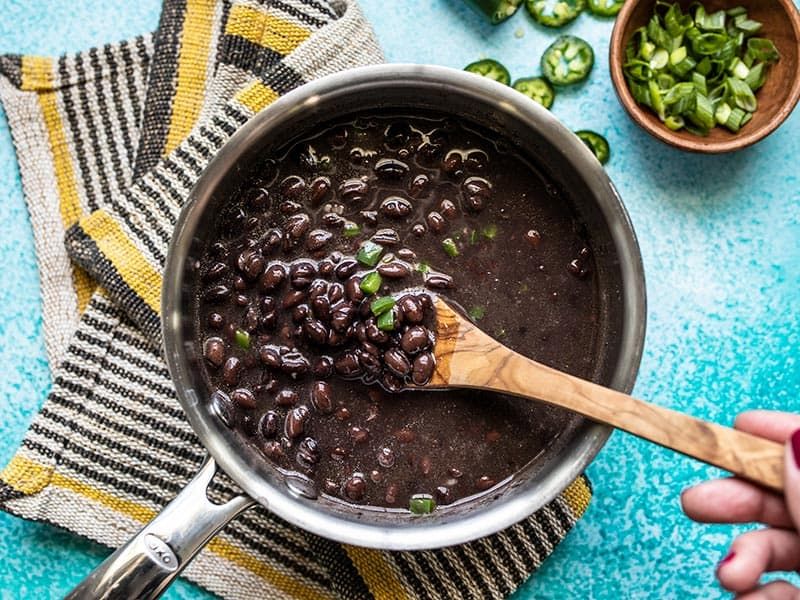
These midnight-hued beans boast about 15 grams of protein per cooked cup. They're a cornerstone of Mexican and Brazilian cooking, adding hearty texture to countless dishes. Mash them for veggie burgers, toss into soups, or mix with corn and avocado for a quick salad.
Their slightly sweet, earthy flavour makes them particularly kid-friendly compared to other beans.
6. Quinoa
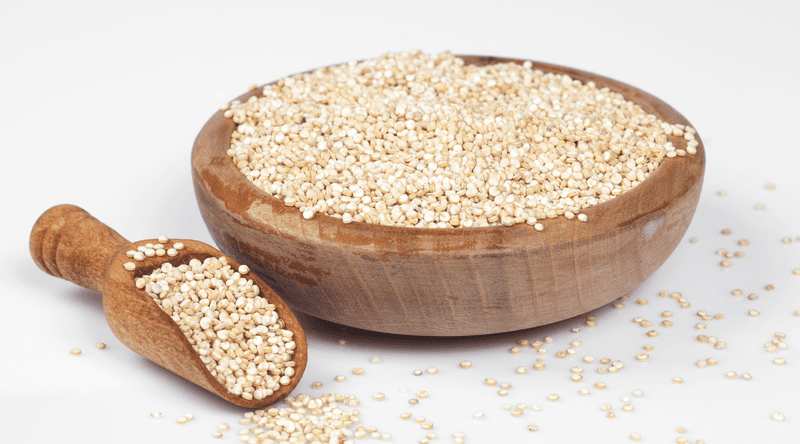
An ancient grain-like seed containing all nine essential amino acids. With 8 grams of complete protein per cooked cup, it outperforms most grains nutritionally. Rinse thoroughly before cooking to remove the naturally bitter coating.
Its nutty flavour and fluffy texture make an excellent base for grain bowls, and it can even replace oats for a protein-packed breakfast porridge.
7. Almonds
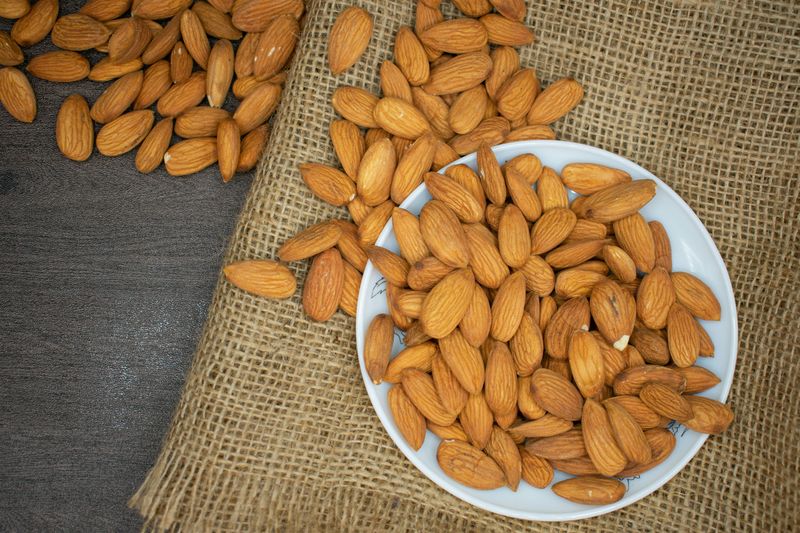
Nature's portable protein package delivering 6 grams per ounce (about 23 nuts). These tree nuts have been enjoyed since ancient times, prized for both flavour and staying power. Keep them in an airtight container to maintain freshness.
Chop and add to morning porridge, toss into stir-fries for crunch, or simply grab a handful for an instant energy boost when afternoon fatigue strikes.
8. Chia Seeds
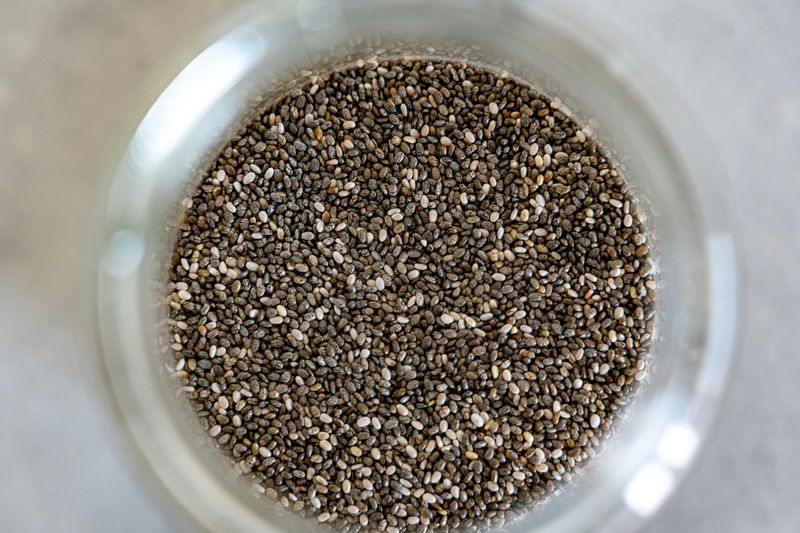
Tiny powerhouses packing nearly 5 grams of protein in just two tablespoons. These ancient seeds were once a staple of Aztec warriors who valued them for sustained energy during battles. They absorb liquid and form a gel-like consistency, making them perfect for overnight puddings.
Sprinkle them into smoothies, yogurt, or baked goods for an invisible protein boost with minimal flavour impact.
9. Canned Salmon
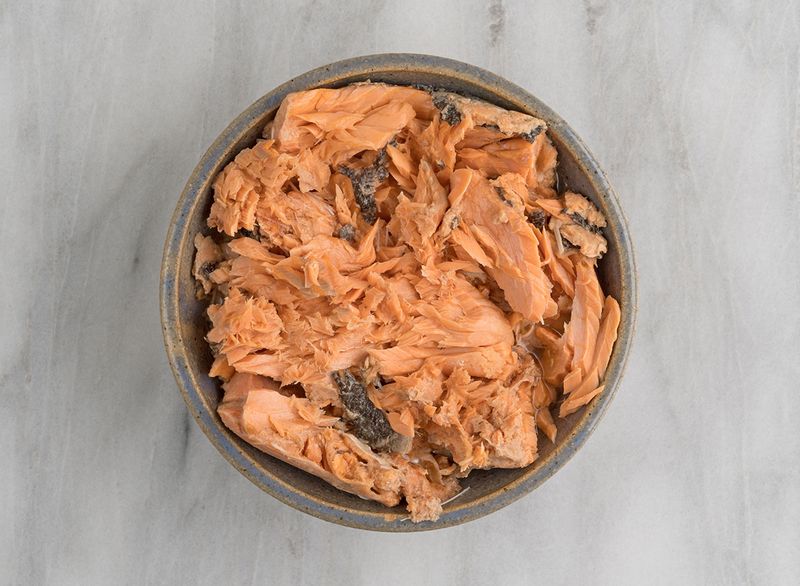
Often overlooked in favour of tuna, canned salmon delivers about 22 grams of protein per tin plus bone-building calcium. The soft, edible bones in canned varieties provide extra nutrients you won't find in fresh fillets.
Form into patties for quick fishcakes, flake into pasta, or mix with mayo and herbs for sandwiches. Pink salmon offers milder flavour, while sockeye provides richer taste and colour.
10. Kidney Beans
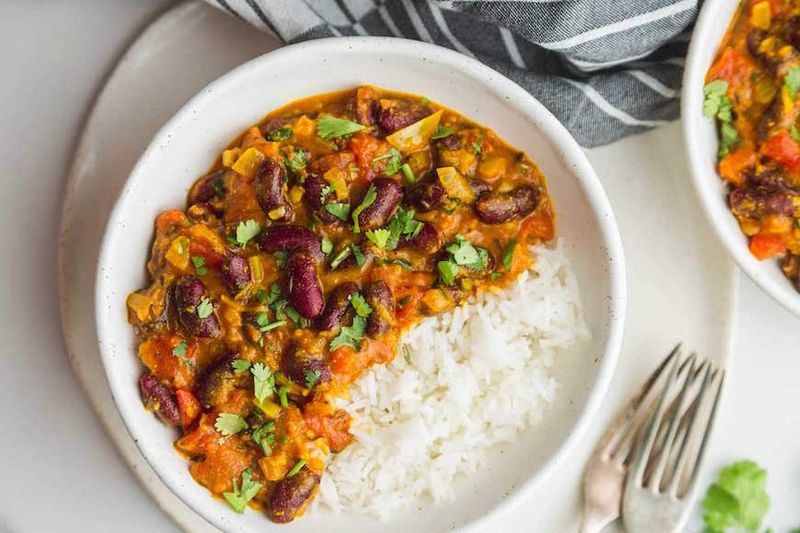
Distinctive kidney-shaped beans providing around 15 grams of protein per cooked cup. Their firm texture holds up well in slow-cooked dishes like chilli con carne or bean stews. The deep red colour comes from anthocyanins, the same beneficial compounds found in berries.
Unlike some beans, they maintain their shape and colour during cooking, making them visually appealing in any dish.