










Cholesterol often gets a bad reputation, but not all high-cholesterol foods deserve to be avoided. Some are actually packed with nutrients that can support your body in surprising ways. Knowing which ones fit into a balanced diet can help you enjoy them without the guilt.
This article is for general informational purposes only and is not a substitute for professional medical advice. Always consult a qualified healthcare provider before making changes to your diet, especially if you have health concerns related to cholesterol or heart disease.
1. Egg Yolks
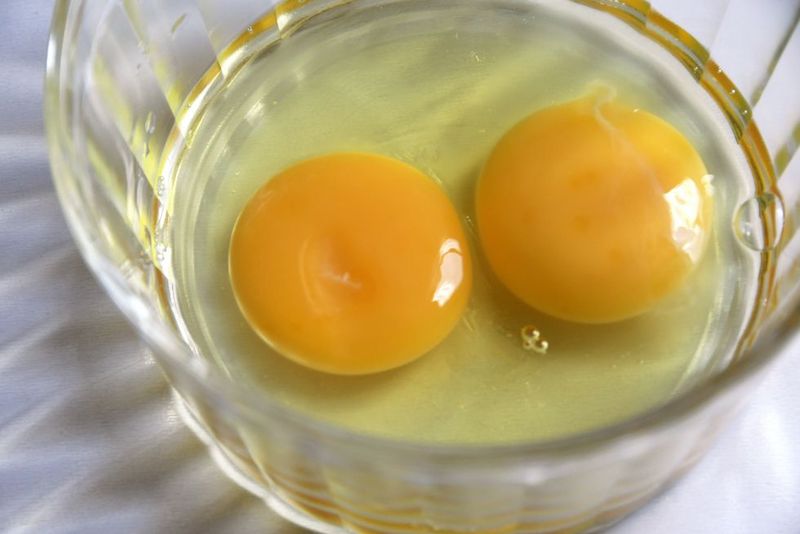
Once villainized for their cholesterol content, egg yolks are now recognized as nutritional powerhouses. They're packed with protein, vitamins D and B12, and choline – a nutrient essential for brain health.
Modern research indicates that most people can enjoy eggs regularly without significant impacts on blood cholesterol. The yolk actually contains antioxidants that may help protect your eyes from age-related problems.
2. Full-Fat Dairy (Cheese, Natural Yogurt)
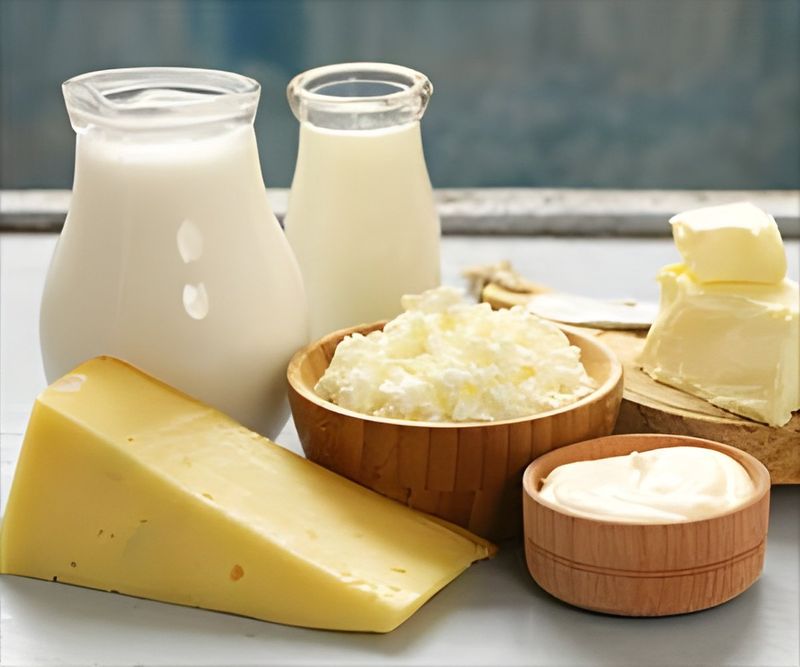
Contrary to popular belief, full-fat dairy products can be part of a balanced diet. The saturated fat in dairy appears to behave differently than other sources, potentially due to its unique fatty acid profile and calcium content.
Natural yogurt contains beneficial probiotics that support gut health. Studies suggest regular cheese consumption may not increase heart disease risk as once thought – especially when enjoyed in moderate portions.
3. Shellfish (Shrimp, Prawns)
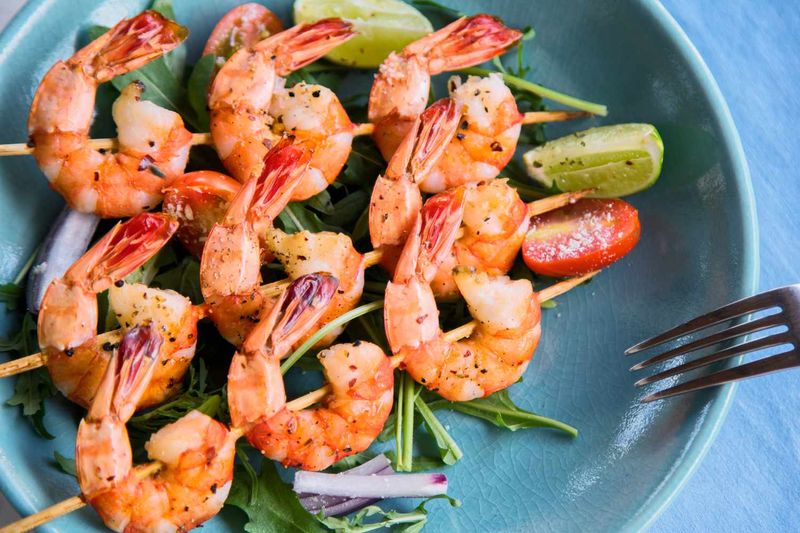
Shrimp and prawns contain relatively high cholesterol but very little saturated fat. This unique combination means they're unlikely to negatively impact your heart health.
These tasty sea creatures deliver impressive amounts of protein, selenium, and vitamin B12 with minimal calories. Research shows that the beneficial nutrients in shellfish far outweigh concerns about their cholesterol content for most healthy individuals.
4. Liver And Organ Meats
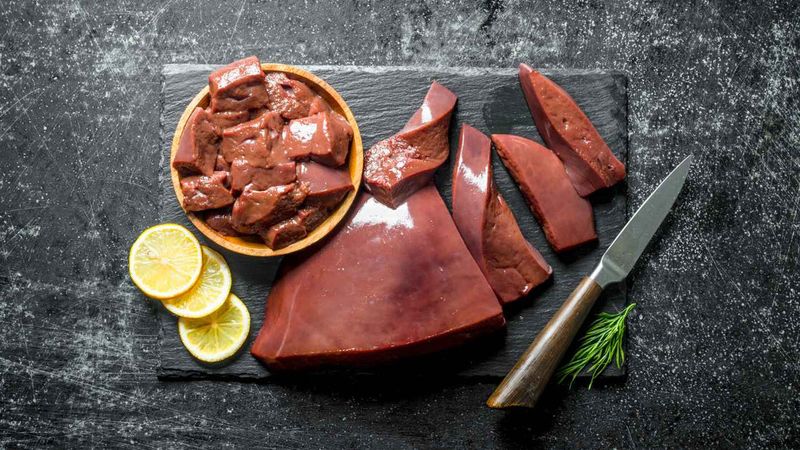
Often overlooked in modern diets, liver is actually one of the most nutrient-dense foods on the planet. While high in cholesterol, it provides unmatched amounts of vitamin A, B vitamins, and iron.
A small serving of liver delivers more nutrients than much larger portions of many other foods. The cholesterol concerns are often overshadowed by the potential benefits for energy levels, brain function, and blood health.
5. Sardines And Other Fatty Fish
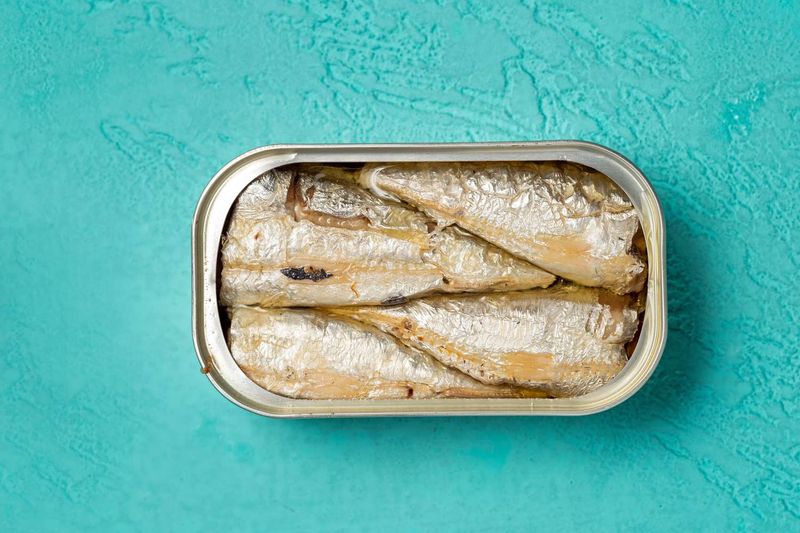
Sardines might be tiny, but they pack a mighty nutritional punch. These small fish contain cholesterol, but they're also loaded with heart-healthy omega-3 fatty acids that can help reduce inflammation.
The calcium-rich bones in canned sardines provide extra bone-strengthening benefits. Research consistently shows that fatty fish consumption is linked to better heart health outcomes, despite their cholesterol content.
6. Grass-Fed Red Meat
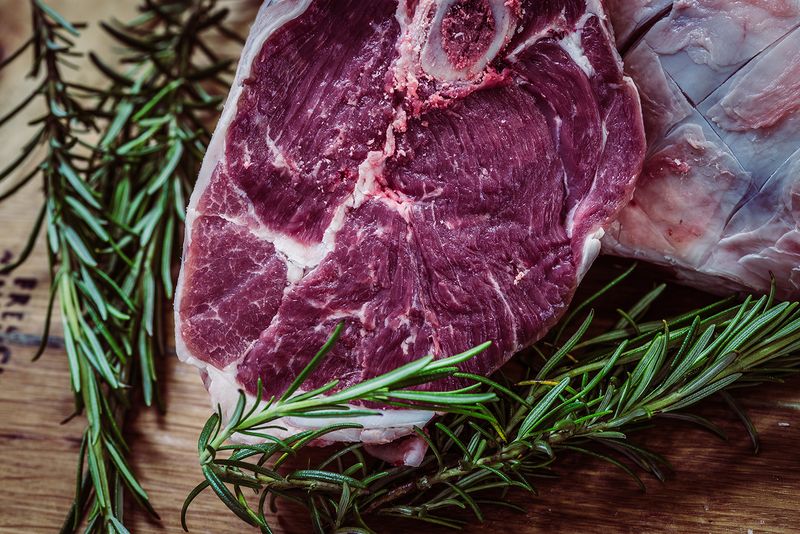
Not all red meat is exactly the same. Grass-fed beef can have small differences in its fat profile compared to grain-fed beef, including slightly higher omega-3s. It also provides protein, iron, zinc, and B vitamins that support overall health.
Like all red meat, it’s best enjoyed in moderation as part of a balanced diet.
7. Dark Chocolate

Who would have thought something so delicious could actually be good for you? Dark chocolate contains some cholesterol, but it's also rich in flavonoids that support heart health.
The higher the cocoa percentage, the greater the potential benefits. Studies suggest that moderate dark chocolate consumption may help improve blood flow and lower blood pressure. Just remember that portion control matters – aim for a small square or two.
8. Avocados
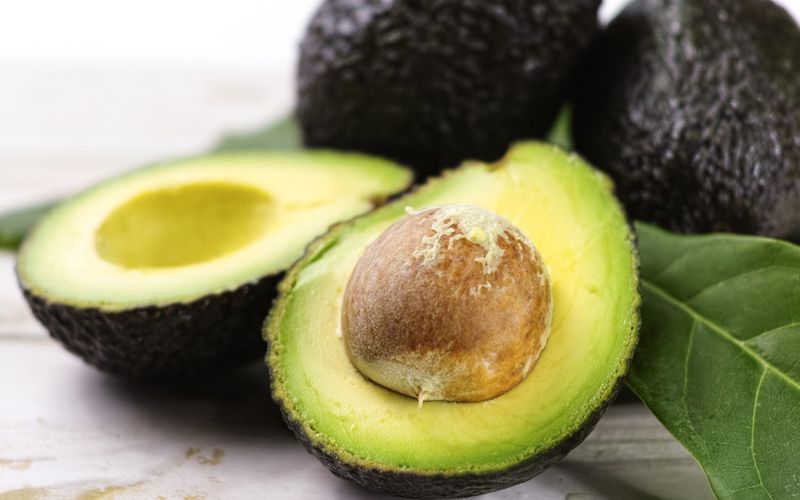
Often called nature's butter, avocados contain heart-healthy monounsaturated fats that can actually help improve cholesterol profiles. Their creamy texture makes them a versatile addition to countless dishes.
Avocados provide fiber, potassium, and vitamins E and K. Research shows that regular avocado consumption is associated with higher levels of HDL (the 'good' cholesterol) and lower LDL (the 'bad' cholesterol) in many people.
9. Pasture-Raised Poultry
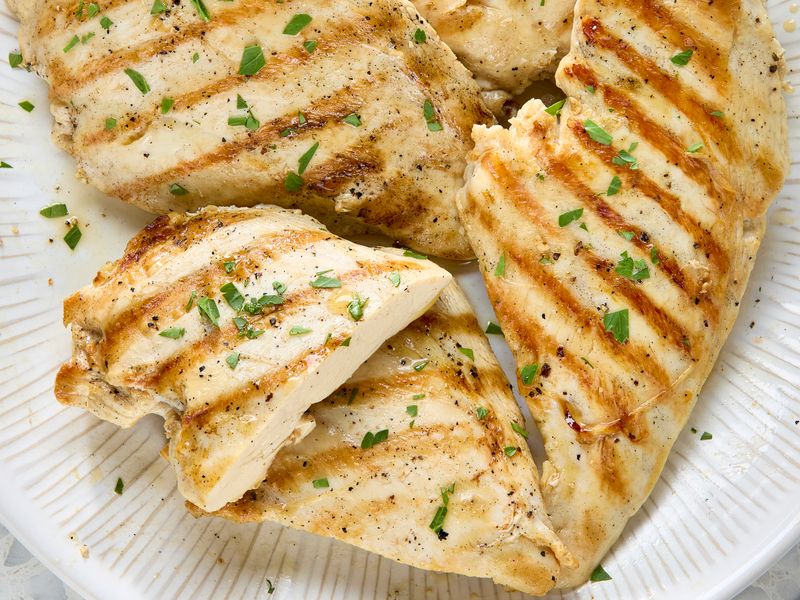
Chicken and turkey raised in natural environments develop healthier nutrient profiles than their conventionally raised counterparts. The skin contains cholesterol but also beneficial nutrients.
Pasture-raised poultry typically has higher levels of omega-3s and vitamins. Removing the skin before eating can reduce fat intake, but keeping it on occasionally isn't necessarily harmful – especially when the meat comes from birds raised on natural diets.