










Sunflower seeds often appear as a simple snack or salad topping, yet they quietly contribute a mix of nutrients that fit easily into everyday eating. Small additions like these can influence how meals feel over time, from texture and satisfaction to overall balance.
Making them part of a regular routine offers a useful way to reflect on how minor food habits shape daily wellbeing. Looking a little closer helps explain why these familiar seeds continue to hold a steady place in many kitchens.
All information is provided for general interest only. This content does not replace professional medical or dietary advice.
Taste, appearance, and availability may vary. Photos are for illustrative purposes only.
1. Supports Steadier Energy Levels

Ever feel like you're running on fumes by mid-afternoon? Sunflower seeds contain thiamine, a B vitamin that helps your body turn food into usable energy rather than leaving you sluggish.
Unlike sugary snacks that give you a quick spike followed by a crash, these seeds offer a more gradual release.
That means fewer energy dips throughout your day. Plus, the combination of healthy fats and protein keeps things ticking along nicely.
A small handful can genuinely make a difference when you need to power through.
2. Adds More Fibre To Daily Eating
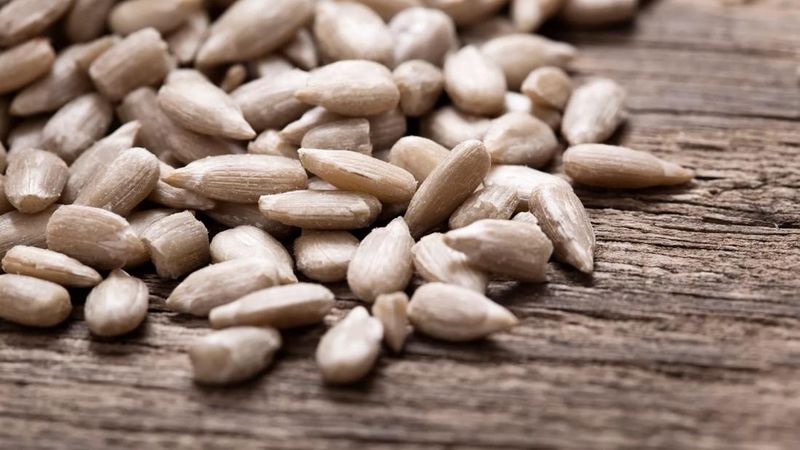
Fibre is one of those things we all know we need more of, but somehow never quite manage to get enough. Just a quarter cup of sunflower seeds delivers around three grams of dietary fibre, which is brilliant for keeping your digestive system happy and moving smoothly.
Fibre also helps regulate blood sugar levels, preventing those annoying energy crashes. It's a simple way to top up your intake without having to choke down bowls of bran.
Sprinkle some seeds on your salad or yoghurt, and you're sorted.
3. Contributes To Heart-Friendly Fats
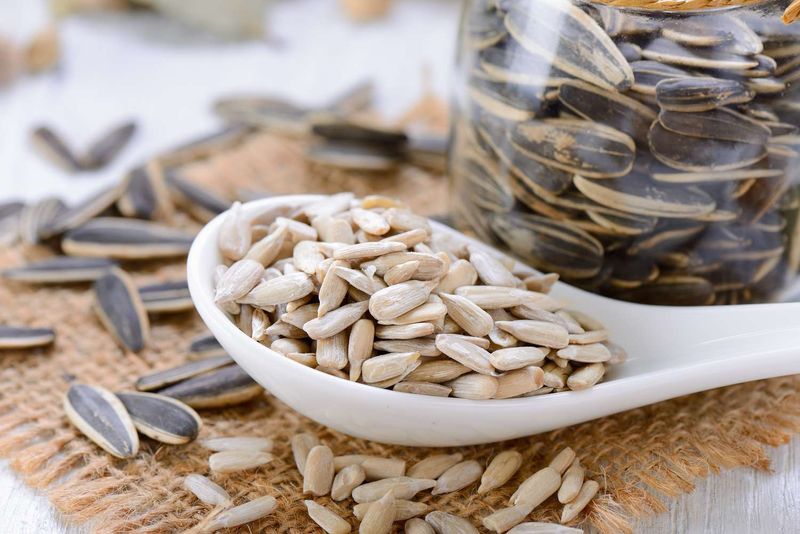
Not all fats are created equal, and sunflower seeds are loaded with the good kind. They're rich in polyunsaturated and monounsaturated fats, which can actually help lower bad cholesterol levels in your blood.
That's excellent news for your heart and arteries.
Regularly eating these healthy fats may reduce your risk of heart disease over time. They work by improving your overall cholesterol profile and keeping inflammation in check.
So, while they're calorie-dense, the quality of those calories really matters here.
4. Provides A Natural Source Of Vitamin E

Vitamin E is a powerful antioxidant, and sunflower seeds are absolutely brimming with it. Just a small serving can give you a significant chunk of your daily needs, helping protect your cells from damage caused by free radicals.
Think of it as a little shield for your body.
This vitamin also plays a role in immune function and skin health. It's fat-soluble, which means the natural oils in the seeds help your body absorb it more effectively.
Nature really thought this one through.
5. Supports Skin And Hair Maintenance
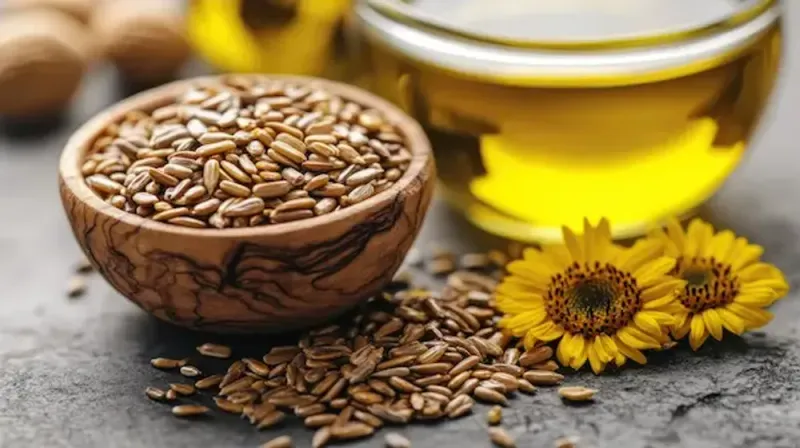
Want healthier-looking skin and shinier hair without splashing out on pricey products? Sunflower seeds might be your new best mate.
The vitamin E and healthy fats they contain work together to nourish your skin from the inside out, keeping it supple and protected.
Your hair benefits too, as these nutrients support scalp health and hair strength. Zinc and selenium, also found in the seeds, play supporting roles in tissue repair and growth.
It's basically a beauty treatment you can snack on.
6. Helps With Feeling Fuller Between Meals

Snacking on sunflower seeds can actually help you avoid overeating later. The combination of protein, fibre, and healthy fats creates a satisfying feeling that lasts much longer than crisps or biscuits ever could.
Your stomach genuinely feels content rather than just temporarily distracted.
This makes them brilliant for weight management without feeling like you're depriving yourself. You're not starving between meals, so you're less likely to raid the cupboard for rubbish.
It's a win for both your appetite and your waistline.
7. Adds Plant-Based Protein Variety
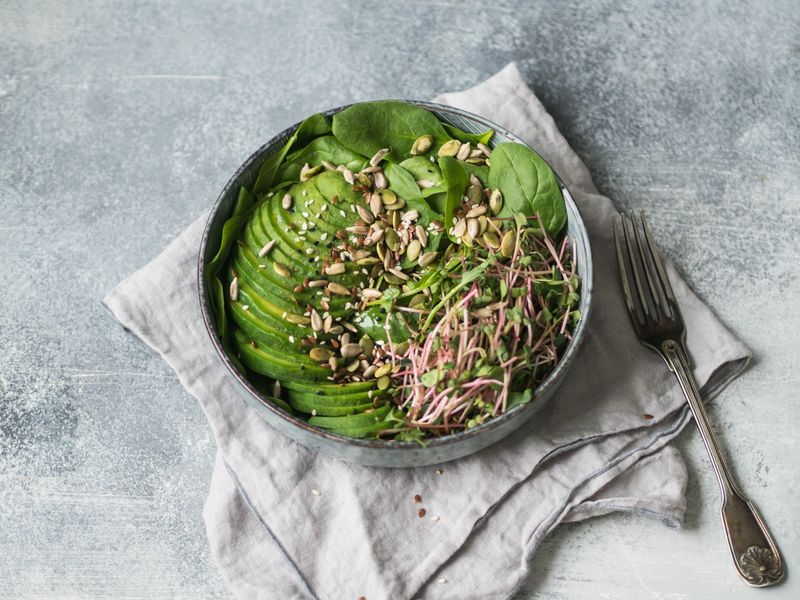
If you're trying to eat less meat or just want more variety in your protein sources, sunflower seeds are a cracking option. A quarter cup gives you about six grams of protein, which is decent for such a small serving.
They're especially handy for vegetarians and vegans looking to mix things up.
Protein is essential for muscle repair, immune function, and keeping you feeling satisfied. Adding seeds to your meals is an easy way to boost your intake without much fuss.
Chuck them in smoothies, salads, or just eat them straight.
8. Supports Normal Muscle And Nerve Function
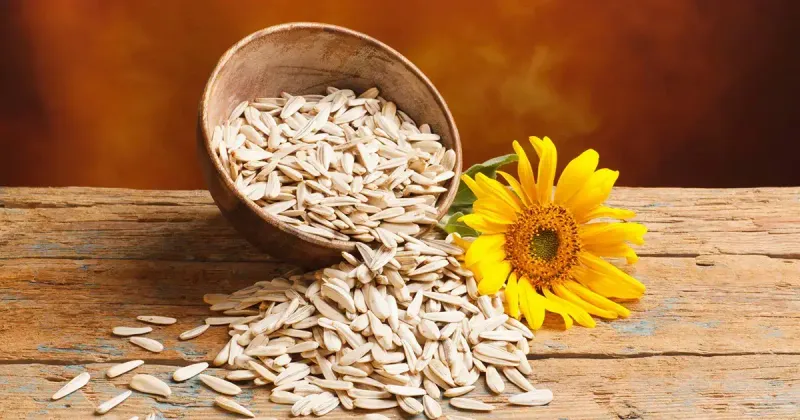
Magnesium is a mineral that often flies under the radar, but it's crucial for hundreds of processes in your body. Sunflower seeds are an excellent source, and magnesium specifically helps your muscles contract and relax properly, while also keeping your nerves firing smoothly.
Low magnesium levels can lead to cramps, twitches, and fatigue. By eating these seeds regularly, you're giving your body what it needs to function at its best.
It's particularly useful if you're active or spend a lot of time on your feet.
9. Encourages More Mindful Snacking Habits
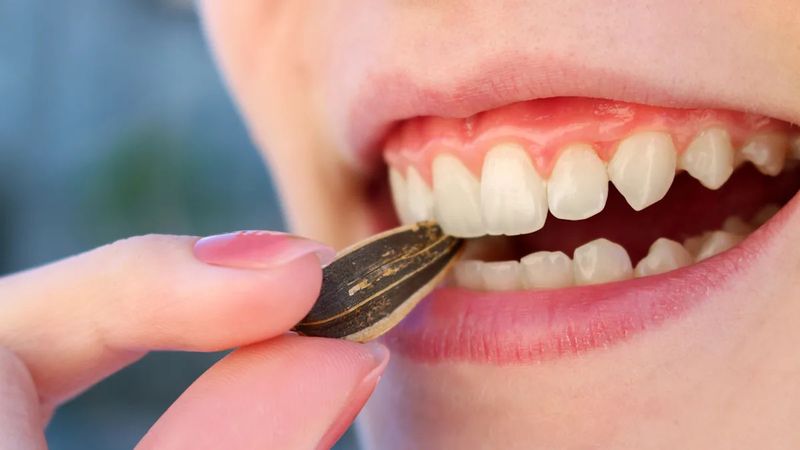
There's something oddly satisfying about cracking open sunflower seeds, especially if you eat them in the shell. It slows you down and makes you more aware of what you're eating, which naturally prevents mindless munching.
You can't exactly shovel them in like crisps.
This deliberate pace encourages better portion control and a more thoughtful relationship with food. You're engaging with your snack rather than zoning out in front of the telly.
It's a small shift, but it can make a real difference to your eating habits over time.
10. Supports Overall Nutrient Balance In Small Portions
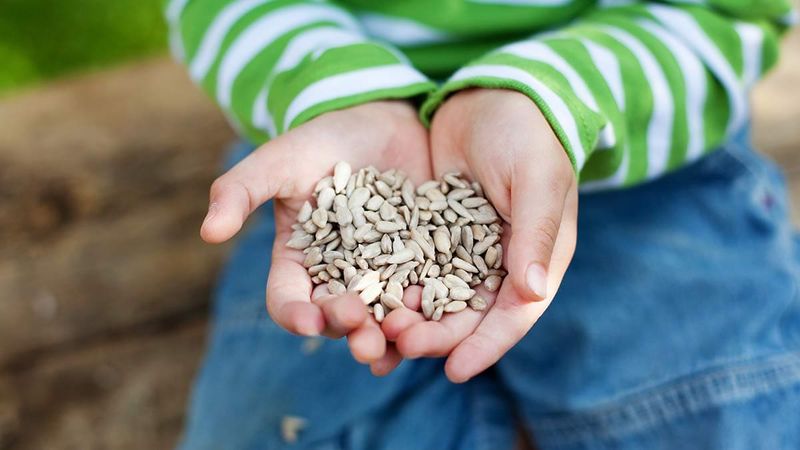
One of the best things about sunflower seeds is how nutrient-dense they are in such a tiny package. You're getting vitamins, minerals, healthy fats, protein, and fibre all in one go, without having to eat massive amounts.
It's efficient nutrition, really.
This makes them perfect for topping up any gaps in your diet without overloading on calories. Just a small handful can contribute meaningfully to your daily nutrient goals.
They're like a nutritional insurance policy you can keep in your bag or desk drawer.