










Few debates have divided British kitchens quite like where to keep the ketchup. Heinz has finally stepped in to end the long-running question, and their verdict might surprise some households.
So, does it really belong on the shelf next to the sauces or tucked safely in the fridge door?
This content is for general informational purposes only. Product recommendations and storage advice reflect manufacturer guidance available at the time of writing and may vary between countries or product types.
Heinz States Fridge Is Best After Opening
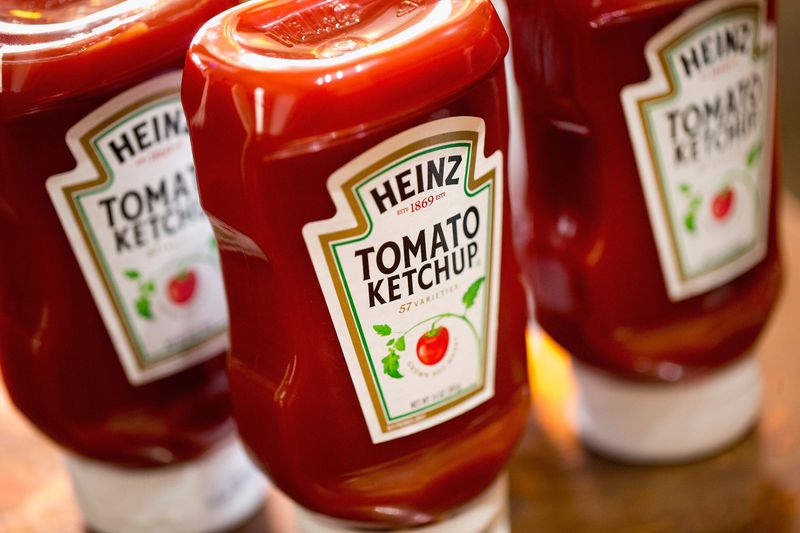
Heinz currently advises that ketchup should be kept in the fridge once opened to maintain its best flavour and quality. While unopened bottles can safely sit on a shelf thanks to their acidic ingredients and preservatives, refrigeration helps preserve taste and consistency over time.
Earlier versions of Heinz’s packaging suggested it could be stored at room temperature, but the brand now clearly recommends the fridge for opened bottles. This update reflects the goal of keeping the ketchup fresher for longer in home kitchens.
Shelf-Stable Could Mean Safe, But Quality Matters
Unopened ketchup is considered shelf-stable because its mix of tomatoes, vinegar, sugar, and salt naturally resists spoilage. That’s why supermarkets store it unrefrigerated until purchase. However, once the bottle is opened and exposed to air, flavour and texture can gradually change. Refrigerating it slows this process, keeping the ketchup tasting closer to how it did when first opened.
So while it’s safe to keep an unopened bottle in a cupboard, the fridge is still best for long-term freshness once it’s in use.
What Experts Say About Mould And Spoilage Risks
Even though ketchup's acidity limits harmful bacteria growth, experts warn about acid-resistant yeasts or mould if the bottle stays open at room temperature too long. These spoilage organisms won't necessarily make you sick, but they can alter taste, smell, and texture - think off-flavours or separation.
Refrigeration slows or prevents their growth thanks to the cold environment. That's why many food-safety professionals say fridge storage is best for opened condiments.
It's less about safety and more about keeping the ketchup at its best quality for longer.
Why Restaurants Often Keep Ketchup On The Table Anyway
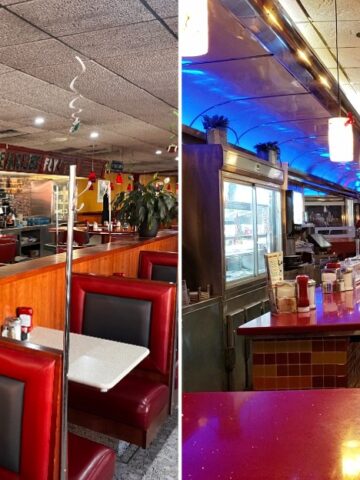
You'll often see bottles of ketchup on tables in restaurants or cafés - and they rarely go into the fridge between uses. That's partly because restaurants move through bottles quickly, so the sauce doesn't sit out long enough for spoilage to be a real issue.
Also, the acidity and preservatives make ketchup shelf-stable, meaning short-term room-temperature storage is generally safe. It's a different scenario in a home kitchen where a bottle might last weeks or months.
Once opening stretches over time, the freshness benefit of refrigeration becomes much more relevant.
Final Word: Fridge Or Cupboard - It's Your Call, But Fridge Wins For Longevity
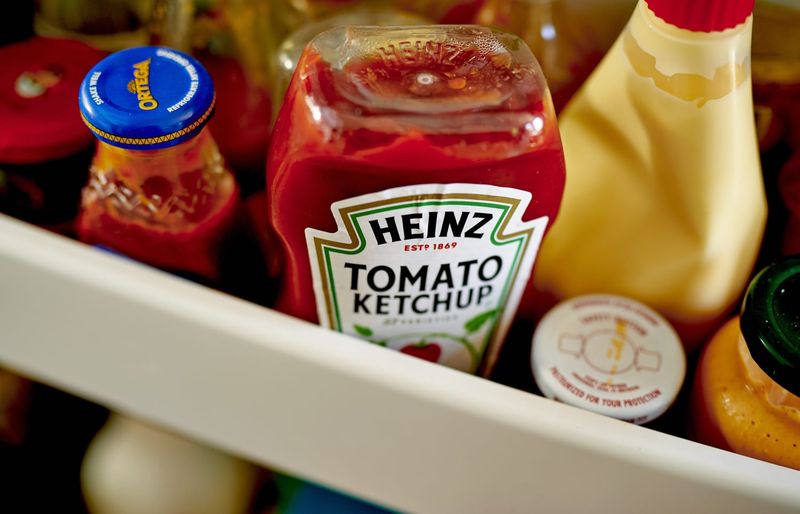
Technically, you can keep unopened ketchup in a cupboard without trouble. Once opened, though, Heinz recommends refrigeration to retain flavour, colour, and quality.
If you're the type who uses a bottle quickly - maybe a few meals a week - leaving it on the shelf will probably be fine. For slower use, fridge storage helps avoid changes in taste or texture.
Ultimately, storing it cold after opening maximises value and keeps your ketchup tasting just right. The verdict is clear: in the fridge is where Heinz wants it to stay.