










As people move through their 40s, changes in energy levels, appetite, and metabolism are a normal part of life.
Eating habits that once felt effortless may need small adjustments to better support balance and day-to-day wellbeing.
Focusing on steady, practical choices can help make meals feel more supportive without requiring major changes to routine.
All information is provided for general interest only and is not intended as medical or dietary advice.
Individual needs and health circumstances vary, and guidance from a qualified healthcare professional may be appropriate.
Photos are for illustrative purposes only.
1. Prioritising Regular Mealtimes
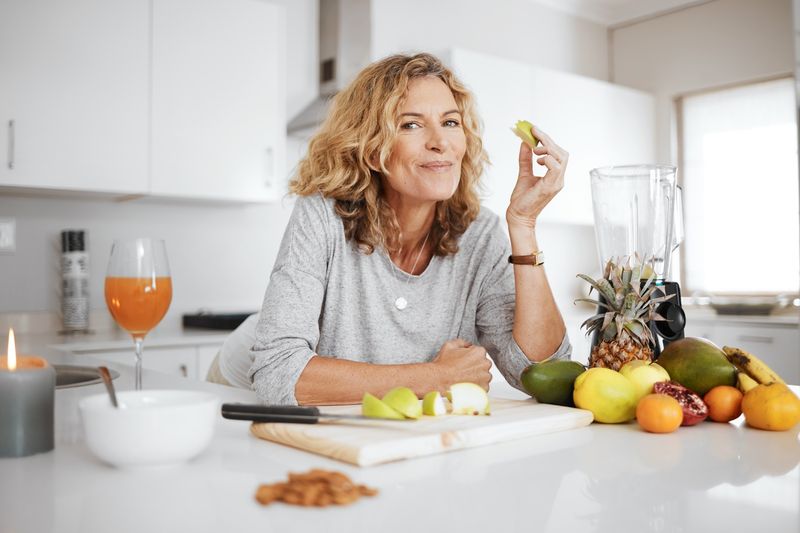
Skipping meals might seem like a time saver, but it actually messes with your metabolism and leaves you ravenous later.
Your body thrives on routine, especially now that hormones and energy levels are shifting.
Eating at roughly the same times each day helps regulate blood sugar, keeps hunger pangs at bay, and prevents those frantic biscuit tin raids at 4pm.
Plus, regular mealtimes give your digestive system a predictable rhythm, which can improve how you absorb nutrients.
Think of it as giving your body a reliable schedule it can count on.
2. Including Protein With Each Meal
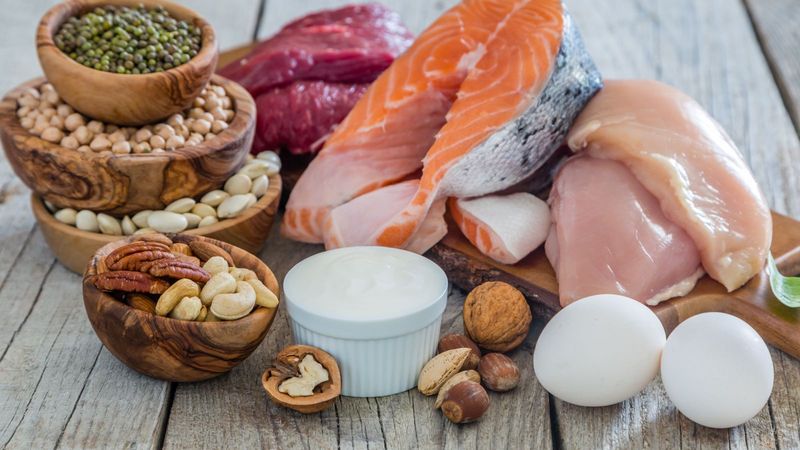
Muscle mass naturally starts to decline in your 40s, which is why protein becomes your new best mate.
Every meal should feature a decent protein source, whether that's eggs at brekkie, chicken in your sarnie, or lentils at dinner.
Protein keeps you fuller longer, supports muscle repair, and helps maintain a healthy metabolism.
Aim for lean meats, fish, beans, tofu, or Greek yoghurt.
It doesn't have to be complicated; even a handful of nuts or a boiled egg can do the trick between meals.
3. Eating A Wider Variety Of Vegetables
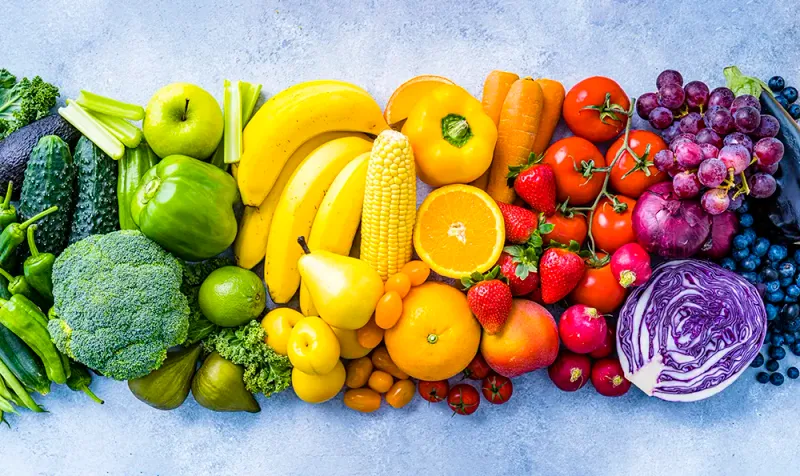
Eating the same three veg on repeat? Time to shake things up a bit.
Different vegetables offer different vitamins, minerals, and antioxidants, all of which become increasingly important as you age.
Dark leafy greens support bone health, orange veggies boost your skin, and cruciferous ones like broccoli help with inflammation.
Challenge yourself to try one new vegetable each week, or simply rotate what you're buying.
The more colour on your plate, the better equipped your body is to handle whatever your 40s throw at it.
4. Paying Attention To Portion Sizes
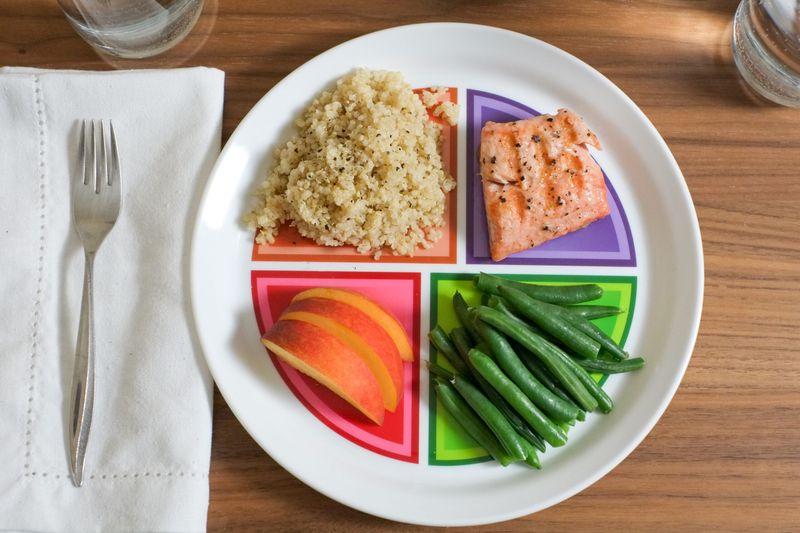
Your 20 year old appetite doesn't quite match your 40 year old metabolism, unfortunately.
Portion sizes matter more now because your body burns calories a bit slower, and it's easier to overeat without realising.
You don't need to weigh everything obsessively, but being mindful helps.
Use smaller plates, serve yourself once, and actually notice when you're satisfied rather than stuffed.
It's not about deprivation; it's about tuning into what your body genuinely needs rather than what your eyes think looks good.
5. Choosing Wholegrains More Often
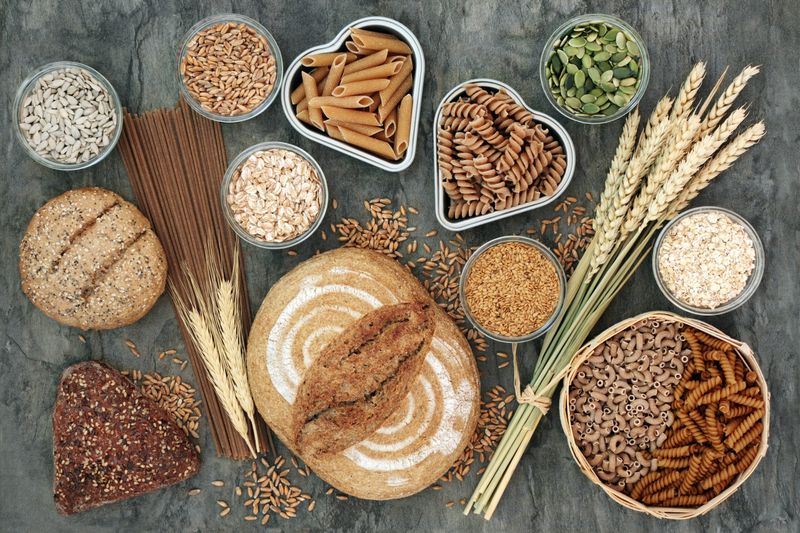
White bread and pasta are fine occasionally, but wholegrains bring so much more to the table.
Brown rice, oats, quinoa, and wholemeal options are packed with fibre, which helps with digestion and keeps blood sugar steady.
They also keep you feeling satisfied longer, which means fewer snack attacks mid afternoon.
Wholegrains support heart health and provide B vitamins that help with energy production.
Swap just one refined grain daily for a wholegrain version, and you'll notice the difference in how sustained your energy feels.
6. Staying Consistent With Hydration

Water doesn't get nearly enough credit for how much it affects your mood, energy, and digestion.
As you age, your sense of thirst can become less reliable, so you might not realise you're dehydrated until you're already flagging.
Aim for around eight glasses daily, adjusting for exercise or warm weather.
Proper hydration supports your skin, helps flush out toxins, and keeps your joints happy.
Keep a bottle nearby, add a slice of lemon if plain water bores you, and sip throughout the day rather than chugging it all at once.
7. Limiting Highly Processed Foods
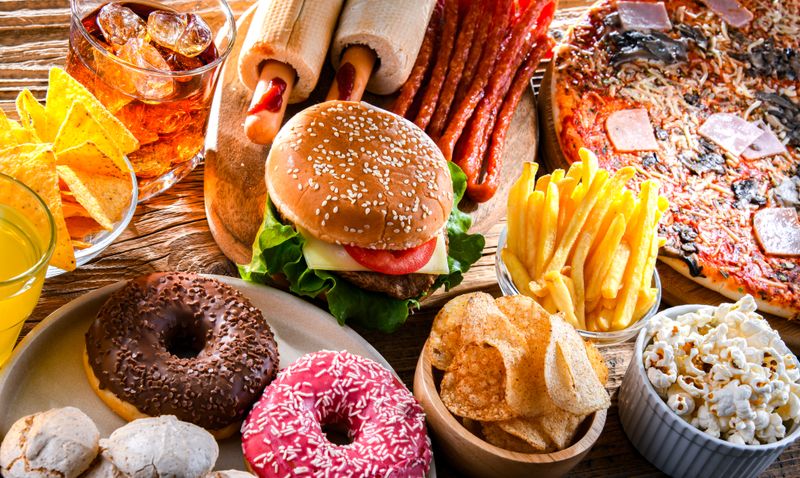
Processed foods are convenient, no doubt, but they're often loaded with hidden sugars, unhealthy fats, and sodium that your body doesn't need.
These ingredients can contribute to inflammation, weight gain, and increased risk of chronic conditions.
Focus on whole foods that look like they came from nature rather than a factory.
Fresh fruit, veg, lean proteins, and wholegrains should fill most of your trolley.
Save the ready meals and crisps for occasional treats rather than daily staples, and your body will thank you.
8. Supporting Bone Health Through Diet
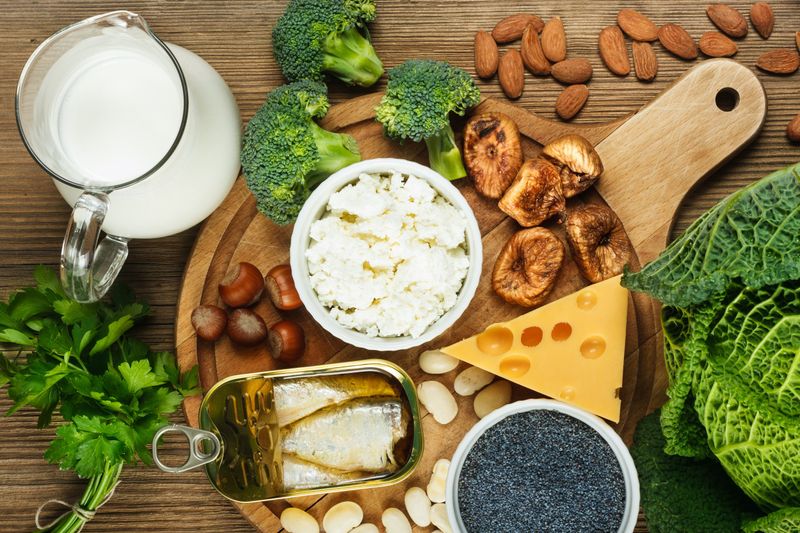
Bone density starts to decline in your 40s, especially for women, making calcium and vitamin D absolutely essential.
Aim for about 1,000 milligrams of calcium daily through dairy, fortified plant milks, leafy greens, and tinned fish with bones.
Don't forget vitamin D, which helps your body actually absorb that calcium; sunlight, fortified foods, and supplements can all help.
Strong bones now mean fewer fractures and better mobility later.
Think of it as an investment in your future self, who'll want to keep dancing, hiking, and living fully.
9. Balancing Indulgence With Moderation
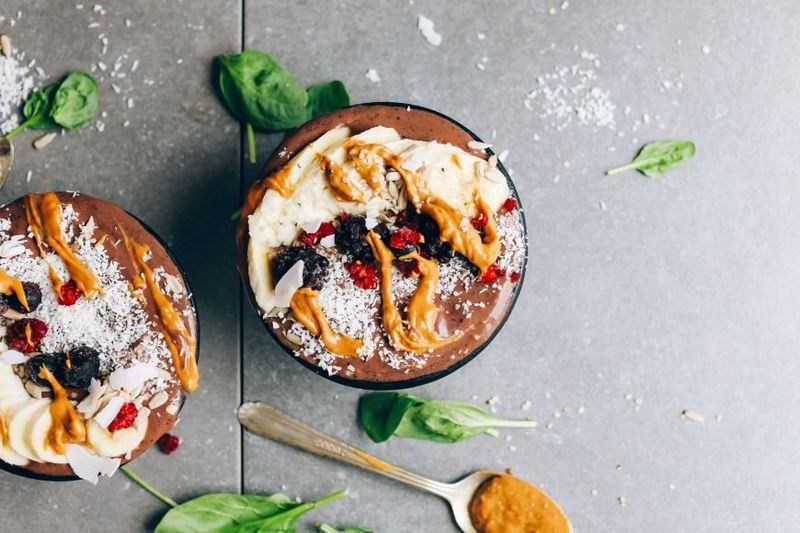
Life's too short to never enjoy a slice of cake or your favourite takeaway.
The key isn't eliminating treats; it's about enjoying them mindfully and not letting them dominate your diet.
Have that dessert, savour every bite, and then get back to your usual balanced eating.
Deprivation often leads to bingeing, which helps no one.
Instead, aim for the 80/20 rule: eat nutritious, whole foods 80% of the time, and leave 20% for the things that make you smile without guilt.
10. Listening To Hunger And Fullness Cues

Your body is actually pretty good at telling you what it needs, if you take a moment to listen.
Eat when you're genuinely hungry, not just because it's lunchtime or because you're bored.
Similarly, stop when you're comfortably satisfied, not when your plate is empty or you're uncomfortably stuffed.
This intuitive approach helps prevent overeating and builds a healthier relationship with food.
Put down your phone during meals, chew slowly, and check in with yourself halfway through to see how you're feeling.