










Different countries approach food in ways that go beyond calorie counts and quick-fix diets. Around the world, people have developed simple habits that make eating healthier feel natural and enjoyable.
From portion sizes to ingredient choices, these time-tested traditions show that looking after your wellbeing doesn’t have to be complicated.
This article is for general information only. Dietary habits and health outcomes vary by individual and culture. Photos are for illustrative purposes. For personal nutrition or health advice, always consult a qualified professional.
1. Japan – Smaller Portions, More Variety
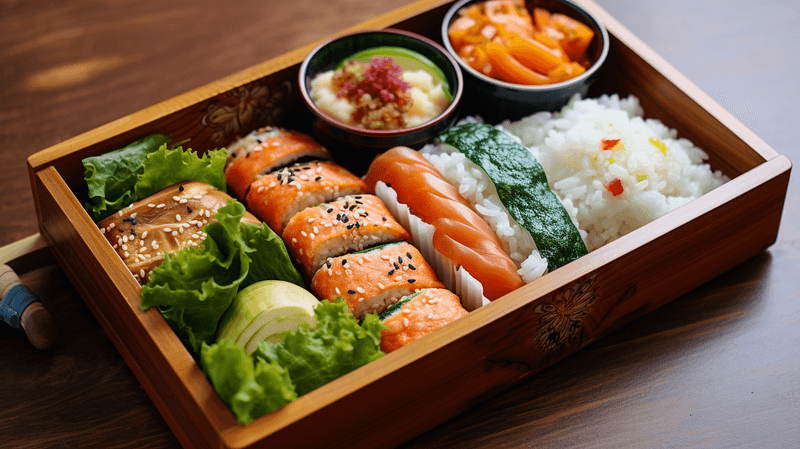
Picture a Japanese bento box – each compartment filled with just enough food to satisfy, never overwhelm. Japanese culture embraces "hara hachi bu," eating until you're 80% full rather than stuffed.
This approach naturally prevents overeating whilst ensuring variety across food groups. Small bowls and plates make modest portions look abundant, tricking your brain into feeling satisfied with less food than you'd typically consume.
2. Italy – Cooking With Olive Oil
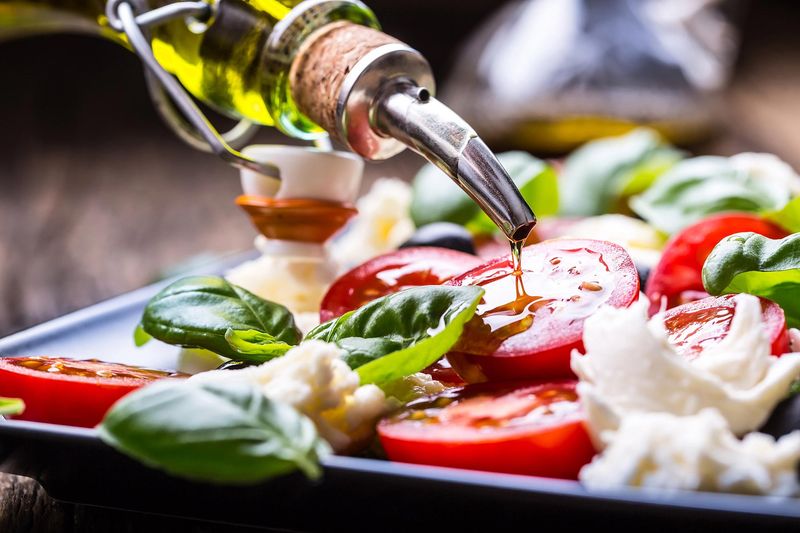
Italians don't just drizzle olive oil – they build their entire cuisine around it. Extra virgin olive oil replaces butter in most cooking, providing healthy monounsaturated fats that support heart health.
From morning toast to evening salads, this liquid gold appears in nearly every meal. The antioxidants and anti-inflammatory properties make it far superior to processed cooking oils we often reach for in British kitchens.
3. Greece – Vegetables And Legumes
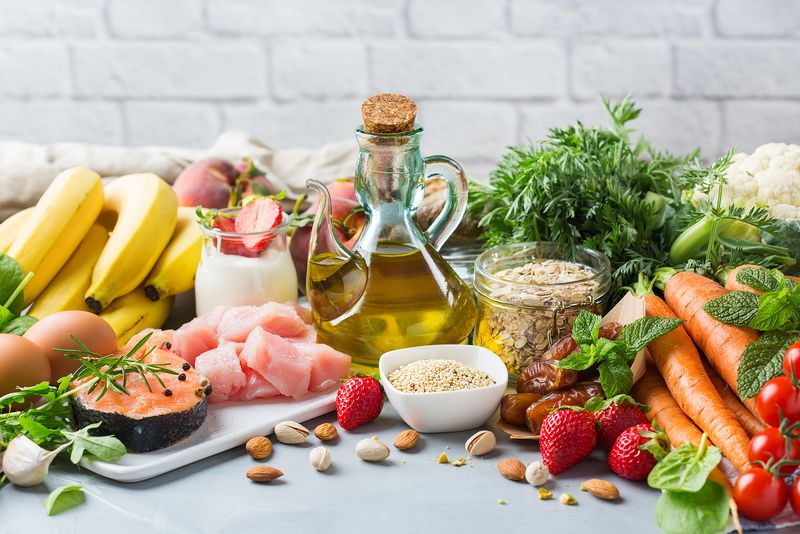
Greeks don't treat vegetables as boring side dishes – they're the stars of the show. Horta (wild greens), giant beans, and fresh tomatoes appear at nearly every meal, often dressed simply in olive oil and lemon.
Legumes like lentils and chickpeas feature heavily, providing protein and fibre. This plant-forward approach delivers essential nutrients whilst keeping meals naturally lower in saturated fat than typical Western diets.
4. India – Spices For Better Digestion
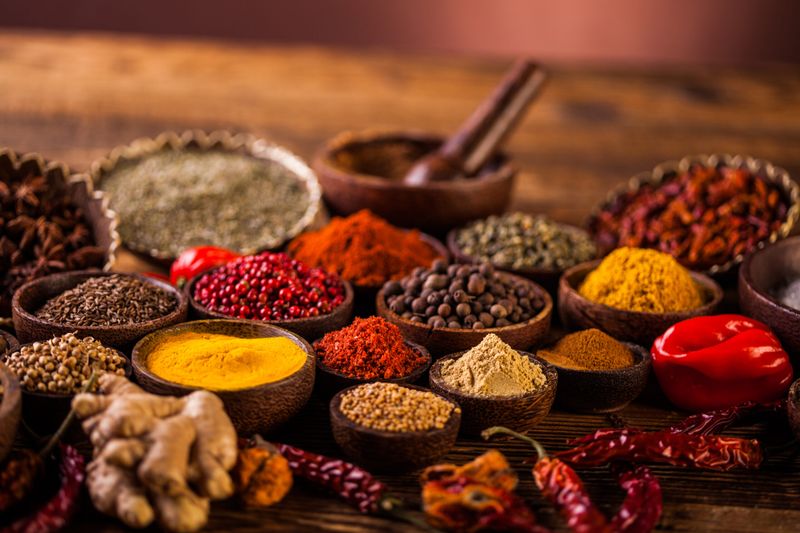
Indian kitchens are basically natural pharmacies, with each spice serving a digestive purpose. Turmeric reduces inflammation, cumin aids digestion, and ginger settles upset stomachs – all whilst making food absolutely delicious.
These aromatic additions aren't just for flavour; they've been used medicinally for thousands of years. Many Indian spices also boost metabolism and provide antioxidants that support overall health and wellbeing.
5. South Korea – Fermented Foods
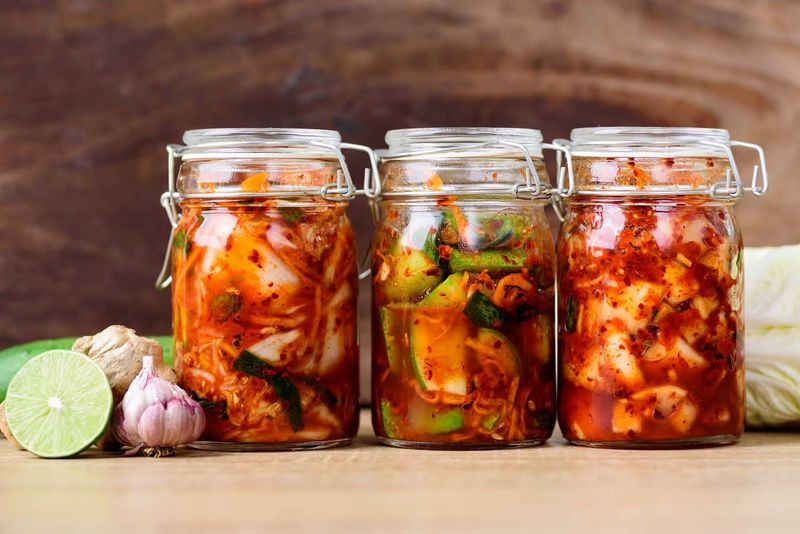
Long before probiotics became trendy, Koreans were fermenting vegetables into kimchi and other gut-friendly foods. These fermented dishes appear at virtually every meal, supporting digestive health through beneficial bacteria.
Kimchi alone provides vitamins A and C whilst promoting healthy gut flora. The fermentation process also increases nutrient availability, making these foods more beneficial than their fresh counterparts for supporting immune function and digestion.
6. France – Moderation At Mealtimes

The French paradox isn't really mysterious – it's about quality over quantity and truly savouring each bite. French meals are social events where conversation flows and eating happens slowly, allowing natural satiety signals to register.
Small portions of rich, high-quality foods satisfy more than large servings of processed alternatives. This mindful approach prevents overeating whilst maximising enjoyment and social connection around food.
7. Mexico – Fresh Corn And Beans
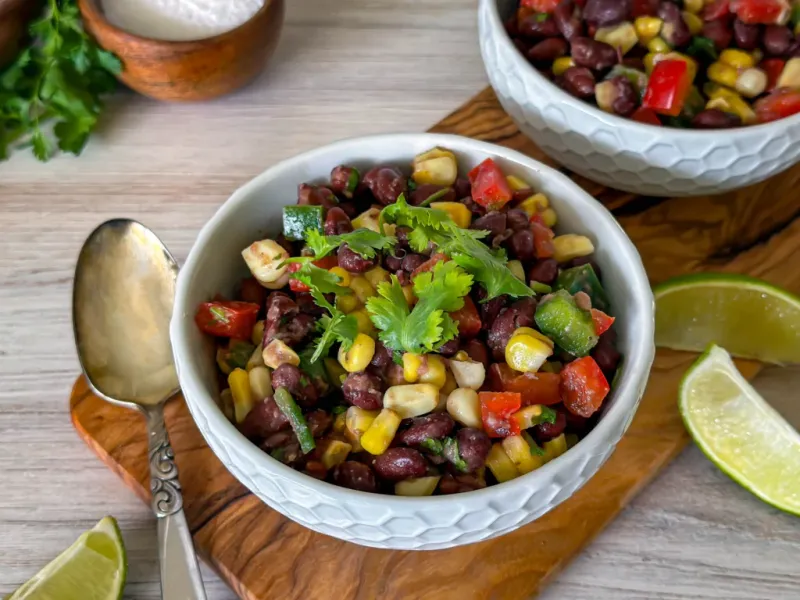
Corn, beans, and chillies aren't just Mexican staples – they're nutritional powerhouses that complement each other perfectly. Together, they provide complete proteins, complex carbohydrates, and metabolism-boosting capsaicin.
Fresh chillies add vitamins A and C whilst potentially increasing calorie burn. This traditional combination has sustained healthy populations for centuries, proving that simple, whole foods often work better than complicated dietary supplements.
8. Thailand – Balanced Flavours
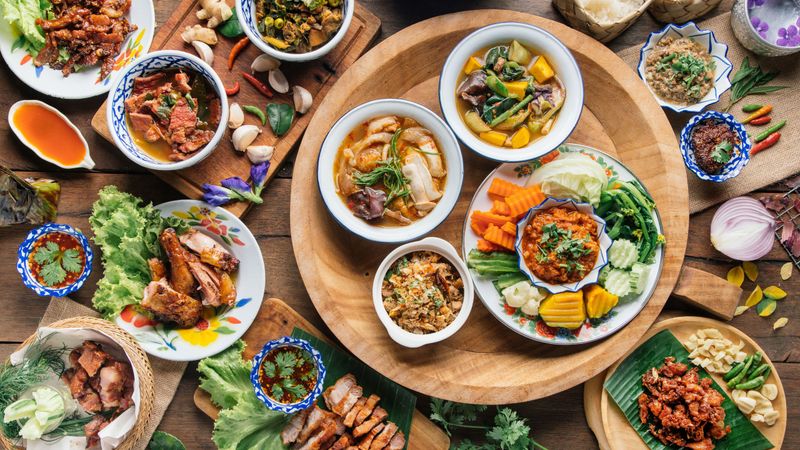
Thai cuisine masterfully balances sweet, sour, salty, and spicy elements in each dish, creating meals that satisfy all taste buds simultaneously. This complex flavour profile prevents cravings and keeps meals interesting.
Fresh herbs like basil, cilantro, and lemongrass add antioxidants whilst lime juice aids iron absorption. The balance approach means no single flavour dominates, encouraging smaller portions whilst maximising satisfaction and nutritional variety.
9. Sweden – The Lagom Approach

"Lagom" means "just the right amount" – not too much, not too little. Swedes apply this philosophy to eating, creating balanced plates with appropriate portions of protein, vegetables, and whole grains.
This moderate approach extends to meal timing and food choices, emphasising sustainability and balance over extreme restrictions. Swedish eating habits focus on long-term health rather than quick fixes or dramatic dietary changes.
10. Turkey – Fresh Bread And Yogurt
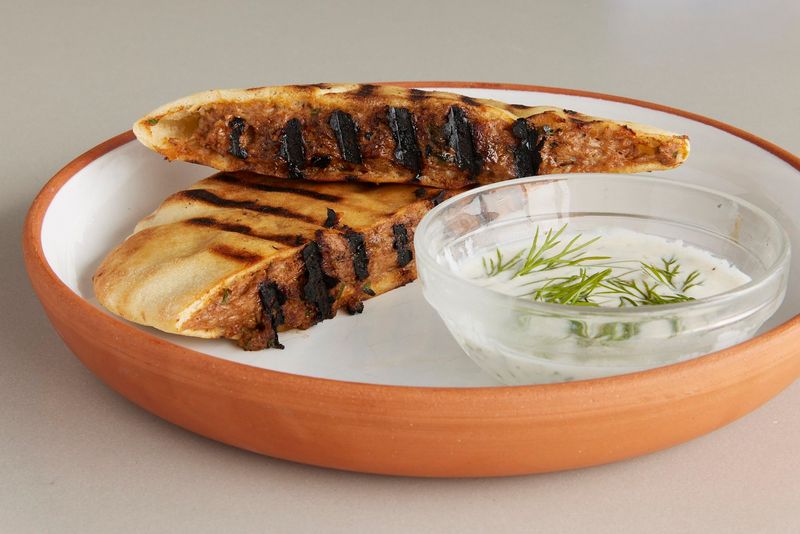
Turkish breakfasts showcase this perfectly – fresh bread, creamy yogurt, tomatoes, cucumbers, and cheese create a balanced start to the day. Seasonal eating ensures maximum nutrient density and flavour.
Yogurt appears throughout the day, providing probiotics and protein. Fresh bread is often made daily, and meals centre around whatever produce is currently in season, ensuring variety and optimal nutrition year-round.
11. Vietnam – Herbs And Light Broths
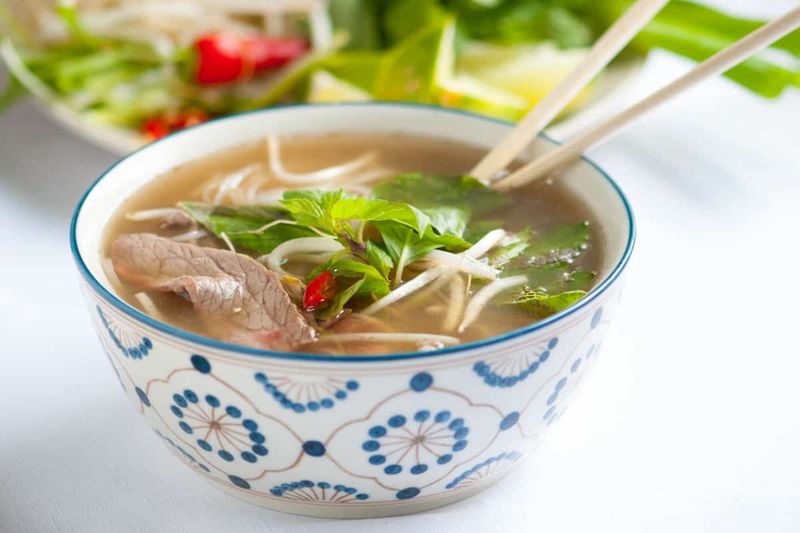
Vietnamese meals centre around clear, nourishing broths and abundant fresh herbs rather than heavy sauces or fried foods. Pho and other soup-based dishes provide hydration whilst delivering nutrients in easily digestible form.
Fresh herbs like mint, cilantro, and Thai basil add vitamins and antioxidants to every bite. This light approach keeps meals satisfying without being heavy, supporting natural energy levels throughout the day.