



Autumn brings a bounty of nutritious vegetables that can boost your health during the colder months. From vibrant orange squashes to leafy greens, these seasonal stars are packed with vitamins, minerals, and antioxidants your body craves. Nutrition experts consistently recommend these autumn gems for their impressive health benefits and delicious flavours.
This article is for general informational purposes only and is not a substitute for professional medical or nutritional advice. Individual dietary needs vary, and health benefits may differ from person to person. Always consult a qualified healthcare professional or registered dietitian before making changes to your diet.
1. Butternut Squash
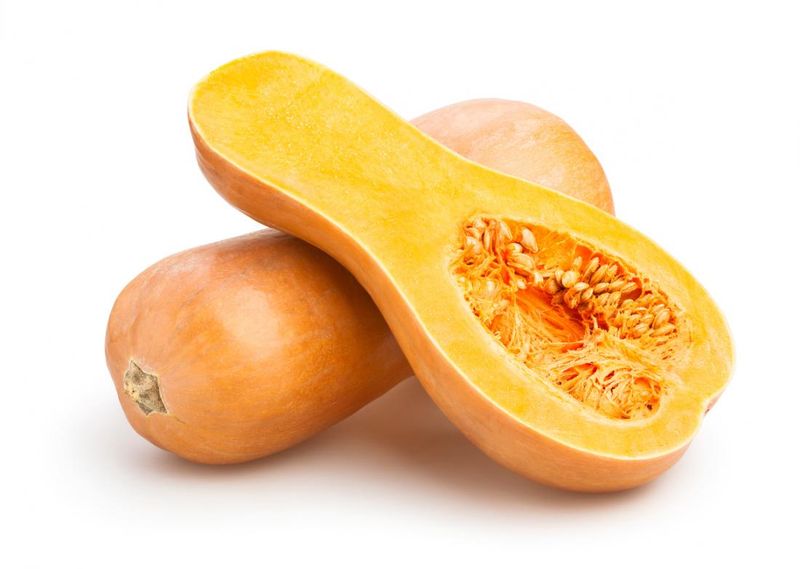
Few vegetables say autumn quite like butternut squash, with its rich orange flesh hinting at plenty of beta-carotene. Your body turns this into vitamin A, an important nutrient for vision and immunity, and just one cup can supply more than enough for the day.
Creamy and versatile, it slips easily into soups, curries, and roasts. Fibre and potassium add to its appeal, making it as nourishing as it is comforting.
2. Kale
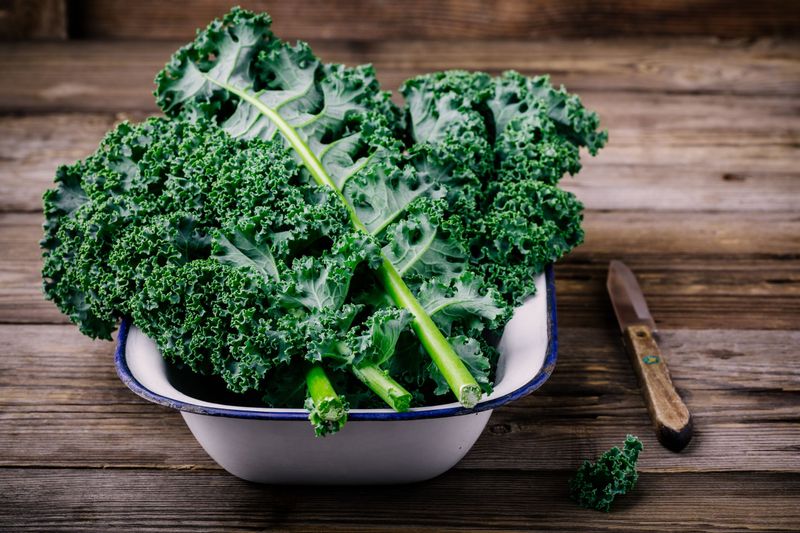
Dark leafy greens like kale are nutritional powerhouses that thrive in cooler weather. Actually, frost makes kale taste sweeter by converting starches into sugars. Packed with vitamin K for bone health, vitamin C for immunity, and calcium for strong teeth.
The antioxidants in kale help protect your cells from damage whilst supporting overall wellness.
3. Brussels Sprouts

Roast them properly and Brussels sprouts transform into something nutty, sweet, and surprisingly addictive. These tiny green gems bring vitamin C, folate, and fibre to the plate, all wrapped in bite-sized bundles. Their natural sulphur compounds might also lend a hand in supporting your body’s defences.
Once dismissed, they’ve become a star of modern autumn cooking.
4. Carrots
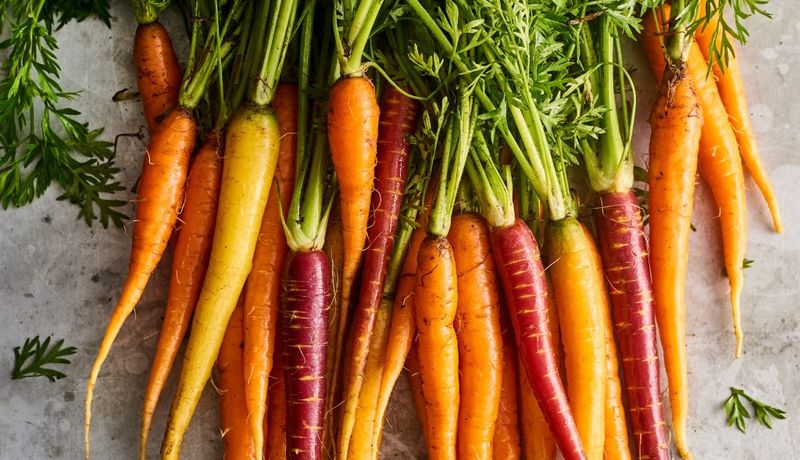
Crunchy carrots aren't just rabbit food. These bright orange roots become sweeter after autumn's first frost, making them perfect for warming winter dishes. Beta-carotene gives carrots their vibrant colour and converts to vitamin A in your body.
They're also rich in fibre and antioxidants that support eye health and may reduce inflammation naturally.
5. Beetroot
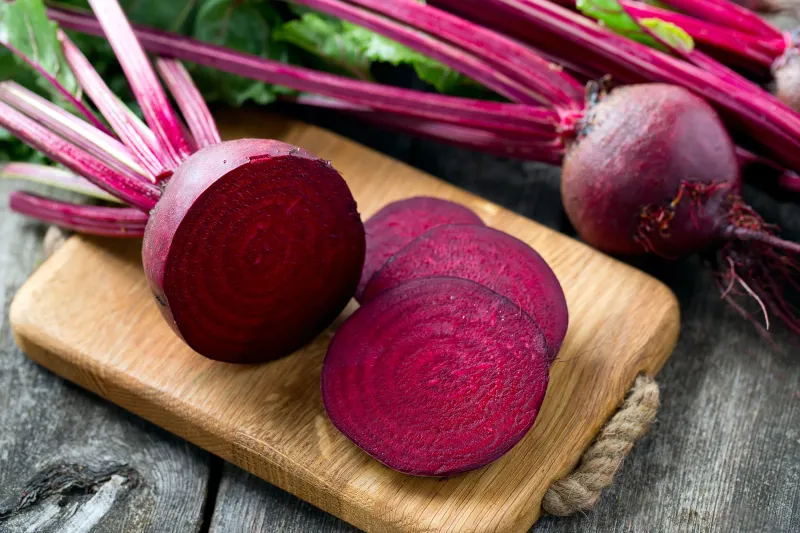
Deep purple beetroot might stain your fingers, but it's worth it for the incredible health benefits. The natural nitrates in beetroot can help improve blood flow and exercise performance. Folate, manganese, and betalains make beetroot a nutritional champion.
Whether roasted, grated raw, or juiced, this earthy vegetable supports heart health and provides sustained energy for busy autumn days.
6. Sweet Potatoes
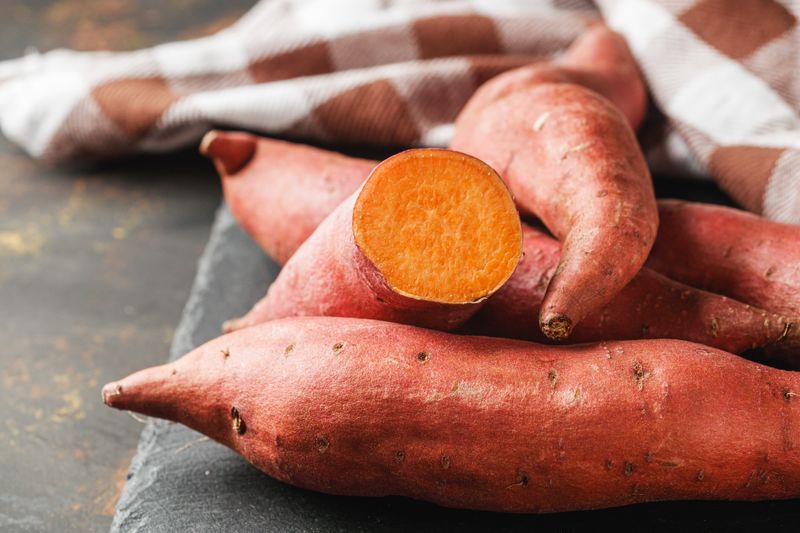
Unlike regular potatoes, sweet potatoes bring a bright splash of colour along with a different nutritional profile. They’re brimming with beta-carotene, which converts to vitamin A, and come loaded with fibre and potassium.
Naturally sweet, they need little extra dressing up – baking, roasting, or mashing brings out their best. For steady, lasting energy, they’re one of the most satisfying root vegetables to keep on hand.
7. Mushrooms
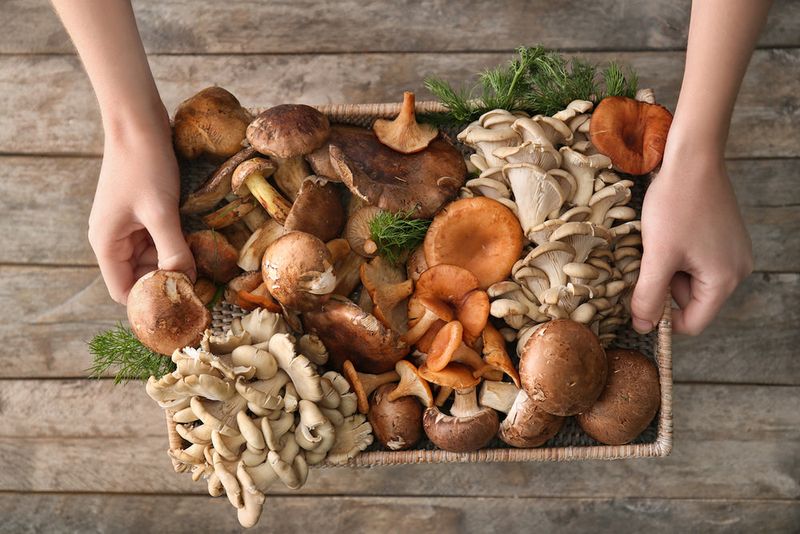
Autumn meals gain depth when mushrooms are involved, thanks to their rich umami flavour. From shiitake to portobello, they contribute selenium, potassium, and B vitamins that help keep you energised. Certain types exposed to UV light can also provide vitamin D, though levels depend on how they’re grown.
With so much flavour for so few calories, they’re a cook’s secret weapon in hearty dishes.
8. Parsnips

Often overlooked in favour of carrots, parsnips deserve recognition for their sweet, nutty flavour and impressive nutrient profile. Cold weather converts their starches into natural sugars, enhancing taste. High in fibre, folate, and potassium, parsnips support digestive health and heart function.
They roast beautifully alongside other root vegetables, creating comforting autumn meals that nourish your body completely.
9. Cabbage
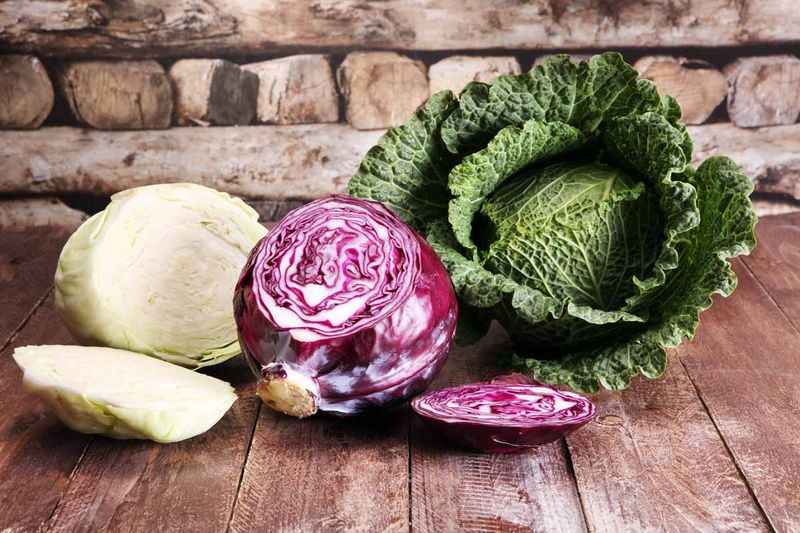
Humble cabbage packs serious nutritional punch whilst remaining budget-friendly all season long. Red and green varieties offer slightly different flavour profiles but similar health bene
fits. Vitamin C, vitamin K, and antioxidants make cabbage excellent for immune support and bone health. Whether enjoyed raw in slaws or cooked in warming stews, cabbage provides satisfying crunch and essential nutrients.
10. Leeks
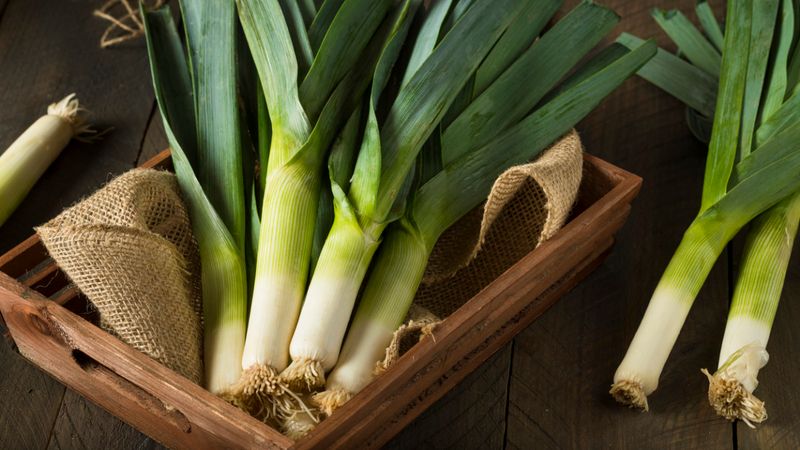
Mild and sweet, leeks belong to the onion family but offer gentler flavour perfect for autumn soups and casseroles. The white and light green parts are typically eaten, whilst dark greens make excellent stock. Vitamin K, folate, and manganese support bone health and energy production.
Prebiotic fibres in leeks feed beneficial gut bacteria, promoting digestive wellness throughout the colder months ahead.