











Japan is home to some of the longest-living people in the world, and their traditional diet is often credited as a big part of the reason. With a focus on balance, variety, and fresh ingredients, their eating habits offer valuable lessons that could benefit British tables too.
While our love of hearty classics isn’t going anywhere, taking inspiration from Japanese practices may be a simple way to support better health and wellbeing.
This article is for general information only. Dietary needs and health outcomes vary for each individual, and photos are for illustrative purposes. For personalised nutrition or health advice, always consult a qualified professional.
1. Eat Smaller Portions More Often
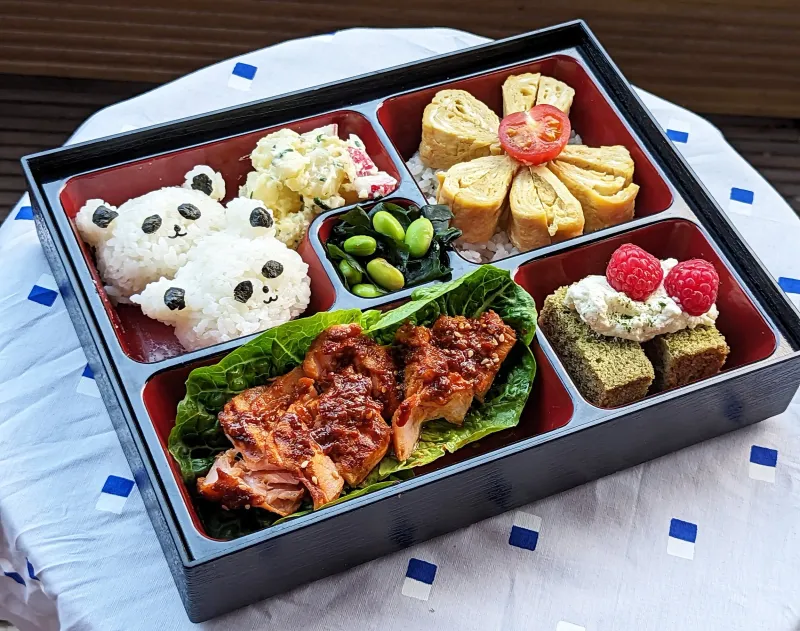
Ever noticed how Japanese bento boxes contain tiny portions of different foods? This isn't just about presentation – it's pure genius for your metabolism.
Rather than wolfing down massive plates like we often do in Britain, smaller portions help your body process food more efficiently. Your stomach gets time to signal when it's satisfied, preventing that stuffed feeling we know all too well after a Sunday roast.
Try using smaller plates at home and see the difference it makes to your energy levels throughout the day.
2. Focus On Fresh, Seasonal Ingredients
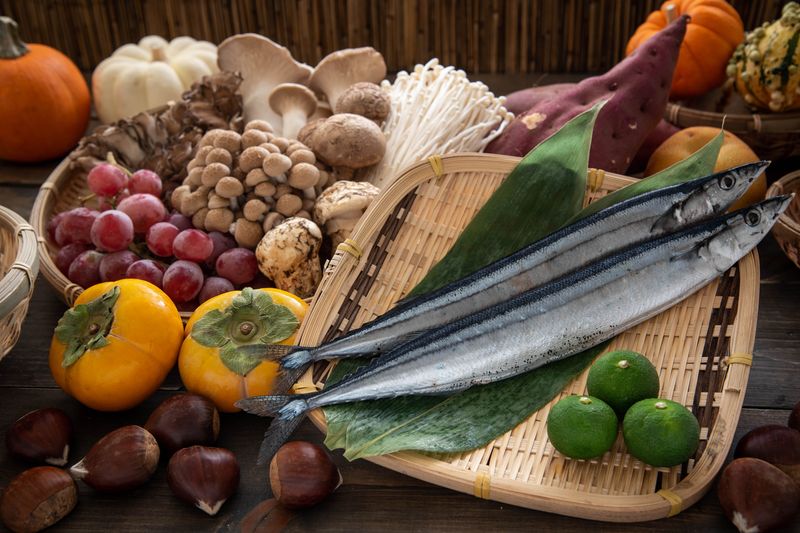
Seasonal eating isn't just trendy – it's how Japanese families have cooked for centuries. Spring brings tender bamboo shoots, summer offers crisp cucumbers, autumn delivers sweet persimmons, and winter provides hearty root vegetables.
Compare this to our habit of buying the same foods year-round from supermarkets. Seasonal produce tastes better, costs less, and provides exactly the nutrients your body needs for each time of year.
Start shopping at local farmers' markets and notice how much more flavourful your meals become.
3. Make Fish A Regular Part Of Meals
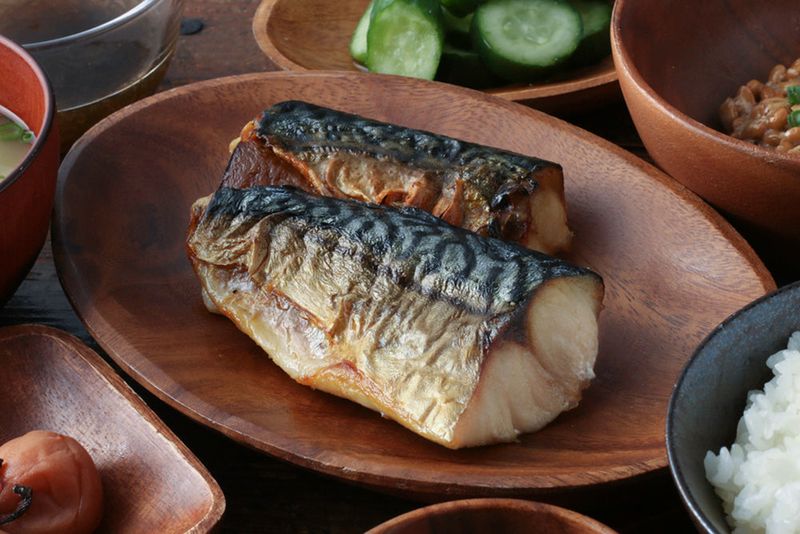
Fish appears at nearly every Japanese meal, from breakfast salmon to lunchtime sashimi. This isn't coincidence – it's nutritional brilliance that keeps hearts healthy and minds sharp.
While we Brits often treat fish as a Friday night chippy special, the Japanese eat it daily in various forms. The omega-3 fatty acids support brain function and reduce inflammation throughout the body.
Start small by adding tinned sardines to your toast or grilling mackerel twice weekly. Your heart will thank you for it.
4. Add Fermented Foods Like Miso And Pickles
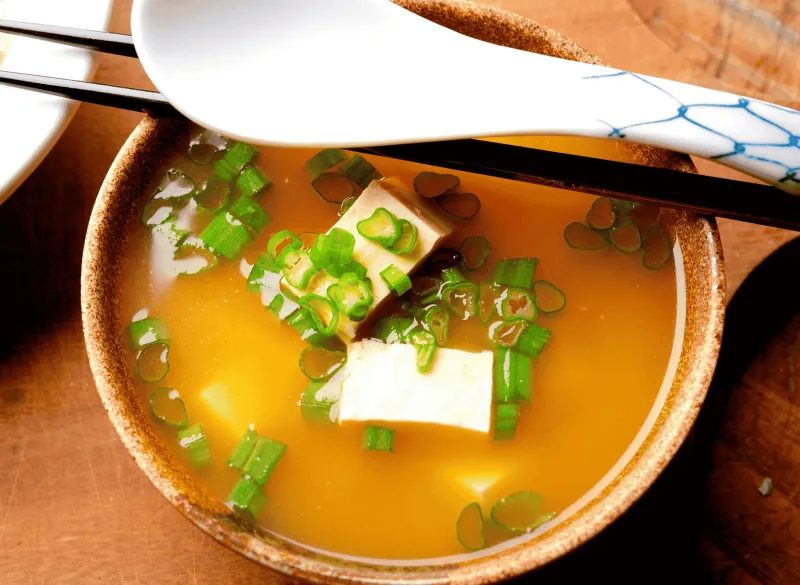
Fermented foods might sound fancy, but they're basically Japan's version of our pickled onions – except much better for your gut health.
Miso soup, pickled vegetables, and fermented soy products contain beneficial bacteria that support digestion and boost immunity. These probiotics help break down food more efficiently and can even improve your mood through the gut-brain connection.
You can find miso paste in most UK supermarkets now. Start with a simple miso soup or add pickled vegetables to your sandwiches.
5. Enjoy Rice And Grains In Moderation
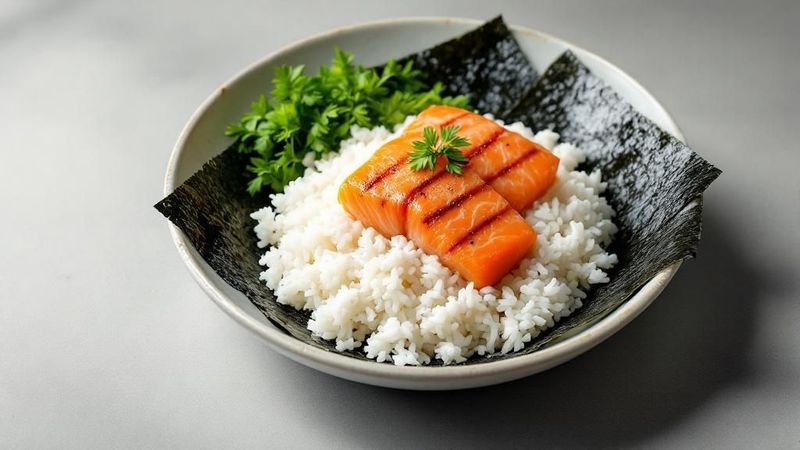
Rice forms the foundation of Japanese meals, but portions are surprisingly modest – about the size of a tennis ball per serving.
Unlike our tendency to pile on massive portions of pasta or potatoes, the Japanese treat grains as supporting players rather than the main event. This approach provides steady energy without the blood sugar spikes that leave you feeling sluggish.
Try serving smaller portions of rice or quinoa alongside larger helpings of vegetables and protein. Your energy levels will stay more consistent throughout the day.
6. Use Vegetables As The Main Plate, Not The Side
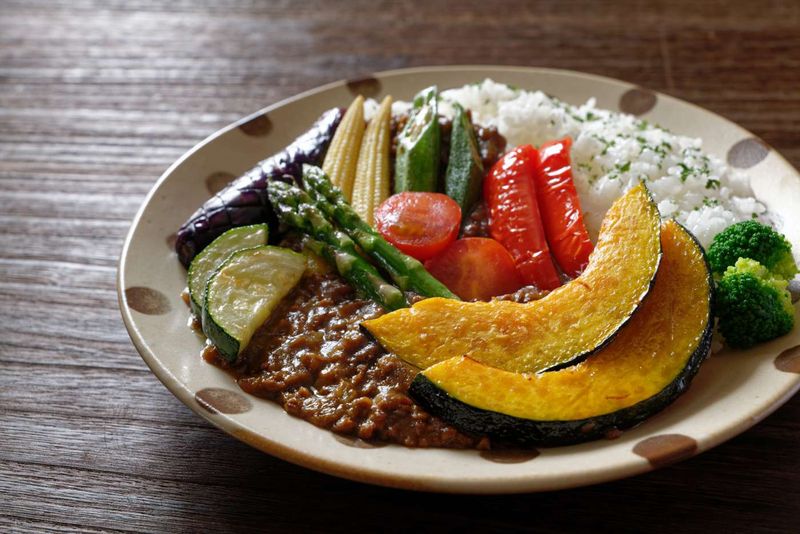
Walk into any Japanese restaurant and you'll spot the difference immediately – vegetables dominate the plate, not hide in the corner like afterthoughts.
From crispy tempura vegetables to perfectly steamed greens, plant foods take centre stage in Japanese cuisine. This approach naturally increases your fibre intake, provides essential vitamins, and helps you feel satisfied without overloading on calories.
Next time you plan dinner, start with the vegetables first, then add smaller amounts of meat or fish around them.
7. Practise Mindful And Slower Eating
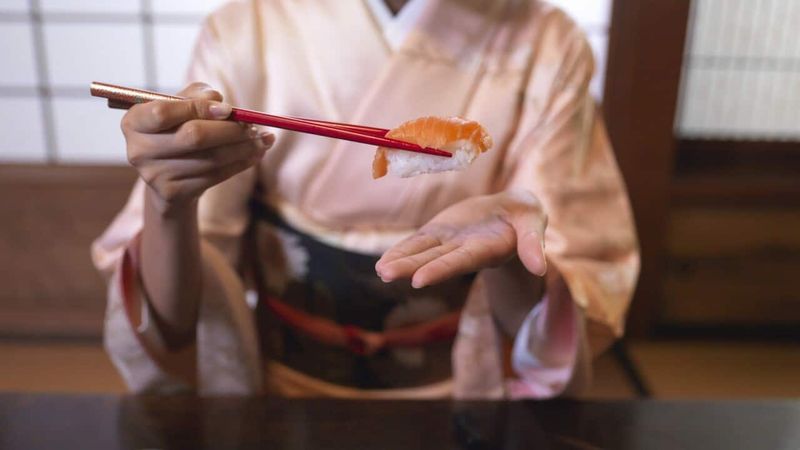
The Japanese have a saying: 'Hara hachi bu' – eat until you're 80% full. This mindful approach takes time, something our rushed meal culture rarely allows.
Eating slowly gives your brain roughly 20 minutes to register fullness signals from your stomach. This prevents overeating and improves digestion, reducing that uncomfortable bloated feeling after meals.
Put down your fork between bites, chew thoroughly, and actually taste your food. You might discover flavours you've been missing while eating on autopilot.
8. Favour Simple Cooking Methods Like Steaming And Grilling
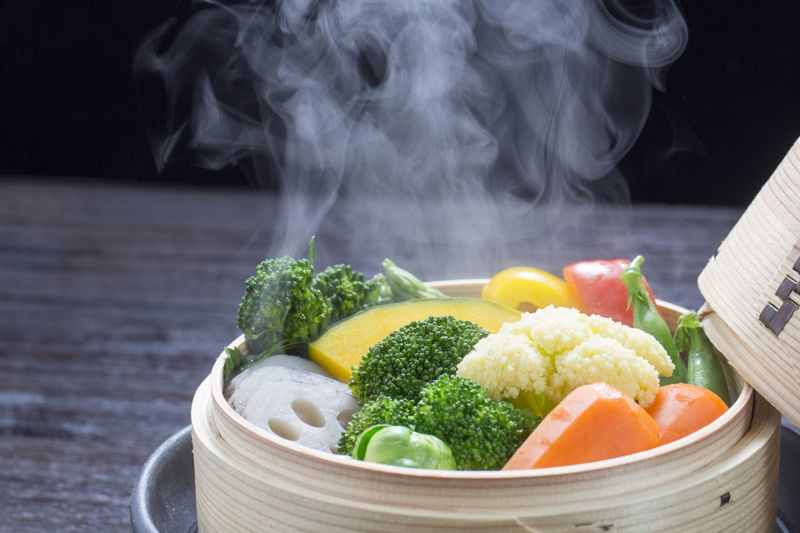
Japanese cooking celebrates the natural flavours of ingredients rather than drowning them in heavy sauces or deep-frying everything in sight.
Steaming, grilling, and light sautéing preserve nutrients that get destroyed by aggressive cooking methods. These techniques also require less oil, reducing unnecessary calories while maintaining the food's original taste and texture.
Try steaming your vegetables instead of boiling them, or grill fish with just a touch of soy sauce. You'll be amazed how much better food tastes when it's not overcooked.