Even professional pastry chefs agree that some desserts are especially challenging to master. These intricate creations require careful timing, precise technique, and plenty of patience.
From traditional French showstoppers to modern innovations, these bakes highlight the difference between casual home cooking and the skills honed in professional kitchens.
This article is for general information only. Difficulty levels are based on expert opinion and may vary depending on skill and experience. Photos are for illustrative purposes.
1. Croquembouche

Picture building a tower of cream puffs held together by molten sugar, and you might wonder if architects moonlight as pastry chefs. This French wedding cake classic requires making perfect choux pastry, silky pastry cream, and caramel that's hot enough to cause serious burns.
Each profiterole must be identical in size, filled without bursting, and assembled while the caramel remains workable. One wobbly puff can bring the whole tower crashing down spectacularly.
2. Soufflé

Temperamental doesn't begin to describe this airy French creation that can collapse faster than a house of cards in a hurricane. The secret lies in achieving perfectly whipped egg whites and folding them into the base without deflating the precious air bubbles.
Temperature control becomes absolutely critical, as opening the oven door even slightly can spell disaster. Many professional kitchens refuse to put soufflés on the menu because of their unpredictable nature and precise timing requirements.
3. Macarons

These colourful sandwich biscuits look deceptively simple but have driven countless bakers to tears with their fickle requirements. Achieving the perfect 'macaronage' technique, where almond flour and egg whites reach just the right consistency, takes years to master.
Humidity, oven temperature, and even the age of your egg whites can make or break these finicky treats. Professional pastry chefs often joke that macarons have their own weather forecast.
4. Mille Feuille

Napoleon would probably retreat from this pastry battlefield, where paper-thin layers of puff pastry must be rolled and folded with military precision. Creating the laminated dough requires keeping butter at exactly the right temperature while folding it dozens of times.
The assembly demands steady hands to layer delicate pastry with cream without creating a structural disaster. Professional bakers often spend months perfecting the technique needed to achieve those impossibly crisp, flaky layers that shatter at first bite.
5. Crème Brûlée

Beneath that satisfying crack of caramelised sugar lies a custard so delicate it makes eggshells seem robust. The custard base requires gentle heating to avoid curdling, with temperatures monitored more closely than a premature baby.
Achieving the perfect wobble without graininess takes considerable skill. Then comes the torching finale, where sugar must caramelise evenly without melting the custard underneath. Many restaurants use this dessert as a litmus test for hiring pastry chefs.
6. Baked Alaska

Combining fire and ice might work for dragons, but this theatrical dessert challenges the laws of physics and pastry alike. Ice cream must stay frozen while meringue browns under intense heat, creating a temperature paradox that baffles many bakers.
Timing becomes absolutely crucial as the meringue needs torching at exactly the right moment. The sponge base, ice cream selection, and meringue consistency must all work in perfect harmony to prevent a melted mess.
7. Tarte Tatin

Flipping a scalding hot tart filled with molten caramel requires nerves of steel and reflexes of a ninja. This upside-down apple tart demands perfectly caramelised fruit that holds its shape during the dramatic inversion process.
The caramel must reach exactly the right colour and consistency without burning, while the pastry needs to be crisp yet sturdy enough to support the fruit. Professional chefs often practice the flipping technique hundreds of times before attempting it during service.
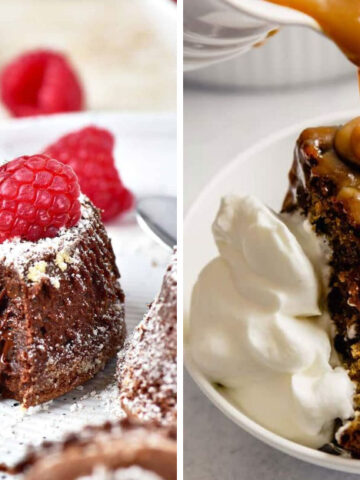
8. Chocolate Lava Cake

Achieving that perfect molten centre while ensuring the outside stays firm requires timing more precise than a Swiss watch. The chocolate mixture must be heated to exactly the right temperature to create the signature flowing interior.
Overbake by even thirty seconds and you'll have regular chocolate cake; underbake and the whole thing collapses into chocolatey soup. Professional kitchens often pre-test every batch because individual ovens can behave differently, making consistency a real challenge for even experienced pastry chefs.
9. Opera Cake

This architectural marvel requires the precision of a Swiss watchmaker and the patience of a saint. Six distinct layers must be assembled with mathematical accuracy, from almond sponge to chocolate ganache to coffee buttercream.
Each component needs perfect consistency and temperature before assembly begins. The final chocolate glaze must be applied in one smooth motion to achieve that mirror-like finish. Professional pastry chefs often practice the glazing technique on dummy cakes before attempting the real thing.
10. Croissants

These buttery crescents might appear simple, but they represent three days of intensive labour and mathematical precision. The lamination process requires folding butter into dough exactly twenty-seven times to create distinct layers.
Temperature control becomes absolutely critical throughout the process, as warm butter will melt and cold butter will break through the dough. Professional bakers often start their croissant preparation before dawn, carefully monitoring each stage to achieve those perfect honeycomb interiors and golden exteriors.